10 Best Places to Visit This Fall for Guaranteed Sunshine
Things to do
Things to do


As the days begin to get shorter and the first chill hits, travelers are preparing for their next holiday. And it’s time you did the same. The good news is that Fall is arguably one of the best times of year to travel. The summer crowds have departed, and destinations that were sweltering in August settle into pleasantly warm temperatures. Whether you want to lounge by the Mediterranean, explore a medina in Morocco, or go island hopping in Thailand, there is a sun-soaked destination out there for every type of traveler.
Below are ten of the best places to visit this Fall for those seeking sunshine, plus tips on the day trips you can take once you land.
Rhodes is one of the sunniest of the Greek islands, and Fall is when it really shows off. The crowds that fill the Old Town's cobbled lanes in July have moved on, but the sea is still warm enough for a proper swim well into October. Wander the medieval walled city, a UNESCO World Heritage Site, then head south to quieter beaches like Prasonisi, where the Aegean and Mediterranean meet.
If you are traveling to the Greek islands from America, it's worth reading How to Plan a Holiday to Greece from the US: A Complete Guide before you book, since it covers flight routes, ferry connections, and the best neighborhoods to stay in.
| Best For | Average Daily High (°C / °F) | Best Month to Visit |
|---|---|---|
| Beaches & sunshine, historic Old Town, day trip by ferry to Symi | Sep: 28°C / 83°F Oct: 25°C / 76°F Nov: 20°C / 68°F | October |
Why October? It keeps much of the summer warmth and pleasant sea temperatures while crowds thin and prices often fall — a great balance for a sunny Fall holiday.
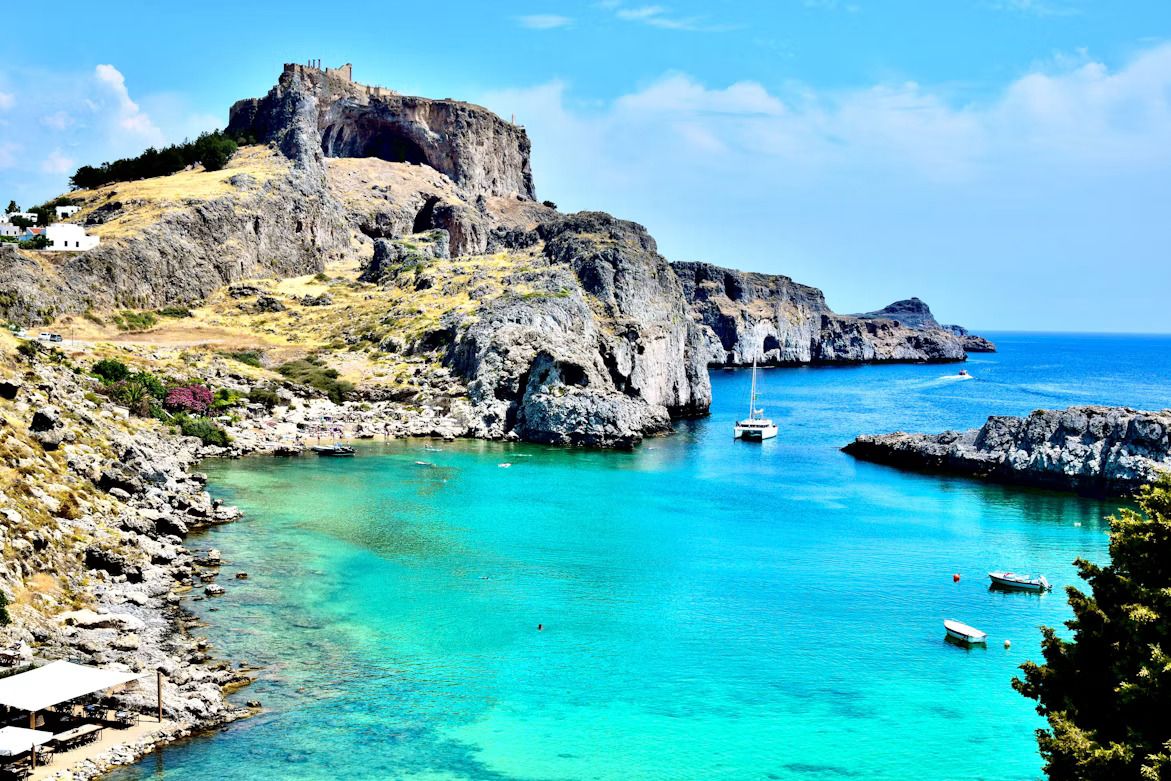
Kos is smaller and more tranquil than Rhodes, with wide sandy beaches and flat terrain that makes it an easy island to explore by bike. Fall temperatures typically hover in the mid-70s Fahrenheit, and the famous Tigaki and Paradise beaches are far less crowded than in peak summer. Those who love history will enjoy the Asklepion, an ancient healing sanctuary linked to Hippocrates, while foodies can spend an evening working through the island's excellent tavernas without fighting for a reservation.
| Best For | Average Daily High (°C / °F) | Best Month to Visit |
|---|---|---|
| Beaches & swimming, gentle island pace, historic sites (Hippocrates’ Plane Tree) | Sep: 26°C / 79°F Oct: 23°C / 73°F Nov: 19°C / 66°F | October |
Why October? It keeps plenty of warm, beach-friendly weather while crowds thin and prices often drop — a great balance for a sunny Fall holiday.
Crete is Greece's largest island, and its size means the weather stays warm and dry for longer into the Fall than almost anywhere else in the Aegean. The south coast, sheltered by the Lefka Ori mountains, is especially mild. Beyond its marvelous beaches, Crete also offers the Palace of Knossos, dramatic gorges like Samaria, and a food scene built on olive oil, wild herbs, and fresh seafood that rivals anywhere in the Mediterranean.
| Best For | Average Daily High (°C / °F) | Best Month to Visit |
|---|---|---|
| Beaches, village festivals, olive & food culture | Sep: 26°C / 80°F Oct: 23°C / 74°F Nov: 20°C / 68°F | October |
Why October? October hits the sweet spot: sea temperatures remain pleasant for swimming, hiking is cooler, and local villages light up with olive-harvest celebrations, raki distillation (kazanemata), and chestnut/harvest feasts where you can eat like a local and join the party.
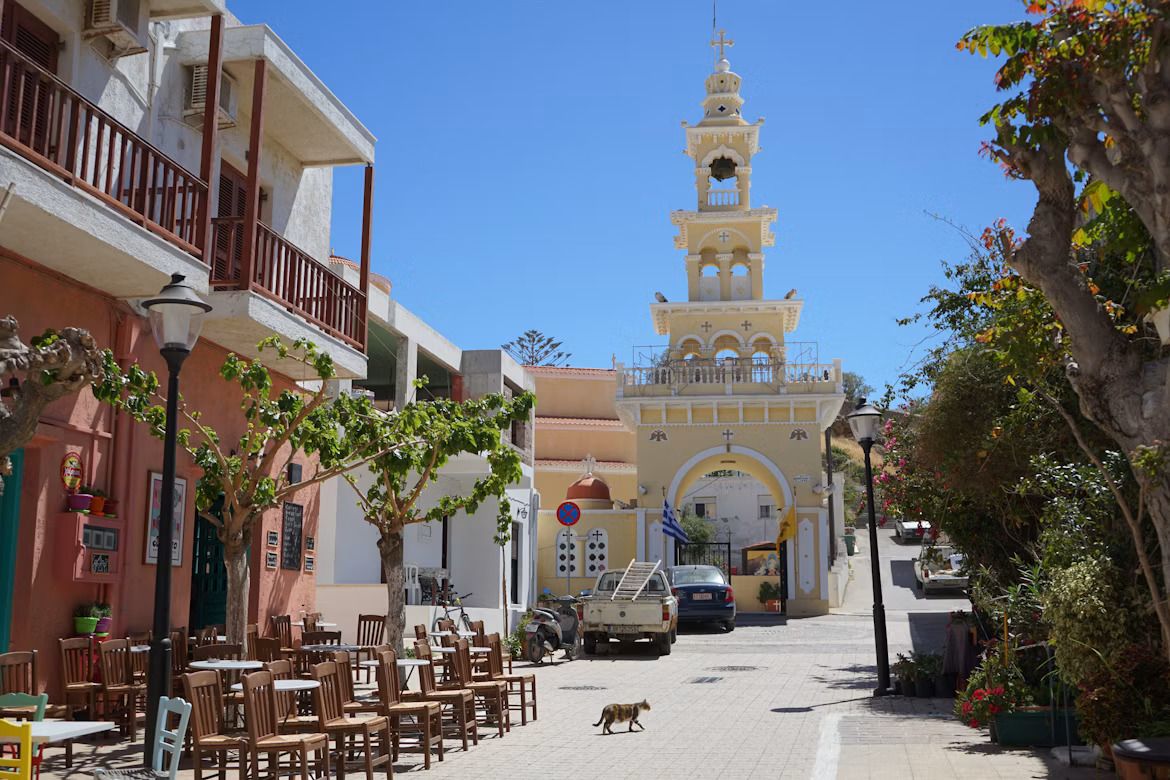
Cyprus is a very safe bet if you are seeking sunshine during Fall, often staying in the mid-80s Fahrenheit into October. Its convenient location further south and east than the Greek islands gives it one of the longest swimming seasons in Europe. Split your time between the buzzing resort towns of Ayia Napa or Paphos and the quieter, mountainous interior, where Troodos villages and vineyards offer a completely different pace of travel.
| Best For | Average Daily High (°C / °F) | Best Month to Visit |
|---|---|---|
| Warm late-season beaches, wine & food festivals, family escapes | Sep: 31°C / 89°F Oct: 28°C / 83°F Nov: 23°C / 74°F | September |
Why September? Book late-summer sunshine and time your trip for the Limassol Wine Festival (26th Sept–4th Oct) — nine days of local wines, live music and food in the seafront municipal gardens.
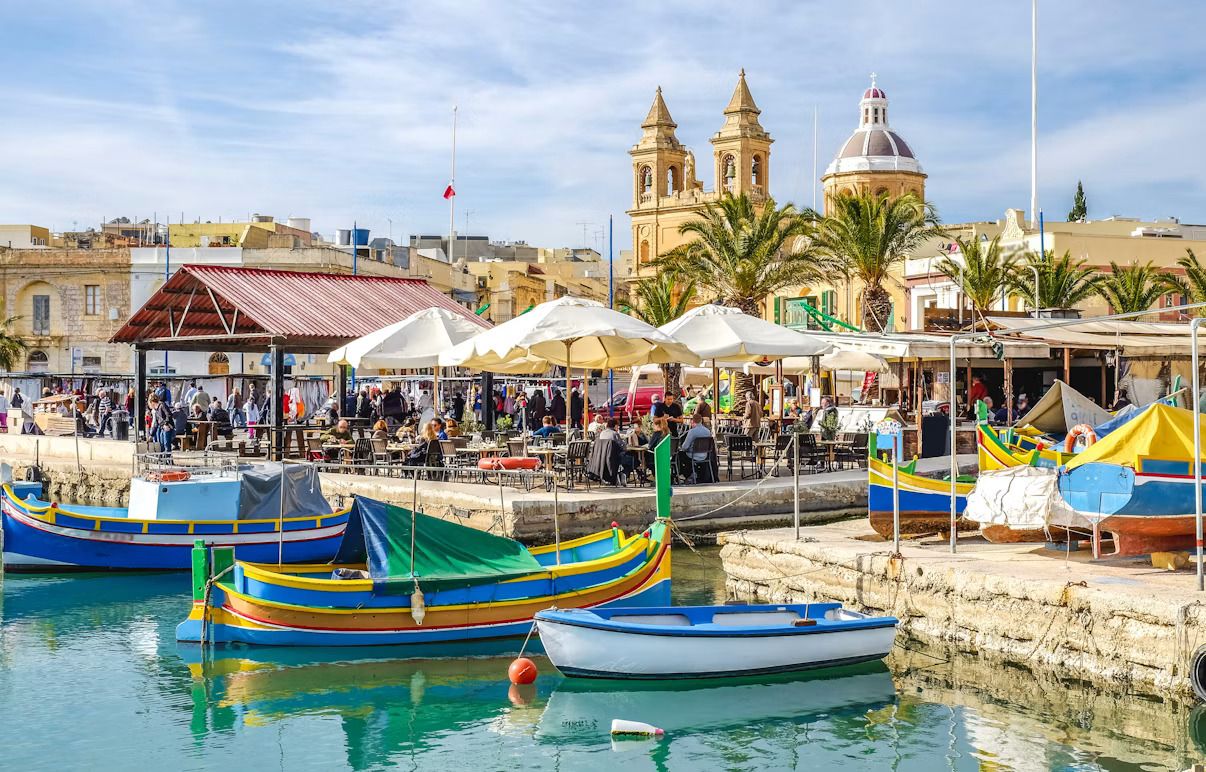
Malta packs an enormous amount of history into a tiny footprint, and Fall is arguably the best season to explore it on foot without the summer heat slowing you down. Valletta's honey-colored fortifications, the prehistoric temples of Ħaġar Qim, and the turquoise waters of the Blue Lagoon on nearby Comino are all easier to enjoy once September's crowds fade. The sea remains warm enough to swim in even into October, and English is widely spoken, which makes Malta a particularly convenient choice for first-time visitors.
| Best For | Average Daily High (°C / °F) | Best Month to Visit |
|---|---|---|
| History, city culture, night festivals, easy island hopping | Sep: 28°C / 82°F Oct: 24°C / 76°F Nov: 20°C / 68°F | October |
Why October? Valletta’s Notte Bianca in early October fills the UNESCO-listed streets with free concerts, late-night museum openings and pop-up performances.
If you are looking for year-round sunshine, the Canary Islands are difficult to beat. Off the coast of North Africa, Tenerife, Gran Canaria, Lanzarote, and Fuerteventura enjoy a spring-like climate throughout the entire year, which is why they're a favorite for British and northern European travelers escaping the cold.
Each island has its own character, from Tenerife's volcanic landscapes and black-sand beaches to Fuerteventura's world-class windsurfing. As the islands stay warm long after Fall ends, they're also a smart pick if you're already planning ahead. The Best Winter Holidays on the Coast of Spain is a useful read if you want to know more about how the Canaries compare once winter properly sets in elsewhere.
| Best For | Average Daily High (°C / °F) | Best Month to Visit |
|---|---|---|
| Reliable warmth, outdoor adventure, stargazing & whale-watching | Sep: 28°C / 83°F Oct: 26°C / 79°F Nov: 24°C / 75°F | October |
Why October? October keeps summer temperatures with far fewer crowds — and islands like La Palma run events such as AstroFest (astronomy & stargazing) into the Fall while whale-watching and coastal hikes remain popular.
Seville is scorching in summer, which is exactly why Fall is when the city comes into its own. By October, temperatures drop into a comfortable range perfect for exploring the Real Alcázar, the Seville Cathedral, and the winding streets of the Santa Cruz quarter without melting.
Flamenco bars fill up again as locals return from their summer breaks, and tapas crawls along Calle Betis feel far more atmospheric once the heat has eased. For a full breakdown of neighborhoods, sights, and where to eat, Discover Seville: The Complete City Guide is worth bookmarking before your trip.
| Best For | Average Daily High (°C / °F) | Best Month to Visit |
|---|---|---|
| Flamenco, tapas culture, spectacular monuments | Sep: 32°C / 89°F Oct: 26°C / 79°F Nov: 20°C / 68°F | October |
Why October? September still tops 32°C / 89°F, which is a lot for sightseeing on foot. October settles into the sweet spot for walking the old town, and it is when rooftop bars and terraces are at their best — while the Bienal de Flamenco, in even-numbered years, runs from September into early October.

Morocco offers some of the most reliable Fall sunshine within easy reach of Europe. Marrakech's medina, souks, and palaces are far more comfortable to explore once the brutal summer heat has passed, while coastal cities like Agadir and Essaouira stay pleasantly warm thanks to the Atlantic breeze.
Many travelers prefer to combine a Moroccan trip with a stop in southern Spain, and the short ferry crossing between the two makes it easier than you might think. Traveling from Southern Spain to Northern Africa walks through exactly how to make that crossing.
| Best For | Average Daily High (°C / °F) | Best Month to Visit |
|---|---|---|
| Markets, desert trips, film & cultural festivals | Sep: 33°C / 91°F Oct: 29°C / 83°F Nov: 23°C / 74°F | November |
Why November? November is festival season in Marrakech. The Marrakech International Film Festival and related cultural programs attract filmmakers and international guests, while the cooler temperatures make exploring medinas and desert excursions much more comfortable.
Turkey's Turquoise Coast is an excellent choice for a Fall escape, with popular destinations such as Antalya, Bodrum, and Fethiye often retaining warm weather and comfortable sea temperatures into October. Fall also makes it easier to combine time by the coast with some of Turkey's most remarkable inland attractions, including Cappadocia's rock formations and the ancient ruins of Ephesus.
Before traveling, check the latest entry requirements and documentation for your nationality, as these can vary depending on where you are coming from. Our Top Tips and Tricks for International Travel guide covers useful advice to help you prepare for your trip.
| Best For | Average Daily High (°C / °F) | Best Month to Visit |
|---|---|---|
| Historic cities, coastlines, film & music festivals | Sep: 31°C / 88°F Oct: 26°C / 80°F Nov: 21°C / 70°F | October |
Why October? October pairs warm coastal days with cultural events such as the Antalya Golden Orange Film Festival.

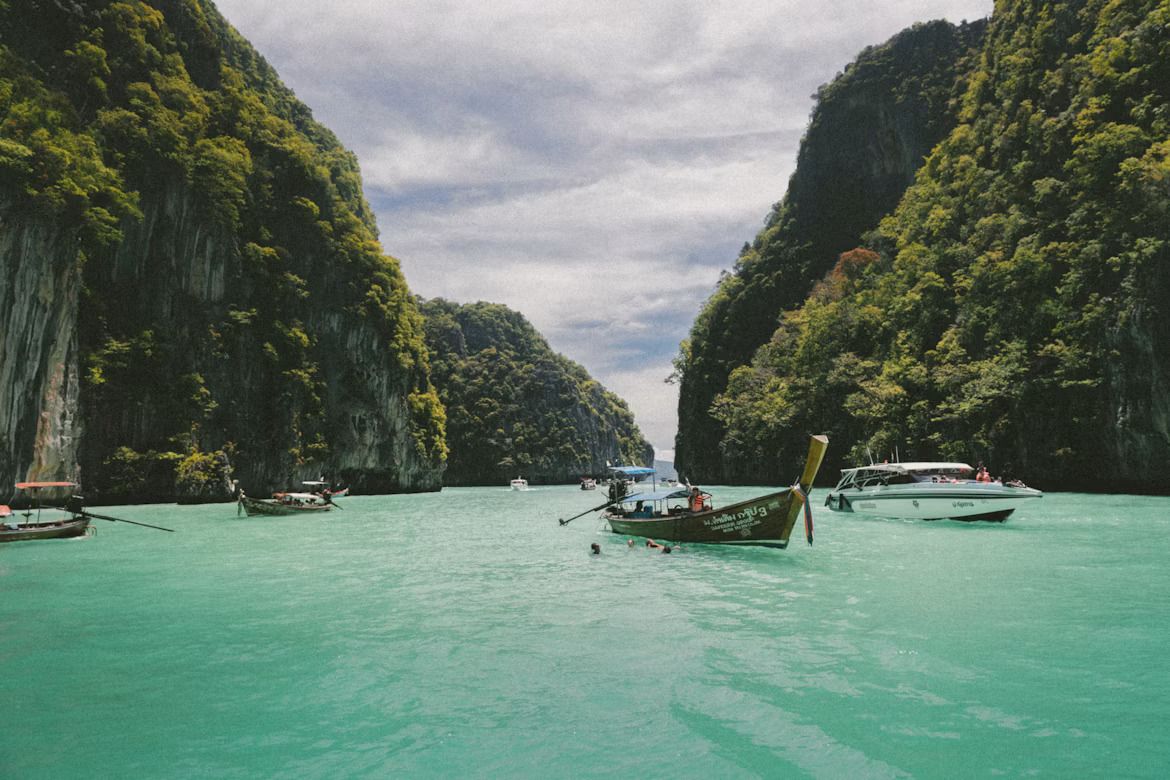
Thailand is a bigger commitment in terms of flight time, but it’s certainly worthwhile with dependable heat and some of the best beaches in the world. Timing matters here more than almost anywhere else on this list, since Thailand's weather varies significantly by coast and region. Our guide on The Best Time to Visit Thailand breaks down exactly when each area is at its sunniest.
If the idea of a long-haul flight is what's holding you back, it's worth knowing there are alternative ways to get there that ease you in gradually. Thailand Without the Flight Anxiety: The Ultimate Land & Sea Travel Guide lays out overland and sea-based routes for travelers who would prefer to avoid one marathon flight.
| Best For | Average Daily High (°C / °F) | Best Month to Visit |
|---|---|---|
| Beaches, Full Moon Party, lantern & river festivals | Sep: 32°C / 90°F Oct: 32°C / 90°F Nov: 32°C / 89°F | November |
Why November? Loy Krathong (and in Chiang Mai the Yi Peng lanterns) is a magical experience — floating krathongs on rivers and mass lantern releases light up the country in late November, plus the monsoon season finishes on the Andaman Coast so beaches and islands return to drier conditions.
One of the best parts of choosing an island or coastal base for your Fall holiday is how easy it is to travel somewhere new for the day. Many of these destinations sit within a short, scenic ferry ride of other islands and towns worth exploring.
Temperatures are average daily highs from the climatological normals published by the World Meteorological Organization, based on national meteorological service data.
Yes. Flights and accommodation for most Mediterranean and North African destinations usually drop once school holidays end in early September, and prices generally stay lower through October and into November, even though the weather remains warm. Airlines and hotels often price by demand rather than by weather, so the biggest savings tend to appear right after the first week of September and again once half-term crowds clear in late October. Booking flexible dates and flying mid-week can widen that gap even further.
In most of the destinations covered here, including the Greek islands, Cyprus, Malta, Turkey, and Thailand, sea temperatures stay warm enough for comfortable swimming throughout October and, in several cases, into November. This is because the sea retains heat absorbed over summer and cools more slowly than the air, so water temperatures in the Mediterranean often lag two to four weeks behind land temperatures. Cyprus and the Canary Islands, in particular, tend to hold swimmable sea temperatures the longest of all these destinations.
Requirements vary by country. Greece, Cyprus, Malta, and Spain fall under the Schengen area's 90-day visa-free allowance for US passport holders, while Turkey requires an e-visa and Morocco allows visa-free entry for short tourist stays; always confirm current rules before booking. Note that Cyprus is not currently a full Schengen member for border-control purposes, so it's worth double-checking entry rules separately even though the 90-day allowance applies. Passports should generally be valid for at least six months beyond your entry date, and it's worth confirming the latest requirements with the relevant embassy or a trusted visa-checking tool shortly before departure, since rules can change.
Cyprus and the Canary Islands tend to hold their warm weather longest, with Cyprus staying comfortably warm into November and the Canary Islands maintaining a mild, sunny climate essentially year-round. This is largely down to geography: Cyprus sits further south and east than the Greek islands, while the Canary Islands' position off the coast of North Africa, combined with the moderating effect of the Atlantic, keeps temperatures remarkably stable across all twelve months. For travelers chasing sunshine into December and January, the Canary Islands are generally the more reliable choice of the two.
Yes. Fall can be an easier time to travel with children than peak summer, since resorts are quieter, temperatures are less extreme, and flights are generally cheaper outside of school holidays. Milder daytime temperatures also mean less risk of heat-related discomfort for young children, and quieter beaches and attractions typically mean shorter queues and more availability for family-friendly excursions like boat trips or wildlife tours. Families tied to school term dates tend to get the best value by traveling just after the first week of September or in the school-holiday-free stretch between mid-October and early November.