The Best Time to Visit Thailand: Everything You Need to Know for the Perfect Trip
Things to do
Things to do

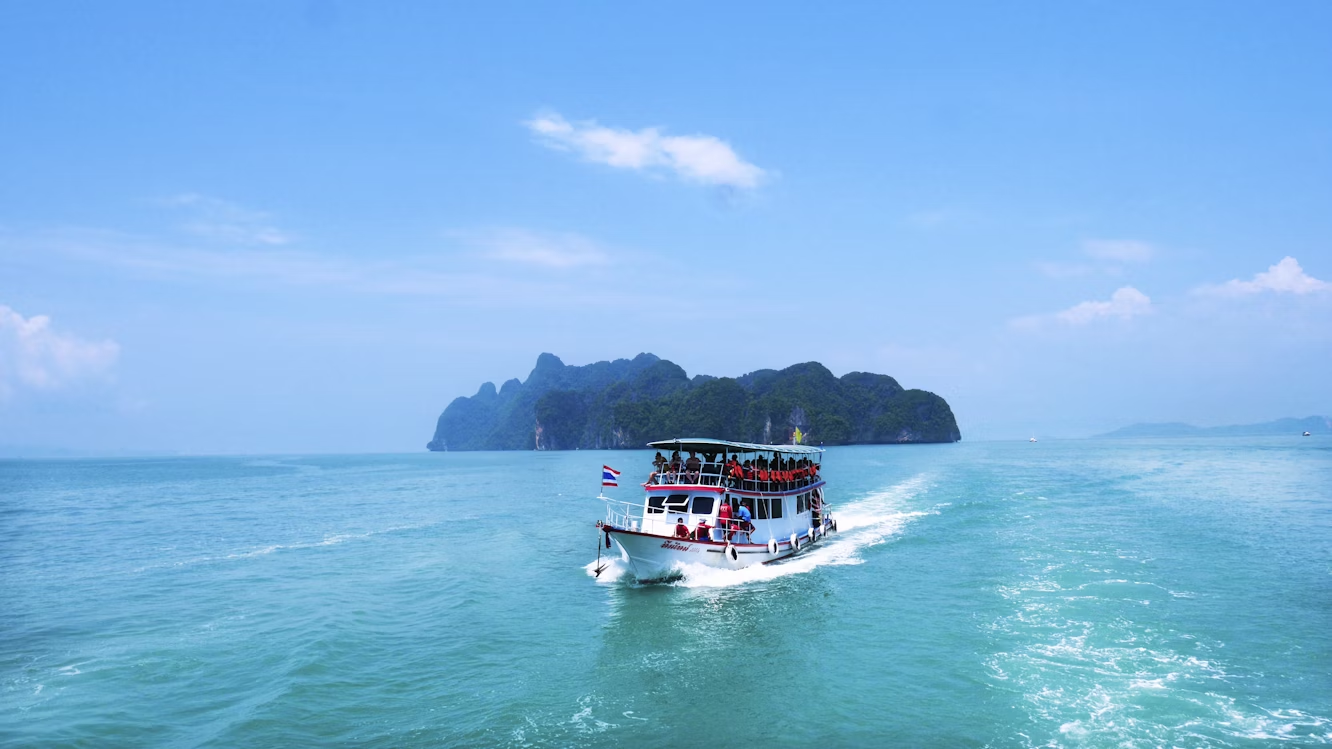
Often called the Land of Smiles, Thailand is one of the world's most enchanting travel destinations. Dating all the way back to the 13th century, this magical kingdom has hundreds of years of culture and history that are still evident today. Couple this with its pristine beaches, vibrant cities, and extraordinary national parks, and it's no wonder millions of travelers flock to its shores every year. But one of the most common questions for those planning a trip to Thailand is: when is the best time to visit Thailand?
Whether you're dreaming of lounging on the white sands of Phuket, island hopping through the Gulf of Thailand, exploring Bangkok's bustling streets, trekking the misty mountains of Chiang Mai, or discovering the ancient temples of Chiang Rai, the time of year can make a big difference to your experience.
In this comprehensive guide, we'll cover everything you need to know about Thailand's weather, festivals, regions, and travel tips — so you can find the good time that's right for you.
Thailand has a tropical climate, which means it's generally warm and humid throughout the year. However, the country experiences three main seasons: the Cool Season (November to February), the Hot Season (March to June), and the Rainy Season (July to October).
Due to these variations in climate, the best time to visit Thailand all depends on where you're travelling to and what kind of experience you're looking for. Let's break it down.
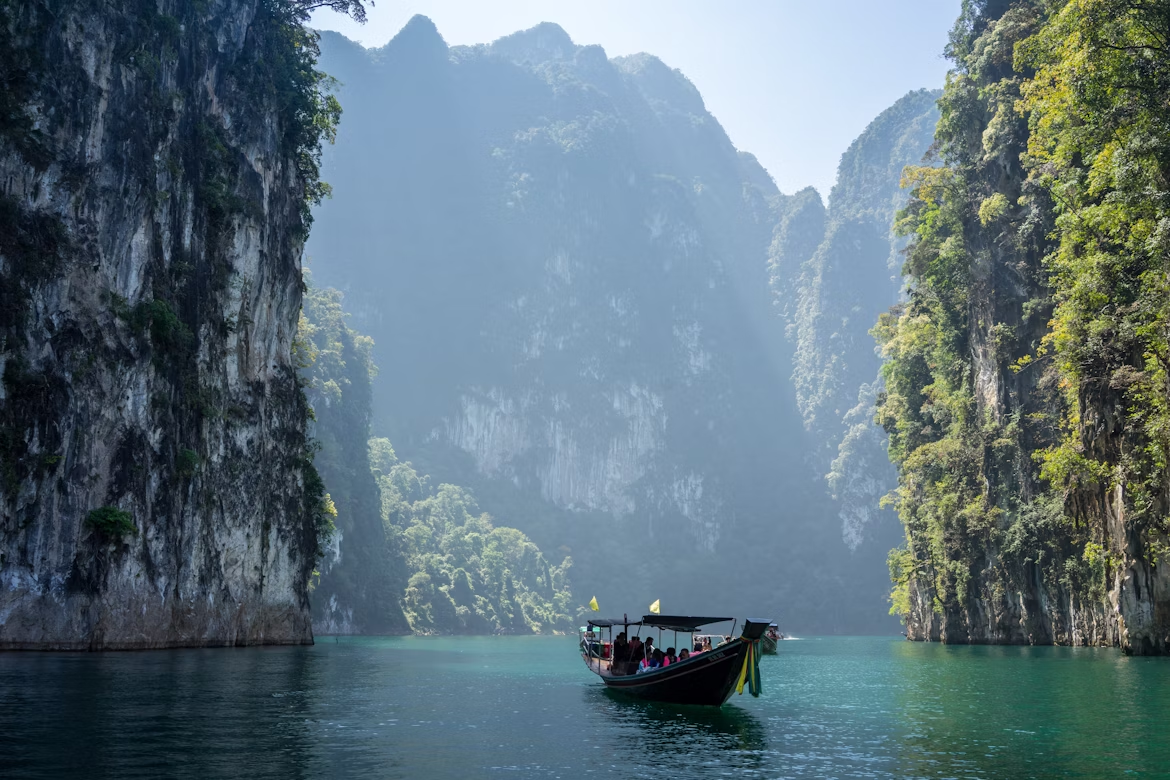
November to February is undoubtedly the best time to visit Thailand. The weather is pleasantly warm, humidity is lower, and rainfall is minimal, making it perfect for sightseeing and island hopping. Average temperatures range from around 25°C to 30°C (77°F to 86°F). This is peak season for good reason.
The Andaman Sea coast — home to world-famous destinations like Phuket, Krabi, and the Phi Phi Islands — enjoys calm seas and clear skies during these months. The Gulf of Thailand, including Koh Samui and Koh Phangan, also offers ideal conditions in early winter. January to August is generally considered the best time to visit Ko Samui for reliably good weather. Phuket was also named as one of the top travel destinations for 2026 by Lonely Planet.
Northern Thailand — especially Chiang Mai and Chiang Rai — is at its very best during the cool season. The air is cool and crisp, providing ideal conditions for exploring temples, mountain trekking, and visiting the region's famous night markets. The Chiang Rai and Golden Triangle region is particularly spectacular from December to February, when clear skies make it one of the best months of the year to be in northern Thailand.
Loy Krathong (November) is Thailand's magical Festival of Lights, where thousands of lanterns light up the night sky. These iconic lantern festivals are best experienced in Chiang Mai, and they're among the most photographed moments in all of Thai culture.
The Chiang Mai Flower Festival (February) follows shortly after — a vibrant celebration of blooms, parades, and local traditions that draws visitors from around the world. And of course, the monthly Full Moon Party on Haad Rin Beach in Koh Phangan is a highlight for party-goers all year round.
If you don't mind the heat and want to experience Thailand with fewer crowds, the hot season can be a fantastic time to visit. The summer months bring average temperatures of 30°C to 38°C (86°F to 100°F), so pack your sunscreen. On the upside, this is when the sea is at its calmest and the skies are at their clearest — making it a genuinely good time for snorkelling and diving.

The southern islands of Thailand come to life from March to June. Phuket, Koh Phi Phi, and Koh Lanta are excellent choices along the Andaman coast. The Gulf of Thailand islands — including Ko Samui, Koh Tao, and Koh Phangan — offer crystal-clear water ideal for snorkelling and diving. Hua Hin and Cha-Am also stay dry and sunny well into May, making them great alternatives to the busier islands.
In Bangkok, sightseeing is still very much feasible during the hot season, but it's best done early in the morning or late in the afternoon to avoid the highest temperatures. Air-conditioned cafes, rooftop bars, and shopping malls offer welcome escapes from the midday heat.
Songkran Festival (April) marks the Thai New Year with the country's most famous water festival — nationwide celebrations, parades, and epic street-wide water fights make this one of the liveliest times on the Thai calendar. April also brings Phuket Bike Week, a hugely popular event for motorbike enthusiasts filled with parties and scenic coastal rides.
Although many travelers shy away from Thailand's wet season, it can be an incredible time to visit — particularly for those who love lush scenery, quiet beaches, and travelling on a lower budget. Average temperatures during the rainy season range from 25°C to 32°C (77°F to 90°F), and the chance of rain is mostly confined to short, heavy afternoon bursts rather than all-day downpours.

Mornings are typically sunny and fresh, and the countryside transforms into a vivid green paradise. This is a wonderful time to visit national parks and rural areas — Khao Sok National Park, for example, is breathtaking during and just after the rains, when its jungle waterways are full and dramatic. While the Similan Islands close during the monsoon, much of Thailand remains accessible and dramatically uncrowded.
It's worth noting that the wet season affects different coasts at different times. While the Andaman coast (Phuket, Krabi) experiences heavy monsoon rains from May to October, the Gulf of Thailand coast (Ko Samui, Koh Phangan, Koh Tao) follows a different weather pattern — its rainy season peaks in October to December, meaning the Gulf islands can be a great alternative during the summer months when the Andaman coast is at its wettest.
October brings the famous Vegetarian Festival in Phuket — a remarkable event featuring colourful parades, ancient rituals, and extraordinary street food. Awk Phansa, marking the end of Buddhist Lent, is celebrated nationwide with candlelit processions and temple fairs, offering a deeply authentic window into Thai culture.
As Thailand stretches over 1,600 kilometres (approximately 1,000 miles) from north to south, the weather can fluctuate significantly between regions. Here's a quick breakdown of the best time to visit each area.
| Region | Best Time to Visit | Avoid |
|---|---|---|
| Bangkok & Central Thailand | November to February (cool, dry weather) | April (extreme heat) and September (heavy rain) |
| Northern Thailand (Chiang Mai, Chiang Rai, Pai) | November to February (cool and dry) | May to September (humid and rainy) |
| Southern Thailand – Andaman Coast (Phuket, Krabi, Koh Lanta, Phi Phi Islands) | November to April | May to October (rainy, rough seas) |
| Southern Thailand – Gulf of Thailand (Ko Samui, Koh Phangan, Koh Tao) | January to August | October to December (monsoon season) |
| Eastern Thailand (Pattaya, Koh Chang, Koh Samet) | November to May (dry, sunny conditions) | June to October (rainy season, occasional storms) |
| Northeastern Thailand / Isaan (Udon Thani, Khon Kaen, Nakhon Ratchasima) | November to February (cool, comfortable weather) | May to October (hot and rainy) |
| Western Thailand (Kanchanaburi, River Kwai, Erawan National Park) | November to February (cool and pleasant) | May to October (rainy with possible flooding) |
| Southern Thailand – Trang & Satun Provinces | November to April | May to October (heavy monsoon rains) |
| Phang Nga Bay & Similan Islands | November to April (best for diving and snorkelling) | May to October (Similan Islands closed due to monsoon) |
| Ayutthaya & Historical Central Plains | November to February (mild temperatures, low humidity) | May to October (hot and wet) |
| Chiang Rai & Golden Triangle Region | December to February (clear skies, cooler weather) | June to September (rainy, misty conditions) |
| Khao Sok National Park | December to April (dry season, best for trekking) | May to November (heavy rainfall, limited access) |
| Hua Hin & Cha-Am | November to May (dry and sunny, fewer crowds) | September to October (rainiest months) |
During peak season from November to February, popular routes like the Phuket to Koh Phi Phi ferry, the Koh Samui to Koh Phangan ferry, and the Krabi to Koh Lanta ferry can sell out fast. Book ahead to avoid disappointment.

Thailand's weather can vary considerably depending on the season and region. Pack light, breathable clothing, a hat and sunscreen for average temperatures that can soar above 35°C, insect repellent, and a rain poncho if you're travelling during the wet season. If you're heading to Chiang Mai or Chiang Rai in winter, a light layer for cooler evenings is worth throwing in too.
Thailand is a deeply spiritual country with strong Buddhist traditions at its heart. Dress modestly when visiting temples — cover your shoulders and knees, and always remove your shoes before entering sacred spaces. Understanding and respecting Thai culture will enrich your trip enormously and earn you plenty of warm smiles in return.
Ferries, long-tail boats, tuk-tuks, and night trains are all part of the adventure and make travelling around Thailand wonderfully straightforward. Travelling by ferry is one of the best ways to explore the islands of Thailand, hop between destinations, and soak up the scenery along the way.
The answer depends on the kind of trip you're planning. November to February offers the best all-round conditions — perfect beach weather, comfortable average temperatures, and the chance to coincide with some of Thailand's most spectacular festivals, including the lantern festivals of Loy Krathong. March to June brings warm, sunny days and quieter islands, while July to October rewards budget-conscious travellers with lower prices, lush national parks, and a more authentic, crowd-free experience.
In short, Thailand is a wonderful destination all year round, and each season offers its own magic — from the golden glow of lantern festivals in Chiang Mai to lazy days on the beaches of Ko Samui, from the Thai New Year water fights of Songkran to the emerald-green hills of Chiang Rai in the cool dry season. No matter what month of the year you choose to go, Thailand will have something unforgettable waiting for you.
When it comes to planning your dream Thailand holiday, we've got you covered. Whether it's relaxing on world-famous Thailand beaches, exploring vibrant cities, or island hopping through the Thailand islands, Direct Ferries will get you there. Before you travel, check the latest Thailand weather updates, plan your itinerary carefully, and leave plenty of room for both adventure and relaxation.
With its warm hospitality, stunning landscapes, and rich cultural heritage, Thailand truly is a year-round destination. Book your ferry tickets today and get ready for the trip of a lifetime.