Discover Seville: The Complete City Guide
Things to do
Things to do

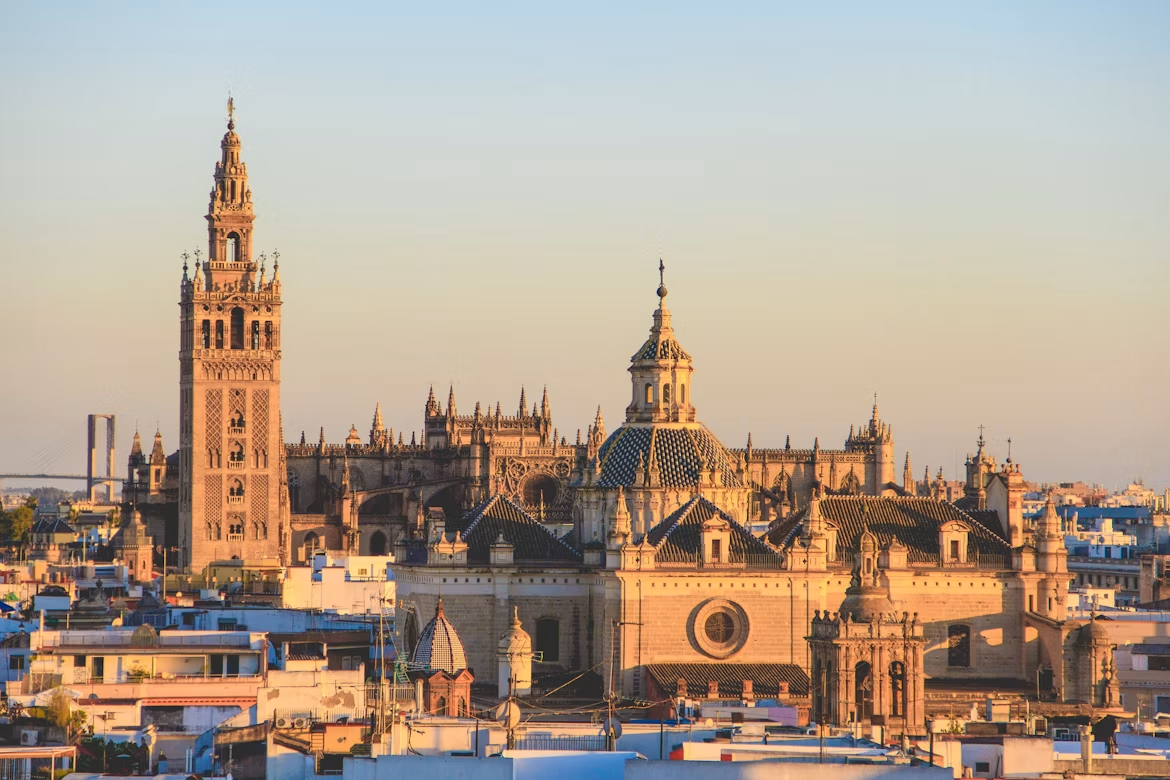
Seville is a city where citrus-lined lanes lead to royal palaces, Spanish sunshine glistens on the Guadalquivir River, flamenco fills colorful tiled courtyards and old tapas joints serve up traditional Andalusian dishes. Steeped in history, culture and beauty, Seville ticks all the boxes for the perfect city break.
Where is Seville? Nestled in the Andalusia region of southern Spain along the Guadalquivir River, it's easy to fall in love with the city, whether you're stumbling upon hidden churches, mingling with locals at street markets or sipping a chilled Vino de Naranja from a rooftop bar.
To help you plan your trip, we've put together everything you need to know about visiting Seville, Spain — from the top Seville attractions to the best things to do in Seville.
Seville attractions range from royal palaces to futuristic architecture, giving the city an impressive line-up of sights. Here are some of the ones you just can't miss:
The Real Alcázar of Seville is arguably the city's most famous attraction – even without its stint on Game of Thrones. A mix of Islamic, Mudéjar, Gothic and Renaissance styles, it's worth a visit for the architecture alone. Ogle at the intricate tilework, explore the decorative courtyards and take a stroll through the gardens with their palm trees and manicured hedges.
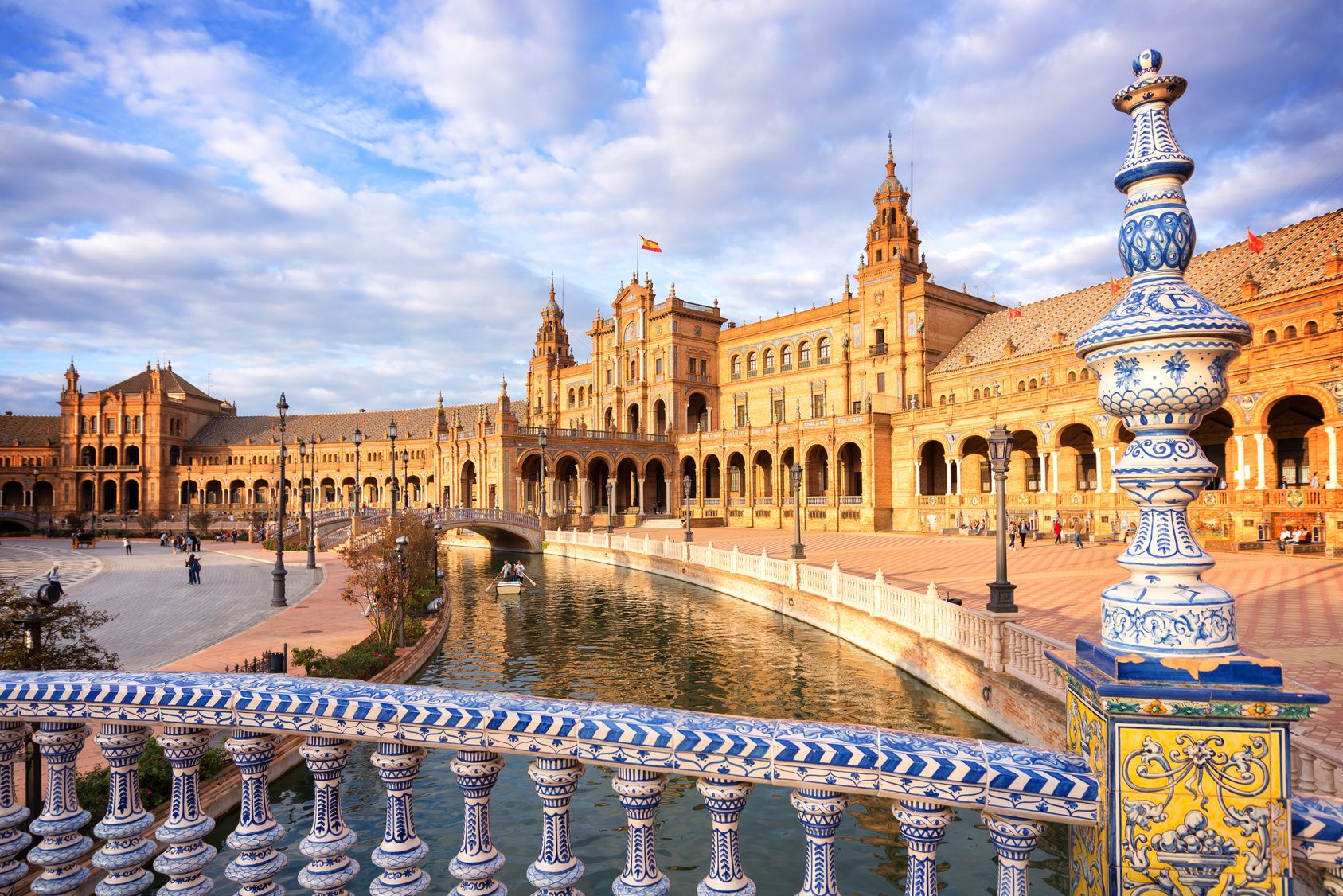
Plaza de España is another of Seville's most iconic attractions, a huge semicircular plaza where spontaneous flamenco performances draw crowds and horse-drawn carriages trot across the sun-drenched paving. It's a stunning square with colorful ceramics and a canal that winds around the grand building. Built for the Ibero-American Exposition in 1929 and designed by Aníbal González, it blends Renaissance Revival and Mudéjar influences.
Admire the tiled alcoves dedicated to Spain's provinces, hop into a little wooden rowing boat and soak up the lively atmosphere as flamenco breaks out.
Afterwards, escape the crowds with a stroll through María Luisa Park, with its colorful benches, ponds and leafy walkways that provide shelter from the sun.
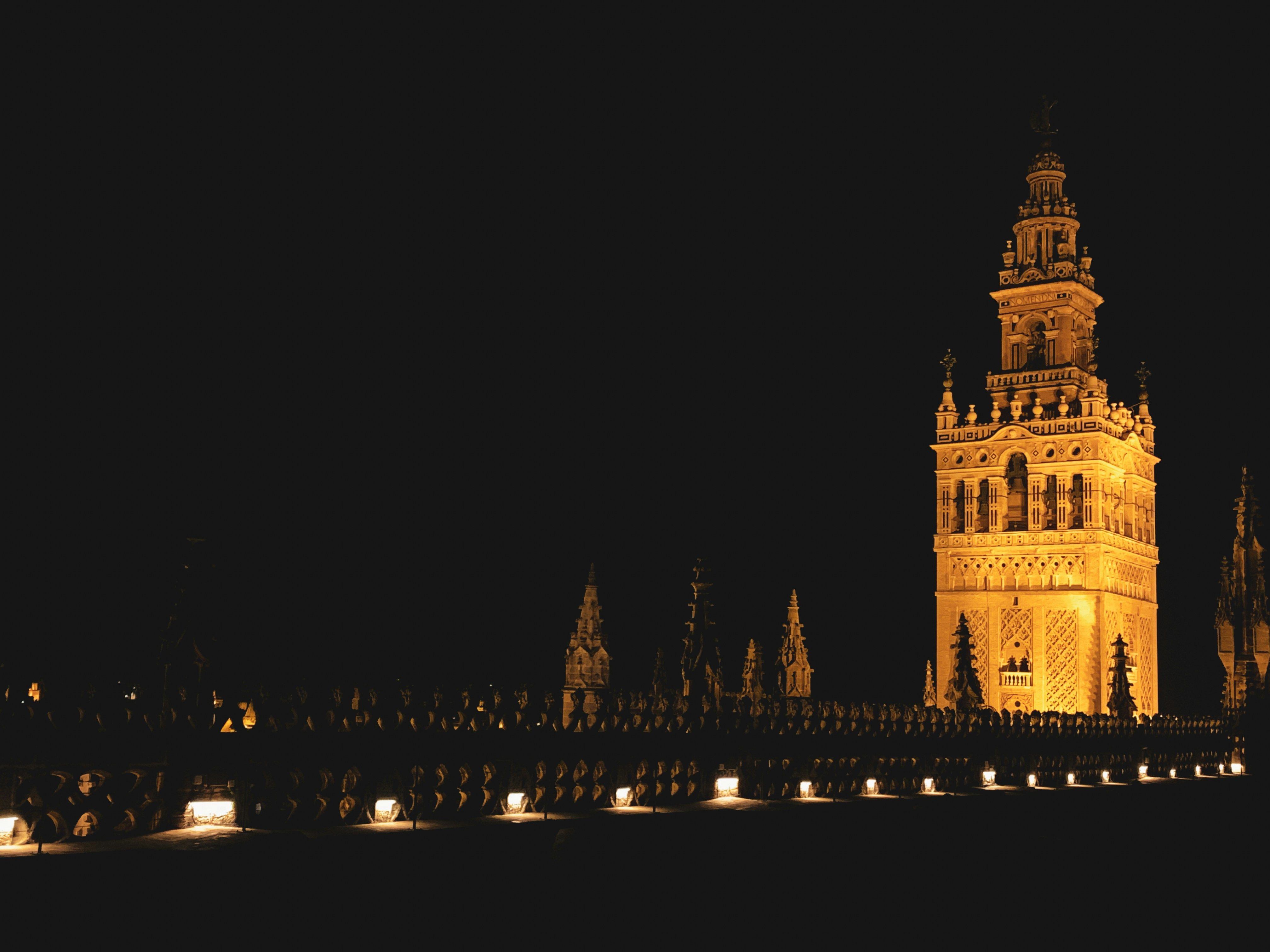
A trip to Seville isn't complete without seeing the largest Gothic cathedral in the world. Although it's impressive on the outside, it's even more impressive inside, with huge vaulted ceilings, chapels and an intricately decorated altarpiece. Visit the tomb of Christopher Columbus and step into the orange tree-filled courtyard, Patio de los Naranjos. Then, head up La Giralda, the cathedral's former minaret. Climb the winding ramps to the top for sweeping panoramic views across the city - it's well worth the effort.
Nestled along the edge of the Guadalquivir River, this 13th-century watchtower was originally built to help defend the city. Nowadays, it houses a small maritime museum and a rooftop terrace with views across the river. It's a good place to stop for a browse before venturing across the water to the neighborhood of Triana.
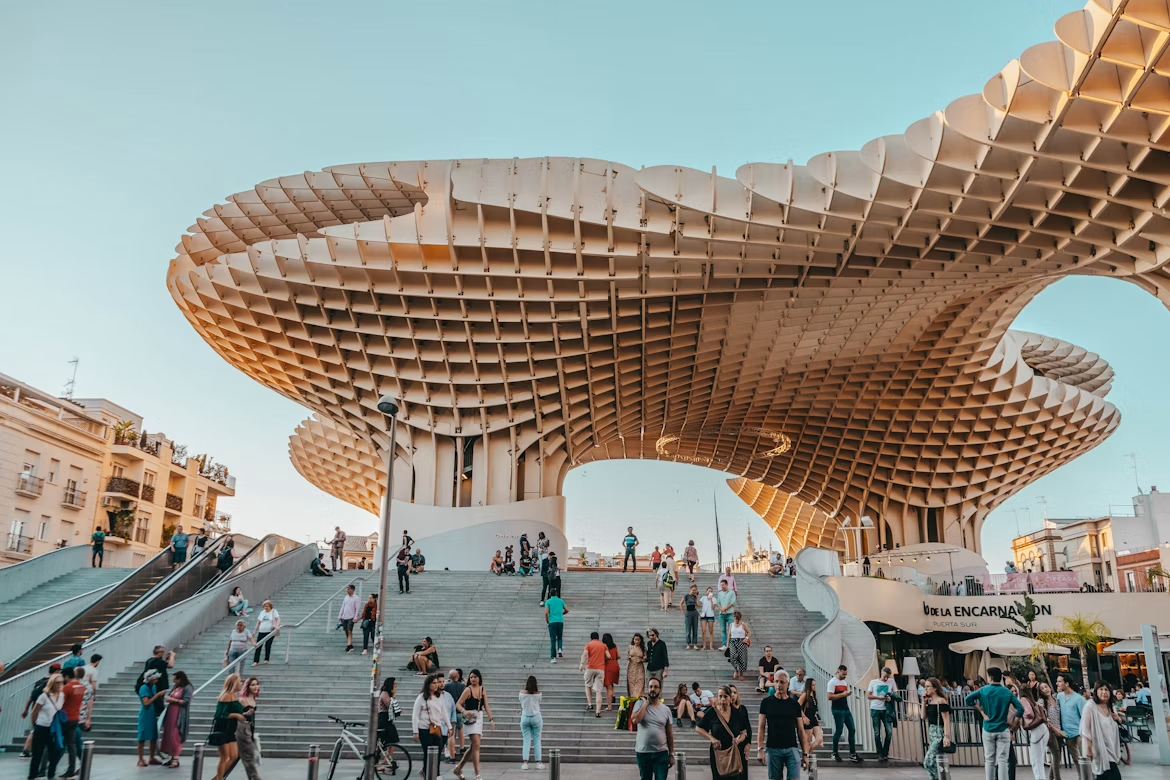
Also known as the Metropol Parasol, this huge mushroom-like landmark feels worlds away from Seville's historical sights. Wander along the walkway and visit the terrace where you can enjoy views across the city's skyline. It's also a great spot to visit in the evening. Not only are there plenty of bars and restaurants nearby, but at night, the Aurora light show illuminates the wooden structure for a magical experience.
Want to explore beyond the main sights? From lesser-known plazas to secret museums, there are a few hidden gems worth checking out too:
With so many stunning palaces, Palacio de la Condesa de Lebrija can be easily missed, but it's well worth adding to your itinerary. Dating back to the 15th and 16th centuries, this elegant historic mansion is now a museum, complete with a beautiful traditional Andalusian courtyard.
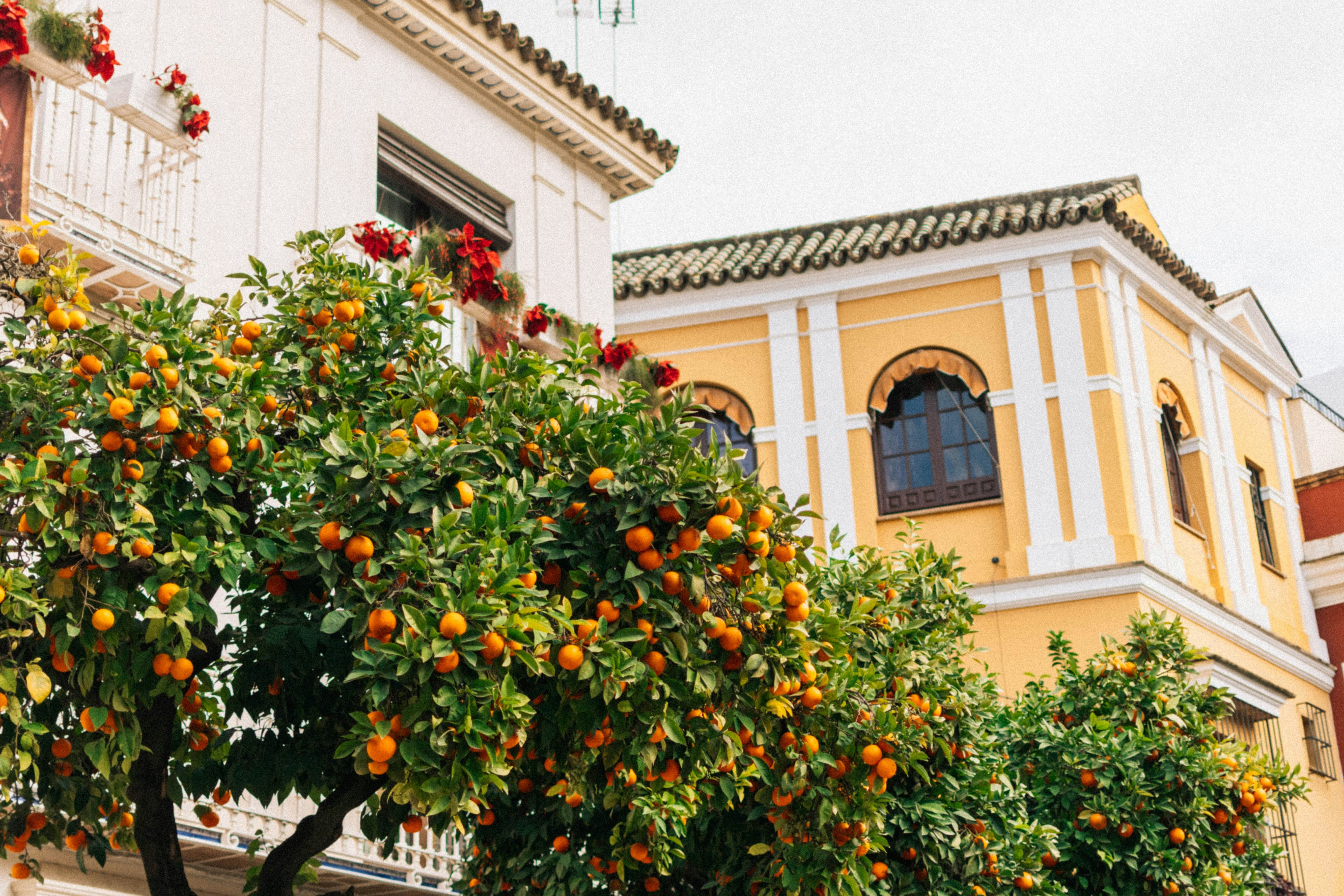
For the best view of the Giralda tower, head to Patio de Banderas, a courtyard tucked away between the Real Alcázar and Barrio Santa Cruz. This charming square is lined with orange trees and traditional architecture and is a great spot to get your bearings and escape the hustle and bustle of the surrounding streets.
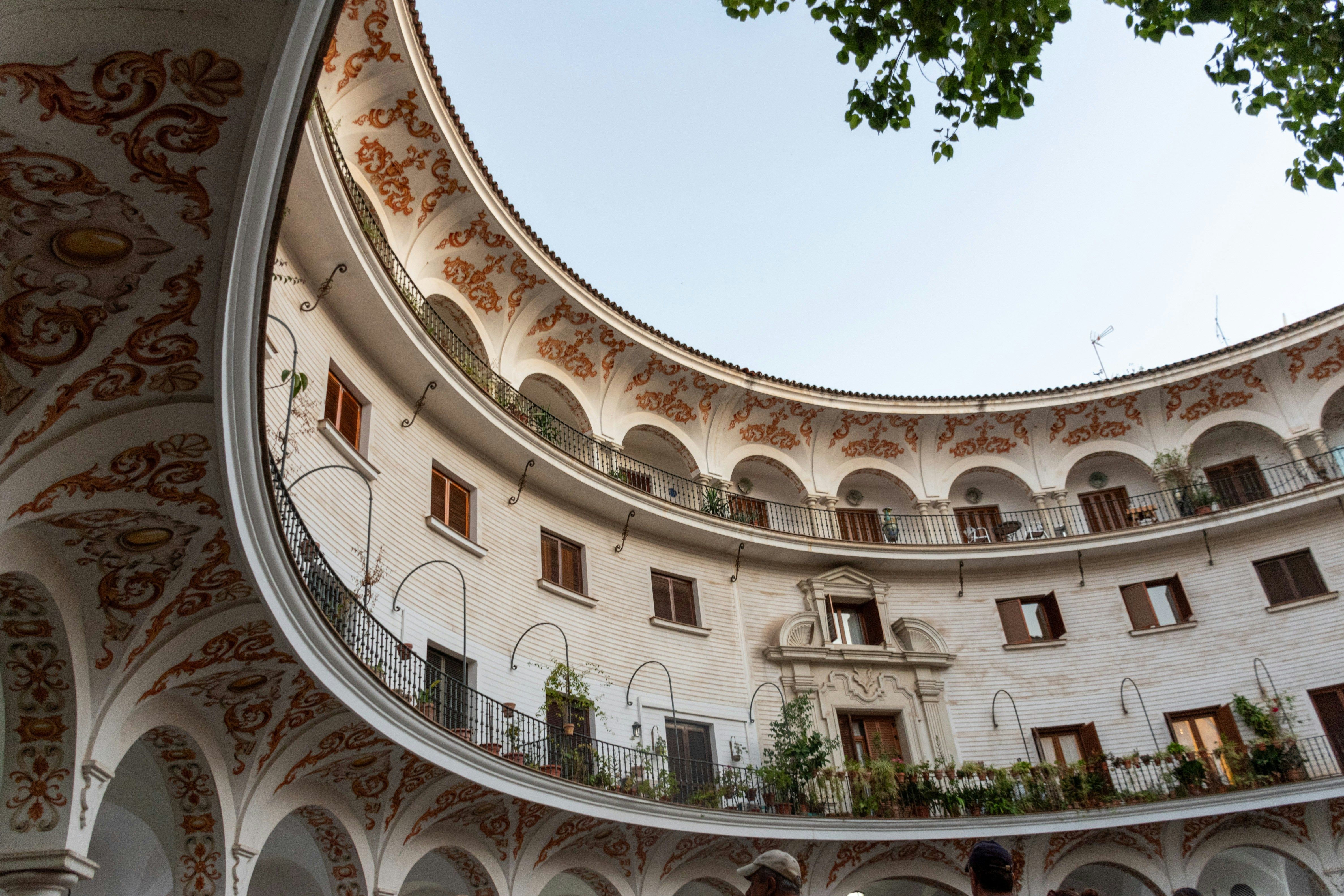
Despite being located just a stone's throw from the cathedral, this beautiful semicircular square is easy to miss. Colorful frescoes cover its arches and it feels surprisingly peaceful for central Seville. Visit on a Sunday morning when the square comes alive with a small collectibles market.
A trip to Seville isn't just about checking off the bucket-list sights. It's also about experiencing the city like a local. Here are some of our favorite things to do in Seville, Spain:
Flamenco in Seville isn't hard to find. In fact, you'll often see street performances in the city's tourist hotspots. But for a more authentic experience, we'd recommend heading to a traditional bar such as La Carbonería, hidden away in the backstreets of Santa Cruz. Grab a drink, find a seat and soak up the lively atmosphere as flamenco fills the room.
Seville is a paradise for those with big appetites, with tapas bars tucked away on practically every street. Our top tip? Try to avoid places close to the main tourist sights as they're often more expensive and not as authentic. Across the river and away from the crowds, Triana is a great neighborhood for tapas, with plenty of lively spots to choose from. Bar Triana or Bar La Corrala are good options, or just take a stroll through the streets and see which mouthwatering menu catches your eye.
Back in the center, Bar Alfalfa is a personal favorite, or if you're interested in visiting one of Seville's oldest tapas bars, head to El Rinconcillo - just be prepared to wait in line.
Along with Spanish classics like jamón ibérico and tortilla de patatas, don't forget to try Andalusia's own specialties. Try solomillo al whisky, a tender pork fillet served in a garlicky whisky sauce; espinacas con garbanzos, a warming, seasoned stew of spinach and chickpeas; and rabo de toro, slow-cooked oxtail braised with red wine and vegetables.
Tip: If you'd rather leave the planning to someone else, you can join a tapas tour and sample some of the city's top spots with a local guide.
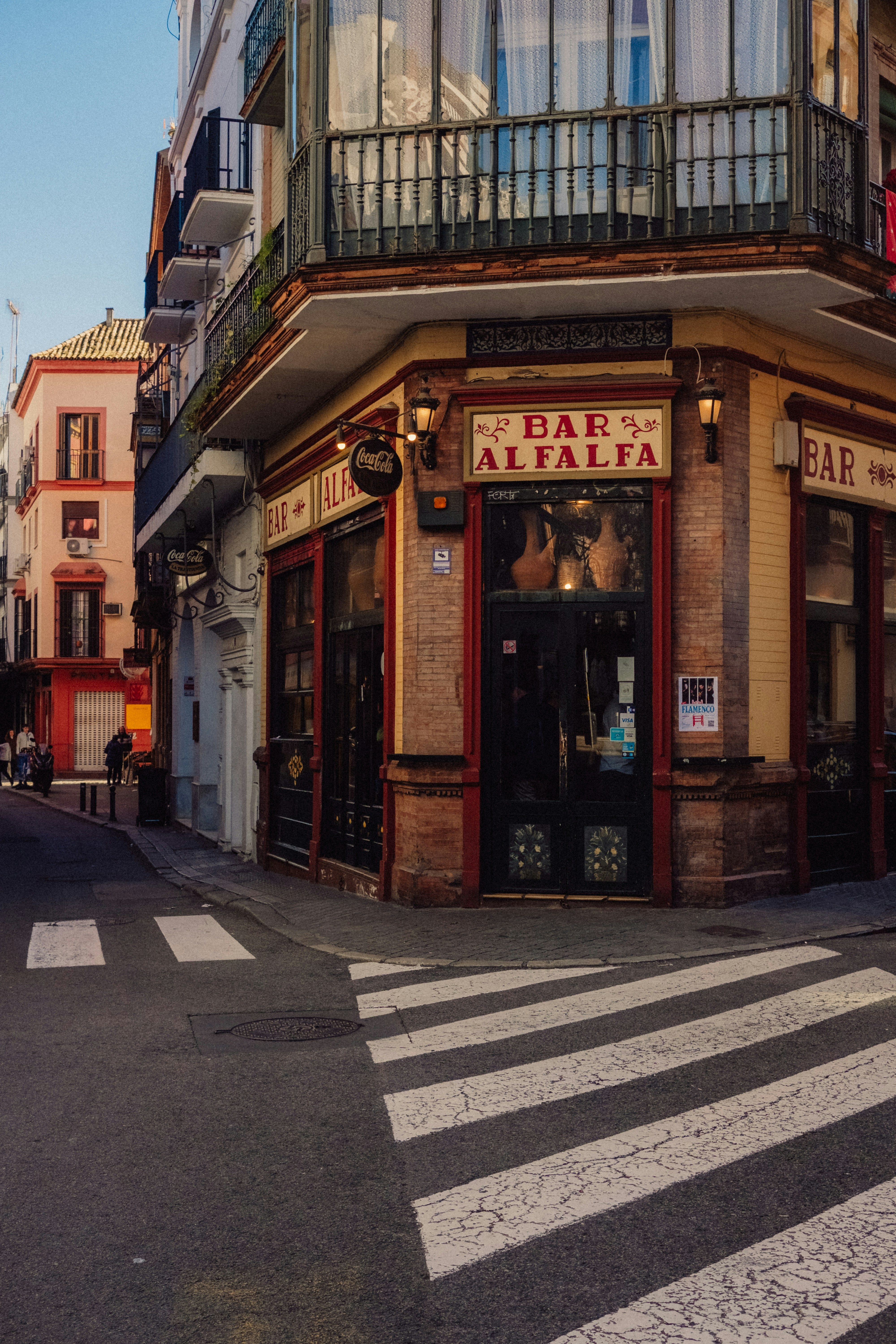
Make sure to leave a few hours free to wander through the old town of Seville, Spain — the historic Barrio Santa Cruz, once the city's Jewish Quarter. This beautiful neighborhood is a maze of shaded, winding lanes that lead to tree-lined squares, while colorful flowers spill over the balconies of traditional Andalusian houses. Avoid the crowds by heading here early in the morning – grab a coffee and get lost in the lanes, or visit in the evening as the tapas bars come alive and streetlights cast a magical glow over the cobblestones.
Make sure you stop by Mercado de Triana, one of Seville's most popular markets. Here you'll find fresh vegetables, meats and fish, along with traditional tapas dishes. Browse the stalls, stop for a bite to eat and soak up the authentic atmosphere.
Other food markets worth stopping by include Mercado de la Calle Feria, Mercado de la Encarnación and Mercado del Arenal. Or for something a little different, head to El Jueves, Seville's oldest open-air flea market. Held each Thursday, its stalls are laden with antiques and quirky bric-a-brac.
Barrio Santa Cruz is one of Seville's most beautiful neighborhoods, but because of its beauty, it can get very busy. If you'd like to escape the crowds, head to the quieter residential area of San Lorenzo, where narrow streets lined with local tapas bars and traditional townhouses offer a more laid-back atmosphere. San Lorenzo is home to a few sights too, from the grand Basílica de Jesús del Gran Poder to the historic Church of San Lorenzo.
We'd recommend visiting in the evening too, when the neighborhood really comes alive, especially around Alameda de Hércules where locals congregate and cafés, restaurants and bars spill out onto the streets.
Seville isn't short on rooftop bars, offering the perfect place for a chilled pre-dinner drink as the sun sets over the city. You've got the more well-known spots like La Terraza del EME with its prime cathedral-facing location and Ático Sevilla with sweeping skyline views, but for a hidden gem, head to the rooftop at Hotel Convento la Gloria – it's the perfect place to avoid the crowds while enjoying a delicious cocktail with a view.
Wondering about the best area to stay in Seville, Spain? Every neighborhood in the city has a slightly different feel, so where you stay really comes down to what you're looking for. Santa Cruz is one of the best places to stay, especially if it's your first time visiting the city and you want everything on your doorstep. Having said that, its popularity means it can be busy, and accommodations can also be a bit pricier.
Alfalfa and Alameda are good choices if you still want a lively atmosphere away from Santa Cruz, while El Arenal is a great option if you want to be close to Seville's main sights without staying in the busiest part of the city. Then there's also neighborhoods like San Lorenzo and Triana which offer a quieter and more laid-back, local feel.
| Neighborhood | Why stay here | Things to consider | Best for |
| Santa Cruz | Charming cobblestone streets, beautiful squares, lively atmosphere, steps from the city's top sights | One of the busiest and most touristy areas, with higher accommodation prices | First-time visitors, sightseeing |
| El Arenal | Central location close to major attractions | Can be lively and pricier especially in peak season | If you want to be close to everything, sightseeing |
| Alfalfa | Vibrant area with lots of shops and restaurants, easy access to Setas de Sevilla and Casa de Pilatos | Can be noisy in the evening depending on where you stay | Food, shopping, nightlife |
| San Lorenzo | Quieter residential neighborhood, more local atmosphere | A little bit further from main attractions but still walkable, more affordable | A more peaceful stay, couples, families |
| Alameda | Creative district with independent cafes, bars and shops | Lively and can be noisy at night | Nightlife, food, younger travelers |
| Triana | Traditional neighborhood with tapas bars, riverside views | Located across the river so further away from main sights, often good value for money | Local atmosphere, food, value |
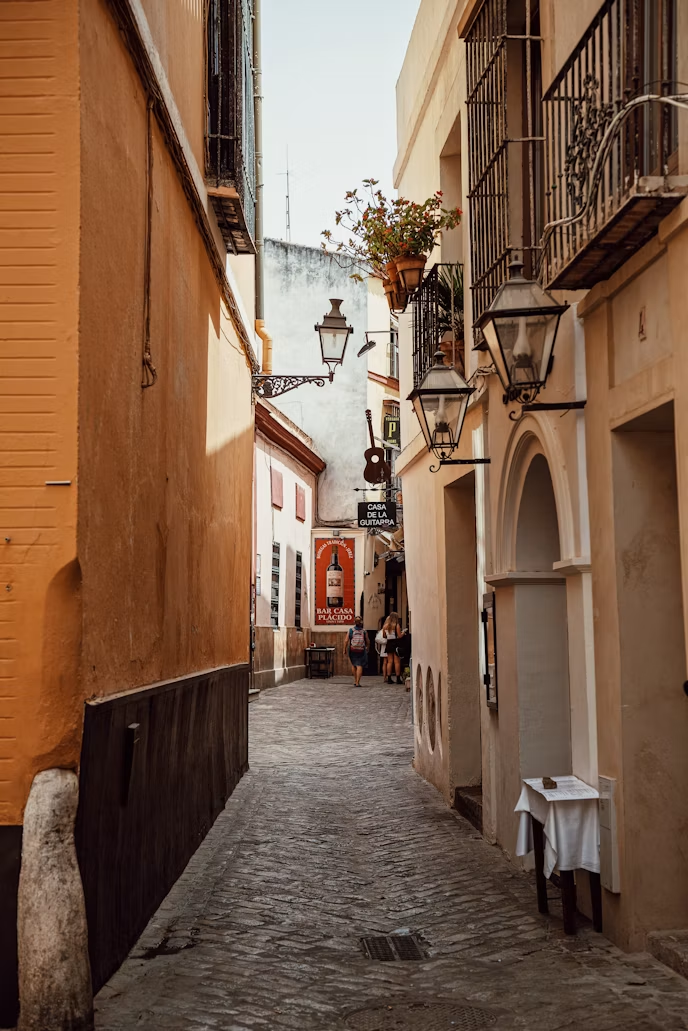
One of the great things about a city break in Seville is that you don't need a car. In fact, it's best to avoid a car altogether, as the city's narrow streets can be hard to navigate and parking is limited.
Instead, walking is the best way to explore Sevilla city. Many streets, especially around Santa Cruz, are pedestrian-only, and most of the main sights are within walking distance of one another. Plus, exploring on foot gives you the chance to really get a feel for the city and stumble upon hidden gems that you might otherwise miss.
Since it's mostly flat with a network of bike lanes, biking is another great way to explore the city. You can rent your own or use the city's SEVici bike-sharing program.
If you're staying further out or feel like exploring a different part of Seville, the city also has a good public transportation network. Buses are an affordable way to get around, connecting the city center with neighborhoods and Seville attractions including Macarena and Isla Mágica. Tickets can be bought on board or from a kiosk. Sightseeing buses are also available, stopping at many of the city's major attractions - a good option if you're short on time.
Seville also has a tram and a metro. The tram connects the center of Seville, running from Plaza Nueva to Avenida de la Constitucíon, while the metro connects the city with areas including Triana, Los Remedios, San Bernardo and Nervión.
Often referred to as one of the hottest cities in Europe, Seville weather is known for its high temperatures, especially in summer. So, unless sightseeing in 95–104°F (35–40°C) heat sounds tempting, we wouldn't recommend visiting in the height of summer.
Instead, spring and fall are the best times to visit Seville, when temperatures are much more comfortable. You can still dine outdoors and spend the day sightseeing without the scorching heat making things unbearable.
If you're visiting in spring, try to time your visit with Easter - it's a huge occasion in Seville with lively parades taking over the streets, making it one of the best European holidays.
It's easy to get to Seville, Spain from the UK, with direct flights available from cities including London, Manchester, Birmingham and Edinburgh.
If you'd prefer a more scenic and relaxing journey, you can also reach Spain from the UK by ferry. Direct ferries run from the south of England to northern Spain, where you can continue your journey south to Seville by car or public transportation.
If you're traveling by ferry to Spain, here are some of your options:
| UK to Spain ferry route | Weekly sailings | Average duration | How long to reach Seville by car/public transportation |
| Portsmouth to Santander | 2 | 33 hours |
|
| Portsmouth to Bilbao | 2 | 33 hours |
|
| Plymouth to Santander | 2 | 21 hours 45 minutes |
|
Want to extend your trip? There are a few ferry ports within easy reach of Sevilla, Spain, making it easy to explore further afield. From Huelva and Cádiz, you can catch ferries to the Canary Islands, while Algeciras offers direct ferry connections from Spain to Morocco.
If you decide to extend your trip into Morocco or Algeria, first read our guide on traveling from Southern Spain to Northern Africa and our Algeria travel guide.
| Port | Distance from Seville | Ferry connections |
| Huelva | 62 miles/1 hour | Santa Cruz de Tenerife, Las Palmas |
| Cádiz | 75 miles/1 hour 20 minutes | Arrecife, Las Palmas, Santa Cruz de La Palma, Santa Cruz de Tenerife, Puerto del Rosario |
| Algeciras | 120 miles/2 hours 30 minutes | Ceuta, Tangier Med |
For more travel inspiration, check out our blog and Instagram.