Traveling to Algeria by Ferry: Everything You Need to Know Before You Go
Route Guides
Route Guides

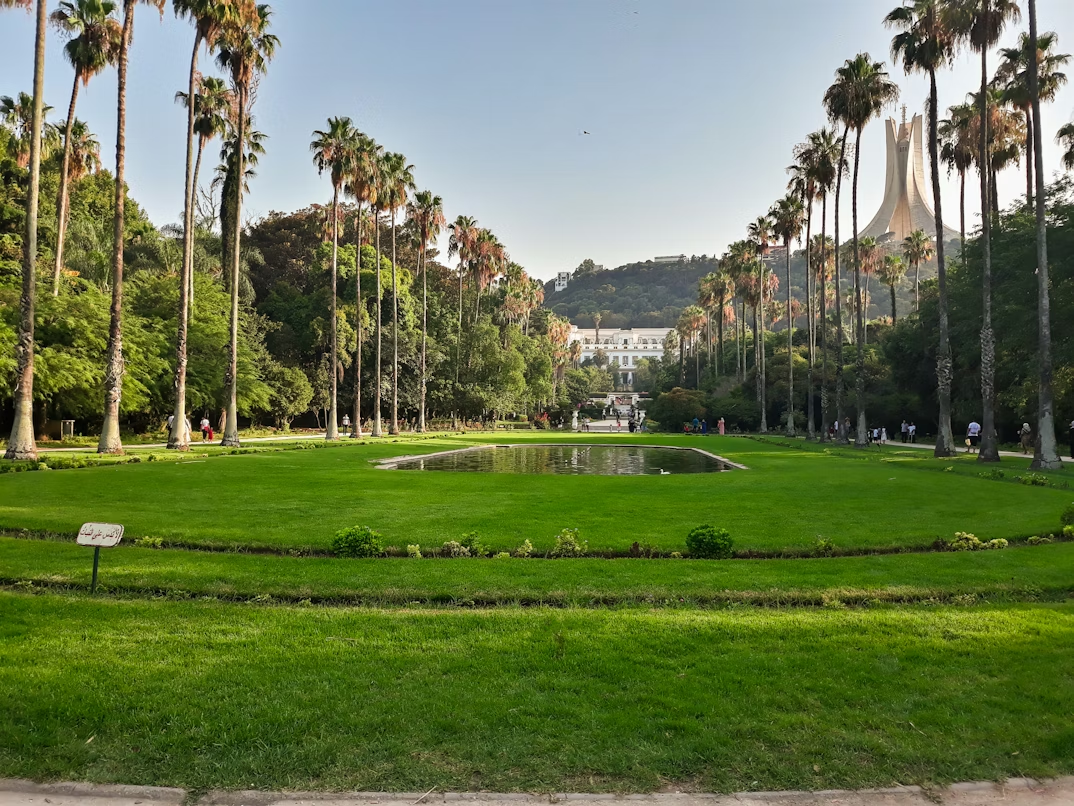
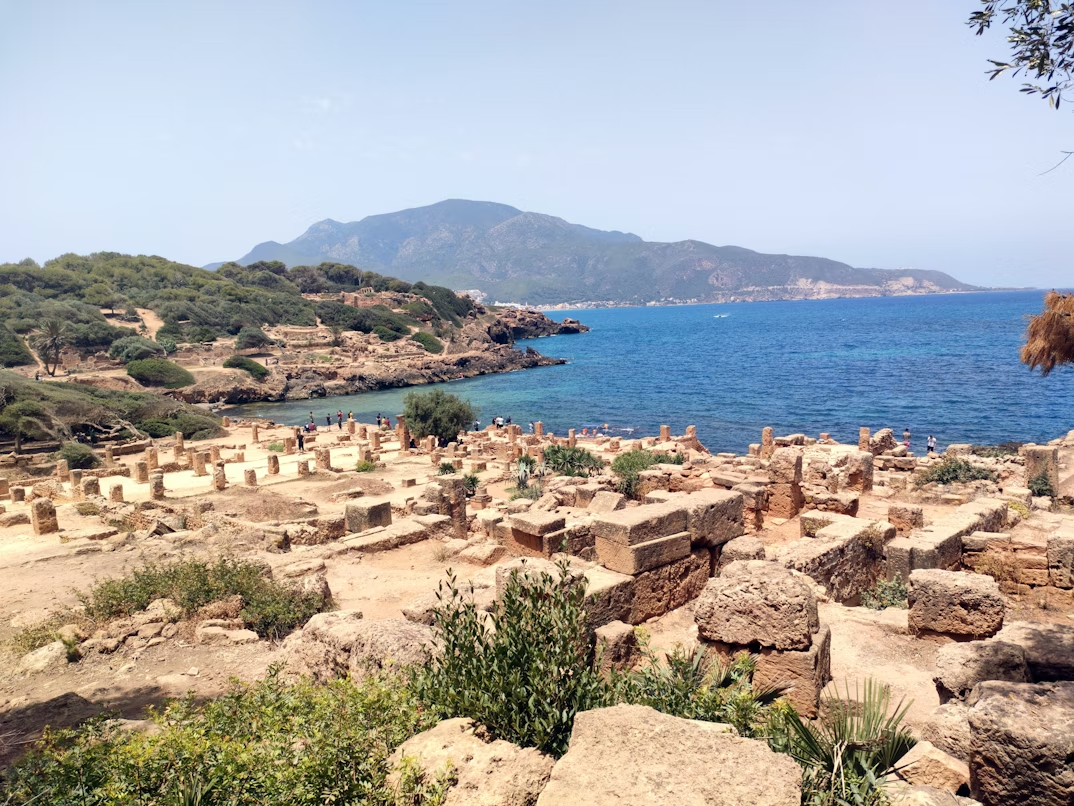
Algeria remains one of the most intriguing and least-visited destinations in North Africa. As the largest country in Africa, it offers remarkable geographic diversity from Mediterranean coastal cities to the endless dunes of the Sahara Desert. Despite its scale and cultural richness, tourism here is still in development, which means those visiting Algeria for the first time are often rewarded with an experience that’s uncrowded and deeply immersive.
Unlike more commercialized destinations, visiting Algeria requires preparation. An Algeria travel guide book or itinerary is essential, especially when it comes to visas, transport, and logistics. Taking the ferry to Algeria adds an extra layer of adventure, providing a slow and atmospheric journey to one of North Africa’s most fascinating countries.
Choosing to arrive by ferry in favor of a plane revolutionizes your journey into part of the adventure. Watching the Algerian coastline appear after a long Mediterranean crossing is an unforgettable introduction. Routes from southern Europe connect directly to major ports like Algiers, Oran and Mostaganem, giving travelers flexibility and the option to bring their own vehicle.
This option is particularly useful when following a longer Algeria travel itinerary, as public transport is not readily available in every part of the country. While the Algeria train map indeed shows a reliable rail network linking northern cities, many historical and desert destinations are better reached by car.
Ferries also allow you to ease into the pace of Algeria — something that can feel abrupt when arriving by air. With crossings lasting up to 40 hours, you have time to rest and plan the journey ahead.
Securing a travel to Algeria visa is one of the most important steps in planning your trip. Algeria does not offer visa-on-arrival for most travelers, meaning you must apply in advance via an Algerian consulate.
The application process can be detailed. Typically, you will require:
Some travelers choose to work with an Algeria travel agency, which can simplify the process by providing invitation letters and ensuring all paperwork meets consular requirements. Please keep in mind that processing times can vary, so applying at least six to eight weeks in advance is strongly recommended.
For anyone visiting Algeria for the first time, patience is key. The process may feel bureaucratic, but once completed, it opens the door to a unique destination that most travelers foolishly overlook.
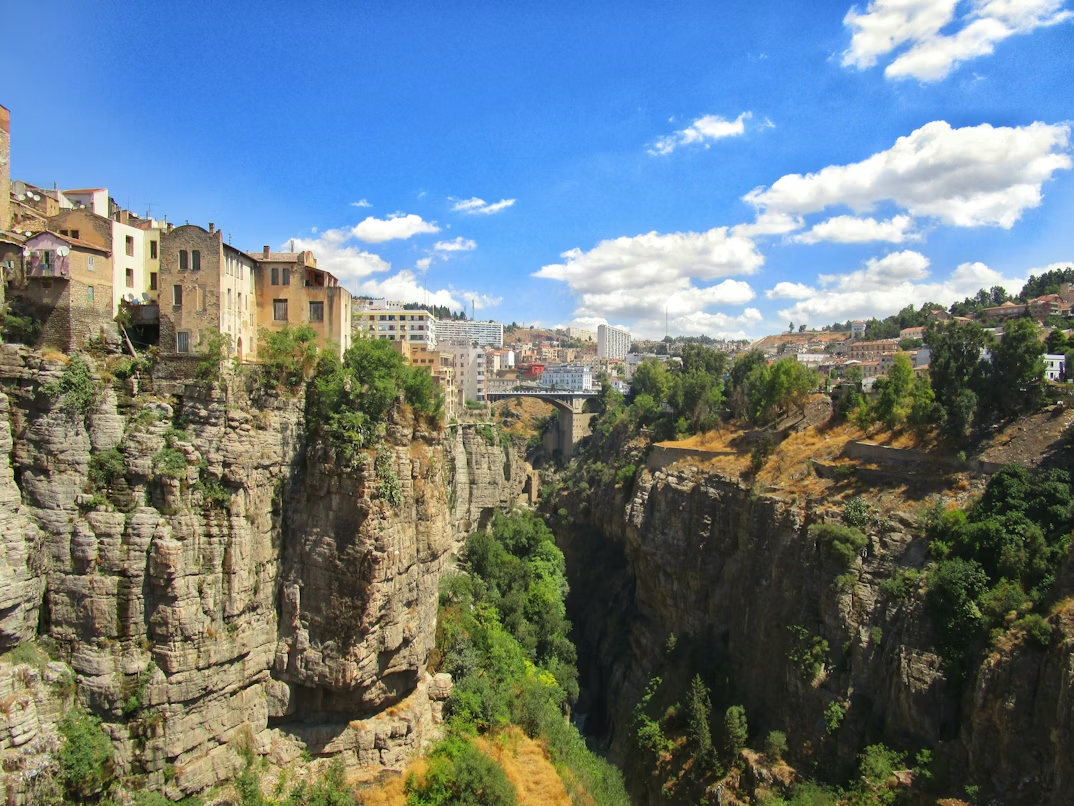
Understanding Algeria tourism safety is essential for planning an enjoyable trip. The country experienced a devastating civil war during the 1990s, a conflict that tragically claimed the lives of approximately 200,000 people. While this history still shapes perceptions, modern Algeria is far more stable than one might think.
The Algerian government has invested heavily in security, particularly in major urban areas and tourist regions. Cities like Algiers, Oran, and Constantine are generally safe, and visitors very rarely encounter serious issues.
However, caution is still advised in remote border regions, especially near Mali, Libya, and Niger. Travelers should always consult official advisories and consider guided travel when venturing into isolated parts of the Sahara Desert.
In day-to-day travel, basic precautions will go a long way in ensuring that you have a safe trip. Dress modestly, respect local customs, and avoid photographing sensitive locations. With awareness and preparation, most travelers find Algeria welcoming and hospitable.
No trip to Algeria should be taken without first getting comprehensive travel insurance. Given the country’s size and varied terrain, access to medical care can noticeably fluctuate between cities and remote regions.
A strong policy should include:
This is particularly important if your Algeria travel itinerary includes desert excursions, trekking, or long-distance road travel. In remote parts of the Sahara Desert, evacuation costs can be extremely high without proper coverage.
Traveling to Algeria by ferry is one of the most scenic ways to arrive in the country. Several regular routes connect southern Europe with Algeria’s main ports, offering travelers the flexibility to bring a vehicle and enjoy a more immersive journey across the Mediterranean. Most ferries to Algeria provide a wide range of onboard amenities, including cabins, dining facilities, and lounges, keeping passengers occupied even on the longer crossings.
Here are some of the most popular crossings to Algeria:
| Route | Operator | Approx. Crossing Time |
|---|---|---|
| Marseille to Algiers Ferry | Corsica Linea | 22 hours |
| Marseille to Bejaia Ferry | Corsica Linea | 22 hours |
| Barcelona to Algiers Ferry | Balearia | 21 hours |
| Almeria to Oran Ferry | Naviera Armas | 12 hours |
| Sete to Bejaia Ferry | GNV / Corsica Linea | 21–24 hours |
A well-planned Algeria itinerary 7 days allows you to experience a cross-section of the country's history, culture, and landscapes. This includes the lively Mediterranean capital to ancient ruins, Berber mountain villages, and the edge of the Sahara Desert.
Explore the Casbah, a UNESCO-listed medina, along with museums and colonial boulevards. The city offers a compelling mix of Ottoman and French influences. Spend your first morning getting oriented in the lower city by walking the Grande Poste area and the tree-lined Rue Didouche Mourad before ascending into the Casbah's maze of whitewashed staircases and Ottoman palaces.
On the second day, visit the Bardo National Museum of Prehistory and Ethnography for context on Algeria's ancient past, then head to the hilltop Notre-Dame d'Afrique basilica for panoramic views over the bay. In the evening, have dinner in the Telemly or Hydra neighborhoods, where you'll find a good mix of traditional Algerian restaurants.
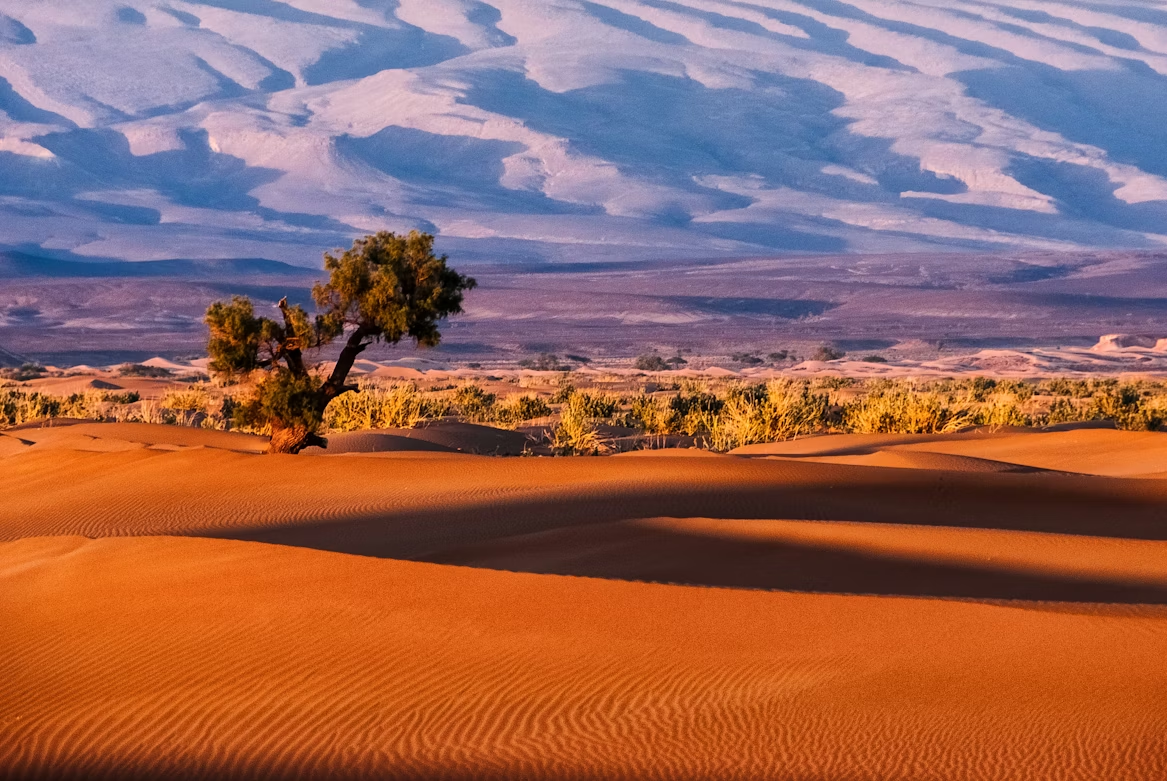
Visit some of the most impressive Roman ruins in North Africa, set dramatically along the coastline. Tipaza is located around 70km west of Algiers and is easily reached by shared taxi or rental car. The archaeological park contains the ruins of a Roman colonial town dating to the 2nd century AD, including a basilica, amphitheater, and necropolis, all sitting directly above the sea. Arrive early to beat the heat and have the site largely to yourself.
Discover Oran's vibrant culture and Spanish architectural influence, then continue to Tlemcen for its rich Islamic heritage. Oran is Algeria's second-largest city and has a distinctly different energy to Algiers. Visit the Santa Cruz fortress overlooking the port, the Grand Mosque, and the lively Place du 1er Novembre. Oran is also the spiritual home of raï music, so if you're there on a weekend evening, check local listings for live performances.
On the fifth day, make the two-hour drive inland to Tlemcen, which is one of the great medieval cities of the entire Maghreb. The Great Mosque of Tlemcen, built in the 12th century, is a masterpiece of Almoravid architecture. Don't miss the ruins of Mansoura, a ghost city of minarets and crumbling walls on the outskirts of town, or the Beni Mester reservoir for a quiet late-afternoon walk.
Experience mountainous landscapes and scenic coastal views in one of Algeria's most beautiful regions. This day involves a significant drive back east — five to six hours from Tlemcen to Béjaïa, passing through or near Algiers — so consider breaking up the journey or using the train to Algiers and hiring a car onward.
The Kabylie region is the heartland of Algeria's Amazigh (Berber) population, and the landscape is dramatic: dense cedar forests, terraced hillside villages, and rocky peaks dropping down to turquoise Mediterranean bays. If you can, detour through the Gorges de Kherrata, a breathtaking mountain canyon carved by the Soummam River.
Explore the M'Zab Valley or extend your journey deeper into the Sahara Desert for a truly special experience. Ghardaïa is around 600km south of Algiers and is best reached by domestic flight or an overnight drive. If you've planned ahead and are flying out from a southern hub, this is a magnificent final day. The M'Zab Valley is a UNESCO World Heritage Site and home to the Mozabite Berber community, whose five fortified medieval towns have remained largely unchanged for a thousand years.
Guided tours are required to enter certain areas, and local guides are available through guesthouses in Ghardaïa town. For those extending into the desert, the oasis town of Tamanrasset serves as the gateway to the Ahaggar Mountains and the Hoggar plateau, one of the most ethereal landscapes on the planet. Stargazing here, far from any light pollution, is an experience that stays with you for life.
This extensive Algeria travel itinerary can be tweaked depending on your interests, time, and access to transport. Travelers with time to spare are encouraged to add at least three to four extra days to do justice to the south, or to slow down in the north and spend longer in the Kabylie highlands.
SIM Card:
Getting a local SIM card is highly recommended. Providers offer affordable data plans, making navigation and communication much easier. Coverage is strong in cities but limited in desert regions.
Cash:
Algeria is largely a cash-based economy. Bring euros to exchange at official locations, as international cards may not always work reliably.
Transport:
The Algeria train map highlights reliable connections between major northern cities. For rural or desert areas, shared taxis or private drivers are often necessary.
Language:
Arabic and Tamazight are official languages, while French is widely spoken and extremely useful for travelers.
To make sure you have everything you need before you travel, it's worth visiting our travel documents help page. If you still have further questions regarding your ferry booking, you can contact us directly.
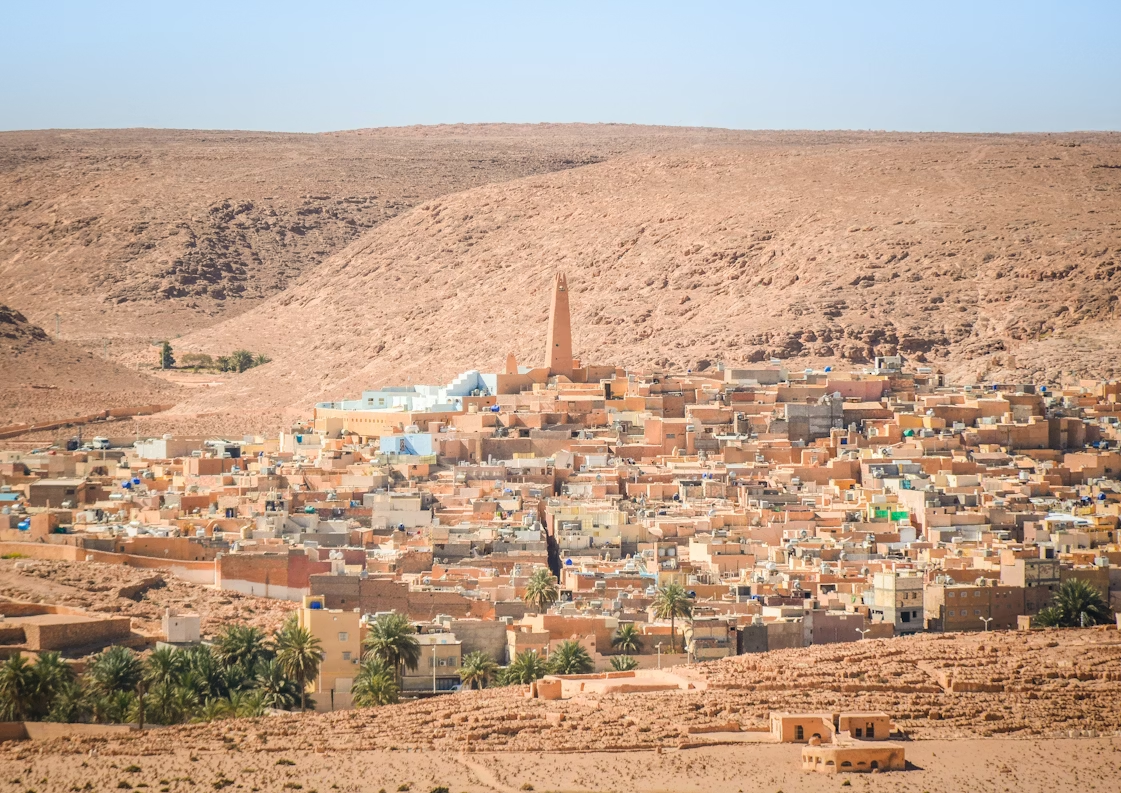
For those willing to plan ahead, visiting Algeria offers an experience unlike anywhere else in North Africa. From ancient Roman ruins to the vast beauty of the Sahara Desert, the country rewards curiosity.
Wherever you are traveling from, book your ferry to Algeria today with Direct Ferries and enjoy the trip of a lifetime.