Traveling from Southern Spain to North Africa by Ferry
Route Guides
Route Guides


Just 14 kilometers stands between Spain and North Africa and crossing them may be the most transformative travel experience Europe has to offer. The journey from southern Spain to Morocco by ferry is where two continents meet. Sun-bleached Andalusian coastlines give way to the labyrinthine medinas of Tangier and the imperial grandeur of Fes and Marrakech.
Whether you're planning a day trip from Tarifa, a weekend escape from Algeciras to Ceuta, or an extended Morocco travel itinerary that takes you deep into the Sahara, the ferry crossing over the Strait of Gibraltar is the best way to start your adventure to North Africa.
This guide explores everything you need to know about ferry travel, including ferry routes, popular destinations, and essential tips. It also covers common questions travelers have when planning a 2 day trip to Morocco from Spain or a longer journey.
Southern Spain is without doubt one of the most convenient gateways between Europe and Africa. The region, especially around Tarifa and Algeciras, gives travelers a unique opportunity to cross continents in less than an hour. Unlike transcontinental journeys requiring weeks of planning, the Spain to Morocco ferry route is known for its effortless simplicity.
And the geography couldn't be more in your favor. The shortest distance between Spain and Morocco spans just 14 kilometers at the narrowest point of the Strait of Gibraltar, making it one of the most easy crossings on the planet. That thin stretch of water is precisely what makes spontaneous travel to Morocco so popular.
But maybe the most compelling reason to favor the Spain to Morocco ferry over a direct flight is the journey itself. Wave goodbye to sterile departure lounges and endless security queues. On the water, the experience unfolds at its own pace: panoramic views of the Strait of Gibraltar, the thrill of watching the African coastline sharpen on the horizon, and if you're lucky, dolphins riding the bow wave as two continents appear into view.

When examining a Spain to Morocco map, it becomes clear how strategically positioned southern Spain is. Several ports offer direct connections to North Africa, each with its own advantages depending on your travel plans.
The main departure ports from Spain include Tarifa, Algeciras, and Malaga. On the Moroccan side, Tangier and Tangier Med are the primary arrival ports. These routes are serviced frequently, especially during peak travel seasons.
While there is no Spain to Morocco train connecting the continents, the ferry system effectively bridges this gap. Travelers can easily reach southern Spain via a high-speed Renfe train from Madrid to Seville or a regional service down to Algeciras, then continue their journey by sea.
| Ferry Route | Average Crossing Time | Operators | Weekly Sailings |
|---|---|---|---|
| Tarifa to Tangier Ferry (Tangier Ville) | ~1 hour | Balearia, Africa Morocco Link (AML) | Approx. 40–56 sailings per week (6–8 daily) |
| Algeciras to Tangier Med Ferry | ~1 hour 30 minutes | FRS/Naviera Armas, Balearia, AML | Approx. 60–70+ sailings per week (9–10 daily) |
| Algeciras to Ceuta Ferry | ~1 hour | Balearia, Naviera Armas, FRS | Approx. 70+ sailings per week (10+ daily) |
Each route provides flexibility, making it easy to tailor your journey based on schedule, budget, and destination preferences. Please note that the number of weekly sailings can vary depending on seasonality, with more available in the high season.
Morocco is not just a destination, it's an entire world unto itself. The country has a diverse range of experiences catered for every type of traveler. Here's a closer look at the best places to visit in Morocco after stepping off the ferry.
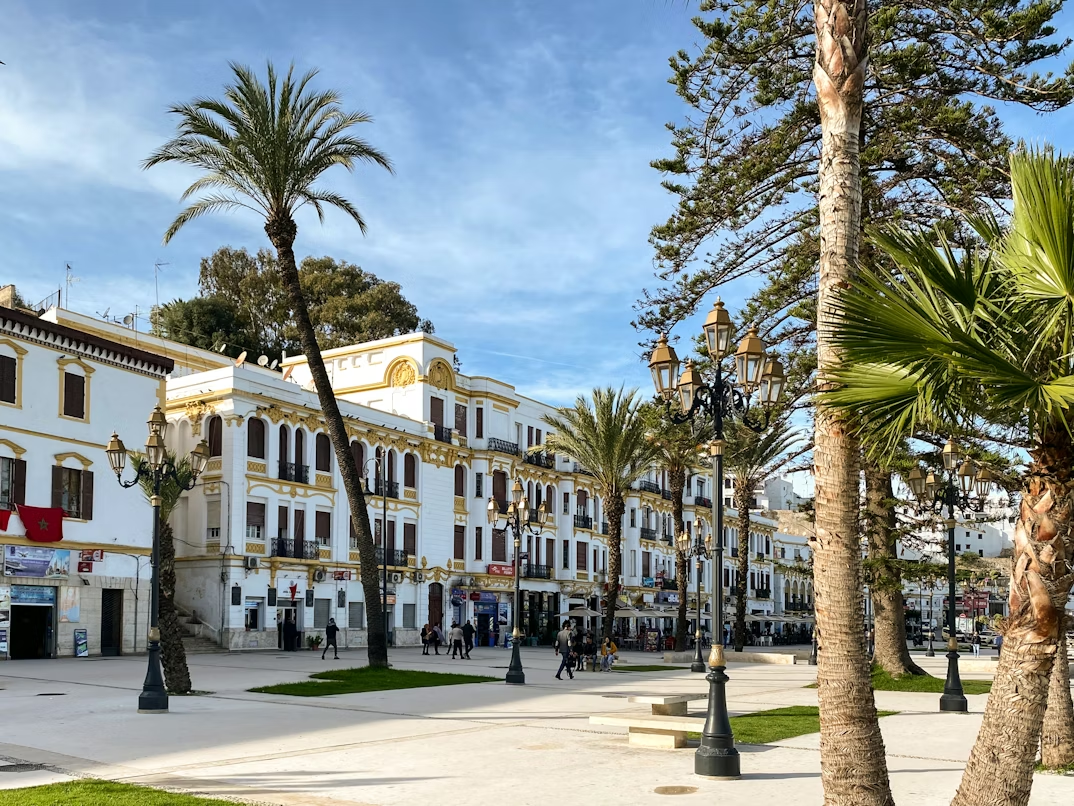
Tangier: For those arriving by ferry, Tangier is the natural first stop in Morocco. Located at the northern tip of the country where the Atlantic meets the Mediterranean, the city carries centuries of international intrigue. Explore the winding lanes of the Tangier Medina, visit the stunning Kasbah Museum overlooking the strait, and linger over mint tea in the Grand Socco.
Chefchaouen: Situated approximately three hours south of Tangier by road, Chefchaouen is one of the most photographed destinations in Morocco, and for good reason. Draped across the foothills of the Rif Mountains, its old medina is famously painted in layered shades of blue and white, creating an almost ethereal streetscape.
Fes: If Tangier is Morocco's introduction, Fes is its beating heart. Home to a UNESCO-listed medina so vast that it’s easy to get lost, Fes deserves at least 2 days of your travel itinerary. Don't miss the Chouara Tannery, one of the oldest leather tanneries on earth, best viewed from the surrounding leather shop terraces.
Casablanca: The largest city in Morocco and commercial capital is often bypassed by tourists, which means those who do visit get a more authentic experience. Casablanca is home to the awe-inspiring Hassan II Mosque, one of the largest mosques in the world, built dramatically over the Atlantic Ocean with a retractable roof and a laser beam that points toward Mecca.
Marrakech: Situated further afield yet arguably Morocco's most iconic destination, Marrakech is approximately five hours from Tangier by train or car. The Djemaa el-Fna square pulses with musicians and food stalls from dusk until midnight. Nearby, the Majorelle Garden, Bahia Palace, and the labyrinthine souks of the Medina also deserve a place on your itinerary.
For shorter stays, Tangier remains the most practical and rewarding destination. Not only is Tangier easily reached by ferry from Spain but its main attractions are all within walking distance of one another.
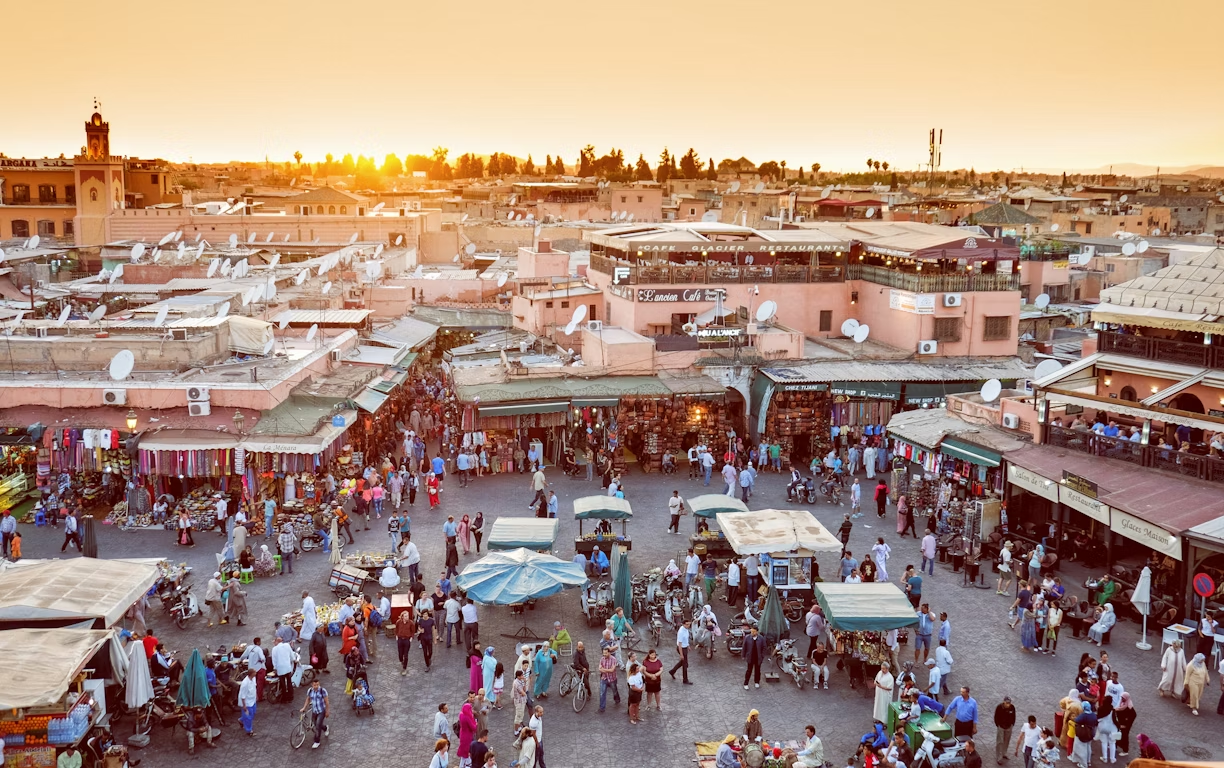
A 2 day trip to Morocco from Spain is one of the most popular travel experiences in Europe. With efficient ferry connections, it’s entirely possible to immerse yourself in Moroccan culture over a single weekend.
Day 1: Depart early on the ferry from Tarifa and arrive in Tangier. Spend the day exploring the medina, visiting the Kasbah, and enjoying traditional Moroccan cuisine.
Day 2: Take a guided excursion or explore more of Tangier’s coastal attractions. Return to Spain in the evening.
This itinerary works best when using the ferry from Tarifa due to its speed and convenience.
The Strait of Gibraltar is one of the most fascinating geographical features in the world. The distance between Morocco and Spain by sea varies depending on the route, but the Tarifa–Tangier crossing represents the shortest distance from Morocco to Spain.
This narrow passage connects the Atlantic Ocean to the Mediterranean Sea and has been a vital trade and travel route for many centuries. Looking at a Spain to Morocco map highlights just how close the two continents are.
Irrespective of the short distance, the cultural shift is profound. Within an hour, travelers find themselves in a new world altogether, moving from the familiar landscapes of southern Spain to the vibrant and distinct atmosphere of North Africa.
Choosing between ferry travel and a Spain to Morocco flight all depends on your priorities.
Although there is no Spain to Morocco train, Morocco itself has a well-developed rail system. The ONCF railway system is the spine of intercity travel in Morocco. The flagship Al Boraq high-speed train connects Tangier to Casablanca in just over two hours, calling at Asilah, Kénitra, and Rabat along the way. From Casablanca, onward connections stop at Marrakech, Fes, and Oujda, making it entirely possible to arrive by ferry in the morning and reach Marrakech by evening.
For destinations that are not accessible by rail, Morocco's long-distance bus network picks up the slack. CTM and Supratours are the two most popular operators, providing air-conditioned coaches with regular schedules to virtually every corner of the country, including the Rif Mountains, Chefchaouen, Essaouira, and Agadir. This is a great option for travelers on a tight budget.
Morocco has a two-tier taxi system that's worth understanding before you set off. Petit taxis cover short journeys within cities. These are metered, color-coded by city, and perfect for hopping between neighborhoods. Grand taxis operate fixed intercity routes, departing when they reach full capacity rather than on a schedule, and is a preferred mode of transport among locals for medium-distance travel.
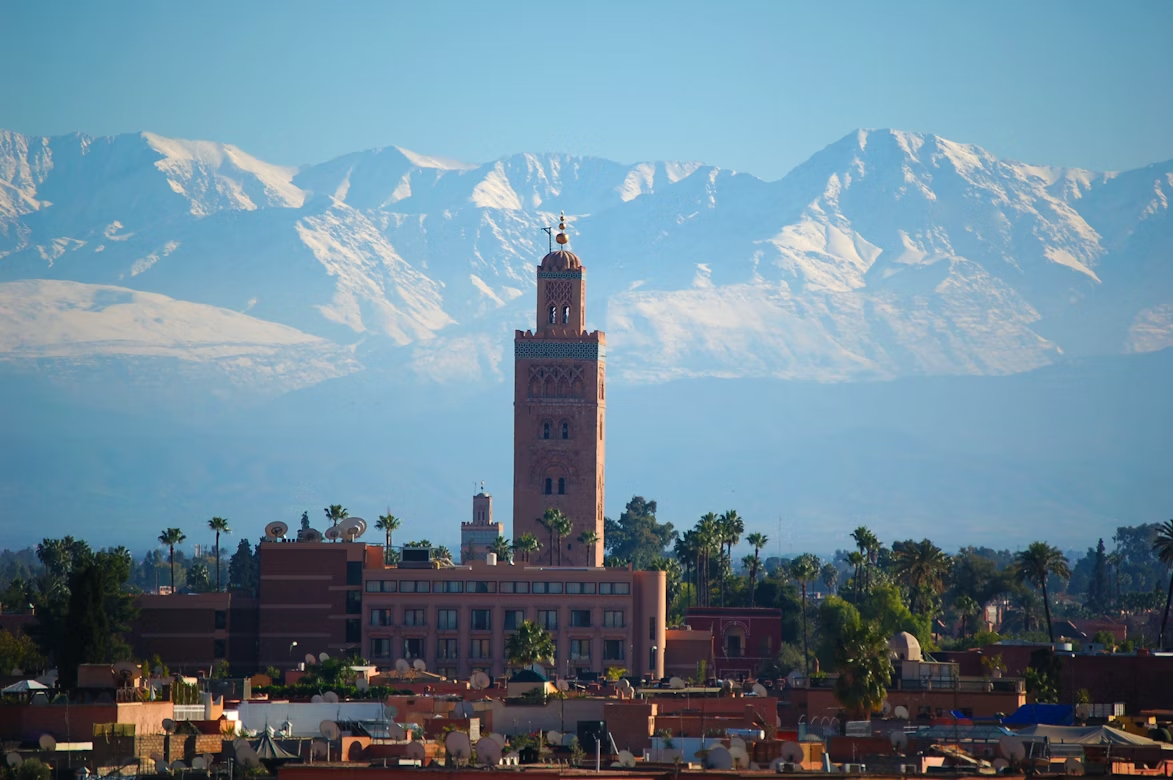
The best time for visiting Morocco is during spring and autumn, when temperatures are mild and comfortable, ranging between 17°C and 24°C in Tangier and the northern coast. The inland cities like Fes and Marrakech experience daytime highs of 20°C to 28°C, warm enough for light clothing yet cool enough for hours of comfortable sightseeing on foot.
Summer in Morocco is not for the faint of heart, especially if you travel inland. Marrakech and the pre-Saharan south frequently experience temperatures rising to 38°C to 45°C in July and August, making midday exploration very difficult. The coastal cities of Tangier, Essaouira, and Agadir fare much better as they benefit from Atlantic breezes that keep temperatures between 24°C and 30°C.
No, there is currently no train connection from Spain to Morocco. Although Spain has an extensive high-speed rail network and Morocco also operates modern trains, including high-speed services between major cities, there is no direct rail link connecting the two continents. Travelers typically take a train to southern Spain to either Algeciras or Tarifa and then proceed onwards by ferry across the Strait of Gibraltar.
The best way to travel from Spain to Morocco all depends on your travel itinerary, though for most travelers, ferries from southern Spain are the preferred choice of transport. Routes like the ferry from Tarifa to Tangier are fast (around one hour), arrive in central locations, and offer a scenic experience. Ferries are especially ideal for short trips, flexible schedules, and travelers bringing luggage or vehicles. Flights can be more suitable if you're traveling long distances within Morocco, such as directly to Marrakech or Agadir.
Travel time varies depending on the route and mode of transport. Ferry crossings can take as little as one hour on the Tarifa–Tangier route, while routes like Algeciras to Tangier Med typically take around 1 to 1.5 hours. If you choose to fly, the flight itself usually takes 1–2 hours, but additional time for airport check-in, security, and transfers should be considered. Overall, ferry travel is often just as time-efficient when factoring in total journey time.
Visa requirements depend on your nationality. Travelers arriving from the EU, UK, and the US can enter Morocco without a visa for stays of up to 90 days. However, you must have a valid passport with sufficient remaining validity. Always check the latest entry requirements before traveling, as regulations can change.
Yes, it is certainly possible to take a day trip from southern Spain to Morocco, particularly from Tarifa to Tangier. With ferry crossings taking around one hour and multiple daily departures, travelers can spend several hours exploring Tangier before returning the same day. However, many visitors prefer to stay overnight or do a weekend trip to make their journey worthwhile.
The most affordable way to travel is usually by ferry from ports like Algeciras, which often have competitive pricing and frequent departures. Booking in advance and traveling during off-peak seasons can help reduce costs further. Flights can sometimes be cheap with budget airlines, but additional fees for luggage and transfers may increase the overall price.

Ready to experience the magic of crossing from southern Spain to North Africa? With short journey times, frequent departures and stunning views from the outer deck, there’s never been a better time to book your ferry and start your adventure.
Whether you're planning a quick 2 day trip to Morocco from Spain or a longer cultural escape, book your ferry tickets today and enjoy a seamless journey between two continents.