The Best Winter Holidays on the Coast of Spain
Things to do
Things to do


If you are one of those people who need their dose of vitamin D all year round, then look no further than coastal Spain. Whether you're looking for travel guides to plan the perfect escape or simply dreaming of trading a heavy coat for a swimsuit, Spain in winter is full of surprises. From peaceful beaches and charming fishing villages to dramatic volcanic landscapes and sun-drenched promenades, these destinations are the perfect way to spend your winter this year.
In this article, we bring you a selection of the warmest and most pleasant holiday destinations to visit during the winter months in Spain. These are ideal spots for anyone seeking mild temperatures, some of the best beaches in Spain, and a more relaxed pace of life far from the chaos of high season.
The Canary Islands are Europe's favourite refuge for sunshine during the cooler months, and for good reason. With average mild temperatures ranging between 20 and 25 degrees, it genuinely feels like summer never ends — making this one of the most sought-after destinations featured in any list of spain in winter best places to visit. Each island has its own unique character, offering a wealth of experiences for every kind of traveller.
Tenerife offers the dramatic presence of Mount Teide — Spain's highest peak and one of the world's largest volcanoes — alongside striking black sand beaches that are unlike anything else in Europe. Gran Canaria is a remarkable contrast of golden dunes, rugged mountains, and cosmopolitan resorts, with some of the best beaches in Spain found along its southern coastline.
Lanzarote captivates with its otherworldly volcanic landscapes and extraordinary natural park at Timanfaya, while La Palma is a paradise for hikers, stargazers, and those who want to explore breathtaking scenery well away from the tourist trail. The islands are also excellent destinations for wine tastings, with a proud winemaking tradition shaped by centuries of volcanic soil and Atlantic breezes.
Traveling between the islands is easy courtesy of an excellent ferry network, with convenient sailings from mainland ports such as Cadiz and Huelva. Choosing the Canary Islands as your winter destination means swapping the grey chill of northern Europe for the warmth of the Atlantic sun, and enjoying the relaxed pace of a ferry journey along the way.

There's never a bad time to visit the Balearic Islands, but the winter months offer a genuinely different and often more rewarding experience than the frantic high season. Mallorca is a cultural paradise, where you can wander through the historic streets of Palma, hike the spectacular trails of the Serra de Tramuntana natural park, or explore idyllic villages like Valldemossa and Deià at a beautifully unhurried pace.
The island also has a surprisingly rich food and drink scene, with wine tastings at local bodegas offering a wonderful way to spend a cooler winter afternoon. Menorca is much the same, with its unspoiled coastline and secluded coves where you will find yourself with all the privacy in the world. Ibiza, far from its summer bustle, becomes a haven of gastronomy and rural charm, with routes that lead you through peaceful countryside and traditional towns.
Reaching the islands is easy with regular ferry connections from Barcelona, Valencia, and Denia. You can even bring your car to explore them at your own pace. Prices drop significantly outside the high season, making winter a perfect time to enjoy these iconic Mediterranean holiday destinations without the crowds.
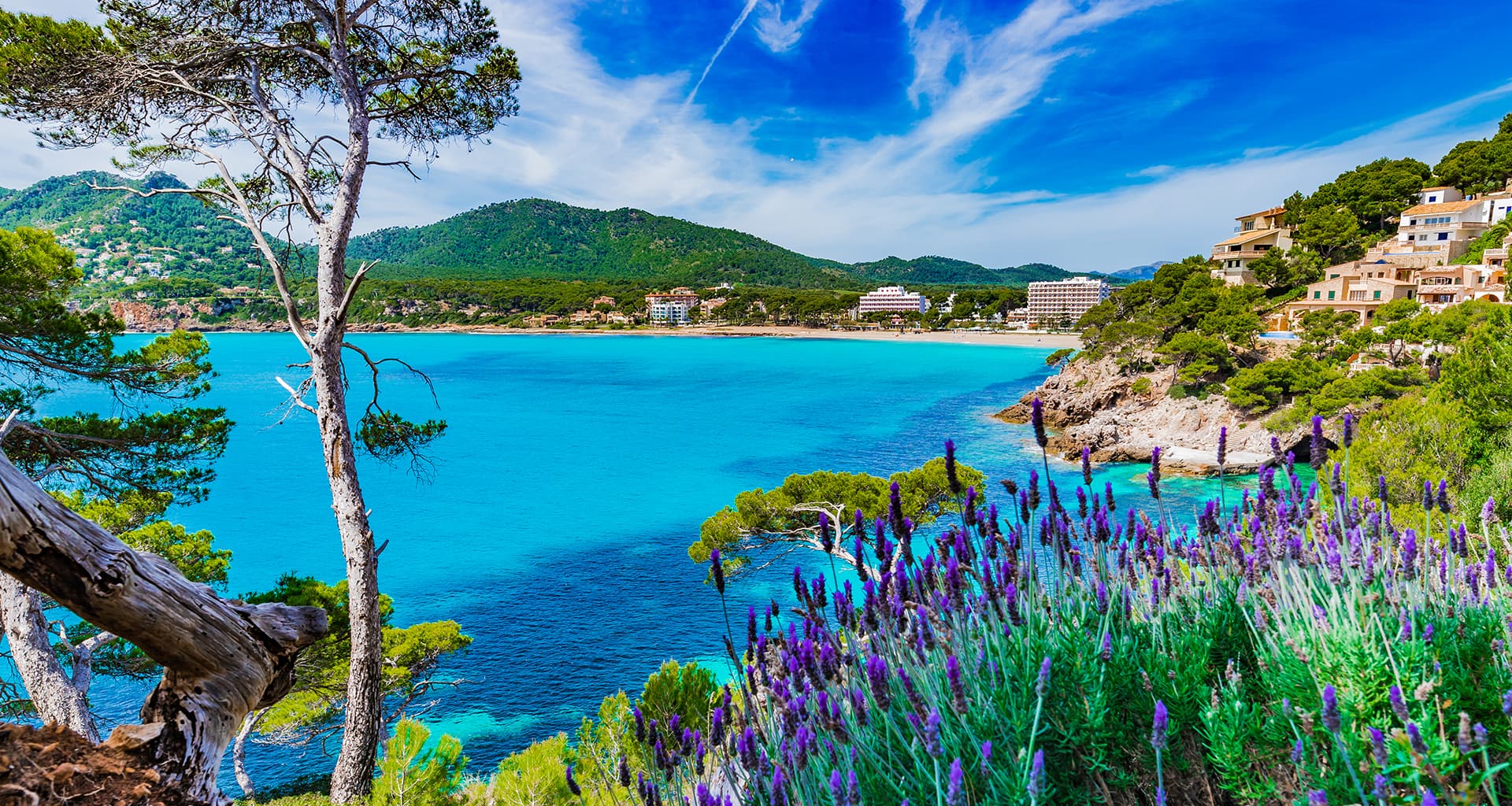
During the winter months, the Costa de Almería is a place where sunshine and tranquility come together in the most rewarding way. The Cabo de Gata Natural Park is a paradise for hiking and for discovering some of the best beaches in Spain — wild, unspoiled stretches of coastline such as Los Genoveses and Mónsul, where you can often find yourself almost entirely alone. The whitewashed towns of Mojácar and Agua Amarga are also perfect spots to slow down and enjoy a few peaceful days by the sea during the cooler months.
The Port of Almería remains lively all year long, offering ferry connections to Melilla as well as international routes to North Africa, with regular sailings to Nador in Morocco and to Oran and Ghazaouet in Algeria. These journeys are an appealing option if you want to add a different twist to your trip or continue your adventure across the Mediterranean. The natural park setting of Cabo de Gata also makes this coast one of the most photographed and written about in any quality travel guides to southern Spain.
Local cuisine makes the experience even more special, with fresh seafood and traditional tapas tasting even better in the quieter winter season. And if you feel like exploring further, you can follow the coast towards Granada or Murcia, enjoying mild temperatures that rarely drop below fifteen degrees and landscapes that feel a world away from the rest of Europe in January.
The Costa del Sol truly lives up to its name, even in the middle of winter. Cities like Málaga, Marbella, and Nerja enjoy bright days and mild temperatures that make the winter months a perfect time to wander along seaside promenades, discover local culture, and soak up the lively atmosphere without the overwhelming crowds of high season. For anyone compiling their own personal travel guides to spain in winter best places to visit, the Costa del Sol belongs near the very top of the list.
With more than three hundred days of sunshine every year, Málaga stands out as one of the most pleasant cities to visit during the cooler months. Its gentle climate invites you to explore the historic centre, admire the collections at the Picasso Museum or the Centre Pompidou, and enjoy the vibrant energy of Muelle Uno by the sea. The city is also a gateway to some of the best beaches in Spain, with easy access to the golden sands of the wider Costa del Sol coastline stretching in both directions.
In December, the dazzling Christmas lights on Calle Larios draw thousands of visitors and create a magical festive scene. A climb to Gibralfaro Castle rewards you with panoramic views of the city and the coastline — one of those experiences that no travel guides can fully do justice to. And from the port of Málaga, ferries to Melilla depart every day, offering the chance to extend your journey and discover the charms of the African continent.

Although mild temperatures are the norm, especially in the south and on the islands, it is always best to pack light clothing during the day and a jacket or sweatshirt for the evenings. If you travel to the Canary Islands — where it stays warmest throughout the winter months — don't forget your swimsuit and sunscreen, as the sun can be intense even in January.
Yes, winter is one of the best times to time to enjoy ferry travel in Spain. Ticket prices are usually much lower outside high season, while ports and ships are far less crowded. Crossings maintain their regularity on national and international routes, such as those from Huelva to Tenerife or Barcelona to Palma, making it an easy and affordable way to reach these popular holiday destinations.
Yes, and it's highly recommended if you want to explore the islands or coastline in total freedom. Most ferries operating from the mainland to destinations such as the Balearic Islands or the Canary Islands allow you to board by car, caravan, or motorbike — giving you the flexibility to follow your own itinerary rather than relying on public transport.
Yes, although some accommodations reduce their availability outside high season, most tourist areas have hotels open throughout the year — particularly in Málaga, Tenerife, and Mallorca. In fact, the winter months can be a perfect time to stay in properties that are fully booked throughout the summer, often at a fraction of the usual price.
Travelling in winter allows you to enjoy a mild climate, uncrowded beaches, and considerably lower prices than in high season. It is also an ideal time to enjoy the most authentic side of these coastal holiday destinations — from wine tastings at local bodegas and exploring natural park landscapes without the summer heat, to discovering the best beaches in Spain with the space and tranquility to truly appreciate them.
Do you feel like experiencing something different this winter? Combine your land breaks with a ferry trip and discover another way to get around Spain. Whether it's to reach the islands, link ports, or simply enjoy the journey, the ferry is a comfortable, relaxed, and more sustainable option than flying. Travel with less rush, fewer tourists, and a lighter footprint on the environment — and make the most of mild temperatures, quieter beaches, and a Spain that feels entirely your own.