Tsushima (Hitakatsu) - Busan
Ferries to South Korea
Tsushima (Hitakatsu) - Busan
Ferries to South Korea
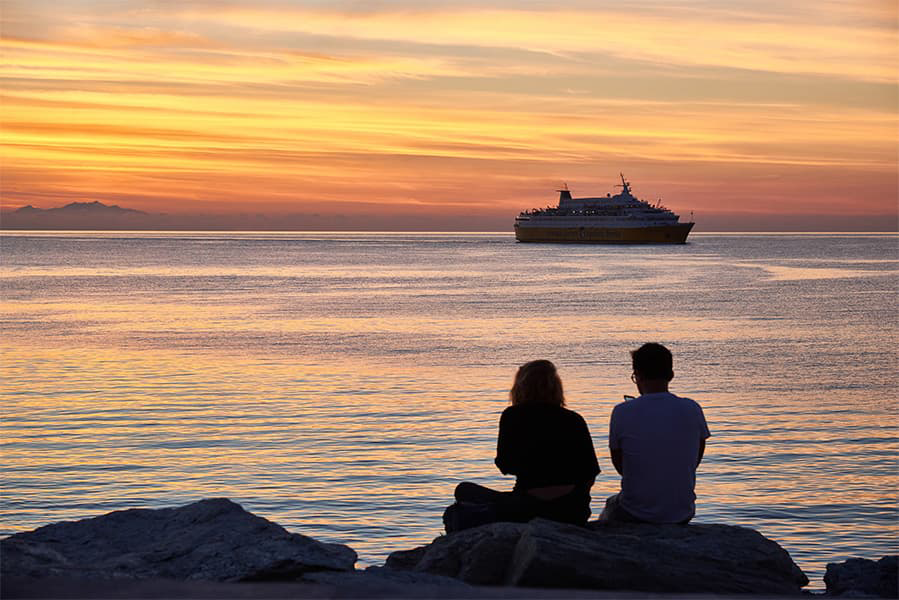
There are currently no ferries running between Tsushima (Hitakatsu) and Busan. Ferry schedules change seasonally. Use our Deal Finder to get the latest ferry ticket information for Tsushima (Hitakatsu) Busan ferries.
Unfortunately, the Tsushima (Hitakatsu) to Busan ferry route is not currently sailing. We apologise for any inconvenience caused. Please look for alternative ferries to Busan.
More routes than anyone else.

Compare fares, times & routes in one place.
Change plans easily with flexi tickets.

Book e-tickets & manage trips in-app.
Live ship tracking & real-time updates.

Top-rated customer support when you need it.
Tsushima (Hitakatsu) Port is the main international ferry port on Tsushima Island, Japan, and a key entry point for ferry travel between Japan and South Korea. Located in the town of Hitakatsu on the island’s northern coast, the port provides regular high-speed ferry to Busan.
Hitakatsu Port primarily serves foot passengers and is compact and easy to navigate. As an international port, passengers should arrive early to allow sufficient time for check-in, immigration and customs procedures before departure.
Address: Hitakatsu Port, Kamitsushima, Tsushima City, Nagasaki Prefecture 817-1701, Japan
International ferry services operate from a single passenger terminal at Hitakatsu Port. Boarding gates are allocated by ferry operator and sailing, so passengers should follow terminal signage and staff instructions.
Busan Port is South Korea’s largest international ferry port and a major gateway for sea travel between South Korea and Japan. Located on the southern coast of the country, the port offers international ferry connections to destinations including Tsushima and Osaka, alongside extensive domestic and cargo operations.
International ferry services operate from the Busan Port International Passenger Terminal, which serves foot passengers and vehicles on selected services. Passengers traveling on international routes are advised to arrive early to allow sufficient time for check-in, immigration and customs clearance.
Address: Busan Port International Passenger Terminal, 206 Jungang-daero, Dong-gu, Busan, South Korea
International ferry services operate from the Busan Port International Passenger Terminal, which is separate from cargo and cruise terminals. Boarding gates are assigned by ferry operator and destination, so passengers should check information screens and follow on-site signage.
Tsushima is a remote Japanese island located between Japan and South Korea, known for its rugged natural landscapes, rich history and quiet, off-the-beaten-path atmosphere. Covered largely by mountains and forests, Tsushima offers unspoiled coastlines, traditional villages and a deep cultural connection to both Japan and the Korean Peninsula. The island is ideal for travelers seeking nature, history and a slower pace of travel away from Japan’s major cities.
Busan is South Korea’s second-largest city and its main international port, combining coastal scenery with vibrant city life. Known for its beaches, mountains and lively food scene, Busan offers a unique blend of urban energy and seaside relaxation. The city is a popular destination for culture, shopping and seafood, as well as a key ferry hub connecting South Korea with Japan.

Eating Your Way Through Italy: A City-by-City Food Guide

Oktoberfest: The Complete Guide to Munich's Legendary Beer Festival
The Perfect Italy Road Trip
How to Plan a Holiday to Greece from the US: A Complete Guide
Slow Travel in France: Take the Long Way This Summer

The Biggest European & American Festivals 2026
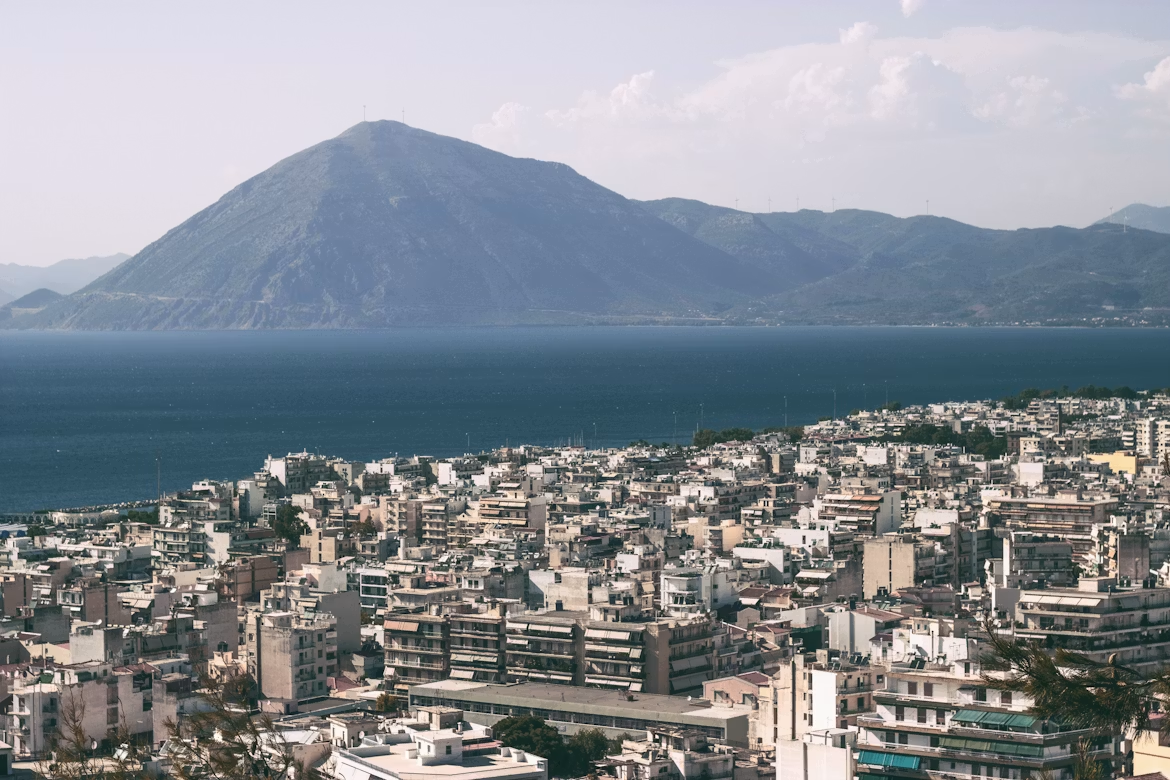
Sailing Your Own Odyssey
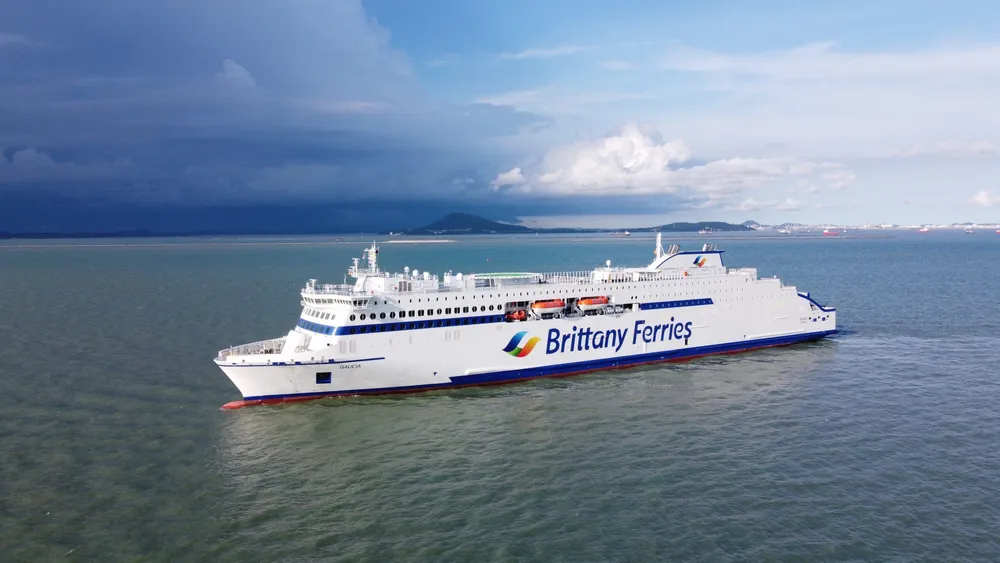
Alternative Channel Ferry Routes with Brittany Ferries

The Best Coffee Spots in Italy
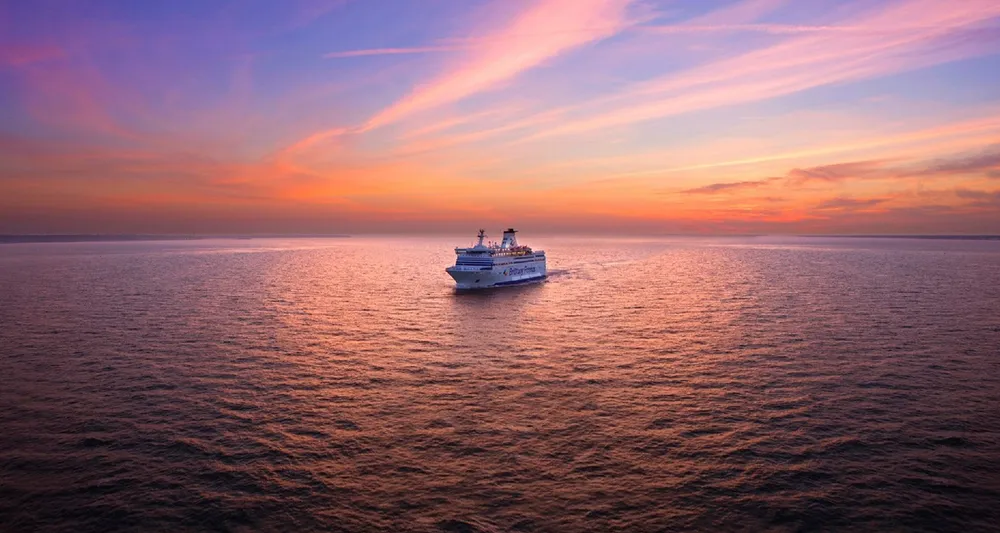
Take the Scenic Route to Spain with Brittany Ferries