The Ultimate Guide to Backpacking
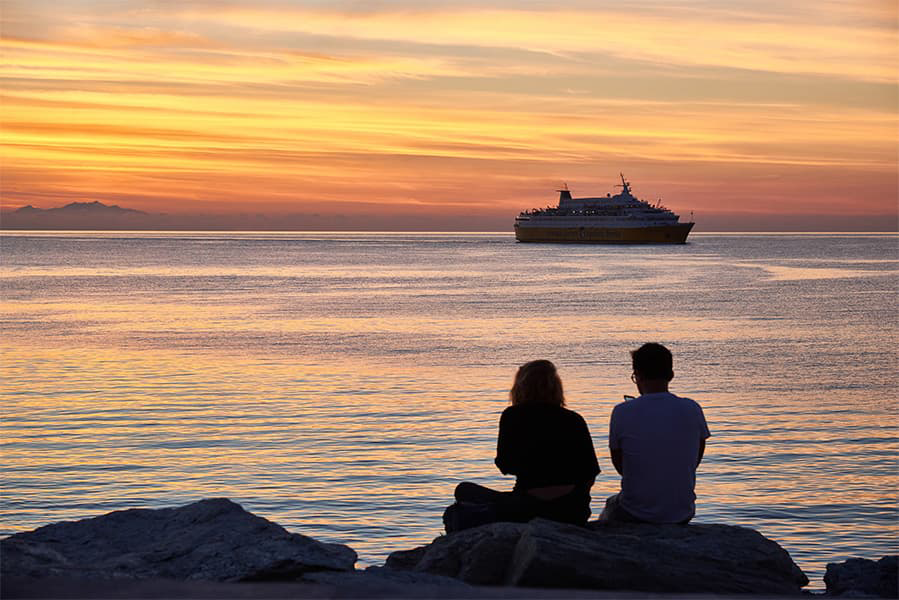
The Ultimate Guide to Backpacking
Whether you’re dreaming of island-hopping in Thailand or exploring the north and south island of New Zealand, backpacking is one of the best ways to see the world. If you love the idea of being able to backpack and travel at your own pace, discover multiple destinations, hike scenic trails and meet fellow travelers along the way, it’s the sort of experience that stays with you long after you’ve returned home.
But with so much to consider, from planning your route to choosing the right backpacking gear, organizing a backpacking trip can feel overwhelming. That’s why we’ve put together the ultimate guide to backpacking, covering everything you need to know to make the most of your backpacking trips.
Let’s start with the basics: what exactly is backpacking? Backpacking is a flexible, social and often budget-friendly way to travel. It usually involves carrying your belongings in a backpack, staying in affordable accommodation and visiting multiple destinations as part of one trip. For some, that means trekking through mountains and along coastal paths, while for others it means hopping between cities and islands.
While some people choose to take one big backpacking adventure, such as before starting college, others take multiple backpacking trips to explore different countries and regions. Although backpacking is sometimes associated with younger travelers, there’s no age limit. Whether you’re 18 or 80, it can be a great way to discover new places, meet different people and experience a destination at your own pace.
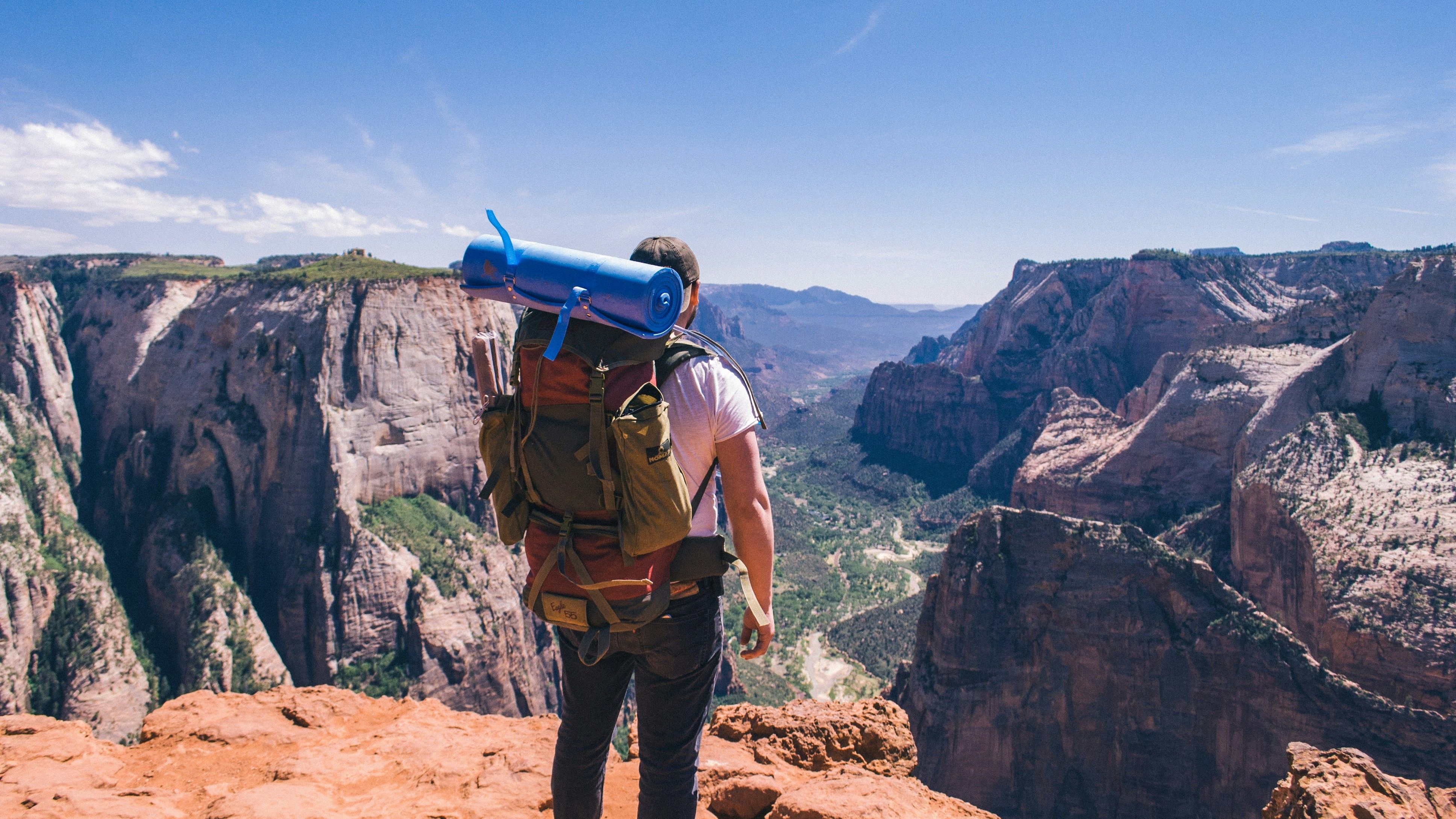
Once you’ve decided to go backpacking, the first step is choosing where to travel, how long to go for and which places to include along the way. Here’s how to plan the perfect backpacking trip:
The first thing to think about is where you’d like to go. There are so many amazing backpacking destinations, but depending on factors such as how much time you have and the time of year you’re visiting, some may be more suitable than others.
Here are some things worth considering when choosing where you’d like to go backpacking:
Tip: Make sure you check the entry requirements for each destination, as you may need to apply for a visa beforehand or have a passport that’s valid for a certain amount of time. We also recommend checking the latest travel advice for the countries you’re visiting.
Once you’ve decided on your destination, it’s time to think about how long you’d like to travel for. There’s no set amount of time you should go backpacking for – some people travel for a long weekend, while others embark on an open-ended adventure.
If you’re traveling a long way, we’d recommend allowing some extra time at the beginning of your trip, as you may be tired or jet-lagged for the first few days.
Once you’ve decided how long you’re going for, you can work out how much time to spend in each destination. We’d recommend not rushing your trip or trying to fit in too many places. Sometimes it’s better to visit fewer destinations and have the time to really experience them.
It’s also worth allowing extra time for travel days. Things don’t always go to plan, and factors such as bad weather, strikes or cancellations can cause unexpected delays when traveling between destinations.
Choose a logical start and end point, then map out the destinations you’d like to visit in between. Consider journey times as well as distance, as two nearby places may not always have a direct transportation connection. Where possible, follow a route that moves in one general direction to avoid unnecessary backtracking.
Check how you can travel between each stop—whether by ferry, train, bus or plane—and make sure the services operate on your intended travel dates. Leave some flexibility in your itinerary for rest days, spontaneous stops or changes to your plans.
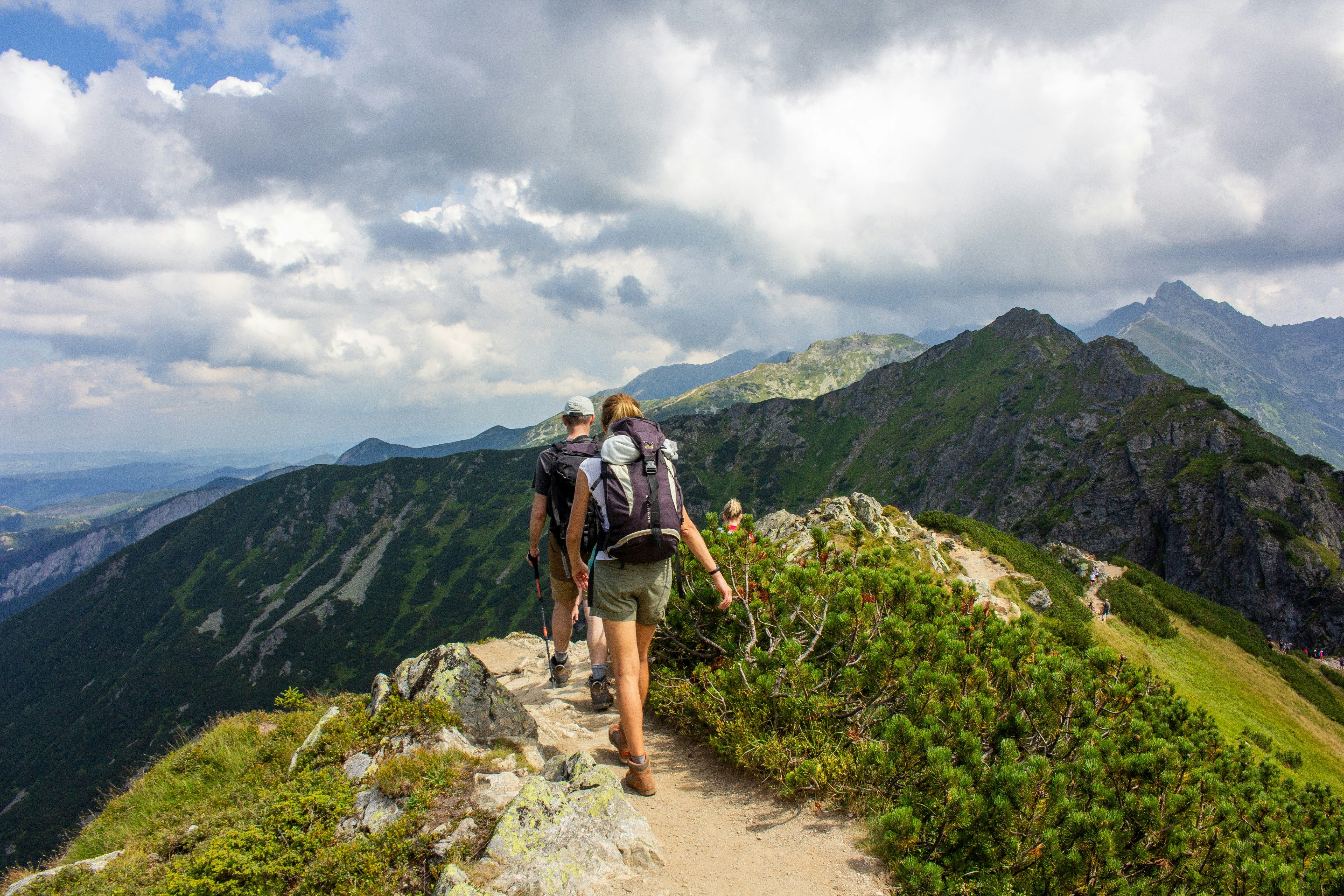
The best way to get around while backpacking depends on your destination, budget and itinerary. For most backpacking trips, you’ll have to combine different modes of transportation. In general, trains and buses are often useful for traveling overland, while ferries connect islands and coastal destinations. For longer distances, flights can save time, although they may cost more and come with stricter luggage limits.
| Transport | Best for | Main advantages | Things to consider |
| Ferries | Islands, coastal destinations | Generous luggage allowances, scenic and relaxing way to travel, ports often located close to town/city centers | Services can be seasonal and affected by weather |
| Trains | Cities, long overland journeys | Train stations often located in the center of towns/cities, trains are often spacious with comfortable seating | Networks vary, remote destinations not always connected by train |
| Buses | Budget travel, places without rail links | Usually the cheapest option, extensive routes | Journeys can be long, busy and not always comfy |
| Flights | Fast connections over long distances | Fast, useful for connecting different regions | Airport transfers, strict luggage limits, usually expensive, higher environmental impact |
| Car/camper van | Remote areas, flexible itineraries | Freedom to travel where and when you want | Can be expensive for rental, gas, parking and insurance |
Planning an island-hopping adventure? Many popular backpacking destinations are well connected by ferry. From the Greek Islands and Croatia in Europe to Indonesia, Thailand and the Philippines in Asia, traveling by ferry is all part of the experience.
With direct connections and frequent crossings, ferries are a convenient way to get from one destination to the next, but they offer plenty of other benefits too. Here are just some of the reasons why traveling by ferry is a great option when backpacking:
Tip: Try to book popular routes in advance, especially if you’re traveling during peak season, as some routes can sell out.
Depending on your destination, trains can be a convenient way to travel between stops. They’re especially useful in places like continental Europe and Japan, where extensive rail networks connect many popular cities and attractions.
Train stations are often centrally located or well connected by public transportation, making them easy to reach. Compared to buses or planes, they often provide more space to move around too, so longer journeys tend to be more comfortable. Luggage allowances are often generous, although restrictions vary between operators and services.
Tip: If you’re planning several journeys by train, make sure you look to see if there are any rail passes available, as these can sometimes save you money. For longer distances, overnight trains can also save valuable sightseeing time and potentially reduce your accommodation costs.
Buses are usually one of the cheapest ways to travel. They’re especially popular in areas where rail networks are limited or train journeys require multiple changes, as buses can often provide direct connections and reach smaller towns and more rural destinations, including trailheads for hiking, that aren’t easily accessible by other public transportation options.
In some backpacking destinations, such as New Zealand and Australia, hop-on and hop-off buses are popular with backpackers. Services such as Greyhound and Kiwi Experience offer a social and affordable way to backpack and travel. In destinations such as Vietnam, sleeper buses are also a common way to travel long distances and can save you the cost of a night’s accommodation.
At Direct Ferries, you can also book combined bus and ferry tickets, making it easy to connect mainland destinations with islands. This can be particularly useful when traveling around Asia, allowing you to combine journeys to destinations such as Bangkok with onward ferry travel to islands like Koh Tao.
If your backpacking route involves traveling long distances, flying can be a good option. It can be useful in large countries, where traveling between destinations overland can take a significant amount of time, or when visiting remote island destinations that aren't accessible by ferry. For example, you could fly from Sydney to Perth when traveling from the east coast to the west coast of Australia, or from mainland Ecuador to the Galápagos Islands.
Flying can save a huge amount of time compared with traveling overland, making it a good option for backpackers with shorter itineraries who want to make the most of their time. Although you can find affordable fares with budget airlines, flying can also be one of the more expensive ways to travel, especially once you’ve factored in costs such as baggage, seat selection and airport transfers. Airports are also often located outside city centers, so you’ll need to consider the time and cost of getting to and from the airport.
Another thing to consider is the environmental impact of flying, as it’s often one of the less sustainable ways to travel.
Planning to explore off-the-beaten-path destinations? Renting a car or camper van gives you the freedom to explore at your own pace and reach remote areas with limited or no public transportation. It’s especially popular with backpackers in destinations like New Zealand, Iceland and the Scottish Highlands, and it makes it easy to reach trailheads for a day hike.
Flexibility is one of the main benefits, as you can literally head wherever, whenever. But it’s also a scenic way to travel, allowing you to experience some of the world’s most beautiful road trips. Plus, you’ll have plenty of space for your luggage.
However, there are a few things to bear in mind if you plan on renting a car or camper van. You’ll need to make sure you have all the necessary documents with you, such as your driver’s license and insurance, and be familiar with the local driving rules. Although camper vans can double up as accommodations, they’re not always the cheapest option as you’ll still need to factor in costs such as rental fees, gas, tolls and parking, which can be expensive.
You can also easily combine road trips with ferry travel. Many operators allow cars and camper vans on board, although vehicle spaces can be limited, so booking ahead is recommended.
Your accommodations can play a huge part in your backpacking experience. From hostels to campsites, there are plenty of budget-friendly options to choose from depending on your preferences and requirements.
Hostels are extremely popular with backpackers. Not only are they often one of the cheapest options, but they also tend to be the most social, with common areas and organized activities where you can easily meet fellow travelers. This is especially useful if you’re backpacking solo. Private rooms tend to be more expensive than shared dorms, and many hostels offer female-only or male-only dorms.
If hostels aren’t available, or you just want something a bit more private, guesthouses and budget hotels can be a good option. They’re especially suited to couples or friends who want their own space and bathroom rather than shared facilities, all without spending too much. Some may even include breakfast, while family-run guesthouses will often be able to offer local tips and recommendations too.
Campsites are another budget-friendly option for backpackers. They’re a great way to immerse yourself in your surroundings while saving money on accommodations, and they’re ideal if you’re combining a trip with trekking or multi-day hikes. Many campsites offer facilities such as showers, kitchens and laundry facilities.
If you’re traveling by camper van, some campsites also offer designated pitches with facilities such as electricity and water. Just make sure you check the local rules, as wild camping or overnight parking isn’t permitted everywhere.
Don’t forget that you can also opt for overnight ferries, buses and trains to save money on accommodations.
Budgeting is a big part of backpacking. To help you plan your trip, we’ve put together the main costs you’ll need to consider, along with some of our favorite money-saving tips.
When you’re backpacking, packing light is key. The exact backpacking gear you need will depend on your destination, the weather and how you’re traveling.
Here are some essentials to help you pack for your trip:
Tip: Have both digital and paper copies of important documents in case you don’t have access to Wi-Fi or cell data.
Make sure you check the weather before you go so you have an idea of what you’ll need. Most backpacking destinations also have laundry facilities, so you can wash your clothes as you travel. If you plan to hike or go trekking, pack moisture-wicking layers and sturdy footwear as part of your backpacking gear.
Tip: Use packing cubes to save space in your backpack and keep your belongings organized. They also make it easier to find what you need without having to unpack your entire bag.
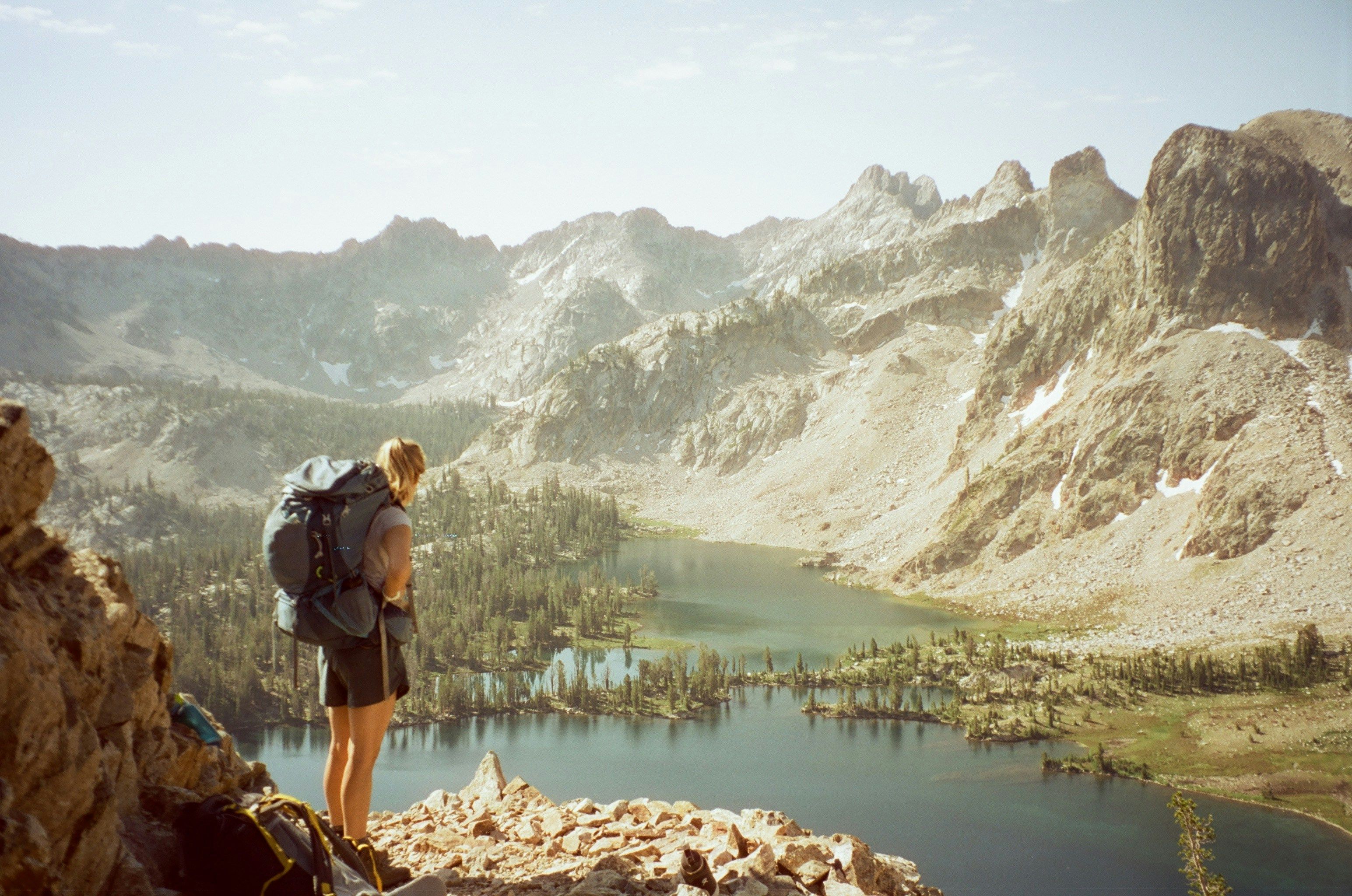
Whether you fancy sailing through Croatia, city hopping in Japan or trekking through Patagonia, each destination offers a completely different backpacking experience.
Below, we look at a selection of popular backpacking destinations around the world, including suggested routes, highlights and the best times to visit, to help you choose the best backpacking trips for you.
Europe is a great destination for backpackers, thanks to its extensive transportation networks, budget-friendly accommodations and huge variety of routes and backpacking trails to choose from. It’s also particularly well suited to ferry travel, with many islands and coastal destinations well connected by regular services.
| Destination | Popular backpacking route | Best for | When to visit |
| Greece | Athens – Mykonos – Paros - Naxos –Santorini | Island hopping, nightlife, beaches | May - October |
| Croatia | Split - Hvar - Korčula - Dubrovnik | Rich history, national parks, plenty of islands to explore | May - September |
| Italy | Naples - Capri - Sorrento - Positano - Amalfi | Beautiful coastal scenery, rich history, charming towns | May - September |
| Balearic Islands | Barcelona - Menorca - Mallorca - Ibiza - Formentera | Beautiful beaches, nightlife, charming towns and villages | May - October |
Asia is one of the world’s most popular regions for backpacking. Destinations such as Thailand, Vietnam, Indonesia and the Philippines offer budget-friendly accommodations, transportation and food, while good ferry, rail and bus networks make it possible to explore several places in one trip. Hostels and popular backpacking routes also make it easy to meet fellow travelers.
The best time to visit can differ significantly by destination and doesn’t always coincide with the European summer. Across much of Asia, monsoon seasons have a greater influence on travel conditions than temperature, with the drier months generally being the most popular time to visit. Even within the same country, the best time to travel can differ between coastal regions and islands.
| Destination | Popular backpacking route | Best for | When to visit |
| Thailand | Bangkok – Chiang Mai – Pai - Koh Samui - Koh Phangan -Koh Tao | Budget travel, snorkeling and diving, and a lively backpacker scene | Varies by region and coast |
| Indonesia | Bali - Nusa Lembongan - Nusa Penida - Gili Islands - Lombok | Budget travel, a big backpacking scene, snorkeling and diving | May - September |
| Vietnam | Hanoi → Sapa – Ninh Binh - Huế → Hội An → Da Lat - Ho Chi Minh City | Food, culture and budget travel | Varies by region |
| Philippines | Cebu → Bohol → Siquijor | Beautiful beaches, island hopping, diving | December - April |
| Japan | Tokyo → Kyoto → Osaka → Hiroshima | Cities, culture and art | March–May or October–November |
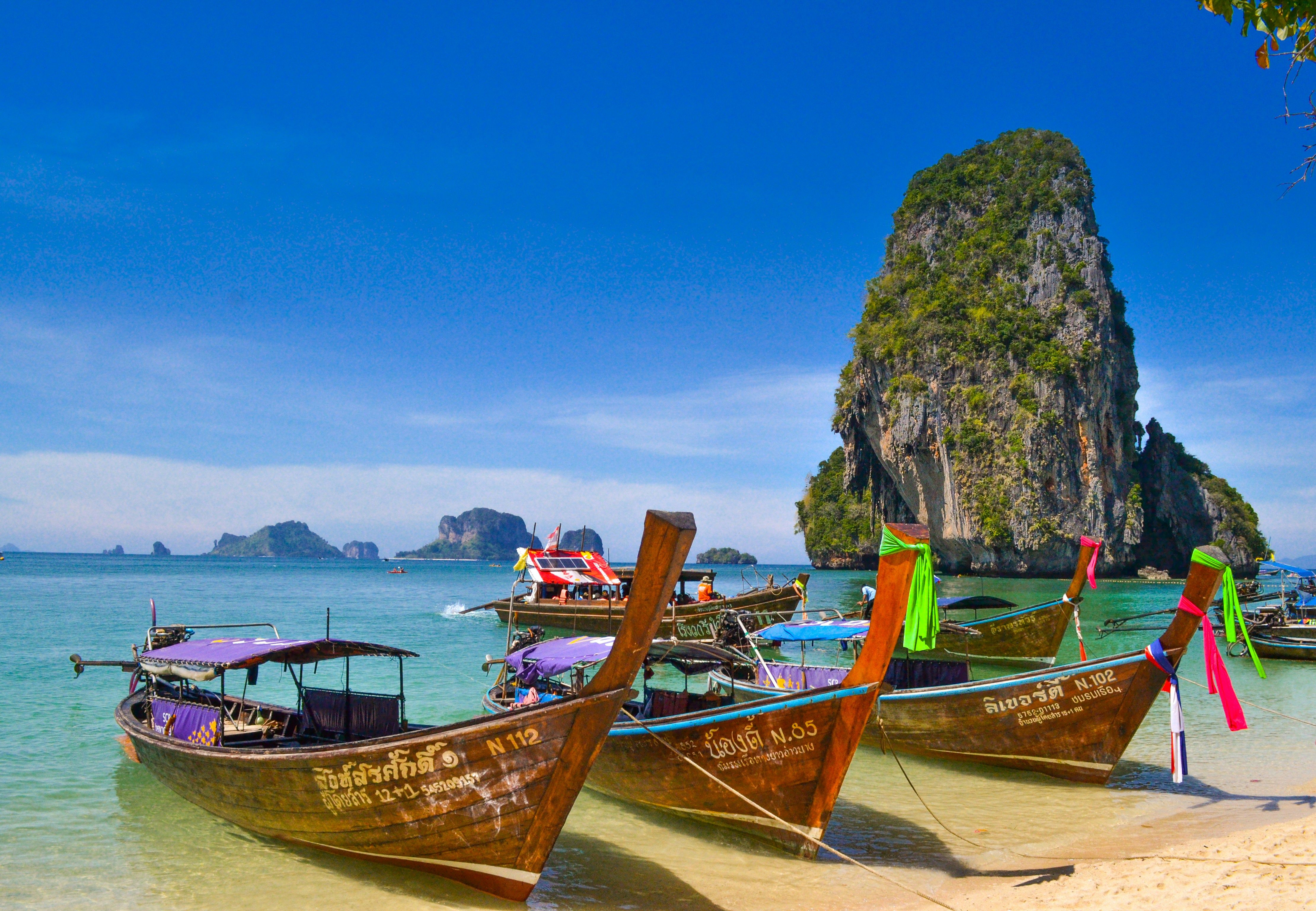
Australasia is another popular region for backpacking. It may not be as budget-friendly as some destinations in Asia, but you can still find affordable hostels and transportation options. The region's outdoor adventures make it particularly appealing, from snorkeling the Great Barrier Reef in Australia to cruising Milford Sound in New Zealand, where you can also hike some of the world’s most famous trails.
| Destination | Popular backpacking route | Best for | When to visit |
| New Zealand | Auckland → Rotorua - Taupō - Wellington → Picton - Christchurch → Wānaka - Queenstown | Outdoor adventures and scenic road trips | December - February |
| Australia | Cairns – Airlie Beach (Whitsundays) -K’gari – Noosa – Brisbane – Byron Bay – Sydney - Melbourne | Cities, beaches and wildlife | Varies by region |
Central and South America are ideal for backpackers looking for outdoor adventures, dramatic scenery and diverse cultures. The region has a social backpacking scene, while long-distance bus networks make it possible to travel overland between many popular destinations. It’s also home to some of the best backpacking trails and trekking routes in the world.
| Destination | Popular backpacking route | Best for | When to visit |
| Galápagos Islands | Santa Cruz → Isabela → San Cristóbal | Wildlife and island-hopping | Year-round |
| Central America | Belize → Guatemala → Honduras → Nicaragua → Costa Rica | Culture, nature and budget travel | Generally December–April; varies by country and coast |
| Patagonia | Bariloche → El Chaltén → El Calafate → Puerto Natales | Hiking, trekking and dramatic landscapes | November–March |
How much your backpacking trip costs depends on a number of factors, including the destination you're visiting, how long you're traveling for, where you're staying and how you plan to get around. Some destinations, such as Thailand, are more budget-friendly than others, so your money may go further. It's also worth allowing a little extra in your budget for unexpected costs, emergencies and just for the occasional souvenir!
There are no strict rules on how long you should go backpacking for – it's completely up to you! The destination also plays a part. You could spend a couple of weeks backpacking around the Greek Islands, whereas for destinations like Australia, you may want at least a month to explore the east coast alone.
With the right preparation, backpacking can be a safe way to travel. Make sure to research your destination before you travel and check official travel advice. Some useful safety tips include sharing your itinerary with loved ones, avoiding poorly lit areas at night, protecting your valuables and using trusted transportation providers. If you plan to hike or go trekking, let someone know your route and check trail conditions first.
Yes, backpacking can be a great option for solo travelers. Hostels, tours and popular backpacking routes make it easy to meet new people and connect with other travelers.
Although you don't always need to book in advance, we'd recommend doing so, especially if you're traveling during peak season or on popular routes that could sell out. Booking ahead can also give you a wider choice of accommodations and transportation options, and sometimes better prices too.
Yes, we strongly recommend getting travel insurance before you go. Make sure you check that your policy covers every destination you plan on visiting, the full duration of your trip and any activities you have planned such as renting a scooter or diving.
Gap year travel
International travel advice
Europe travel advice
Island-hopping guide
Greek island-hopping guide
The best nightlife destinations
Backpacking by ferry? Use our Deal Finder to compare routes, operators, sailing times and prices and start planning the trip of a lifetime. For more travel inspiration, don't forget to check out our blog and Instagram.
More routes than anyone else.

Compare fares, times & routes in one place.
Change plans easily with flexi tickets.

Book e-tickets & manage trips in-app.
Live ship tracking & real-time updates.

Top-rated customer support when you need it.