International Travel: General Advice

International Travel: General Advice
Traveling abroad? Our international travel advice guide covers everything you need to know — from passport and travel visa requirements to check-in information and useful tips — so you can enjoy a smooth and stress-free journey. Whether you're looking for general travel guidance or specific foreign travel alerts for your destination, we've got you covered.
There are a few essential travel documents you'll need to bring with you when traveling abroad. It's also a good idea to take copies of important documents just in case anything is lost or stolen during your trip. Always check the latest foreign office travel advisory or US and Canada travel advisories for your destination before you leave.
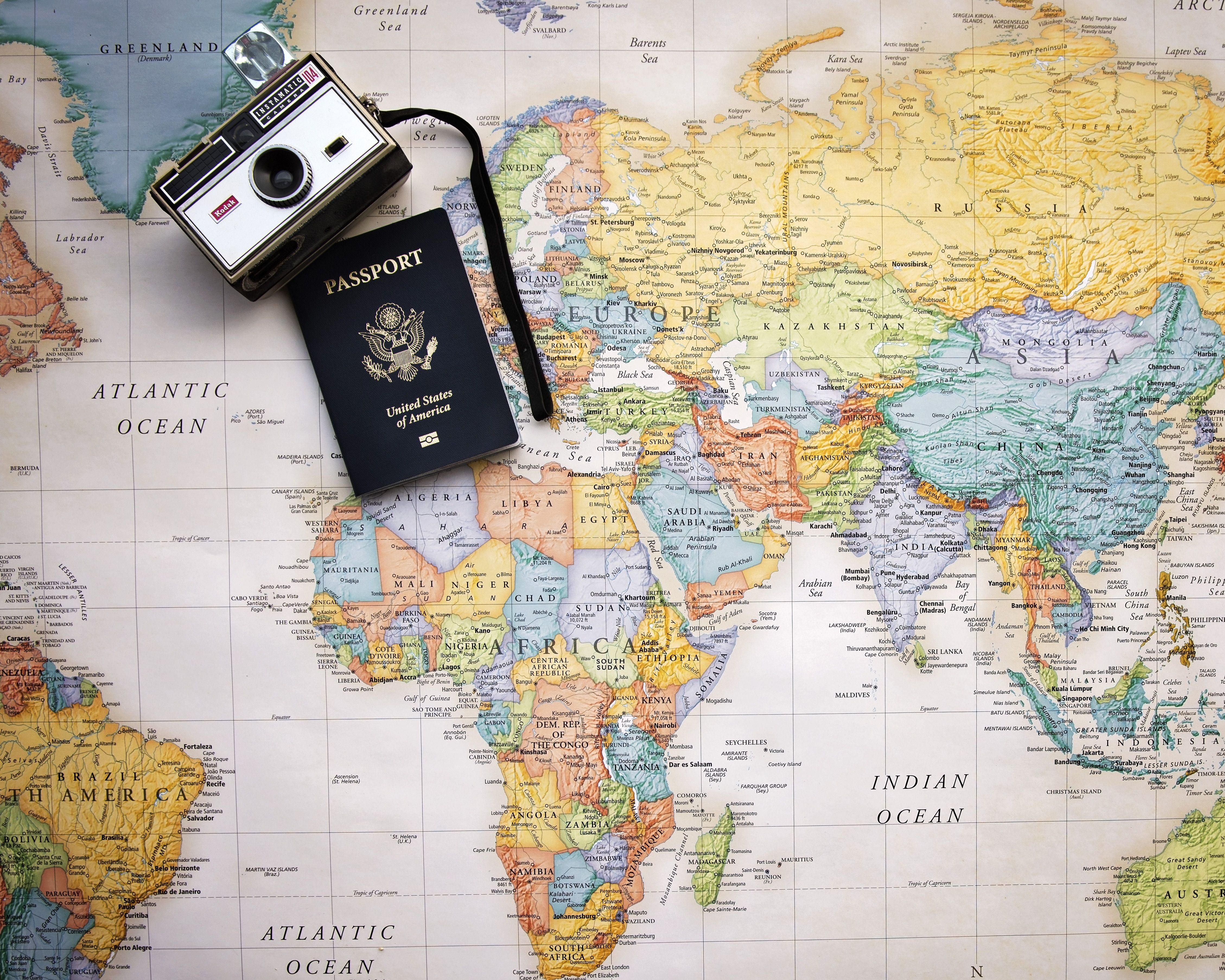
Yes, for most international ferry routes you'll need a valid passport. For example, if you are traveling from England to destinations such as France or Spain, you will be asked to show your passport at the port before departure.
Traveling to Europe:
If you're traveling to Europe from the United Kingdom, your passport must be:
These rules apply to most countries within the Schengen Area, with some exceptions. EU citizens may be able to use a national identity card when traveling within the EU, and British and Irish citizens traveling between Great Britain and Ireland can often use photo ID.
Traveling outside of Europe:
Some countries outside of Europe only require your passport to be valid for the duration of your stay — for example, UK citizens traveling to the United States. Others, like Australia, Thailand, and the United Arab Emirates, usually require at least 6 months' validity from the date you enter.
Passport validity requirements vary depending on your destination, so it's important to check the latest travel guidance and any applicable travel warnings before you go. For American travel abroad, the US State Department's travel advisory system is a reliable source for up-to-date foreign travel alerts and US tourist warnings. You can also find information on the gov.uk website.
Travel visa requirements depend on your nationality and destination, so it's important to check before you travel. You can find the latest travel advice on the gov.uk website or by contacting your destination country's embassy. US and Canada travel advisories are also a helpful resource for checking current visa requirements and any travel warnings in effect.
If you're a UK citizen traveling to Europe, you won't usually need a travel visa for short stays of up to 90 days within a 180-day period in the Schengen Area. However, you will need a visa if you plan to stay longer than 90 days or intend to work, study, or live in your destination country.
Traveling to the EU? New digital border systems are being introduced for non-EU travelers:
The Entry/Exit System (EES), introduced in October 2025, replaces passport stamping. Instead, you'll have your fingerprints and photo taken at the border.
The European Travel Information and Authorization System (ETIAS), expected to be introduced in late 2026, is a pre-travel authorization for visa-exempt travelers. If you're traveling from the United Kingdom to Europe, you'll need to apply before you travel. Once approved, it's linked to your passport and valid for up to 3 years, or until your passport expires.
Wherever you're traveling to, we recommend taking out travel insurance before your trip to cover:
Make sure you have your policy number on hand, and make a note of any emergency contact details in case you need them.
Depending on your destination, you may also need additional documents such as insurance details, vehicle documents, or proof of accommodation. Always check the relevant foreign office advice on travel or your government's travel advisory before departure.
If you plan to drive in your destination country, you'll need to bring a few additional documents, including:
Some countries may also require an international driver's license (also known as an International Driving Permit, or IDP). An international driving permit is an officially recognized translation of your domestic license and is required in many countries for American travel and UK travel abroad. Always check the specific requirements for your destination, as foreign office advice on travel and US tourist warnings may highlight additional documentation needs.
Traveling with your pet? You'll also need certain documents with you. These may include:

If you're traveling with medication, check that it is permitted in your destination country before you travel — this is an important part of any international travel advice checklist. You may also need to carry a copy of your prescription and a doctor's letter confirming the medication has been prescribed to you.
In some cases, border officials may ask you to show proof of your travel plans and where you'll be staying. This is more common when traveling to countries that require a travel visa.
You may be asked to provide:
If a child is traveling without both parents or legal guardians, you may be asked to provide a parental consent letter. This confirms that the child has permission to travel and helps prevent issues at the border. Check your destination's travel advisory for any specific requirements around child travel documentation.
Here is some useful travel guidance to keep in mind before you set off:
Where can I find the port address?
If you're unsure where to go, your booking confirmation email will usually include the full port address and directions. It's a good idea to check this in advance and plan your route before you travel.
How do I get to the port?
Most ports are well connected by road, rail, and bus. If you're driving, make sure you allow extra time for traffic or delays, especially during peak travel periods. You can visit our port pages for helpful travel guidance on how to get to the terminal, including useful tips on public transport.
How much luggage can I bring on the ferry?
One of the benefits of traveling abroad by ferry is that you can often bring more luggage compared to traveling by plane.
In most cases, there are no strict luggage limits if you are traveling with a vehicle. However, if you are traveling as a foot passenger, there are usually specific luggage allowances in place, which can differ between operators.
To avoid any issues or additional charges, always check your ferry operator's luggage policy before you travel.
Can I access my luggage on the ferry?
If you're traveling with a vehicle, you usually won't be able to access your car during the crossing, so it's best to take any essentials with you before heading to the passenger decks. If you're traveling as a foot passenger, you can normally keep your luggage with you or store it in designated luggage areas.

How early do I need to arrive at the port?
Your arrival time will usually be stated in your booking confirmation email and can vary depending on the operator, route, and whether you are traveling with a vehicle or pet.
You must arrive at the port before check-in closes, or you may not be able to board the ferry. If you are traveling with a vehicle or pet, you will usually need to arrive earlier to allow time for additional checks.
As a guide, with Brittany Ferries, passengers must check in at least 60 minutes before departure, or at least 90 minutes before if you're traveling with a pet, while DFDS usually closes check-in 45–60 minutes before departure. We also recommend arriving earlier if you require special assistance or are traveling during peak periods, when ports may be busier.
Can I check in online?
Online check-in is available with some operators, but not all. If it's offered for your booking, you'll receive an email when check-in opens — usually between two days and one week before departure. This will include instructions on how to complete your check-in and access your travel documents.
How do I get my ferry tickets?
Your ticket may be sent via email once your booking is confirmed, while other operators may require you to collect your tickets at the port.
Can I change my booking?
Booking amendments depend on the ticket type you have booked, which you can check in the Passenger Details section of your confirmation email. If your ticket type allows amendments, you can make changes online through the My Account section.
If your ticket does not allow changes, you may still be able to travel on a different sailing by speaking to staff at the port, subject to availability. Alternatively, you can contact us and we'll do our best to help you amend your booking.
Before you sail across the border, here are some of our top pieces of international travel advice:
Now you're ready to go! With the right travel guidance in place and all your documents sorted, you can look forward to a relaxing journey. Compare routes and prices and book your ferry today with Direct Ferries.
More routes than anyone else.

Compare fares, times & routes in one place.
Change plans easily with flexi tickets.

Book e-tickets & manage trips in-app.
Live ship tracking & real-time updates.

Top-rated customer support when you need it.