Which Island Is Better in New Zealand: North or South?
Things to do
Things to do

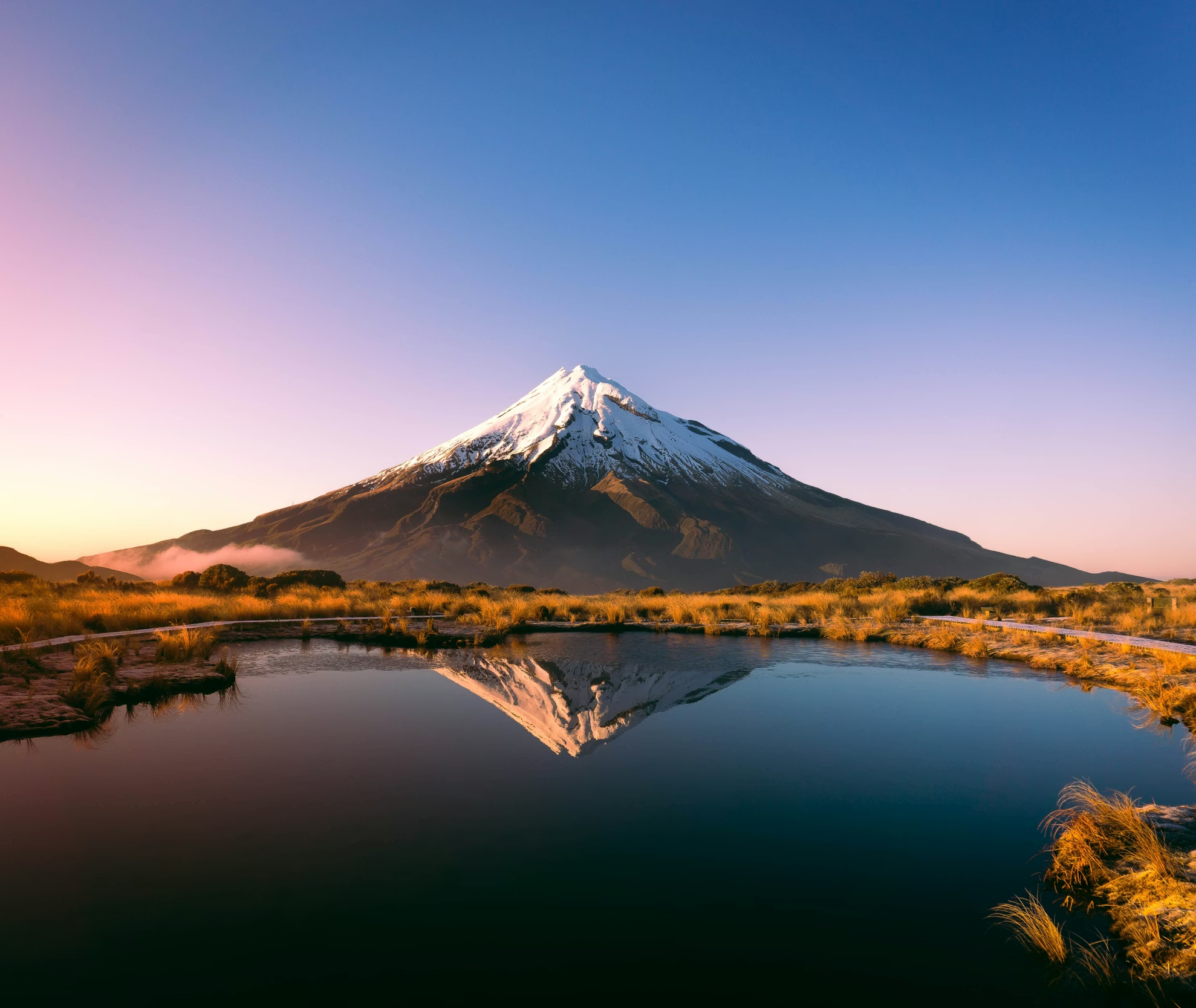
One of the most common questions travelers ask when planning a trip to New Zealand is: Which island is better in New Zealand – North or South? The truth is, there’s no single right answer. The North Island and South Island each provide very different experiences, and the “better” choice all depends entirely on your travel preferences and how much time you have available.
The North Island is better for visiting cities, beaches, geothermal attractions, experiencing Māori culture, and year-round warmth. The South Island is better for dramatic landscapes, mountains, fjords, road trips, and outdoor adventure.
The North Island of New Zealand is the country’s cultural and economic hub. It’s home to Auckland, Wellington, and many of New Zealand’s most famous beaches and geothermal areas.
If you’re wondering is the North Island worth visiting? the answer is a resounding yes, particularly for those who haven’t visited New Zealand before and want a variety of experiences without long travel distances.
The South Island of New Zealand, otherwise named Te Waipounamu in Māori, is best known for its jaw-dropping scenery and phenomenal road trip routes. Although it does have fewer cities than the north island, it offers some of the most spectacular landscapes on the planet. As only 23% of New Zealand’s population resides there, most of the island is completely unspoiled.
Many travelers reckon that the South Island is better than the North Island for the scenery alone, and it’s difficult to argue otherwise once you lay eyes on it.
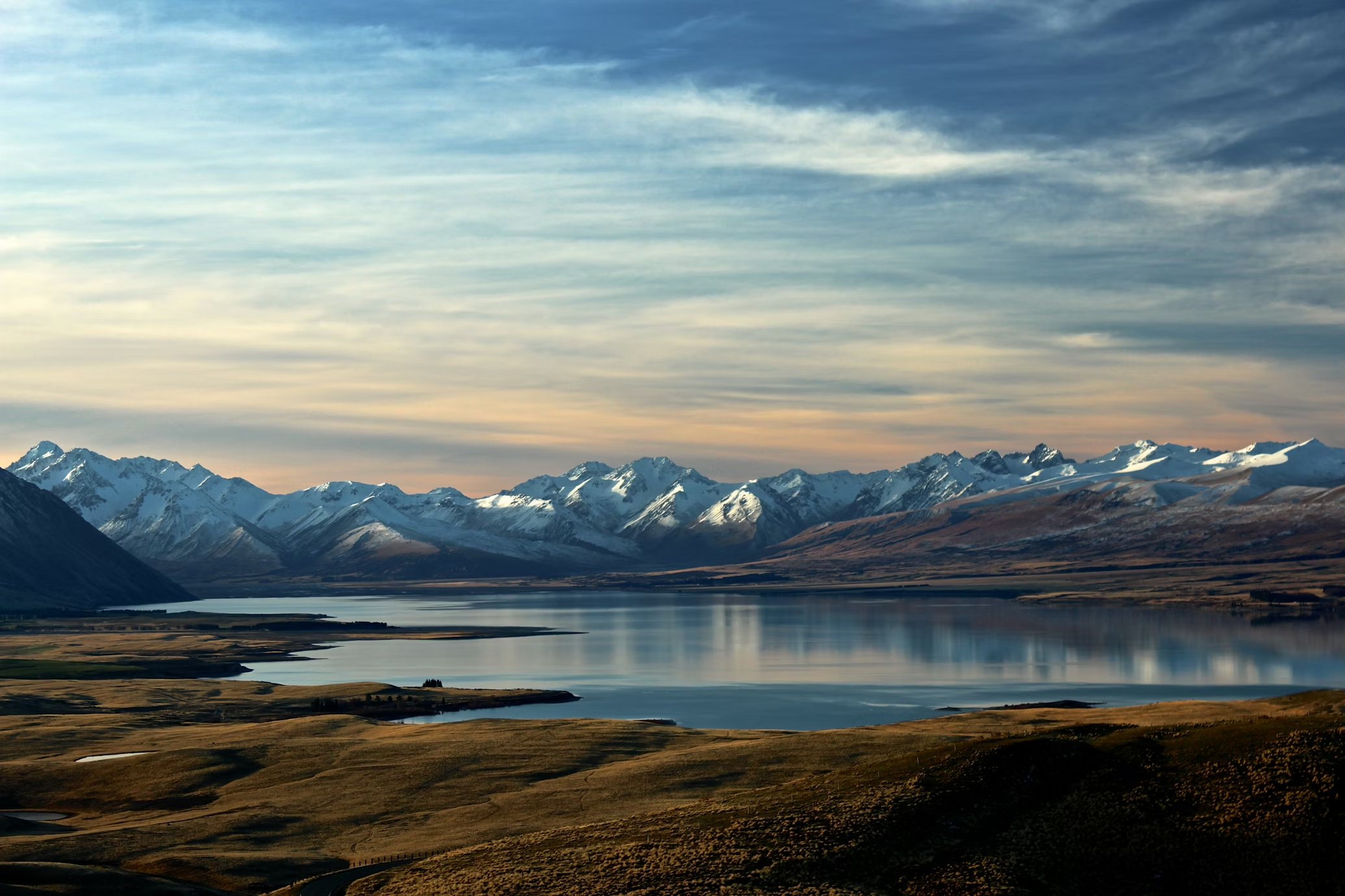
If you’ve come for the scenery, this comparison matters most when deciding which island is better to visit in New Zealand.
The North Island has a diverse range of landscapes, from rolling green hills and active volcanoes to geothermal valleys, golden beaches, and subtropical forests. Highlights include Tongariro National Park, the dramatic volcanic plateau, and lush coastal regions that are perfect for outdoor adventure.
The South Island is more dramatic by contrast, with snow-capped mountains, deep fjords, glaciers, and vast alpine valleys. It’s typically considered the more photogenic island, with eco cruises available that give you a better view of the coastline and even the opportunity to see dolphins and penguins.
Verdict: The South Island wins outright when it comes to epic landscapes, while the North Island offers more variety in a smaller area.
The North Island is home to some of New Zealand’s most vibrant cities. Auckland, the country’s largest city, is known as the City of Sails and features shopping malls, fine dining, nightlife, and waterfront experiences. You can also take day trips to the nearby islands of Waiheke and Rangitoto by booking the Auckland to Waiheke ferry or the Auckland to Rangitoto ferry.
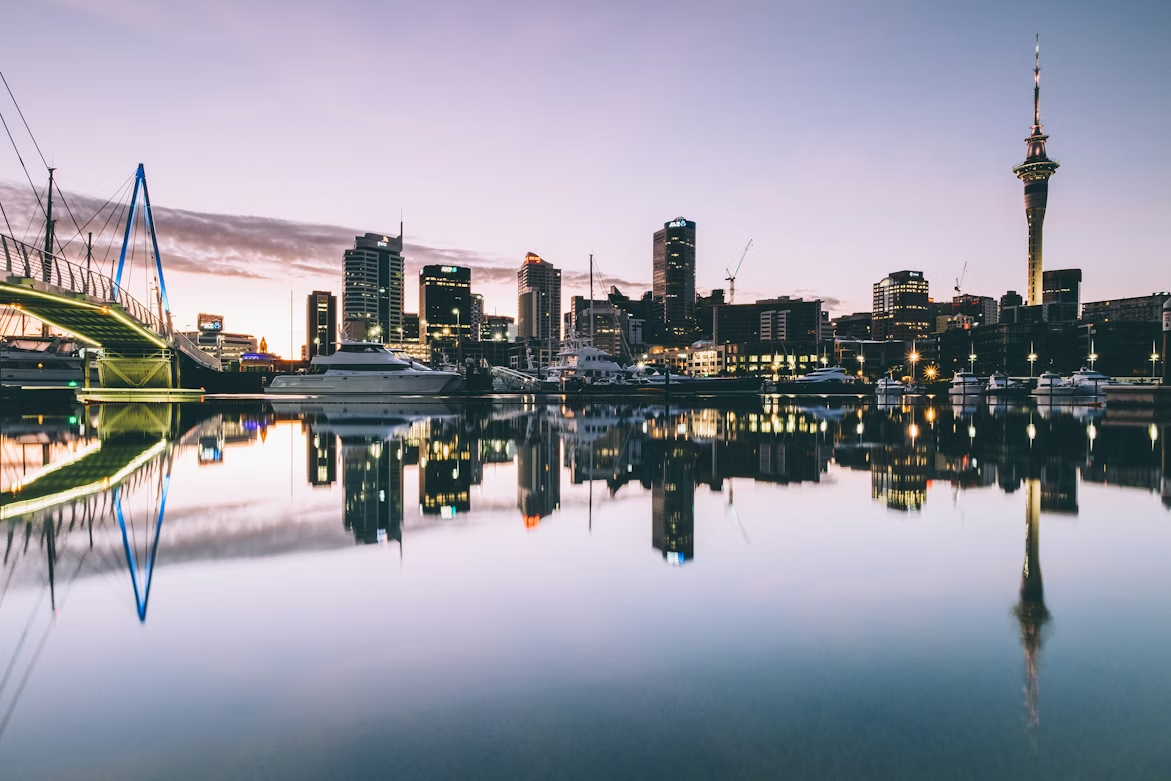
Wellington, the capital of New Zealand, is a compact city that’s famous for its café culture and blossoming arts scene. The city is also a cultural hub, with notable attractions like Te Papa Tongarewa Museum. Wellington is also located very close to many of the great wine regions in the lower North Island, including Hawkes Bay, Martinborough, and Wairarapa.
The South Island, on the other hand, has fewer large cities, with urban life taking a back seat to dramatic natural landscapes. Christchurch, the largest city on the South Island, offers gardens, museums, riverside precincts, shopping, and dining alongside easy access to the surrounding countryside. Queenstown, by contrast, is centered almost entirely on tourism and adventure, and is known as New Zealand’s adventure capital. Set beside Lake Wakatipu and the Southern Alps, Queenstown attracts visitors for skiing, bungee jumping, hiking, wine tours, and scenic cruises.
Verdict: We recommend choosing the North Island if you prefer city life.
New Zealand is renowned around the world for its adventure tourism, but the experience differs depending on which island you decide to visit.
Verdict: The South Island is the place to go if you’re looking for thrill and outdoor adventure.
The North Island is widely regarded as the cultural heart of New Zealand, with the country’s richest offering of Māori heritage. Visitors can experience authentic marae visits, traditional hangi feasts, and cultural performances in regions such as Rotorua, Northland, and the Bay of Plenty. The island also has many of New Zealand’s most important historical landmarks, including the Waitangi Treaty Grounds, where the founding document of the nation was signed.
The South Island also offers meaningful cultural experiences, but not to the same extent. They are generally more dispersed and less central to most travel itineraries. However, it does have a few cultural attractions worth visiting, including Ngāi Tahu heritage sites, historic towns dating back to the gold rush era, and museums in cities such as Christchurch and Dunedin. Although Māori culture is present, the South Island tends to be more strongly associated with scenic travel and outdoor adventure.
Verdict: The North Island is better for culture and history.
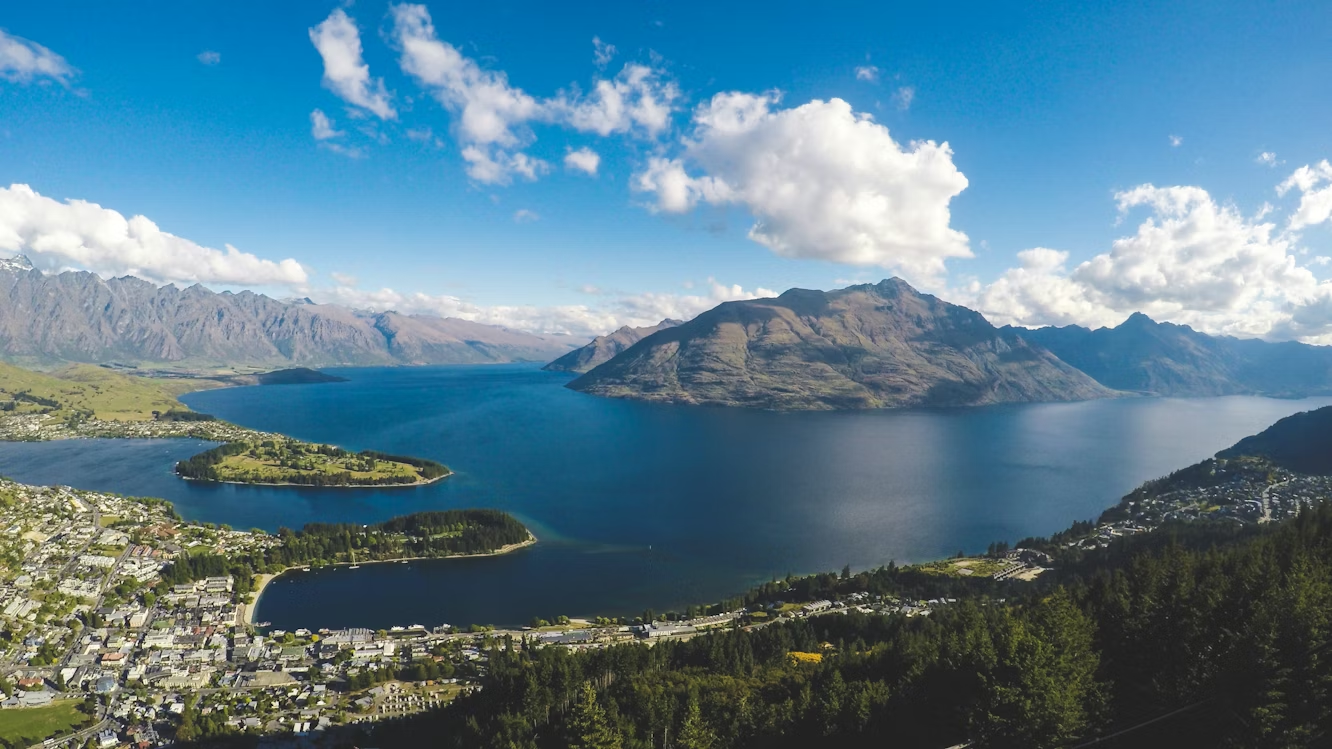
Weather plays a big role in the North Island vs South Island New Zealand debate. Luckily, we’ve compiled all the information you need to decide which is best for your travel plans.
The North Island is warmer and milder throughout the year, with subtropical conditions in the far north.
The South Island tends to be cooler and more seasonal, with snow in winter and crisp alpine summers.
Verdict: The North Island is better for warm-weather travel, while the South Island takes the crown during the summer and the winter sports seasons.
Both islands are excellent for a New Zealand road trip, but they feel very different once you’re sat behind the wheel. The North Island is generally easier for shorter itineraries, with shorter driving distances and more towns, so it’s perfect for weekend getaways and flexible routes.
The South Island is made for scenic drives and longer travel itineraries, with longer stretches between towns and some of the country’s most incredible landscapes. It’s perfect if you want classic “open road” travel, but requires careful planning for fuel stops, weather changes, and driving times in more remote areas.
| Island | Road Trip Route | Start → Finish | Typical Duration | Top Highlights | Best For |
|---|---|---|---|---|---|
| North Island | Classic North Island Loop | Auckland → Rotorua → Taupō → Wellington | 5–10 days | Rotorua geothermal parks, Taupō lakefront, Tongariro area, Wellington food & culture | First-timers, mix of cities + nature |
| North Island | Twin Coast Discovery Highway | Auckland → Bay of Islands → Hokianga → Auckland | 4–7 days | Bay of Islands beaches, Waitangi region, giant kauri forests, sand dunes | Beach lovers, relaxed coastal driving |
| North Island | Coromandel Coastal Circuit | Auckland → Coromandel Peninsula → Auckland | 2–5 days | Cathedral Cove, Hot Water Beach, coastal lookouts, laid-back beach towns | Short trips, iconic NZ beaches |
| North Island | Volcanic & Thermal Trail | Hamilton → Waitomo → Rotorua → Taupō | 3–6 days | Waitomo glowworm caves, geysers and hot springs, Lake Taupō viewpoints | Geothermal scenery, easy touring |
| North Island | Hawke’s Bay Wine & Art Deco Route | Napier → Havelock North → Cape Kidnappers | 2–4 days | Art Deco architecture, wineries, coastal walks, gannet colony | Food & wine, couples trips |
| South Island | Southern Scenic Route | Dunedin → The Catlins → Invercargill → Fiordland | 5–10 days | Waterfalls and wild coastline, penguins/seals, remote beaches, Milford Sound access | Wild nature, off-the-beaten-path |
| South Island | Queenstown to Milford Sound Day/Overnight | Queenstown → Te Anau → Milford Sound | 1–2 days | Fiordland National Park, mirror lakes, Homer Tunnel, Milford cruise | Bucket-list scenery, photography |
| South Island | West Coast Wilderness Drive | Christchurch → Arthur’s Pass → Hokitika → Franz Josef | 4–8 days | Alpine crossing, rugged coastline, rainforests, glaciers, glowworm spots | Epic landscapes, adventure stops |
| South Island | Aoraki / Mt Cook & Lakes Route | Christchurch → Lake Tekapo → Mt Cook → Queenstown | 4–7 days | Milky Way stargazing, turquoise lakes, Hooker Valley Track, mountain views | Hikes + scenic lakes, stargazing |
| South Island | Marlborough & Nelson Loop | Picton → Marlborough Sounds → Blenheim → Nelson | 3–7 days | Coastal bays, wineries, Abel Tasman access, relaxed seaside towns | Wine + beaches, slower pace |
Verdict: The South Island is better for classic road trips.
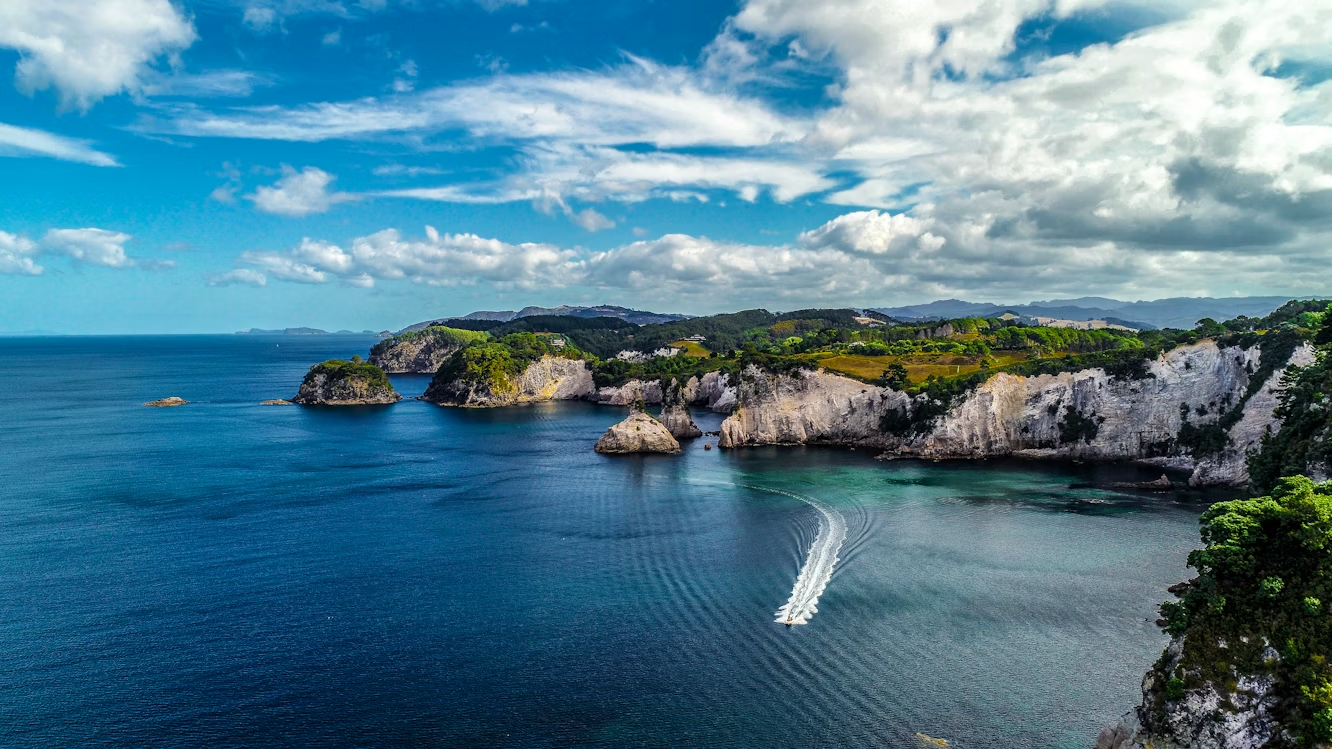
Neither island is objectively better than the other. It all very much depends on your travel preferences. The North Island is better for culture and cities, while the South Island is better for scenery and adventure.
Many travelers think the South Island is more visually pleasing, but the North Island offers diverse landscapes and coastal beauty.
Yes. If you have at least two to three weeks, visiting both islands gives you the most complete New Zealand experience. You can easily travel between the two islands via the Wellington to Picton ferry or the Picton to Wellington ferry with Interislander and Bluebridge.
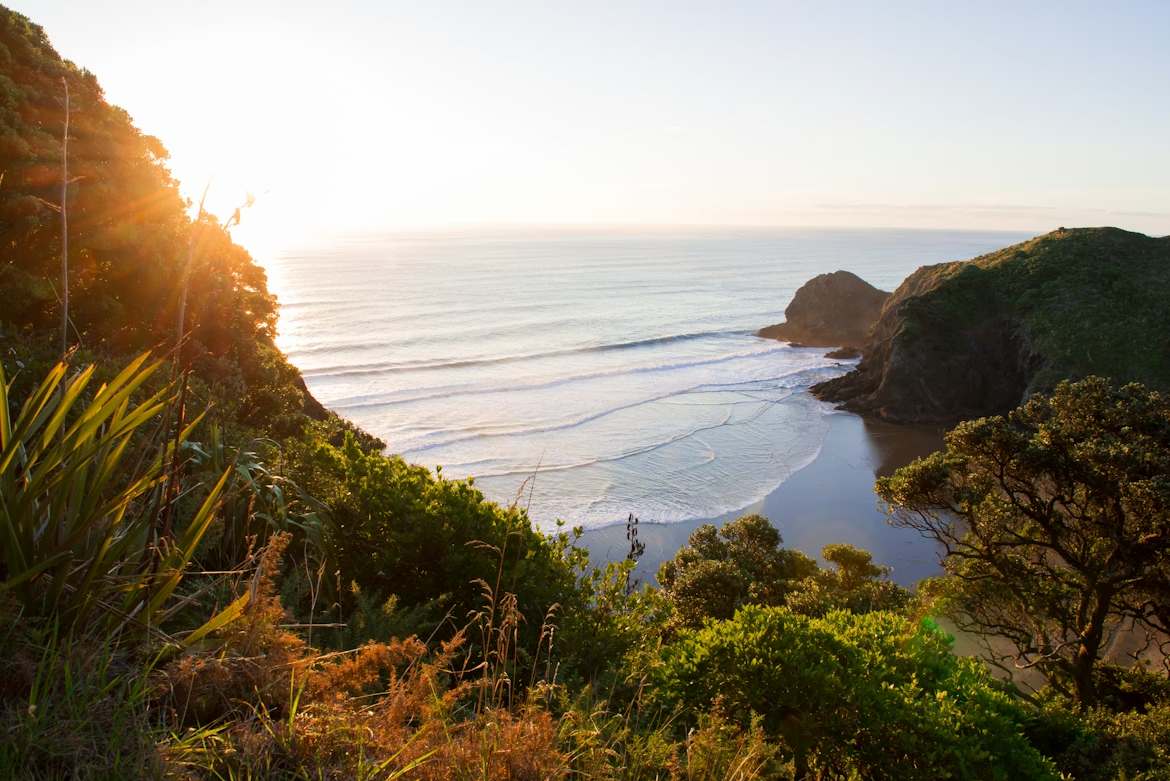
Whichever island you decide to visit, getting there is all part of the adventure. Traveling by ferry from the North and South Islands offers you a scenic way to experience New Zealand’s coastline while keeping your journey flexible. Compare routes, sailing times, and prices, and book your ferry in advance to guarantee the best option for your holiday to New Zealand.