Baltic Ferry Hopping: 10+ Day Trip Itinerary
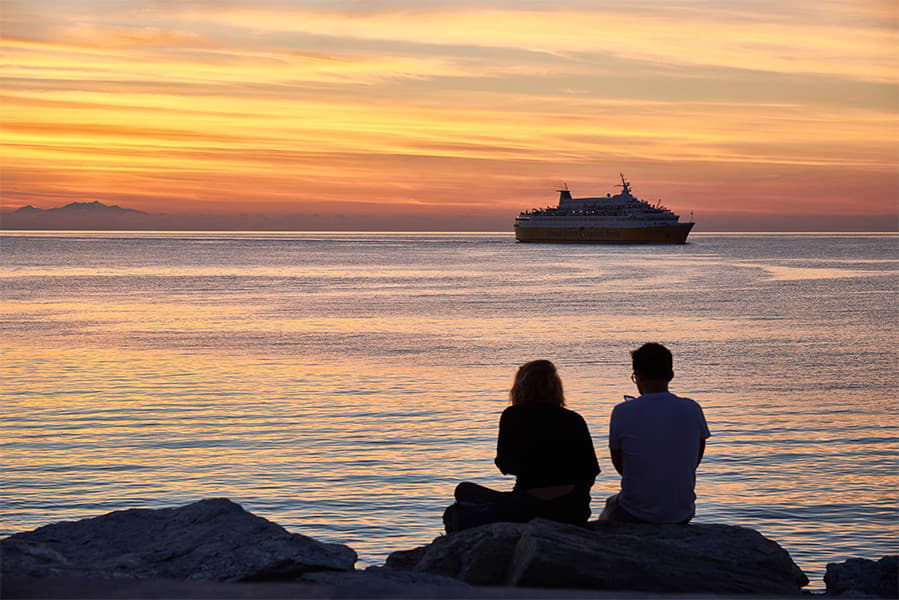
Baltic Ferry Hopping: 10+ Day Trip Itinerary
Have you ever wondered how to ferry hop the Baltic properly, rather than squeezing it into a long weekend? A Baltic Sea trip is even more rewarding with 10 or more days at your disposal. With nine potential countries to explore, a 10+ day itinerary gives you time to combine two or three capitals with the Åland Islands or the southern Baltic coast, rather than rushing between just one or two destinations.
"The Baltics" strictly means Estonia, Latvia and Lithuania, but most Baltic ferry trips also take in Finland, Sweden, Poland and Germany, so this guide covers the whole Baltic Sea. It gives you four cross-country round trips – from Helsinki, Tallinn and Stockholm to the Åland Islands and the southern Baltic coast – plus a second section for travelers who would rather pick one Baltic state as a base. Practical tips on timetables, day trips and ferry tickets are included throughout.
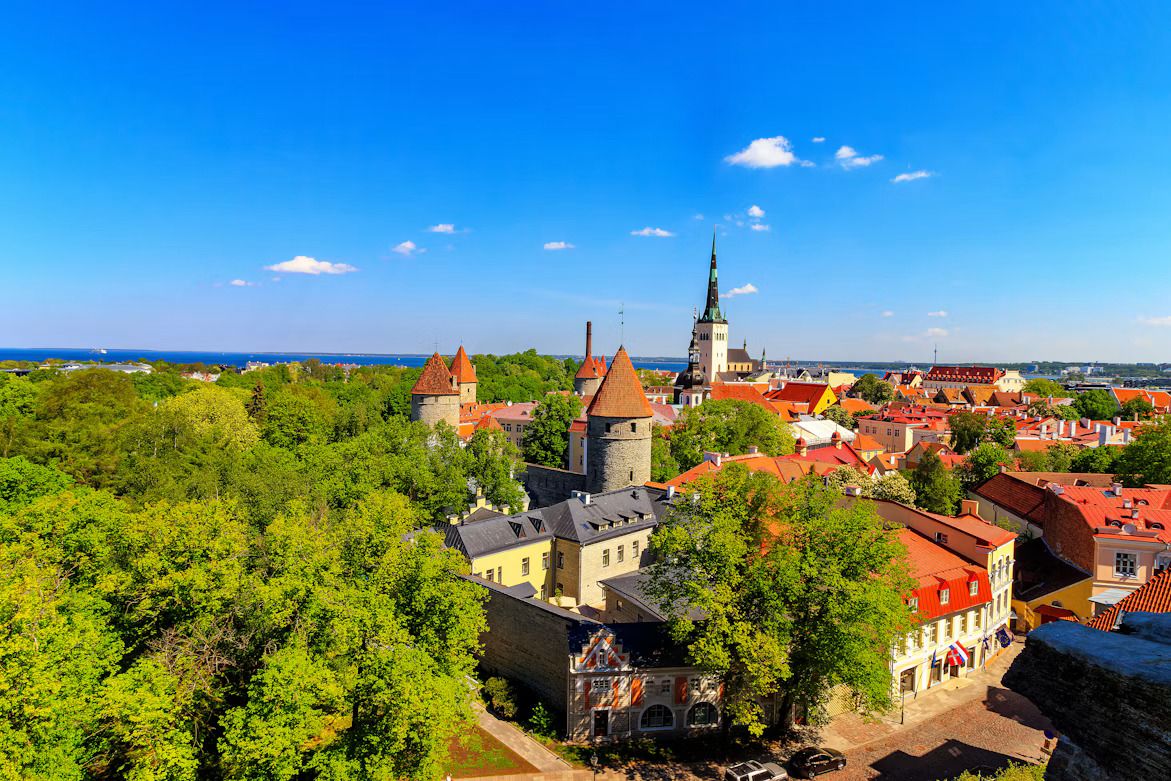
Baltic ferry hopping rewards a little extra time, and 10+ days is the sweet spot for seeing more than one part of the region without feeling rushed.
You probably know something about at least some of the places on this trip. This is a short refresher on what each country brings to a Baltic ferry itinerary.
This is not a Greek-style island hop, where short crossings link small islands a few miles apart. Baltic crossings are longer and connect different countries, so it is fair to ask why you would do a round trip rather than stay in one place. These are the main reasons.
If you would rather get to know one country well, see Option 2: Using one country as a base further down.
The Baltic Sea is well connected by ferry, with regular services linking destinations across Sweden, Finland, Estonia, Latvia, Lithuania, Poland, Germany and Denmark. Many routes operate throughout the year, making it easy to explore multiple countries and plan a multi-stop trip. Crossing times vary depending on the route, operator and departure, so check the relevant route page for the latest journey information when planning your trip.
Broadly speaking, there are two main types of crossing:
Vehicle and foot passenger rules vary by operator and route, so check the respective route page before you book if you are traveling with a car, bicycle or caravan.
Most 10+ day Baltic itineraries begin in one of the region's northern capitals. Helsinki is a key ferry hub, with regular connections to destinations including Tallinn, Mariehamn, Stockholm and Travemünde. Tallinn is another important departure point, providing routes across the Baltic, while Stockholm connects Sweden with Finland, Estonia and the Åland Islands.
Further south, Rostock and Trelleborg are also major ferry hubs, with additional connections to ports such as Travemünde, Klaipėda and Świnoujście. When planning your journey, please check the exact departure and arrival ports carefully, as some services operate from terminals outside the main city center. For example, ferries may use Muuga instead of central Tallinn, Vuosaari instead of central Helsinki, or Kapellskär and Nynäshamn instead of central Stockholm.
Planning a trip of this length benefits from a little structure, even if you leave room to improvise once you arrive. Here's the best way to assemble a 10+ day Baltic itinerary that actually works.
Start with routes that have the least frequent sailings to ensure they don't sell out. Tallinn to Stockholm has 3 weekly sailings, Trelleborg to Klaipėda has 5 weekly sailings and Klaipėda to Travemünde has 3, and Karlshamn to Travemünde has just one. Frequent routes such as Helsinki to Tallinn are far easier to fit around the rest.
If you have any further questions about booking or amending ferry tickets, consult our booking and boarding guide and travel FAQs.
When in the year you decide to take this trip will determine what you would like to experience. For a 10–14 day ferry hopping itinerary around the Baltic, the season also shapes how long your days are, how comfortable the transfers feel and which routes are available.
Our Deal Finder and app allow you to compare ferry options, ferry schedules and prices across operators in one place, so you can plan your whole 10+ day itinerary without jumping between multiple websites.
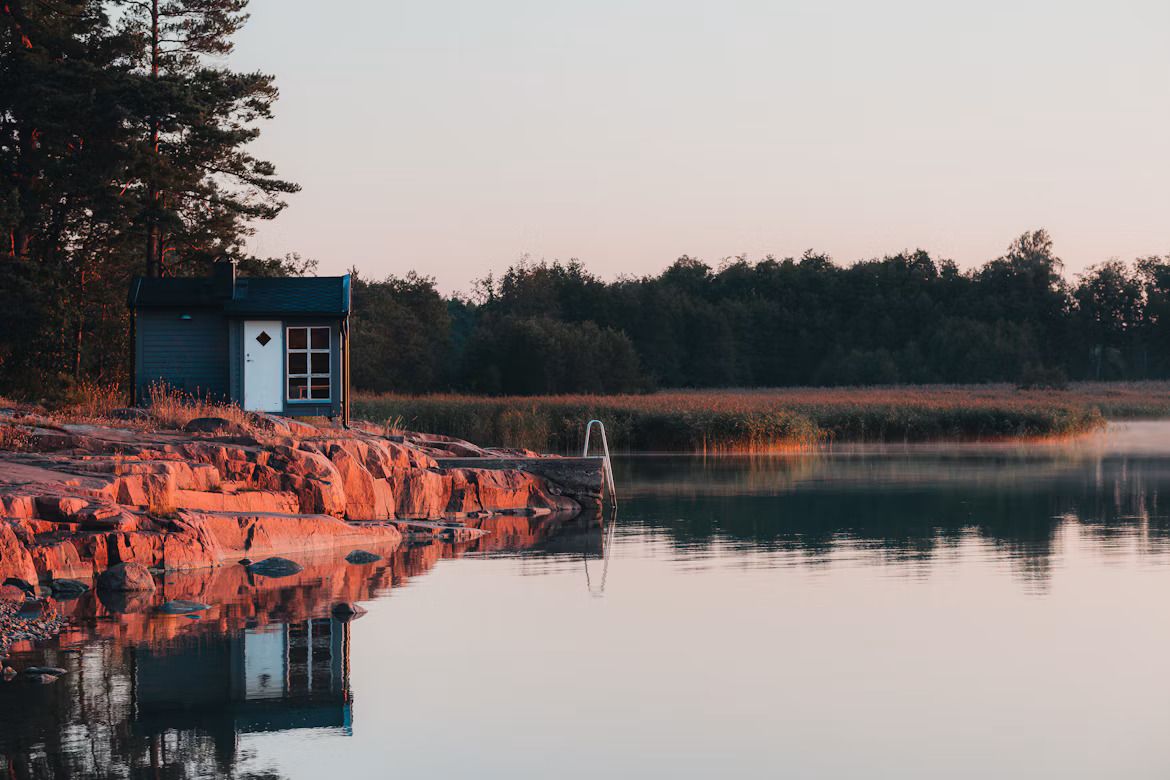
These four itineraries each link several countries in a loop. Every leg has its own heading with the route and crossing time, so you can see at a glance how much time you will spend at sea.
At a glance: 3 ferry crossings, about 32 hours at sea, around 9 to 13 nights in total, depending on whether you travel at the shorter or longer end of the range. The route operates year-round, making it a great choice in any season.
Start your journey in Stockholm, Sweden’s vibrant capital, where a day or two is perfect for exploring Gamla Stan, the atmospheric Old Town, and visiting the Vasa Museum, home to a remarkably preserved 17th-century warship.
Begin with the ferry from Stockholm to Turku, operated by Tallink Silja and Viking Line, with approximately 20 sailings per week. Once in Turku, Finland’s former capital, allow around three nights to explore its riverside attractions, including the historic Turku Castle, and discover the beautiful Turku Archipelago, where islands and coastal landscapes are just a short journey away.
There is no direct ferry between Turku and Helsinki, so continue by train or coach. Around three nights in Helsinki gives you time to experience the Finnish capital’s distinctive blend of design, culture and coastal scenery. One of the standout highlights is Suomenlinna, a historic sea fortress and UNESCO World Heritage Site since 1991, easily reached by local ferry from the city center.
Take the ferry from Helsinki to Tallinn across the Gulf of Finland. The fastest sailings take approximately 2 hours, and with around 83 sailings per week from Eckerö Line, Tallink Silja and Viking Line, there are plenty of options. Spend around three nights in Tallinn exploring its UNESCO-listed medieval Old Town, recognized as a World Heritage Site since 1997, where cobbled streets, historic merchant houses and striking city walls bring Estonia’s past to life.
Complete the loop with the ferry from Tallinn to Stockholm, with just 3 sailings a week. This is the least frequent ferry route of the trip, so book it first and plan the rest of your dates around it.
Alternative: If the Tallinn to Stockholm timetable doesn't fit your plans, sail back to Helsinki and take the ferry from Helsinki to Stockholm instead, which takes around 18 hours and 15 minutes.
At a glance: 5 ferry crossings, about 48 hours at sea, around nine nights in total (roughly two per stop), year-round. Some crossings are less frequent than others.
Begin in Helsinki, where you can discover the historic Suomenlinna sea fortress, explore the lively harborfront and enjoy the city's distinctive blend of Scandinavian design and coastal culture.
Take the ferry from Helsinki to Tallinn. Spend a couple of nights exploring Estonia's capital, particularly its beautifully preserved medieval Old Town, with its cobbled streets, historic architecture and atmospheric squares.
Next, take the ferry from Tallinn to Mariehamn with Tallink Silja or Viking Line. The return journey takes around 10 hours and 48 minutes. With just 3 sailings per week, this is the least frequent connection on the itinerary, so book this leg first.
Mariehamn is the capital of the Åland Islands, an autonomous, Swedish-speaking and demilitarized region of Finland comprising thousands of islands and rocky skerries. Allow a couple of nights to explore. Visit the Åland Maritime Museum and the impressive four-masted sailing ship Pommern, built in 1903 and permanently moored in the western harbor. For a change of scenery, take a short bus journey or drive to Sund, where Kastelholm Castle offers a glimpse into the islands' medieval history.
Continue south on the ferry from Mariehamn to Turku, with approximately 6 sailings per week. Finland's former capital combines a historic riverside setting with easy access to the Turku Archipelago. Spend a couple of days exploring Turku Castle, strolling along the Aura River and discovering the surrounding islands.
From Turku, take the Turku to Stockholm ferry, with around 20 sailings per week. Allow a couple of nights to explore Sweden's capital, from the historic streets of Gamla Stan and the Royal Palace to the waterfront promenades and world-class museums.
To complete the full loop, take the ferry from Stockholm to Helsinki, with approximately 12 sailings per week. Alternatively, finish your itinerary in Stockholm and fly home from there, avoiding an additional crossing if it better suits your plans.
At a glance: 5 ferry crossings, about 73 hours 40 minutes at sea, around two weeks, starting and finishing in Trelleborg. This is the most ferry-intensive itinerary in the guide, better suited to travelers who enjoy the journey as much as the destinations. All crossings operate year-round, although the least frequent connections run just three times a week, so planning your sailing dates is essential.
Begin in Trelleborg on Sweden's southern coast, then board the ferry from Trelleborg to Klaipėda with DFDS Lisco or TT Line, with approximately 5 sailings per week. Once in Lithuania, spend time exploring Klaipėda's charming Old Town before taking the short passenger ferry from the Old Ferry Terminal to Smiltynė on the Curonian Spit. Shared between Lithuania and Russia, this UNESCO World Heritage Site is famous for its sweeping dunes, peaceful pine forests and distinctive coastal scenery.
Prepare for the longest crossing of the itinerary on the ferry from Klaipėda to Travemünde with TT Line. The fastest sailing is approximately 24 hours, and with only three departures per week, this connection is worth booking well in advance. Travemünde is a seaside district of Lübeck in northern Germany. Lübeck's historic Hanseatic Old Town, a UNESCO World Heritage Site since 1987, is particularly worth visiting for its medieval architecture and distinctive brick Gothic buildings.
Take the ferry from Travemünde to Malmö with Finnlines, with around 16 sailings per week. Spend a few days discovering Sweden's third-largest city, where historic squares and canals sit alongside contemporary architecture. Highlights include the waterfront Western Harbour and the striking Turning Torso skyscraper.
Continue on the ferry from Malmö to Świnoujście, also operated by Finnlines, with approximately six sailings per week. Świnoujście is a relaxed seaside resort on Poland's Baltic coast, known for its expansive sandy beach, historic lighthouse and attractive waterfront. Allow a couple of nights to enjoy the coast.
Complete your journey with the ferry from Świnoujście to Trelleborg, with around 17 sailings per week, bringing you back to your starting point in southern Sweden.
At a glance: 5 ferry crossings, about 69 hours at sea, 10 to 14 days, September to June only. Two crossings pause during the summer months, and the route relies on a once-a-week sailing, so it is best suited to flexible travelers who can organize their itinerary around fixed departure dates.
Start in Rostock, a historic Hanseatic port city on Germany's Baltic coast, with the seaside district of Warnemünde a short journey away. Take the ferry from Rostock to Klaipėda with TT Line, with 1 sailing available per week.
Please be aware that this service is available in one direction only and does not operate in July or August, which is why the return journey follows a different route.
Once in Klaipėda, allow time to explore the historic Old Town and visit the nearby Curonian Spit, renowned for its impressive dunes and pine forests.
Continue on the ferry from Klaipėda to Karlshamn, operated by DFDS Lisco or TT Line, with approximately 16 sailings per week. Karlshamn is a small coastal port town in Blekinge, southeastern Sweden, offering a relaxed base from which to explore this scenic part of the country.
This is the most restrictive connection on the itinerary. The ferry from Karlshamn to Travemünde with TT Line operates just once a week and does not sail in August. Make this your priority when booking, as the limited departure schedule will determine the dates for the rest of your trip. On arrival, enjoy Travemünde's seaside setting or visit nearby Lübeck, famous for its UNESCO-listed Hanseatic Old Town.
Return to Sweden on the ferry to Trelleborg, with approximately 20 sailings per week. Trelleborg, on Sweden's southern coast, is a convenient final stop before completing the loop.
Your last crossing is the ferry from Trelleborg to Rostock, operated by Stena Line or TT Line, with approximately 33 sailings per week. This final leg brings you back to Germany and completes your southern Baltic adventure.
Not everyone wants to spend 10 days moving between countries. If you would rather get to know one place properly, you can pick a single Baltic state as your base, settle into its capital or main port, and take shorter trips from there. The three Baltic states each work well for this. Where there are islands and short crossings, they make easy day trips or one-night stays, and if you want to add a second country later you can still join one of the round trips above.
Best for: travelers who want a city base plus easy day trips and a real island feel.
Tallinn is the most convenient base. Its UNESCO-listed Old Town is compact enough to explore over two or three days, and it is also the main ferry hub for Estonia.
The Helsinki to Tallinn route works in both directions as a day trip all year round. The first sailing from Helsinki leaves as early as 07:30 and the last return leaves Tallinn as late as 22:30, so you can spend up to about 13 hours in the other city. A day in Helsinki is easy to fit around a longer stay in Tallinn.
If you want a longer sea trip from your Estonian base, the Tallinn to Mariehamn ferry reaches the Åland Islands, with four sailings per week.
Best for: travelers who want a city and beach break, and don't mind fewer ferry options than Estonia or Lithuania.
Riga is the most convenient base, with its architecture and Old Town. Latvia has fewer ferry options than its neighbors, so here the ferry is more about the Baltic coast and the main crossings than about short island hops.
Riga's day trips are mostly by land. Jūrmala, a long stretch of sandy beach and wooden villas, is a short journey from the city, and you can continue along the Gulf of Riga and the Baltic coast from there.
Ventspils on Latvia's western coast has a ferry link to Nynäshamn, so you can spend a few days in Latvia and then cross to Sweden. This is where a Latvian base connects naturally to the cross-country itineraries in Option 1.
Best for: travelers who want dunes, pine forests and a seaside base with excellent ferry links to Sweden and Germany.
Klaipėda is Lithuania's main ferry port and the best base for the coast, with a historic Old Town and a short onward trip to the Curonian Spit.
From Klaipėda's Old Ferry Terminal, a short passenger ferry crosses to Smiltynė at the northern tip of the Curonian Spit. This UNESCO-listed sand spit of dunes and pine forest, shared between Lithuania and Russia, is one of the Baltic's most striking landscapes and easy to visit in a day. If you want longer, the spit has villages and trails that suit a night or two.
Klaipėda is the Baltic port with the widest choice of ferry links south and west. Klaipėda to Karlshamn with TT Line takes about 14 hours 15 minutes with around 12 sailings a week, Klaipėda to Trelleborg takes about 20 hours with three sailings a week, and Klaipėda to Travemünde takes about 29 hours 20 minutes. These crossings can serve as the start or end of a Lithuanian stay, or as the link into the southern Baltic loops above.
Yes, Helsinki to Tallinn works perfectly as a day trip all year round. The first sailing leaves Helsinki as early as 07:30, and the last return leaves Tallinn as late as 22:30, which allows up to about 13 hours in Tallinn. There are around 13 sailings a day each way, although the earliest and latest sailings can be different operators on different days, so check your date.
The Åland Islands are the easiest island stop in the Baltic, linked by ferry to Sweden, Finland and Estonia, with as many as 138 sailings a week between Åland and Sweden alone. Mariehamn has the Åland Maritime Museum and the Pommern, while Kastelholm Castle in Sund is the islands' best-known medieval fortress and the ruins of the Bomarsund fortress are nearby.
For a different island, the seasonal Mariehamn to Visby ferry reaches Gotland and its UNESCO-listed Hanseatic town from June to August, with 3 sailings available a week. The Rønne to Sassnitz ferry connects the Danish island of Bornholm with Germany's Rügen coast in around 3 hours and 20 minutes from March to December.
Yes, the Curonian Spit is one of the Baltic's most striking landscapes, a UNESCO-listed sand spit of dunes and pine forest shared between Lithuania and Russia. You reach the Lithuanian side by sailing to Klaipėda, then taking a short passenger ferry from Klaipėda's Old Ferry Terminal across to Smiltynė at the northern tip of the spit.
Klaipėda is connected to Sweden and Germany. Karlshamn to Klaipėda takes about 14 hours 14 minutes with around 12 sailings a week, Trelleborg to Klaipėda takes about 20 hours 47 minutes with 5 sailings a week, and Kiel to Klaipėda takes about 20 hours 30 minutes with five sailings a week.
Yes, 10 days is comfortably enough to visit Stockholm, Helsinki and Tallinn, plus Turku. The route uses about 32 hours of ferry time across nine nights, split roughly two per stop. Most of that ferry time comes from two long crossings, namely the Stockholm to Turku ferry and the Tallinn to Stockholm ferry, while the Helsinki to Tallinn hop takes from 2 hours.
The main constraint is timetables rather than time. Tallinn to Stockholm sails just 3 times a week, so book that leg first, and if it doesn't fit your plans, return via Helsinki on the Helsinki to Stockholm ferry, which sails 12 times a week.
Ferries between Sweden and Finland stop in the Åland Islands because the islands have a special tax status that allows ferries to sell tax-free goods if they call there. Åland is an autonomous, Swedish-speaking, demilitarized region of Finland, and ferries call at Mariehamn or Långnäs. You can also get off and stay via the Stockholm to Mariehamn ferry, which typically takes around 6 hours and 54 minutes.
Ten or more days is more than enough time to fall in love with the Baltic, whether you choose a cross-country loop or a base in one of the Baltic states. Use our Deal Finder to compare ferry routes and ferry tickets, then get ready to explore the Baltic your own way.
More routes than anyone else.

Compare fares, times & routes in one place.
Change plans easily with flexi tickets.

Book e-tickets & manage trips in-app.
Live ship tracking & real-time updates.

Top-rated customer support when you need it.