Traveling from Finland to Estonia: Your Guide to Crossing the Gulf
Route Guides
Route Guides


Imagine departing Helsinki after breakfast and, by lunchtime, wandering cobbled medieval lanes where church spires tower above red-tiled roofs. That is the magic of traveling from Finland to Estonia. Just 50 miles (80 km) separates two capitals that feel worlds apart, and the journey there is a highlight in itself. Whether you want a quick city break, a road trip or a festive escape, this guide will help you plan it.
Estonia may be home to just 1.3 million people, but it offers an impressive diversity of landscapes and experiences. Around half of the country is covered in forest, and its coastline is dotted with more than 2,000 islands. On its north coast lies Tallinn, where one of Europe’s best-preserved medieval centers — the Old Town — has been recognized as a UNESCO World Heritage Site since 1997.
What makes Estonia particularly compelling is its balance of old and new. It is one of the world’s most digitally advanced nations, yet it continues to celebrate deep-rooted traditions such as smoke saunas and large-scale choral festivals. From wide sandy beaches and tranquil bogs to elegant manor houses set among pine forests, Estonia offers a rich and rewarding experience whether you are visiting for a short break or a longer stay.
You have three main options, and the choice you make will shape your entire journey. Both countries use the Euro and share the same time zone, making arrival seamless with no need to adjust for currency or jet lag.
The Helsinki to Tallinn ferry is the most popular route between Finland and Estonia. Three operators — Tallink Silja, Viking Line, and Eckerö Line — provide frequent sailings throughout the year, with multiple departures each day. Tallink’s modern fast ferries, Megastar and MyStar, complete the crossing in around 2 hours, while Viking Line and Eckerö Line journeys typically take between 2 hours 15 minutes and 2 hours 40 minutes.
Departure and arrival terminals are worth mentioning. In Helsinki, both Tallink Silja and Eckerö Line operate from West Terminal 2 in Jätkäsaari, whereas Viking Line departs from Katajanokka, conveniently located within walking distance of Market Square.
In Tallinn, Tallink Silja services arrive at Terminal D, while Viking Line and Eckerö Line dock at Terminal A. Both terminals are close to the Old Town, easily reached on foot or by a short taxi ride. Onboard facilities include a range of restaurants, cafés, duty-free shops, and comfortable lounges, ensuring the journey feels like an enjoyable part of the travel experience.
To find out more information about this route, please read our Helsinki to Tallinn Ferry Travel Guide.
Starting from the Åland Islands? Mariehamn, the capital of this autonomous, Swedish-speaking Finnish archipelago, also has a direct link to Tallinn. Tallink Silja and Viking Line both provide overnight ferries, with crossings of roughly 10 to 14 hours depending on the operator and sailing.
The Mariehamn to Tallinn ferry is a wonderful option if you want to explore Åland first: cycle between islands, tour Kastelholm Castle, and board the museum ship Pommern in Mariehamn. It also fits neatly into Best European Holidays by Ferry itineraries linking Sweden, Åland, Finland, and the Baltics, where the sea crossings are part of the adventure.
Please be aware that this route only sails only select days so check sailing times before booking.
Direct flights between Helsinki and Tallinn take approximately 30 to 40 minutes, with airlines such as Finnair operating this route. Flying is typically most practical for travelers already connecting through Helsinki Airport, which is located around 30 minutes from the city center by train. Tallinn Airport offers added convenience, situated just 2.5 miles (4 km) from the center, with a tram service reaching the Old Town in around 15 minutes.
However, for a more authentic and scenic journey, the ferry is often the more convenient option when factoring in check-in times and airport transfers.
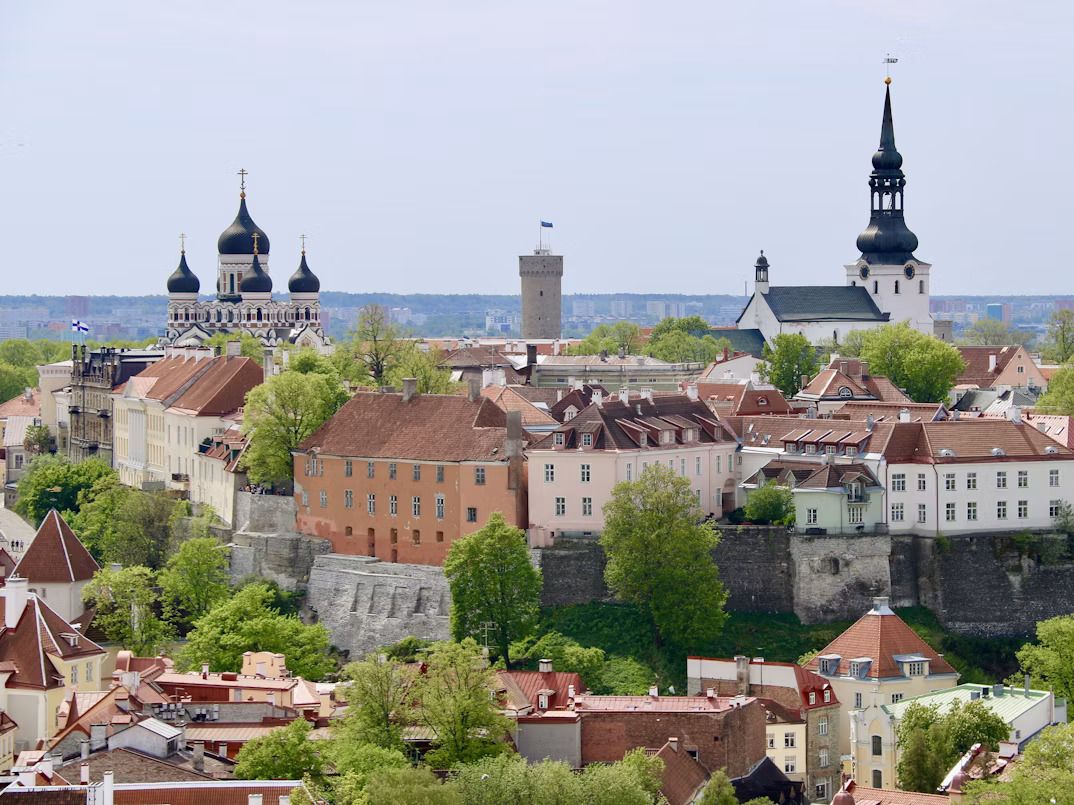
If you have time to explore more of Estonia, here are some of the best places to visit.
Lahemaa National Park is located around an hour east of Tallinn and is Estonia's largest national park. Entrance to the park is completely free. Walk the boardwalk through Viru Bog, then visit the beautifully restored Palmse Manor. You can also swim in the lake behind the observation tower.
Pärnu, Estonia's "summer capital," is roughly two hours south and known for its long sandy beach and spa traditions.
Tartu, home to a university founded in 1632 and a European Capital of Culture in 2024, is a youthful, creative city about two hours from Tallinn. Its lively streets and riverside cafés make it a destination that feels both historic and innovative.
Saaremaa, Estonia's largest island, is reached by a short ferry hop from the mainland. Expect windmills, juniper-scented meadows, and the remarkably well-preserved bishop's castle in Kuressaare.
Soomaa National Park is famous for its "fifth season," when spring floods turn the landscape into a water world you can explore by canoe. In southeastern Estonia, the Võru region keeps the smoke sauna tradition alive, recognized by UNESCO in 2014.
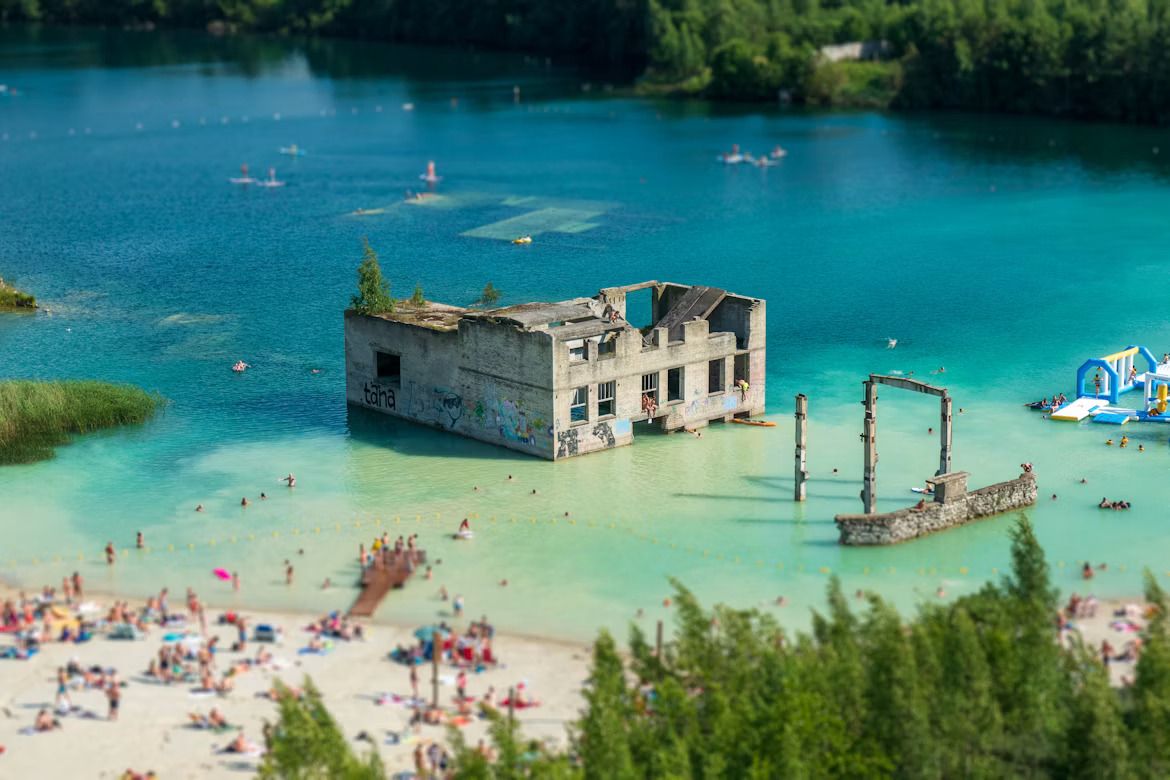
Tallinn has a cool, maritime-influenced climate with four distinct seasons. The figures below are approximate typical ranges.
| Season | Typical range | What to expect |
|---|---|---|
| Spring (Mar–May) | 32 to 57°F (0 to 14°C) | Thawing streets, fresh greenery, fewer crowds |
| Summer (Jun–Aug) | 54 to 72°F (12 to 22°C) | Long days, terraces, beach weather |
| Autumn (Sep–Nov) | 36 to 59°F (2 to 15°C) | Golden foliage, crisp air, cozy cafés |
| Winter (Dec–Feb) | 18 to 32°F (-8 to 0°C) | Snow, ice-blue light, short days |
Daylight swings dramatically at this latitude. Around midsummer, the sun stays up nearly 19 hours and nights never get fully dark, while in December you get roughly 6 hours of light. The Baltic Sea itself warms to around 64 to 68°F (18 to 20°C) in midsummer, enough for a quick dip. Pack layers whatever the month, and a waterproof jacket is wise even in July.
Tallinn and Helsinki are best experienced on the same trip, particularly during the autumn and winter months. In southern Finland, the autumn foliage — known as ruska — typically peaks from late September to early October, while Helsinki’s Baltic Herring Market brings centuries of maritime tradition to the harbor at the start of October.
Just across the Gulf of Finland, Estonia mirrors this seasonal beauty with its own amber-toned forests, alongside November’s Tallinn Black Nights Film Festival, one of Northern Europe’s most significant cultural events.
Winter is arguably the most atmospheric time to visit Finland and Estonia. Our Helsinki and Tallinn Christmas Markets guide makes one thing clear: both are well worth experiencing. In Helsinki, the festive market takes over Senate Square in December, while Tallinn’s Christmas Market transforms Town Hall Square from late November to New Year, beneath a towering tree that the city traces back to a tradition begun in 1441.
Expect the scent of mulled wine, hand-crafted mittens, roasted almonds, and traditional wooden toys. Tallinn is often ranked among the Best Christmas Markets in Europe, alongside destinations such as Nuremberg, Strasbourg, and Vienna, yet retains a more intimate atmosphere. Opening dates vary each year, so it is worth checking in advance when planning your trip.
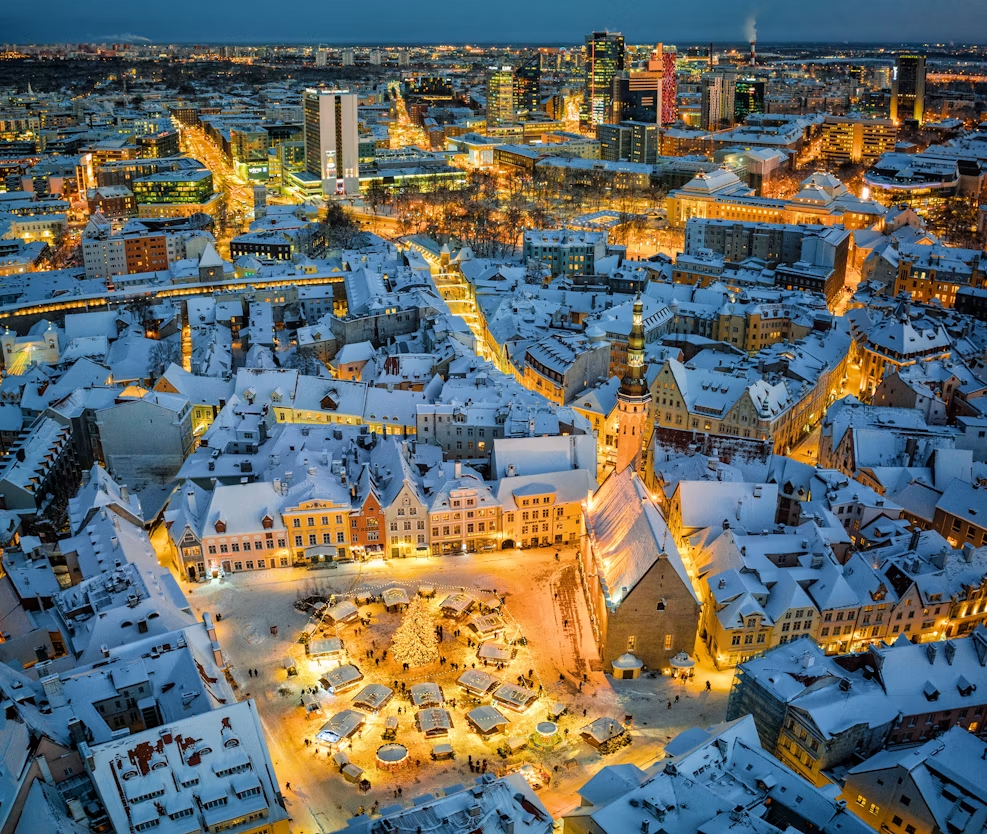
Estonia is compact, and journeys between its main towns are typically no more than three hours by road. This makes it easy to combine cities, coastline, bogs, and islands within a single itinerary, without spending long periods in transit.
Tallinn and Tartu both have extensive bus networks, and Tallinn adds trams and trolleybuses. The Ühiskaart travel card works across Estonia and on intercity lines, whichever town you buy it in (with the exception of Tartu's local cards). The Old Town itself is best enjoyed on foot, and taxis and ride-hailing apps such as Bolt are inexpensive options for late nights or tired legs.
Elron runs Estonia's domestic trains from Tallinn's Balti Jaam station, right on the edge of the Old Town. Routes reach Tartu, Narva, Viljandi, and Pärnu, and most trains have Wi-Fi and charging points. The Tallinn to Tartu journey takes around 2 hours, with tickets available to buy online.
Buses are the backbone of Estonian travel, linking virtually every town and village. Lux Express is the best-known operator, with frequent departures to Tartu (around 2 hours 15 minutes) and a faster run to Pärnu (about 1 hour 45 minutes). Services also reach the islands of Muhu, Saaremaa, and Hiiumaa.
Remember that you can take your car with you. All three Helsinki to Tallinn ferry operators transport vehicles, so you can drive off in Estonia and start your road trip straight away.
If you prefer not to cross with your own vehicle, rental cars are available at Tallinn and Tartu airports and in city centers. EU driving licenses are valid in Estonia, and drivers from elsewhere should check whether they need an International Driving Permit. A classic one-week loop connects Tallinn, Lahemaa, Tartu, Pärnu, and back to the capital, with each leg taking around two hours.
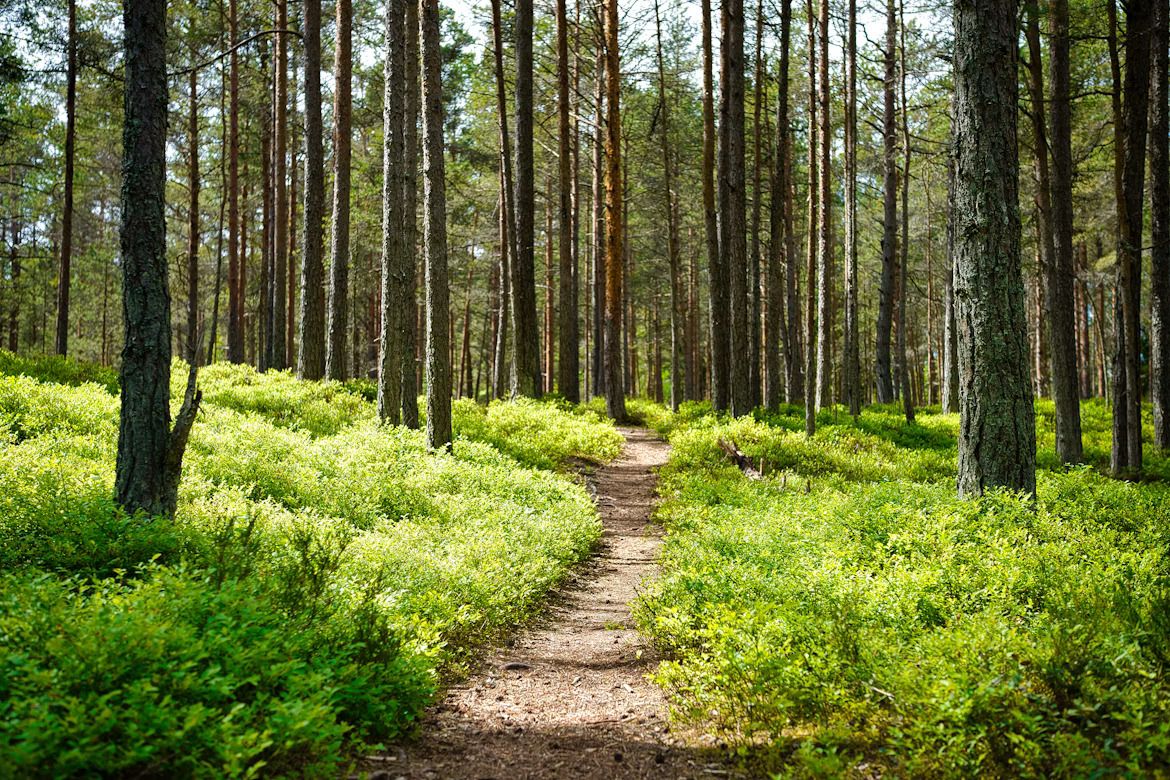
Even a short hop across the Gulf goes more smoothly with a few smart habits:
Both countries are in the Schengen Area, so there are normally no routine border checks, but you should still carry a passport or national ID card in case you are asked to present it by your ferry company. Citizens of the EU and EEA can usually travel on a national ID card. Visitors from outside the EU should check their own entry requirements, as time spent in Estonia counts toward your Schengen stay limit.
Yes, especially in Tallinn and among younger people. Estonian is the official language, and Russian is also spoken by a significant part of the population. Learning a couple of words, such as tere (hello) and aitäh (thank you), is always appreciated.
It is generally very safe. As in any popular destination, keep an eye on your belongings in crowded areas of the Old Town. The emergency number is 112, as across the EU.
Two to three days should be enough for Tallinn. Allow five to seven days if you want to add Lahemaa, Pärnu, Tartu, or an island to your travel itinerary. A single overnight stay is enough for the Old Town highlights but leaves little room for anything beyond the city.
Generally yes, particularly for accommodation, dining, and taxis, which is why many Finns come over for short breaks. Prices in Old Town restaurants and hotels have crept up in recent years, though. Eating just outside the walls, in neighborhoods like Kalamaja, usually stretches your budget further.
Yes, there is plenty to keep children entertained, including the Estonian Open Air Museum, Tallinn Zoo, and the AHHAA science center in Tartu. Many attractions offer family tickets. Just remember that cobblestones in the Old Town can make strollers bumpy, so stick to the smoother main streets.

Whether you are visiting Christmas markets or the saunas, a journey between Finland and Estonia offers an unforgettable contrast just a short crossing apart. Book your ferry tickets and start planning a trip that connects two remarkable capitals.