Commuting by Ferry

Commuting by Ferry
Cars, buses, trains and planes aren't your only options for getting to work. Traveling by ferry can be a great way to commute between coastal cities and islands, or even cross international borders, helping you avoid long drives or indirect journeys. Forget traffic jams and airport lines - you could check items off your to-do list while soaking up sea views, catch up on emails over a meal on board, or unwind after a day's work in a cozy lounge with a hot drink in hand.
From the benefits of traveling by ferry to popular routes and what to expect on board, our guide covers everything you need to know about traveling to and from work by ferry.
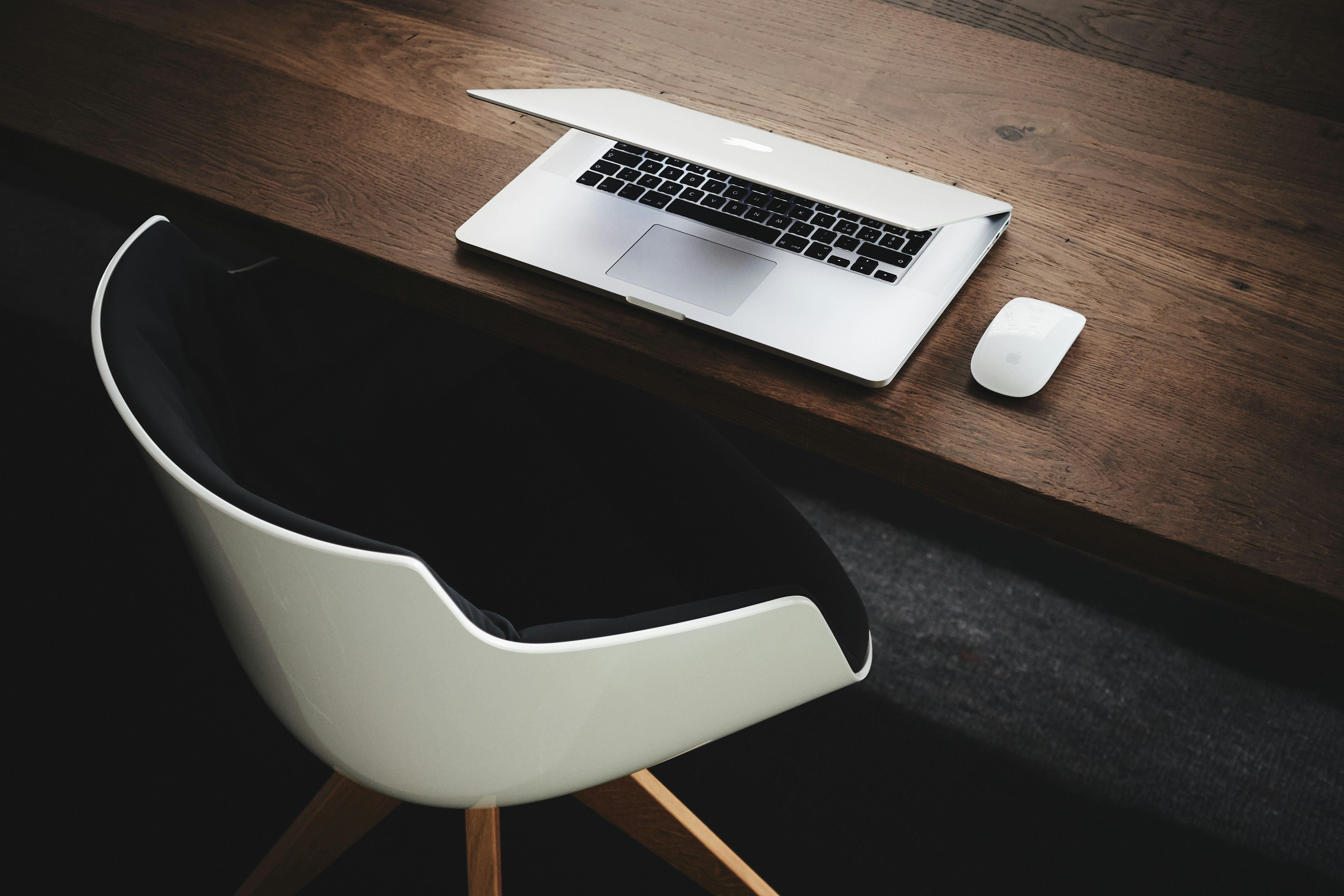
Traveling by ferry comes with plenty of perks. It's more than just a way to get from A to B — it can make your journey more comfortable, enjoyable and even more productive. Here are some reasons to consider traveling by ferry:
Many ferries offer Wi-Fi, power outlets and comfortable lounges where you can catch up on emails, prepare for meetings or get through your to-do list. Unlike driving, where you have to keep your eyes on the road, you can focus on your work instead.
Depending on your ferry and ticket type, you can enjoy modern lounges with reclining seats and plenty of space to stretch your legs. Unlike other modes of transportation, you don't have to stay in your seat either – you can get up and move around whenever you like. On longer crossings, you can also enjoy private cabins.
On board a ferry, the journey is part of the experience. You can soak up beautiful coastal views from the deck, savor a meal in the onboard restaurant or settle down with a coffee and a good book. On some routes, you'll even find entertainment such as cinemas and live music, giving you plenty to enjoy when you're not working.
A ferry can be a convenient option if you need to bring large bags or work equipment with you. Luggage allowances are often generous on ferries, and many services offer dedicated storage areas for foot passengers, so you don't have to keep everything with you during the crossing.
Many ferry ports are close to city centers or well connected by public transportation, making it easier to get to your workplace without having to pay for transfers. Depending on the route, you can be just a short walk from your final destination.
Depending on the route, taking a ferry may offer a lower-emission option than flying. You can use our online carbon footprint calculator to compare the estimated footprint of your journey before you travel.
Some ferry routes allow you to bring your car or bicycle, giving you more flexibility when you reach the other side. This is especially useful if your workplace is outside the city center and you don't want to rely on public transportation to get you there. Make sure you check the operator's vehicle and bicycle policies before booking.
Traveling with colleagues? A ferry journey gives you the opportunity to enjoy coffee or a meal together, or even work alongside each other. If you're traveling alone, ferries can also be a great way to meet new people.
One of the advantages of traveling to and from work by ferry is the range of onboard facilities you can enjoy. Of course, facilities can vary depending on the operator, vessel and route you're traveling on. Amenities on shorter crossings can be basic, while longer crossings often have additional amenities to make your journey more comfortable and enjoyable. These might include:
Many ferry operators cater to commuters, with a range of facilities onboard to make your journey to and from work as smooth as possible*. Here are some examples of ferry operators worth considering for work-related travel:
Stena Line offers several amenities that can help you make the most of your time on board, including fast premium Wi-Fi, power outlets and USB charging points. For extra comfort, you can upgrade to one of its dedicated lounges. The Stena Plus Lounge offers comfortable seating, sea views and complimentary refreshments, along with newspapers and magazines. Or if you're looking to just switch off and relax after a day working, the Hygge Recline Lounge is perfect, with reclining armchairs and gentle seat-lighting.
Tallink Silja Line is a popular choice with commuters traveling across the Baltic Sea, with a variety of lounge options to choose from.
The Comfort Lounge provides a private seating area with free Wi-Fi, charging points and newspapers, and a bar where you can purchase food and drinks. Business travelers can also make use of conference rooms with meeting equipment.
For a more luxurious experience, a Business Lounge is also available on selected ships, including MyStar and Megastar vessels. This modern spacious seating area includes premium Wi-Fi, complimentary food and drinks, daily newspapers and priority boarding and disembarkation, along with a VIP area for meetings. Business Lounge access also includes the Tallink Lounge in Terminal D in Tallinn, where passengers can enjoy free refreshments, and access to Wi-Fi and power outlets before boarding.
For even more privacy, Tallink Silja Line also offers an exclusive Platinum Lounge with 6 seats, complete with perks like Bose noise-canceling headphones and HDMI cables so you can connect the TV with your laptop.
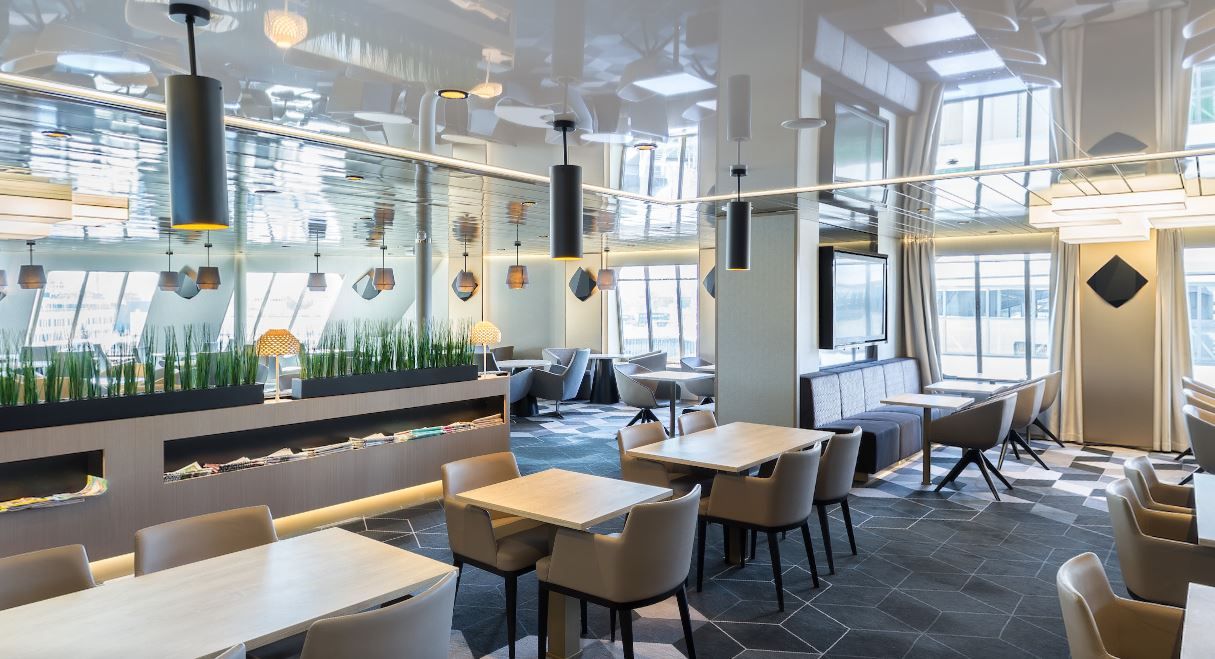
Color Line, which serves popular routes across Northern Europe, is also a good choice for commuters who want to work or relax. Business Class seating is available on SuperSpeed 1 and SuperSpeed 2, which includes a dedicated seating area with reclining seats, free Wi-Fi, complimentary refreshments, newspapers and luggage lockers.
On longer crossings, passengers can also book cabins, with Color Class and Suites offering features such as Wi-Fi and desk space for private working. Some vessels also have conference spaces, ideal for meetings on board.
P&O also offers lounge access on selected routes, providing additional comfort for passengers traveling to and from work. Club Lounges offer a dedicated space to focus, with facilities such as comfy seating, charging points, free Wi-Fi and places to work, along with meeting facilities on certain routes. Complimentary refreshments and sea views add to the experience.
If you're traveling overnight or just have an early or late sailing, their Sleep Lounges are a great place to switch off. They come with reclining seats, USB charging points, individual lockers and reading lights, offering the perfect place to relax. On longer routes, private cabins are also available, with selected Club Staterooms offering desk space for passengers who need to work during their journey.
In Japan, operators such as Nankai Ferry are also good for commuters. The company's Business Corner offers a dedicated area with individual partitions, workspaces, reading lights, power outlets and free Wi-Fi, giving passengers a quiet and comfortable place to concentrate during the ferry crossing.
Passengers also have the option to upgrade to Green Seats, which offer reclining seats, individual tables and additional storage for a more comfortable journey.
Here's a summary of popular ferry operators and their facilities for commuters:
| Ferry operator | Facilities that may benefit commuters |
|---|---|
| Stena Line | Fast premium Wi-Fi, charging points, Stena Plus Lounge and Hygge Recline Lounge |
| Tallink Silja Line | Comfort, Business and Platinum Lounge options, Wi-Fi, refreshments and business facilities on selected ships |
| Color Line | Business Class seating, Wi-Fi, refreshments, private cabins and conference facilities on selected services |
| P&O Ferries | Club Lounges, Sleep Lounges, charging points, Wi-Fi and a variety of cabin options on longer crossings |
| Nankai Ferry | Business Corner workspaces, power outlets, Wi-Fi and Green Seats |
*Facilities vary depending on the operator, vessel and length of your crossing. Shorter routes may offer just basic amenities, such as seating and vending machines, while longer crossings often provide a wider range of onboard facilities.
Commuting by ferry is popular around the world. From short crossings that connect neighboring towns to longer routes that cross the border, many people travel by ferry to and from work. Ferries offer a convenient alternative to road, rail and bus travel, while also making your journey more enjoyable, with beautiful sea views and the opportunity to relax on board and arrive at work feeling refreshed.
Commutes vary depending on the route, ranging from quick 10-minute crossings ideal for everyday travel, to longer journeys where onboard facilities can really play a part in your experience. Here are some examples of some popular short and long ferry commutes across the world:
Short ferry crossings are especially popular in coastal cities and islands, providing a quick and easy way to travel between home and work. For example, the Southampton to West Cowes route connects the mainland with an island, while Rødby to Puttgarden links two islands.
Here are some examples of short ferry routes that could be useful for everyday commuting.
| Commuter route | Operator | Approximate crossing time |
|---|---|---|
| Southampton - West Cowes | Red Funnel | 28 minutes |
| Rødby - Puttgarden | Scandlines | 45 minutes |
| Messina–Villa San Giovanni | Caronte & Tourist | 20 minutes |
| Batam - Singapore | Sindo Ferry, Batam Fast Ferry, Majestic Fast Ferry | 50 minutes - 1 hour |
Longer ferry crossings can be a good option for weekly commuters and people traveling further afield for work, offering a different experience from shorter services used for everyday commuting. Rather than simply providing a quick connection between two places, they can give you time to relax, enjoy a meal, catch up on work, or even get some sleep.
Here are some examples of longer ferry routes, along with the facilities you may find on board:*
| Commuter route | Origin/Destination | Operators | Approximate crossing time | Facilities available on board |
|---|---|---|---|---|
| Dover - Calais | England-France | Irish Ferries, P&O Ferries, DFDS Seaways | 1 hour 30 minutes | Wi-Fi, cafes, restaurants, premium lounge upgrades |
| Holyhead - Dublin | Wales-Ireland | Irish Ferries, Stena Line | 3 hours 15 minutes | Wi-Fi, restaurants, cafés, premium lounge access |
| Cairnryan - Larne | Scotland – Northern Ireland | P&O Ferries | 2 hours | Free Wi-Fi, restaurants, cafés, comfortable seating, lounge upgrades |
| Harwich – Hook of Holland | England - Netherlands | Stena Line | 7 hours 30 minutes | Paid premium Wi-Fi, dining, lounge upgrades, private cabins |
| Poole - Jersey | England – Channel Islands | DFDS Seaways | 4 hours 30 minutes | Free Wi-Fi, premium seating, cafe, lounge upgrades |
| Tallinn - Helsinki | Estonia - Finland | Tallink Silja Line, Viking Line, Eckerö Line | 2 hours 30 minutes | Restaurants, cafés, Wi-Fi and lounge upgrades |
| Hirtshals–Kristiansand | Denmark - Norway | Color Line, Fjord Line | 3 hours 15 minutes | Wi-Fi, lounge access, cabins, cafes and restaurants |
| Kobe - Takamatsu | Japan | Jumbo Ferry | 4 hours 30 minutes | Wi-Fi options, power outlets, food and drink outlets, seat upgrades |
| Buenos Aires - Montevideo | Argentina - Uruguay | Buquebus, Colonia Express | 4 hours | Wi-Fi access, choice of seating classes |
| Wellington - Picton | New Zealand (North Island – South Island) | Interislander, Bluebridge | 3 hours 30 minutes | Free onboard Wi-Fi, food and drink outlets |
*Crossing times and onboard facilities vary by operator, vessel, sailing and season. Check the operator's website for the latest information before booking
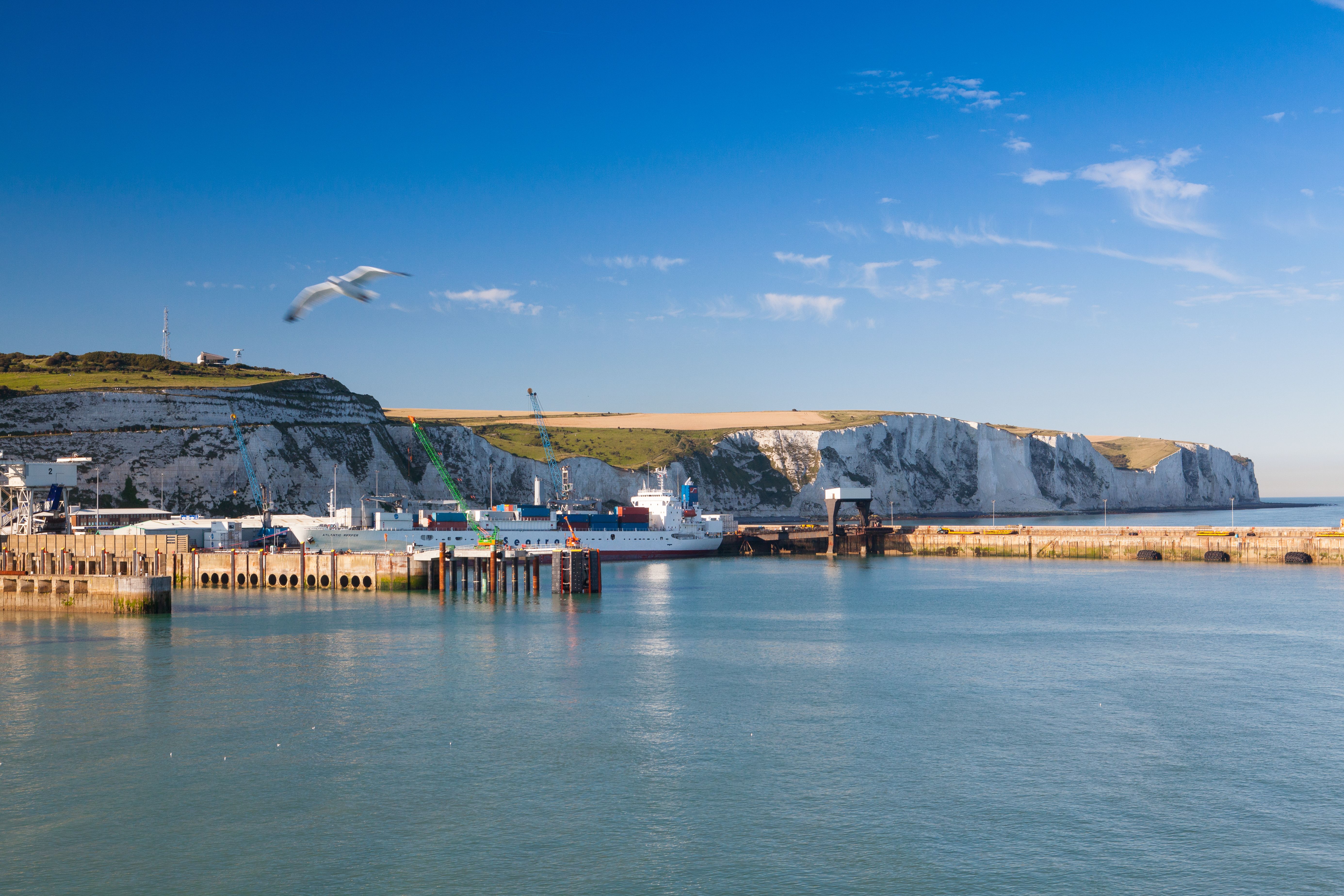
Whether you're taking a short crossing or a longer international journey, a little preparation can help make traveling by ferry as smooth and stress-free as possible. Here are some of our top tips:
Allow plenty of time to reach your workplace: Make sure you plan your route in advance, including how you’ll get from the port to work. For international crossings, allow time for passport control and security checks. Keep an eye on service updates too in case of unexpected delays to your journey.
Check onboard facilities in advance: If you plan on working during the crossing, check whether your ferry offers Wi-Fi, charging facilities and a suitable place to work.
Consider booking a lounge seat or cabin: Lounges can offer a quieter and more comfortable place to work or relax and often come with perks like free refreshments for a more enjoyable commute. For longer or overnight crossings, a private cabin can give you somewhere to rest and arrive feeling refreshed.
Check documents required before you travel: For international journeys, check the passport, visa and entry requirements for your destination before traveling. Make sure you keep your documents somewhere easily accessible.
Choose flexible tickets if possible: If your meetings run over or your working hours change, a flexible ticket makes it easier to change your sailing. Ticket conditions vary by operator, so check whether changes are permitted and whether there are any fees. You can find out more about ticket types here.
Consider booking priority boarding/disembarkation: If getting on or off the ferry quickly is important, check whether priority boarding or disembarkation is available on your route, as this could save you time.
Plan for connectivity issues: Wi-Fi connectivity can really vary depending on the vessel, route and weather conditions. We recommend downloading important files just in case. If you’re traveling internationally and plan to use mobile data, make sure you check roaming charges before you travel too.
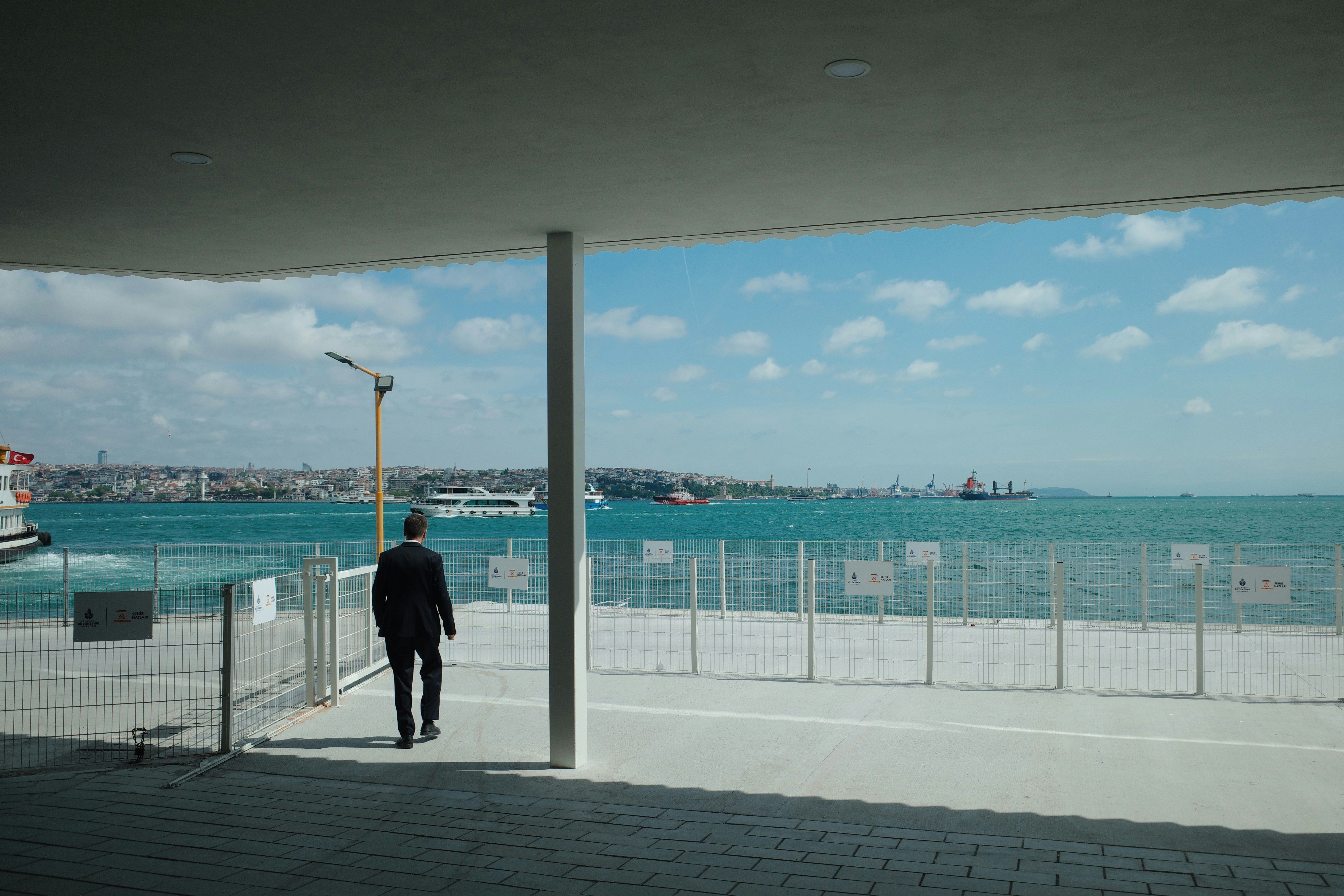
We'd recommend booking your ferry in advance, especially if you're traveling regularly, need to arrive at work by a specific time or are traveling on busy routes. Booking ahead can often help you secure a better price and guarantee a place on your chosen sailing.
Whether you can change your sailing depends on the ferry operator and the type of ticket you've booked. Some tickets allow changes free of charge or for a small fee. If your working hours vary, make sure you check your ticket conditions before booking.
If your ticket allows changes, you can modify your booking through the My Account section of the Direct Ferries website. Log in using your email address and booking reference number, select the relevant booking and follow the instructions to make your changes. Depending on your ticket conditions, you may need to pay an administration fee or any difference in fare. If you need help, you can contact the Direct Ferries support team through the messenger in My Account.
Many commuter ferry routes operate throughout the year, although timetables can vary depending on the season. Some quieter routes may have reduced services during off-peak periods, so we'd recommend checking the latest timetable before traveling.
It all depends on your route, how frequently you travel and whether you're traveling as a foot passenger or taking a vehicle on board. Foot passenger fares are generally cheaper than traveling with a car. It's also worth comparing the cost of ferry tickets with other commuting expenses, such as fuel, parking, tolls and train fares to see which is the cheapest option.
It generally depends on your ticket type and the ferry operator you’ve booked with. Some tickets are only valid on the specific sailing you’ve booked, while some flexible tickets may allow you to board a later crossing, although this may incur a fee. Always check your ticket conditions in advance.
Many commuter ferries offer accessibility facilities for wheelchair users, although these vary depending on the vessel and operator. Facilities may include wheelchair ramps, lifts, accessible seating and restrooms. Make sure you check the accessibility information for your chosen sailing in advance and contact the ferry operator if you require assistance. Check out our accessible ferry guide for more information.
Overnight ferries can be great for weekly commuters traveling long distances. Depending on the route, you can book private cabins for a good night's sleep so you can arrive at the office feeling refreshed. Overnight sailings can also help you make better use of your time by traveling while you sleep, rather than taking time out of your working day.
Commuting by ferry has plenty of benefits, from being able to work on board to relaxing on your journey home after a day in the office. And at Direct Ferries, we've made it easy to compare crossings, timetables and prices, so you can find a ferry that fits around your work schedule. So, book your ferry today and swap your usual commute for a more scenic one.
More routes than anyone else.

Compare fares, times & routes in one place.
Change plans easily with flexi tickets.

Book e-tickets & manage trips in-app.
Live ship tracking & real-time updates.

Top-rated customer support when you need it.