Visiting Bergen in the Autumn and Winter: A Guide to Norway’s Fjord Capital
Things to do
Things to do
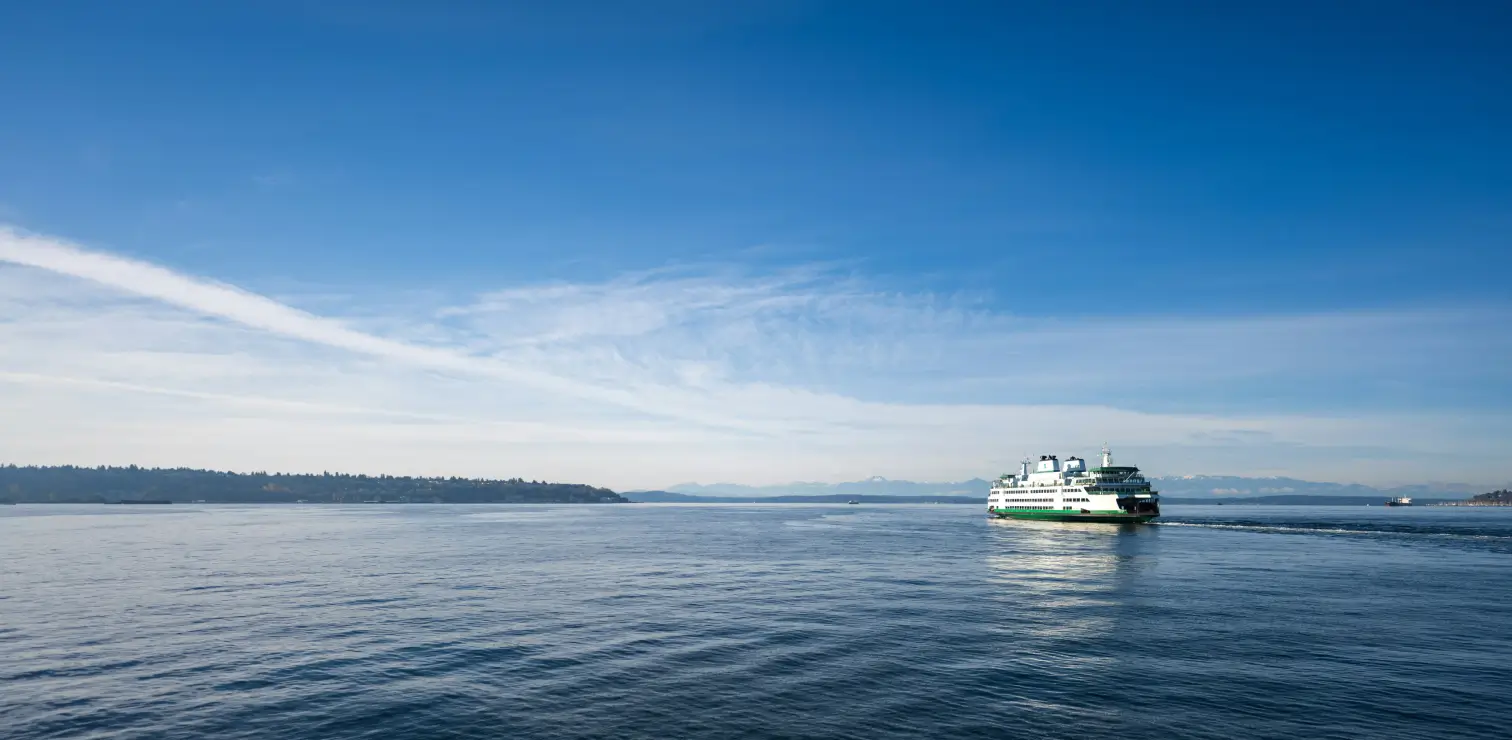

Visiting Bergen in autumn or winter reveals a completely different side of the second-largest city in Norway. As the summer crowds disappear, the surrounding mountains turn shades of gold and amber before giving way to snow, while the historic wooden buildings of Bryggen glow beneath atmospheric Nordic skies. Whether you’re planning an autumn city break, a winter escape or a scenic fjord adventure, this guide covers everything you need to know about visiting Bergen between September and February.
Bergen is a city built on contrasts: a UNESCO-listed Hanseatic wharf beside a modern harbor, seven hills rising straight from the sea, and a cultural scene far livelier than its size suggests. In the autumn and winter, that character comes into sharper focus. You will find shorter queues, quieter viewpoints and, in many cases, lower prices on accommodation than during peak summer.
There is also a strong case for Bergen as a gateway to the wider country. If you are still deciding whether Norway deserves a spot on your list, this look at why you should visit Norway makes a persuasive argument, and Bergen is one of the easiest places to start.
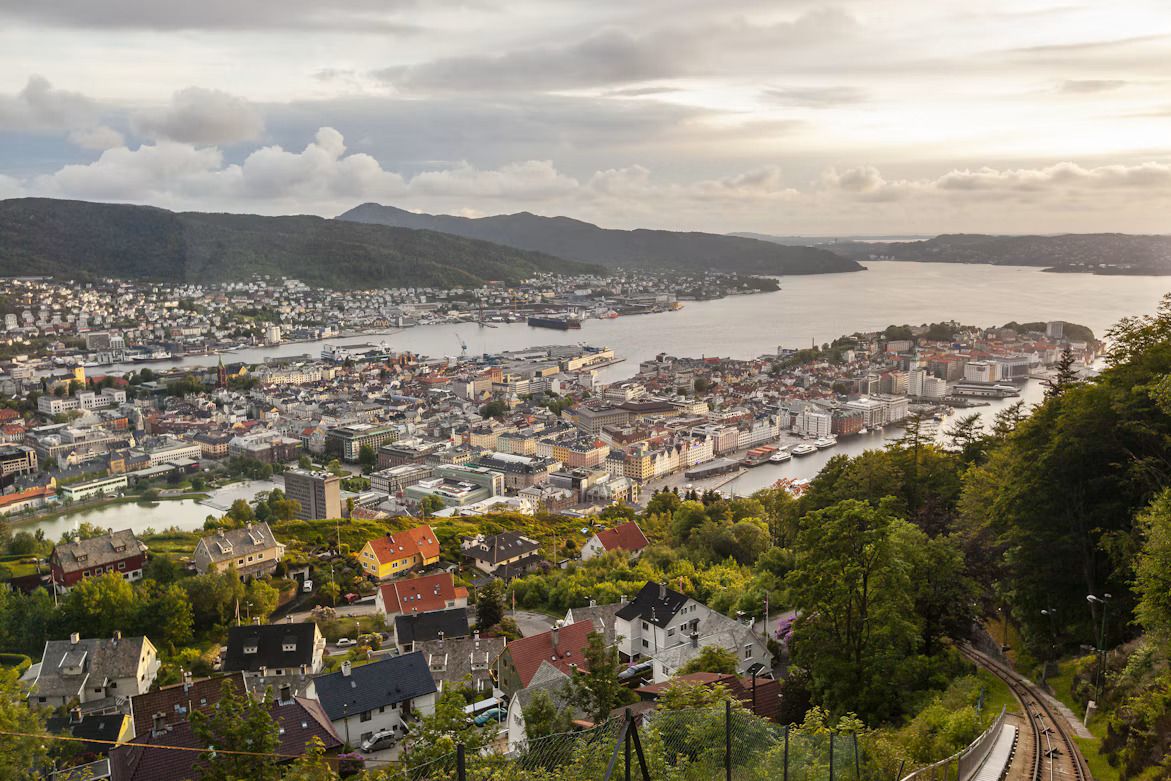
Situated on Norway’s west coast, Bergen enjoys relatively mild winters for its latitude thanks to the warming influence of the Gulf Stream. Snowfall in the city centre is less dependable than you might expect. The same cannot be said for the rain. The surrounding mountains trap Atlantic weather systems, bringing frequent showers, so waterproof clothing is essential. The trade-off is that temperatures rarely fall as sharply as they do in inland Norway.
Daylight is another important consideration. Around midwinter, Bergen has just five to six hours of daylight, so make the most of the brightest part of the day by planning outdoor activities for late morning and early afternoon. Leave museums, leisurely dinners and cozy evenings to enjoy once darkness falls.
| Month | Avg. daytime high | Daylight (approx.) | What it feels like |
|---|---|---|---|
| September | 59°F (15°C) | 12 hours | Crisp, golden and still fairly bright |
| October | 52°F (11°C) | 10 hours | Peak fall color, frequent showers |
| November | 45°F (7°C) | 7 hours | Dark, damp and increasingly festive |
| December | 41°F (5°C) | 5–6 hours | Christmas lights, candles, the cozy peak |
| January | 39°F (4°C) | 6–7 hours | Quiet, cold and possibly snowy |
| February | 41°F (5°C) | 9 hours | Light returns fast; great for hiking |
Please be aware that the figures shown are broad averages and vary year to year, so check the Norway weather forecast shortly before you travel.
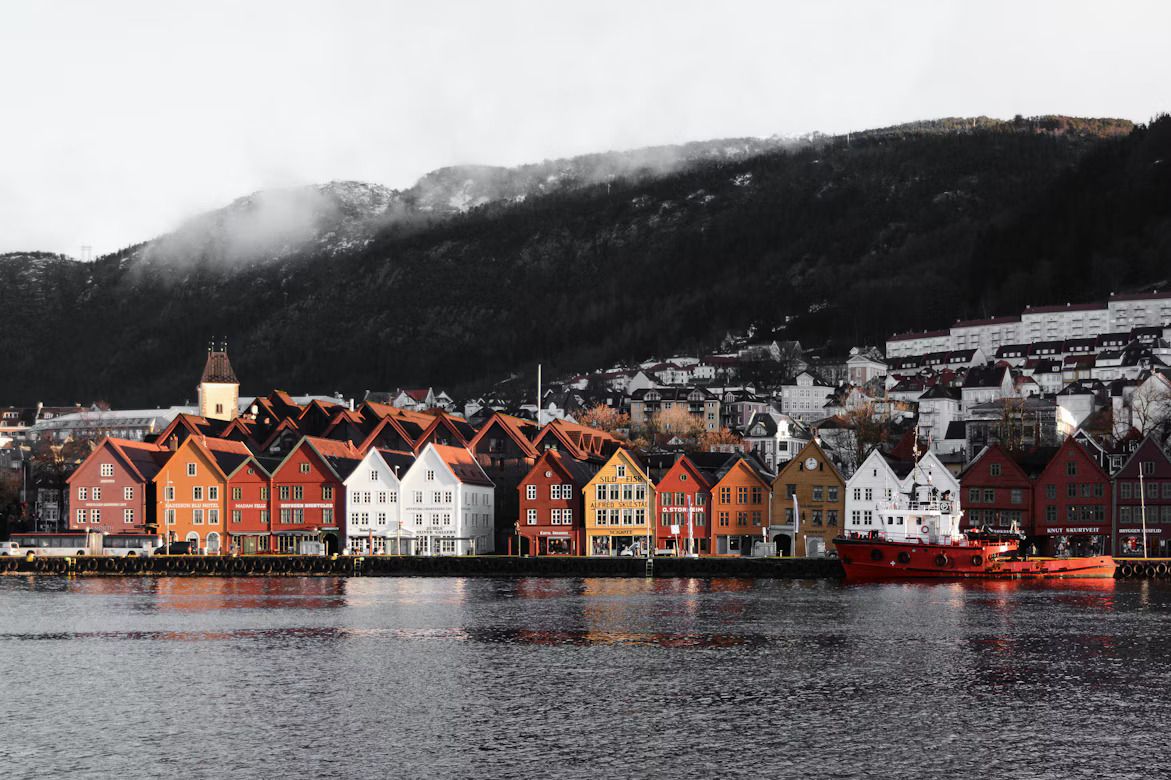
Few sights capture Bergen’s charm quite like Bryggen, the UNESCO-listed waterfront lined with colorful, centuries-old wooden buildings overlooking Vågen harbor. As darkness falls, the warm glow of the streetlights and illuminated windows brings the historic wharf to life, making it one of the most atmospheric places in the city for an evening stroll. Wander through the narrow wooden alleyways between the buildings, where you’ll discover independent craft shops, artists’ studios and hidden courtyards that feel like stepping back into medieval Norway.
For a deeper insight into Bergen’s trading history, visit Schøtstuene on Øvregaten 50, where the Hanseatic merchants once gathered to eat, cook and conduct business. Guided tours explore the historic assembly rooms before continuing through Bryggen’s atmospheric passageways, revealing how German-speaking merchants helped transform Bergen into one of Northern Europe’s most important trading ports. Just behind the waterfront, you’ll also find St. Mary's Church, one of the oldest surviving buildings in the city.
Seeing Bergen from above is one of the highlights of any winter visit. For an easy introduction to the surrounding mountains, hop aboard the Fløibanen funicular at Vetrlidsallmenningen, just a short walk from Bryggen. The scenic ride takes you up Mount Fløyen in around six minutes, offering spectacular views across the city’s rooftops, harbor, fjord and surrounding islands.
For an even more dramatic panorama, take the Ulriken cable car (Ulriksbanen) to the summit of Mount Ulriken, the highest of Bergen’s seven mountains. From the top, you can admire sweeping views across the fjords, surrounding peaks and coastline, with Bergen spread out beneath you. There’s also a mountain café and restaurant where you can warm up and enjoy the scenery. Winter opening hours can vary, and services may be affected by weather, so check the latest schedule before setting out.
Bergen has a rich cultural scene, making it an excellent destination for exploring Norway’s artistic and musical heritage, particularly on rainy or snowy days. From world-class art collections to historic homes and fascinating maritime history, there are plenty of ways to experience the city indoors. Highlights include:
If you're visiting in November or December, Bergen's festive atmosphere is another reason to make the trip. The city center fills with festive decorations and Christmas markets, creating a wonderfully cozy setting against the backdrop of its historic waterfront and surrounding mountains. The main Bergen Christmas Market takes place at Festplassen, near Lille Lungegårdsvann, where you can browse wooden stalls selling local crafts and seasonal treats, sample Norwegian Christmas specialties and enjoy the festive rides and attractions.
One of Bergen’s most unusual Christmas traditions is Pepperkakebyen, or the Gingerbread City. Held each year, this extraordinary miniature town is built entirely from gingerbread creations made by local schools, businesses, families and residents. Head to byROMMET on Kong Oscars gate 24–26 to admire the intricate houses, castles, churches and miniature landmarks that recreate Bergen in edible form. It's a charming experience for visitors of all ages and a wonderful way to discover a more local side of the city's Christmas celebrations.
You don't have to travel far from Bergen's center to experience Norway's beautiful mountain landscapes. Mount Fløyen is an excellent starting point for a winter walk, with a network of marked trails winding through peaceful woodland, offering a refreshing contrast to the city's busy waterfront. For an easy outing, follow the trail from the Fløyen viewpoint to Skomakerdiket, a picturesque mountain lake around 800 meters away.
For a longer hike, consider following the trails toward Brushytten, a popular mountain cabin nestled in the surrounding woodland. Whichever route you choose, winter walks offer a wonderful opportunity to experience Bergen's natural beauty beyond its historic streets.
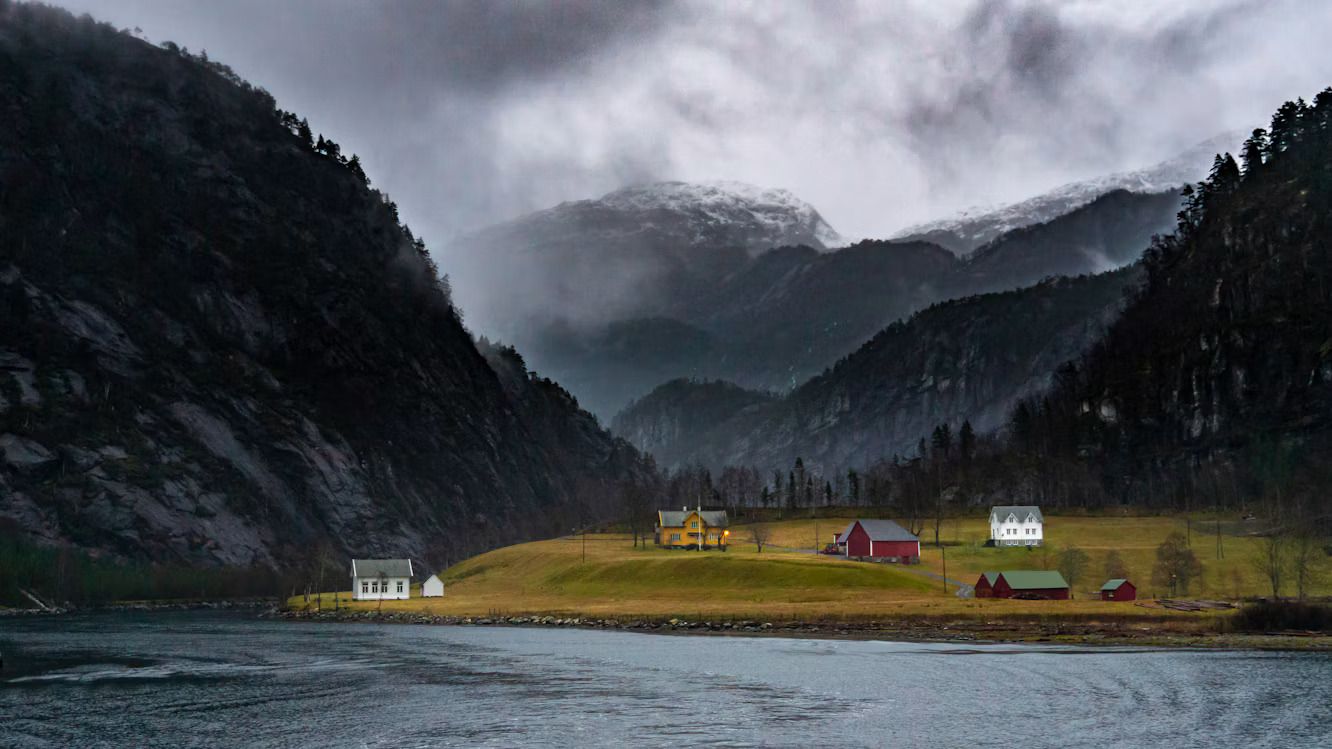
Exploring the fjords is one of the highlights of visiting Western Norway, and winter offers a completely different perspective on these spectacular landscapes. Winter is also a quieter time to experience the fjords, often with fewer visitors than in the summer months. However, cruise operators and tour providers typically run reduced seasonal schedules, so check departure points, operating dates and sailing times in advance.
If the fjords tempt you to see more of Norway, consider going for a longer trip. A guide to the perfect Norway road trip shows how a few days in Bergen can anchor a wider route through fjords, mountains and coastal villages.
Bergen’s harbor is the departure point for many day trips by ferry, which means you can explore the fjords, outer islands and coastal towns without having to stay overnight. The drawback in the winter months is timing. Several routes pause for part of the season, and the short days leave less room for sightseeing, so it pays to match your trip to the calendar.
These routes operate throughout the entire year, making them the most dependable choices from September to February. “Time ashore” is the longest possible window between the first arrival and the last return sailing. It can combine the earliest and latest departures, which may be run by different operators or on different days, so treat it as a maximum rather than a guarantee.
| Destination | One-way crossing | First departure from Bergen | Last return | Longest time ashore | Daily sailings (out / back) | Operator |
|---|---|---|---|---|---|---|
| Os | 1h 10m | 08:50 | 17:23 | 7h 23m | 2 / 1 | Rødne Fjord Cruise |
| Malkenes | 1h 30m | 08:50 | 17:03 | 6h 43m | 2 / 2 | Rødne Fjord Cruise |
| Rosendal | 1h 55m | 08:50 | 16:35 | 5h 50m | 2 / 2 | Rødne Fjord Cruise |
| Krakhella | 1h 55m | 08:00 | 18:18 | 8h 23m | 2 / 2 | Norled |
| Askvoll | 2h 35m | 08:00 | 17:43 | 7h 08m | 2 / 2 | Norled |
| Florø | 3h 25m | 08:00 | 17:00 | 5h 35m | 2 / 2 | Norled |
| Smørhamn | 3h 50m | 08:00 | 16:30 | 4h 40m | 2 / 2 | Norled |
Please keep in mind that ferry schedules change throughout the year, so we recommend visiting the respective route page for the latest information.
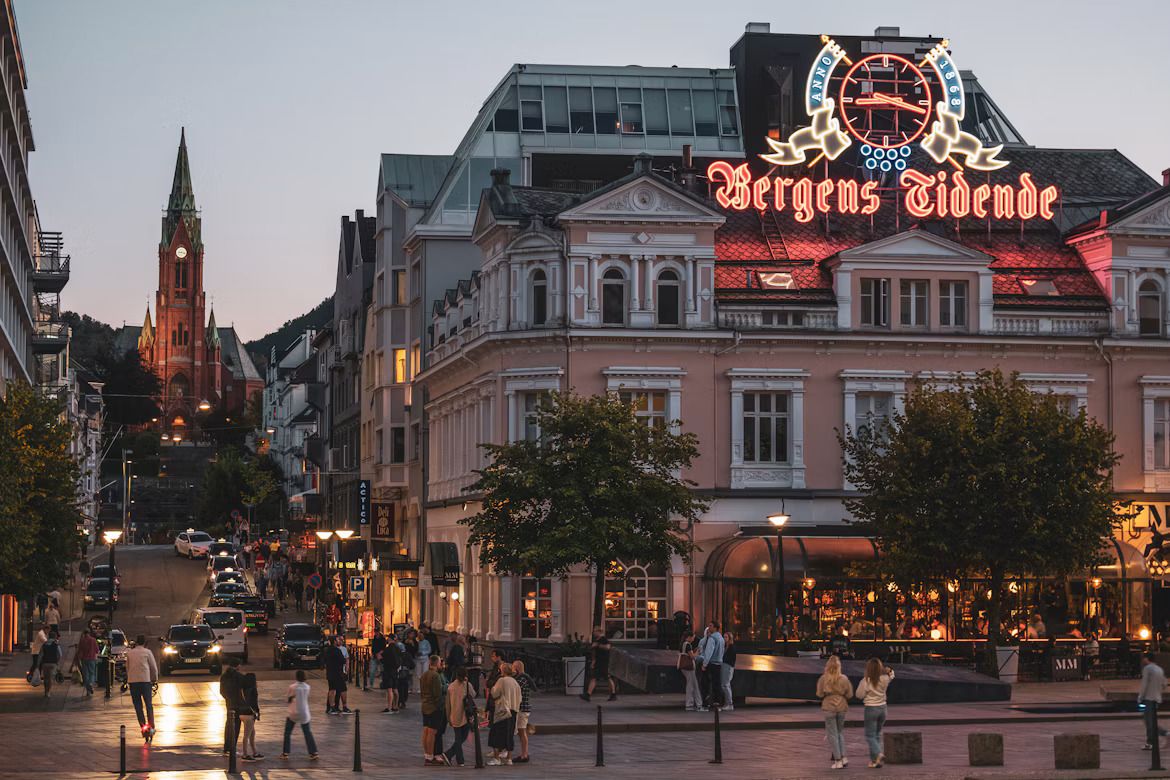
Bergen is a great choice for a family winter getaway. Ride the Fløibanen funicular up Mount Fløyen, explore Bergen Aquarium on the Nordnes peninsula, or visit the festive Christmas markets and Pepperkakebyen gingerbread town. Older children will also enjoy a short fjord cruise, with spectacular winter scenery along the way.
With a walkable city center, family-friendly attractions and activities for all weather, Bergen deserves a place among the best destinations for families in Europe.
Bergen has its own airport with direct flights from many European cities. It is also one of Norway’s most scenic rail destinations. The Bergen Line from Oslo crosses a high mountain plateau and is among the most beautiful train journeys in Europe, especially when snow covers the landscape.
If you prefer to travel by sea and land, you can combine a ferry crossing with a scenic route north. A Scandinavian mini cruise is a good way to reach Oslo before continuing west by road or rail, turning the journey into part of the holiday. Many visitors also pair Bergen with coastal sailings, since the city is the starting point for the famous Hurtigruten voyages up the Norwegian coast.
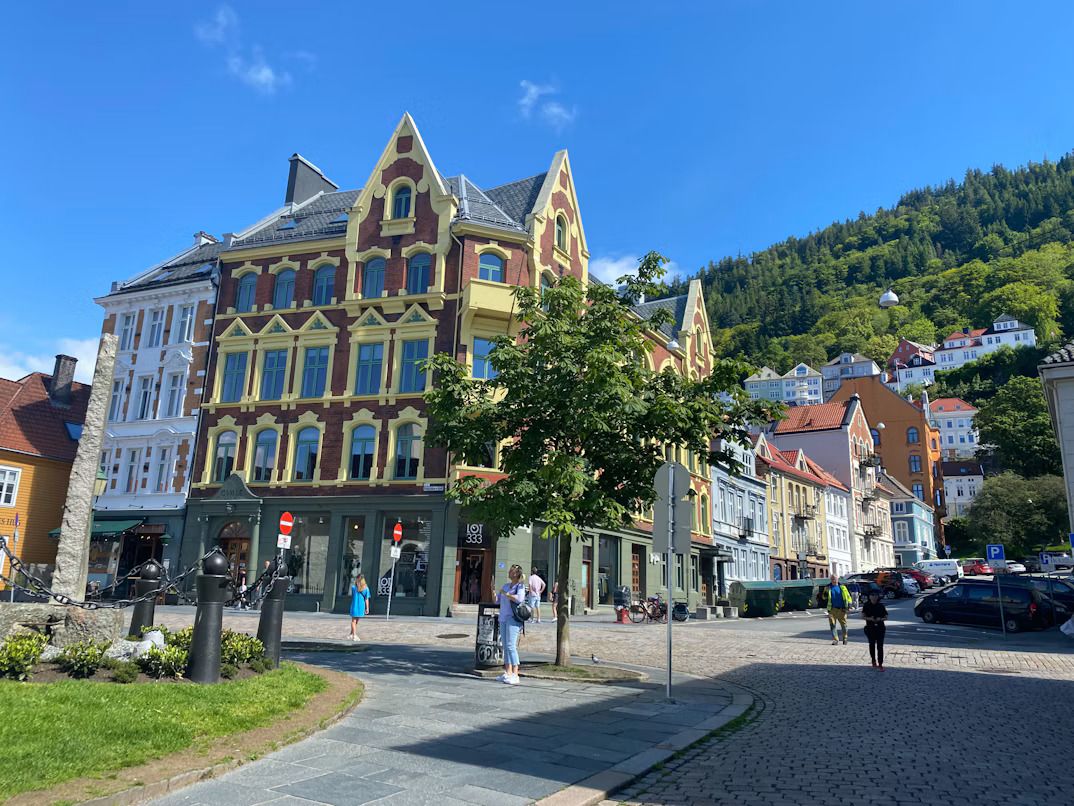
Two to three days is enough to see the main sights, ride a funicular and enjoy the food scene. Add one or two more if you want a full-day fjord excursion or a day hike. In the darker months, an extra day helps you work around the short daylight hours. With three days, you can comfortably explore Bryggen, visit the city's museums, take in the views from Mount Fløyen and enjoy a slower-paced day discovering Bergen's cafes and waterfront.
The easiest option is the Bergen Light Rail (Bybanen), which runs from the airport into the city center in around 45 minutes. The airport bus is generally quicker, and taxis are available, though they cost considerably more. The light rail is particularly convenient for budget-conscious travelers, with stops near most hotels and attractions, while taxis offer a more direct option if you are carrying heavy luggage.
Norway has a high cost of living, and Bergen is no exception. Restaurant meals, alcohol and taxis can feel pricey compared with much of Europe. Visitors can keep costs down by choosing self-catering accommodation, eating lunch rather than dinner out, and using public transport. Consider purchasing a Bergen Card if you plan to visit several museums and attractions, as it can save you lots of money on admission and public transportation.
Very little. Norway is one of the most cashless societies in the world, and cards and mobile payments are accepted almost everywhere, including small cafes and market stalls. The local currency is the Norwegian krone (NOK), but you will rarely need physical notes. Visa and Mastercard are widely accepted, and contactless payments make it easy to pay for everything from public transportation to meals and museum tickets.