A Winter City Break in Copenhagen: The Complete Travel Guide
Things to do
Things to do


Copenhagen is one of the most rewarding winter city breaks in Europe. When the days shorten and the temperature drops, the capital of Denmark doesn't hibernate; it comes alive. Strings of lights trace the gabled facades of Nyhavn, the scent of mulled wine and warm apple pastries drifts through the Christmas markets, and Tivoli Gardens transforms into a storybook village of twinkling trees.
Copenhagen is perfect for a long weekend. This guide covers everything you need to know, including when to visit, how to get there, what to see and how to make the most of the limited daylight.
Winter reveals a more atmospheric side of Copenhagen. With summer crowds gone and hotel rates often lower than in the warmer months, it's an appealing time to explore the city's cultural highlights, from world-class museums and concert halls to Scandinavian design stores. Here's why a winter visit is worth considering:
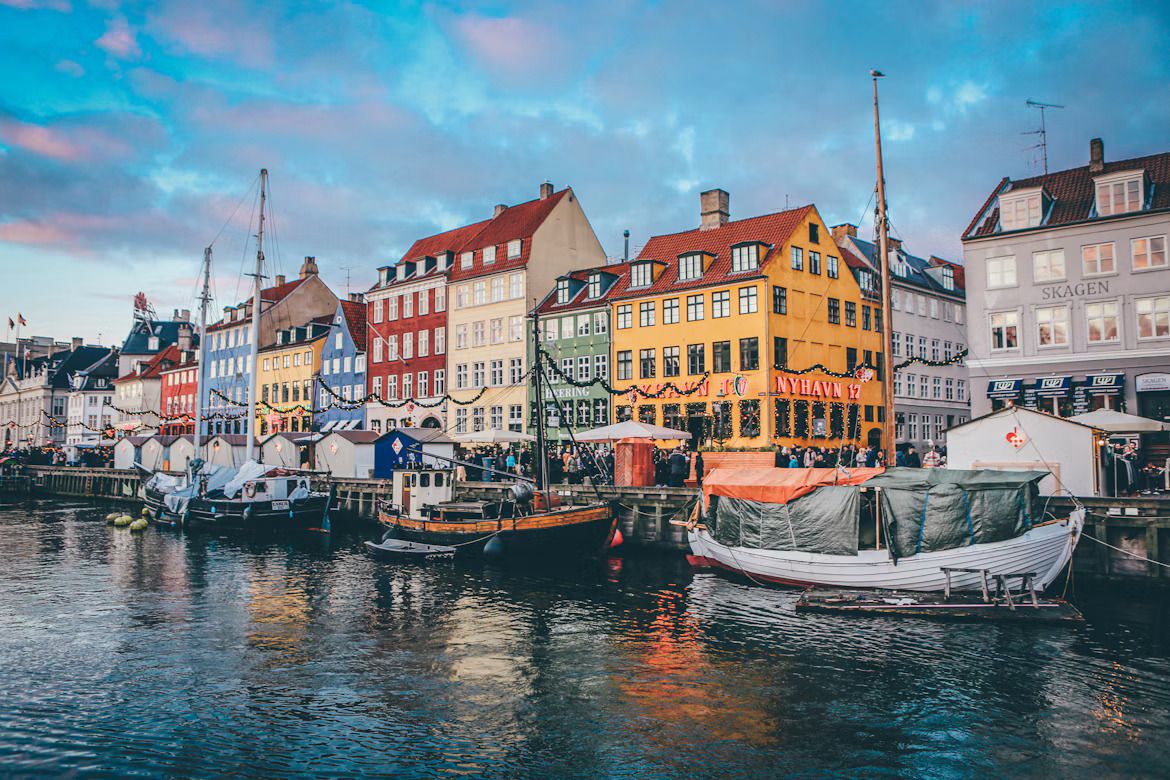
Copenhagen can experience some cold winters. Expect gray skies, a persistent breeze off the Øresund strait and temperatures around the freezing point. The biggest adjustment for most visitors isn't the cold; it's the darkness. Around the winter solstice in late December, the sun rises at roughly 8:40 a.m. and sets before 4:00 p.m., giving just over seven hours of daylight.
| Month | Average High | Average Low | Approximate Daylight |
|---|---|---|---|
| November | 46°F (8°C) | 38°F (3°C) | 8 to 9 hours |
| December | 41°F (5°C) | 34°F (1°C) | 7 hours |
| January | 38°F (3°C) | 30°F (-1°C) | 7 to 8 hours |
| February | 38°F (3°C) | 29°F (-2°C) | 9 to 10 hours |
Which winter month is best? Visit in late November or December to enjoy Copenhagen's Christmas markets and Tivoli Gardens' festive season. January is the perfect time for travelers seeking fewer crowds and potentially lower hotel rates after the holiday rush. February brings longer days and the Copenhagen Light Festival, when illuminated art installations transform parts of the city.
Copenhagen is one of Northern Europe's best-connected capitals, reachable by air, rail, road and sea.
Copenhagen Airport (CPH), otherwise known as Kastrup, is Scandinavia's largest airport and sits just 8 kilometers from the city center. Scandinavian Airlines and other airlines offer nonstop service from several major North American gateways, along with frequent connections from across Europe. From the terminal, the M2 metro line reaches the city center in just 15 minutes, while regional trains run to Copenhagen Central Station in a similar time.
Arriving by ferry is one of the most memorable ways to begin a Scandinavian winter break. Plus, you can bring your car. If you're driving from Germany, Scandlines ferries cross the Baltic from Rostock to Gedser and from Puttgarden to Rødby, both of which leave you roughly a two-hour drive from Copenhagen. Within Scandinavia, short ferry crossings such as Helsingborg to Helsingør connect Sweden to Denmark's North Zealand coast, near to Hamlet's castle at Kronborg.
Rail connections run from Hamburg and other German cities, while the Øresund Bridge connects Copenhagen with Malmö in southern Sweden by both road and rail. Driving is easy outside the city, but parking in central Copenhagen is limited and expensive, so most visitors park at their hotel and use public transport instead.
On a winter trip, location is everything. You'll want to be close to the sights and have an easy walk from warm restaurants after dark. These are the best neighborhoods for a cold city break.
During December, hotels near Tivoli and the Christmas markets book up early, especially on weekends. We suggest booking your accommodation at least two months ahead if possible.
It’s certainly worth timing your trip around the holiday season. Copenhagen's Christmas markets usually open in mid-November and run until Christmas, while Tivoli's festive season spills into the first days of January.
Founded in 1843, Tivoli Gardens is one of the oldest amusement parks in the world and the undisputed centerpiece of Copenhagen's holiday season. For Christmas, the park is decorated with hundreds of thousands of lights, festooned fir trees and a festive market of wooden stalls selling ornaments, crafts and seasonal gifts.
It’s best to visit in the midafternoon to watch the lights come on over the lake. Then ride the vintage wooden roller coaster, built in 1914, or warm up with a mug of gløgg. Admission and ride passes are sold separately, and buying tickets online can save time at the gate.
Copenhagen's 17th-century harbor becomes even more photogenic in winter, when festive stalls line the quayside beneath the brightly painted townhouses. Fairy-tale author Hans Christian Andersen lived at three different addresses on Nyhavn, a fitting backdrop for one of the city's most romantic markets.
The Christmas market at Højbro Plads, near the equestrian statue of Bishop Absalon, is popular for its traditional crafts and food stalls and can be found just off the main shopping street, Strøget. Nearby Kongens Nytorv, the city's grandest square, is framed by festive lights and the elegant Hotel d'Angleterre, whose holiday window displays are a local tradition.
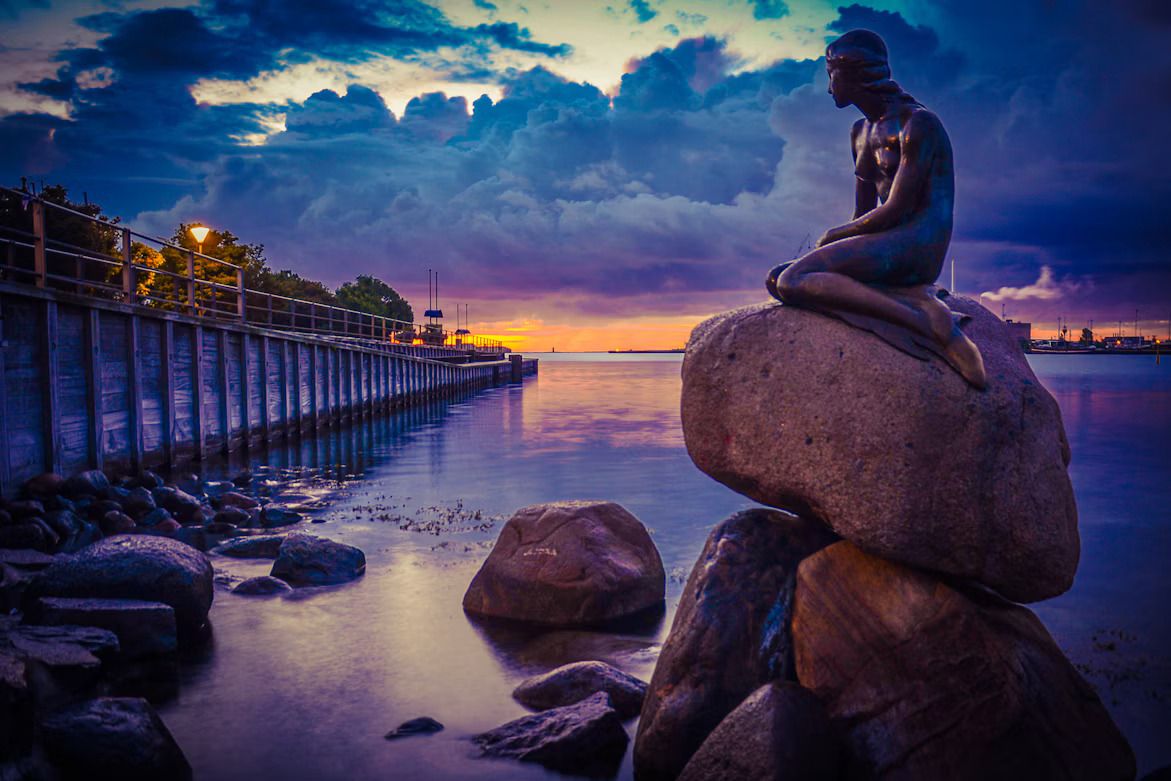
Beyond the Christmas festivities, Copenhagen offers a wealth of experiences that are just as enjoyable in the colder months.
Few experiences capture Copenhagen's spirit like alternating between a wood-fired sauna and a bracing plunge into the harbor. Winter bathing, or vinterbadning, is a beloved Danish ritual said to boost circulation and mood. Floating and waterside saunas, particularly around the former shipyard district of Refshaleøen, welcome visitors with advance bookings. If a cold plunge sounds too extreme, the sauna and harbor views alone are worth it.
Built in the early 1600s as a summer residence for King Christian IV, Rosenborg Castle is home to the Danish Crown Jewels and the Crown Regalia in its basement treasury. Its richly decorated interiors are a perfect cold-weather escape, and the surrounding King's Garden is beautiful under frost.
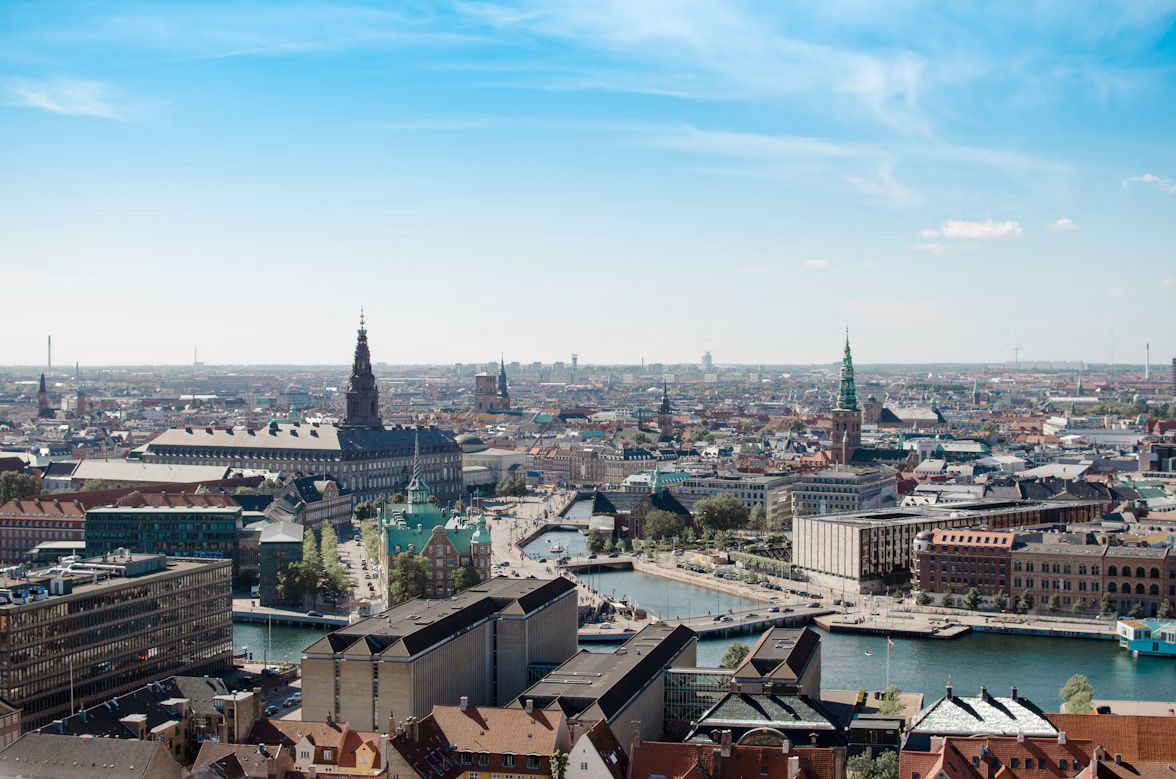
Christiansborg Palace is home to the Danish Parliament, the Supreme Court and the Royal Reception Rooms. Its tower is the tallest in the city and offers panoramic views over Copenhagen's spires and rooftops, an especially memorable sight at sunset. Admission to the tower is free.
Completed in 1642, the Round Tower (Rundetaarn) is a 17th-century observatory with a unique spiral ramp instead of stairs. Inside, you'll find a library hall used for exhibitions, and the viewing platform at the top looks out over the medieval Latin Quarter.
The Ny Carlsberg Glyptotek, founded by brewer Carl Jacobsen, holds an outstanding collection of ancient sculpture and French Impressionist art. Its central glass-domed Winter Garden, filled with towering palms, is one of the most peaceful places in the city on a gray afternoon. It also has a café serving a variety of warm meals and refreshments.
CopenHill is a waste-to-energy plant designed by architect Bjarke Ingels with an artificial ski slope on its roof, along with a hiking trail and one of the world's tallest climbing walls. It's a striking example of Danish sustainable design and an exciting way to spend an hour, even if you’re not a keen skier.
For a broader look at the country's cultural heritage, explore the National Gallery of Denmark (SMK) for fine art or the National Museum of Denmark for history and archaeology. If you have time for a half-day excursion, take the coastal train north to the Louisiana Museum of Modern Art in Humlebæk, where an outstanding collection of modern and contemporary art is complemented by panoramic views across the Øresund strait.
Founded in 1971 on a former military base, Freetown Christiania is a self-governing community known for its colorful self-built homes, murals and alternative lifestyle. Walk its lakeside paths, respect the posted rules and avoid taking photographs on Pusher Street.
Hosted every February, the Copenhagen Light Festival showcases light installations and illuminated artworks throughout the city, often along the harbor and canals. Many installations are free and best enjoyed on an evening walking route.
Kronborg Castle in Helsingør, a UNESCO World Heritage Site and the setting of Shakespeare's Hamlet, is under an hour north of Copenhagen by train. The windswept castle on the edge of the Øresund is especially dramatic in winter.
Copenhagen's relatively small size makes it one of Europe's easiest capitals to explore on foot, with a clean and reliable public transportation system that operates year-round for when your legs get tired.
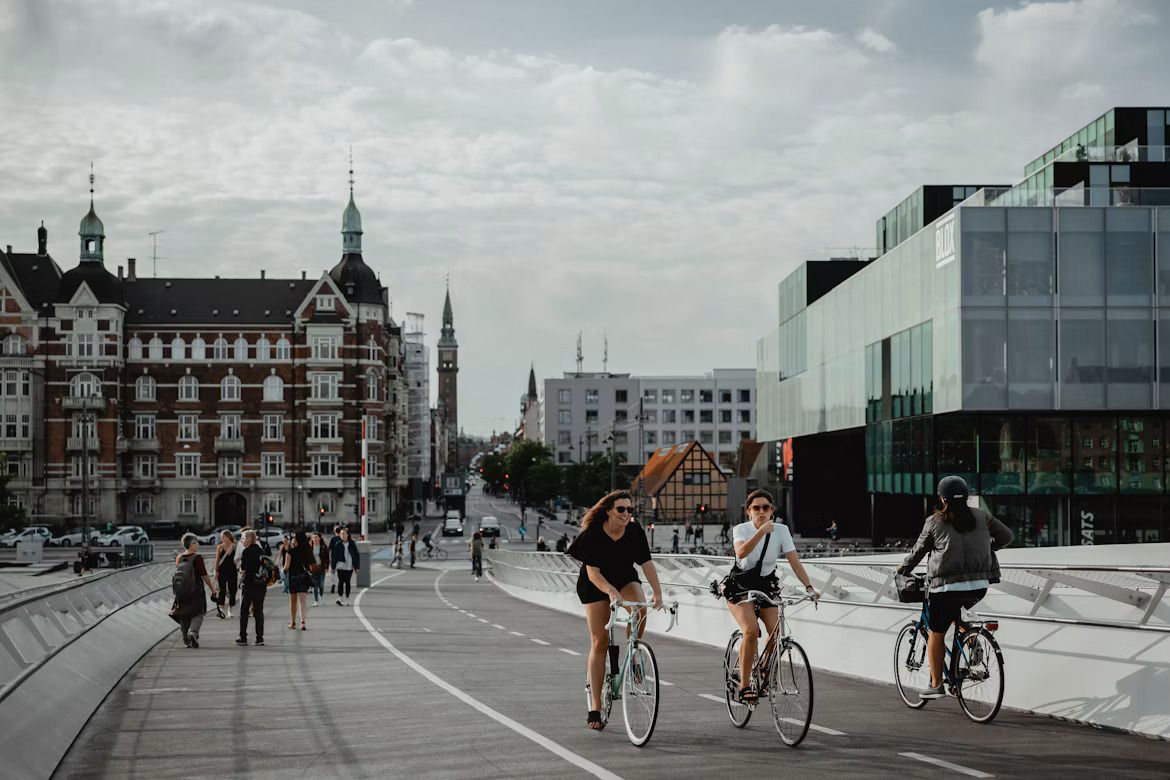
This itinerary is designed around Copenhagen's short winter days, with outdoor sightseeing in the morning light and cozy indoor experiences after dark.
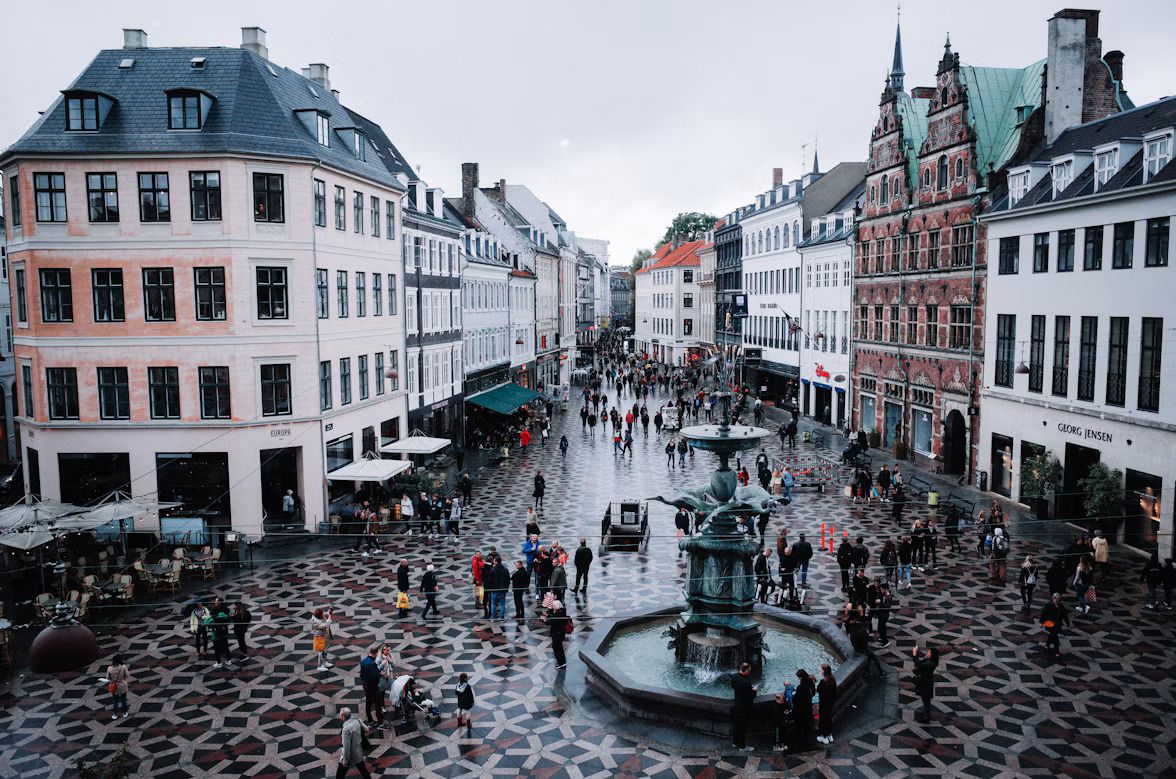
Yes, it can snow in Copenhagen during winter, but snowfall is unpredictable and rarely lasts for long. Snow is most likely in January and February, although the city's mild coastal climate means rain, drizzle and cloudy skies are more common than heavy snow. Temperatures can fluctuate around freezing, so snow may melt quickly after it falls. If you're hoping to experience a white Christmas in Copenhagen, keep in mind that snow in December is never guaranteed.
Seeing the Northern Lights from Copenhagen is possible but very rare. Denmark can occasionally experience aurora displays during strong geomagnetic storms, but light pollution across the city makes them difficult to spot. For a better chance of witnessing the aurora borealis, we suggest planning a trip farther north to destinations such as Arctic Norway, Swedish Lapland, Finnish Lapland, or Iceland, where dark skies and more northerly locations offer better viewing opportunities.
Copenhagen is one of Europe's more expensive capital cities, with accommodation, restaurant meals, and alcohol often costing more than in many other European destinations. You can keep your budget under control by choosing lunch specials instead of pricier evening meals, buying picnic supplies from supermarkets, and staying in neighborhoods such as Vesterbro or Nørrebro rather than the most expensive areas of the historic center.
Take advantage of Copenhagen's free attractions, public parks, waterfront promenades, and public spaces to explore the city without adding significantly to your daily spending.
Tipping is not expected in Copenhagen because service charges are included in restaurant bills and Danish service workers earn a living wage. Rounding up the bill or leaving around 5 to 10 percent for exceptional service is a gracious gesture, but it is entirely up to you.
Danes celebrate Christmas on the evening of December 24, so many shops close early that afternoon and most remain closed on December 25 and 26, which are public holidays. Many restaurants close as well, although some hotel restaurants offer Christmas Eve dinners. Visitors traveling over Christmas should book meals in advance and confirm opening hours with attractions.
New Year's Eve in Copenhagen is lively and festive. Many Danes watch the monarch's televised New Year's address at 6:00 p.m., followed by a long dinner with friends and family. At midnight, crowds gather at City Hall Square (Rådhuspladsen) to hear the City Hall clock strike twelve, and private fireworks light up the sky across the city.
Yes, Malmö is an easy day trip from Copenhagen, with direct trains connecting Copenhagen Central Station to Sweden's third-largest city in around 40 minutes via the Øresund Bridge. Once you arrive, explore Malmö's historic Old Town, visit Malmö Castle, or admire the modern architecture of the Turning Torso skyscraper.
You can easily visit several of the city's main attractions in a day before returning to Copenhagen by train. You must bring a valid passport, as border controls may apply between Denmark and Sweden.
US citizens do not need a visa for tourist stays in Denmark of up to 90 days within any 180 days, as Denmark is part of the Schengen Area. Passports should be valid for at least three months beyond the planned departure date from the Schengen Area. Travelers should also check the official European Union website for the latest requirements on the EU Entry/Exit System and the ETIAS travel authorization before departing.