Travelling from Paros to Piraeus: Complete Ferry & Travel Guide
Route Guides
Route Guides


Exploring the journey from Paros to Piraeus offers travellers a quintessential Greek island experience. This popular route connects one of the most beloved Cycladic islands with the main port of Athens, serving as a gateway between island paradise and mainland Greece. With approximately 3 daily sailings and a distance of 189 km (117.4 miles), this sea route provides reliable connectivity year-round. The ferry journey typically takes around 3 hours and 42 minutes, with the fastest services operated by SeaJets completing the trip in just 2 hours and 40 minutes. This comprehensive guide covers everything you need to know about travelling between these destinations, including ferry options, port information, and what to expect when you arrive in Piraeus.
When planning your journey from Paros to Piraeus, the ferry is your primary transportation option. With 21 weekly sailings and approximately 98 monthly connections, the sea route offers consistent service throughout the year.
The ferry journey covers 102.1 nautical miles across the Aegean Sea, taking an average of 3 hours and 42 minutes. This makes it a convenient option for travellers looking to reach Athens from Paros. The fastest ferry operator, SeaJets, offers high-speed services that can make the crossing in just 2 hours and 40 minutes, though these premium services typically come with a higher price tag.
For those who prefer a more leisurely pace, conventional ferries take up to 4 hours and 50 minutes but often provide a more economical option. These slower services give you more time to enjoy the spectacular views of the Aegean Sea and passing islands.
The ferry experience offers unique advantages over other forms of travel. You'll have the opportunity to relax on open decks, enjoying the fresh sea air and panoramic views of the Cyclades that simply aren't available when flying. Additionally, ferries provide more space to move around, access to food and beverages, and the ability to bring vehicles if needed.
You can take a ferry from Paros to Piraeus. Ferries sail in around 3 hours and 42 minutes with about 3 sailings a day. The fastest ferry sails in around 2 hours and 40 minutes and is provided by SeaJets. Ferry prices can range throughout the year, with high-speed services like those offered by SeaJets typically being more expensive. Departures start as early as 10:45, with the last departure from Paros to Piraeus at 19:15.
SeaJets operates some of the most modern vessels on this route, with their high-speed catamarans and hydrofoils cutting through the waves to deliver passengers to Piraeus in the shortest possible time. Their vessels typically feature comfortable seating, snack bars, and sometimes even full-service restaurants.
Onboard amenities vary by vessel but generally include comfortable seating areas, cafeterias or restaurants, shops selling travel essentials and souvenirs, and outdoor deck space for enjoying the views. Most ferries offer multiple seating classes, from standard economy seats to more premium options with added comfort and services.
While the Paros to Piraeus route operates year-round, it's worth noting that service frequency increases during the peak summer months (June through September) to accommodate higher tourist demand. During winter months, schedules may be reduced, and crossings can occasionally be affected by adverse weather conditions, though cancellations are relatively rare.
Parikia Port is the main port of Paros, located on the west side of the island in the capital town of Parikia. The port is conveniently situated within walking distance of the town centre, making it easily accessible for travellers staying in Parikia.
If you're staying elsewhere on the island, local buses connect most villages to Parikia, with increased frequency during summer months. Taxis are readily available throughout the island and can take you directly to the port. For those with rental cars, there is parking available near the port, though spaces can be limited during peak season.
The port facilities are well-developed, with a passenger terminal offering basic amenities including waiting areas, toilets, and small shops for last-minute purchases. There are several cafés and restaurants near the port where you can grab a bite before boarding. The port area also houses travel agencies where you can purchase tickets if you haven't done so in advance, though we always recommend booking ahead, especially during high season.
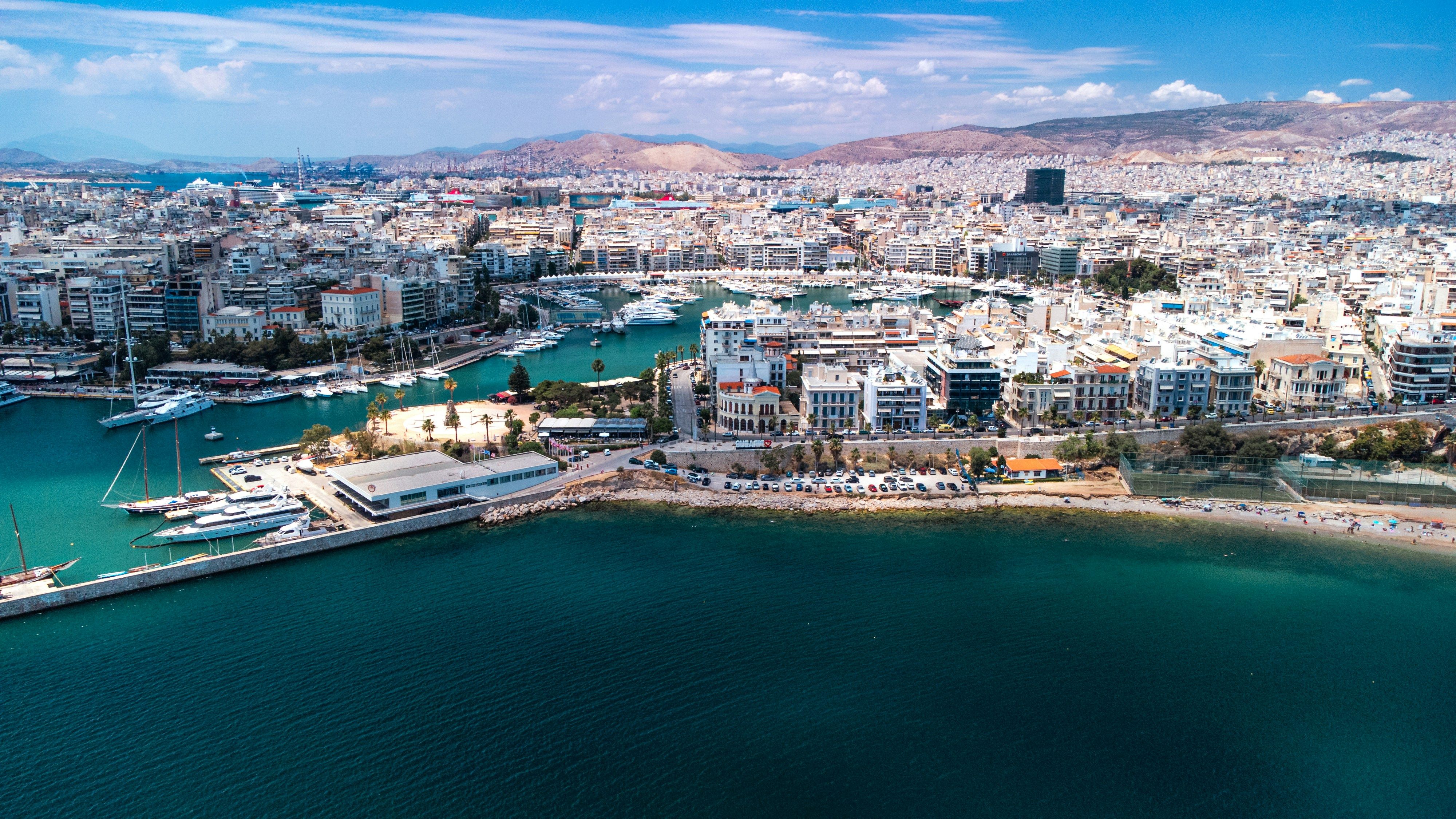
Piraeus is the main port of Athens and one of the largest passenger ports in Europe. The port is divided into several gates, with most ferries from the Cyclades islands, including Paros, arriving at Gate E7 (Akti Tzelepi).
Upon arrival, you'll find a range of transportation options to reach Athens city centre or other destinations. The most convenient is the Metro Line 1 (Green Line), with Piraeus station located about a 15-20 minute walk from the ferry terminals. This takes you directly to central Athens in approximately 20 minutes.
Buses and trolleybuses also depart from the port area to various parts of Athens. For direct transfers, taxis are available at designated ranks outside the terminal buildings. If you're continuing your journey to another destination, the port has good connections to Athens International Airport via the X96 express bus.
The port area offers numerous facilities including ATMs, currency exchange offices, luggage storage, cafés, restaurants, and shops. There are also several hotels near the port if you need accommodation before continuing your journey.
While a day trip from Paros to Piraeus (Athens) is technically possible, it would be quite rushed and might not provide the best experience. Here's why:
With the earliest ferry departing Paros at 10:45 and a journey time of at least 2 hours and 40 minutes on the fastest service, you would arrive in Piraeus no earlier than 13:25. Considering the latest return ferry departs at 19:15, this would give you less than 6 hours in Athens - barely enough time to travel from the port to the city centre, see a few sights, and return.
If you're determined to make a day trip work, we recommend focusing on just one or two attractions in Athens. For instance, you could visit the Acropolis and its museum, or perhaps explore the historic Plaka neighbourhood. Plan your itinerary carefully, considering the time needed for transportation between Piraeus and central Athens (approximately 20-30 minutes each way).
A more practical alternative would be to spend at least one night in Athens. This allows you to fully appreciate what the city has to offer without rushing. Many travellers find that 2-3 days is ideal for exploring Athens' main attractions at a comfortable pace.
If a day trip is your only option, consider booking the earliest possible ferry to Piraeus and a late return to maximise your time in Athens. Be sure to have your transportation from the port to the city centre planned in advance to avoid wasting precious time.
While many travellers view Piraeus simply as the gateway to Athens, the port city itself offers several worthwhile attractions:
The Archaeological Museum of Piraeus houses an impressive collection of bronze statues, ceramics, and other artefacts recovered from the area, providing insight into the port's ancient history. Open Tuesday through Sunday from 8:30 to 15:00, it's an excellent first stop upon arrival.
Mikrolimano (Little Port) is a picturesque harbour lined with seafood restaurants and cafés. The area retains a traditional fishing village atmosphere despite being part of a major city, making it perfect for a leisurely meal with views of colourful fishing boats.
Zea Marina (Pasalimani) is one of the most vibrant areas in Piraeus, with its modern marina housing luxury yachts alongside traditional boats. The surrounding area features numerous restaurants, bars, and shops, particularly lively in the evenings.
For shoppers, the Municipal Market of Piraeus offers a authentic local experience where you can browse fresh produce, spices, and other goods. Meanwhile, families might enjoy a visit to the Hellenic Maritime Museum, which chronicles Greece's rich naval history through ship models, maps, and maritime instruments.
Of course, Athens' world-famous attractions are just a short metro ride away, including the Acropolis, the National Archaeological Museum, the Ancient Agora, and the vibrant neighbourhoods of Plaka and Monastiraki.
In Piraeus, the waterfront areas of Mikrolimano and Zea Marina offer the most appeal to visitors, with their abundance of seafood restaurants, cafés, and nautical atmosphere. Kastella is the city's most elegant neighbourhood, built on a hill with neoclassical buildings and panoramic views of the Saronic Gulf.
For those heading to Athens, the historic centre around the Acropolis encompasses several distinctive neighbourhoods. Plaka is the oldest residential area, with narrow streets, neoclassical architecture, and abundant shops and restaurants. Adjacent Monastiraki is known for its flea market and vibrant square, while Psiri has transformed from an industrial area to a hub for nightlife, featuring numerous bars, tavernas, and music venues.
Kolonaki offers a more upscale experience with designer boutiques, gourmet restaurants, and chic cafés, while Exarchia presents a contrast with its alternative, artistic vibe, street art, and politically conscious atmosphere. For cultural exploration, the area around Syntagma Square houses government buildings, luxury hotels, and major shopping streets.
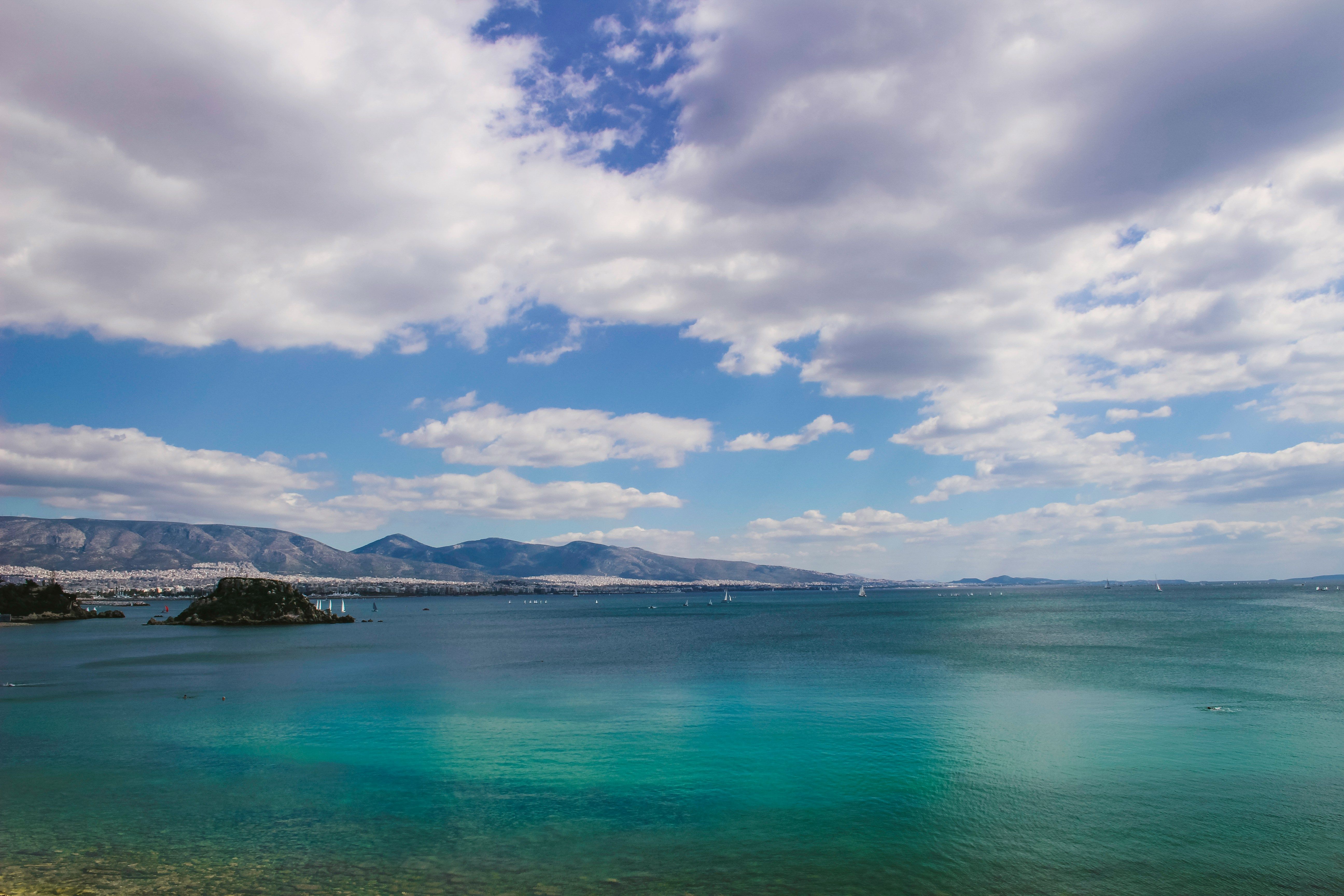
Piraeus enjoys a typical Mediterranean climate with hot, dry summers and mild, wetter winters. Summer (June to September) brings average temperatures between 25°C and 35°C, with July and August being the hottest months. These conditions are ideal for exploring the city and its waterfront areas, though midday heat can be intense.
Winter (December to February) sees temperatures typically ranging from 7°C to 15°C. While rarely freezing, this season brings the majority of the annual rainfall, with December and January being the wettest months. Spring (March to May) and autumn (October to November) offer pleasant temperatures between 15°C and 25°C, making these shoulder seasons particularly comfortable for sightseeing.
Weather conditions can affect ferry operations, particularly during winter months when strong winds occasionally cause delays or cancellations. The Meltemi winds, which blow from the north across the Aegean Sea primarily in July and August, can sometimes impact ferry schedules as well. However, the Paros to Piraeus route is generally reliable year-round, with the larger ferries able to operate in most weather conditions. If travelling during winter, it's advisable to build some flexibility into your schedule to accommodate potential weather-related adjustments.
Piraeus and Athens offer options for various budget levels, though prices are generally higher than in many other parts of Greece. A budget traveller can expect to spend around £50-70 per day, including modest accommodation, street food or inexpensive tavernas, and public transportation. Mid-range travellers should budget approximately £100-150 daily for comfortable hotels, good restaurants, and some paid attractions.
Accommodation ranges from about £25-40 per night for hostels or basic rooms, £70-120 for mid-range hotels, and upwards of £150 for luxury options. A meal at an inexpensive taverna costs around £10-15 per person, while mid-range restaurants charge approximately £20-30 per person. Street food like souvlaki or gyros provides a budget-friendly option at £3-6.
Public transportation is very affordable, with a single metro ticket costing £1.20 and a 24-hour pass available for £4.10. Entrance fees to major attractions vary, with the Acropolis charging £20 during peak season (half-price during winter). Many museums offer reduced admission on specific days, and combined tickets covering multiple archaeological sites can provide good value for those planning to visit several attractions.
The peak tourist season in Piraeus and Athens runs from June through August, coinciding with the warmest weather and school holidays. During this period, you'll find the fullest ferry schedules but also higher prices, larger crowds at attractions, and intense heat that can sometimes reach above 35°C. If you visit during this time, plan outdoor activities for early morning or evening to avoid the midday heat.
The shoulder seasons of late April to early June and September to October offer an excellent balance of pleasant weather, reduced crowds, and slightly lower prices. Temperatures typically range from 20°C to 28°C, ideal for sightseeing and outdoor activities. Ferry services remain frequent during these periods, though slightly reduced from peak summer schedules.
Winter (November to March) brings the lowest prices and fewest tourists, with many attractions and restaurants offering reduced rates. While some smaller businesses in tourist areas may close for the season, all major sites remain open. The weather is mild compared to northern Europe, with daytime temperatures usually between 10°C and 15°C, though rainfall is more common.
For cultural experiences, consider timing your visit around events like the Athens and Epidaurus Festival (June to August), which features performances in ancient theatres, or Navy Week in Piraeus (usually late June), celebrating the city's maritime heritage with boat parades and special events.
Finding the right place to stay in Piraeus can enhance your Greek adventure after your ferry journey from Paros. The port city offers a variety of accommodation options to suit different preferences and budgets.
For budget-conscious travellers, areas like Kastella and near the port offer affordable guesthouses and budget hotels ranging from £40-£70 per night. Solo travellers might appreciate the social atmosphere of hostels in nearby Athens, just a short metro ride away.
Couples seeking a romantic stay can explore boutique hotels in Mikrolimano with its picturesque marina views, typically priced between £80-£150 per night. The Marina Zeas area also offers charming options with seafront views.
Families will find spacious apartments and family-friendly hotels in Faliro and Kastella neighbourhoods, providing convenient access to both the port and Athens. These accommodations often feature family rooms starting around £100 per night.
We recommend booking accommodation in advance, especially during the peak summer season when the 3 daily ferry arrivals from Paros bring numerous travellers to the area.
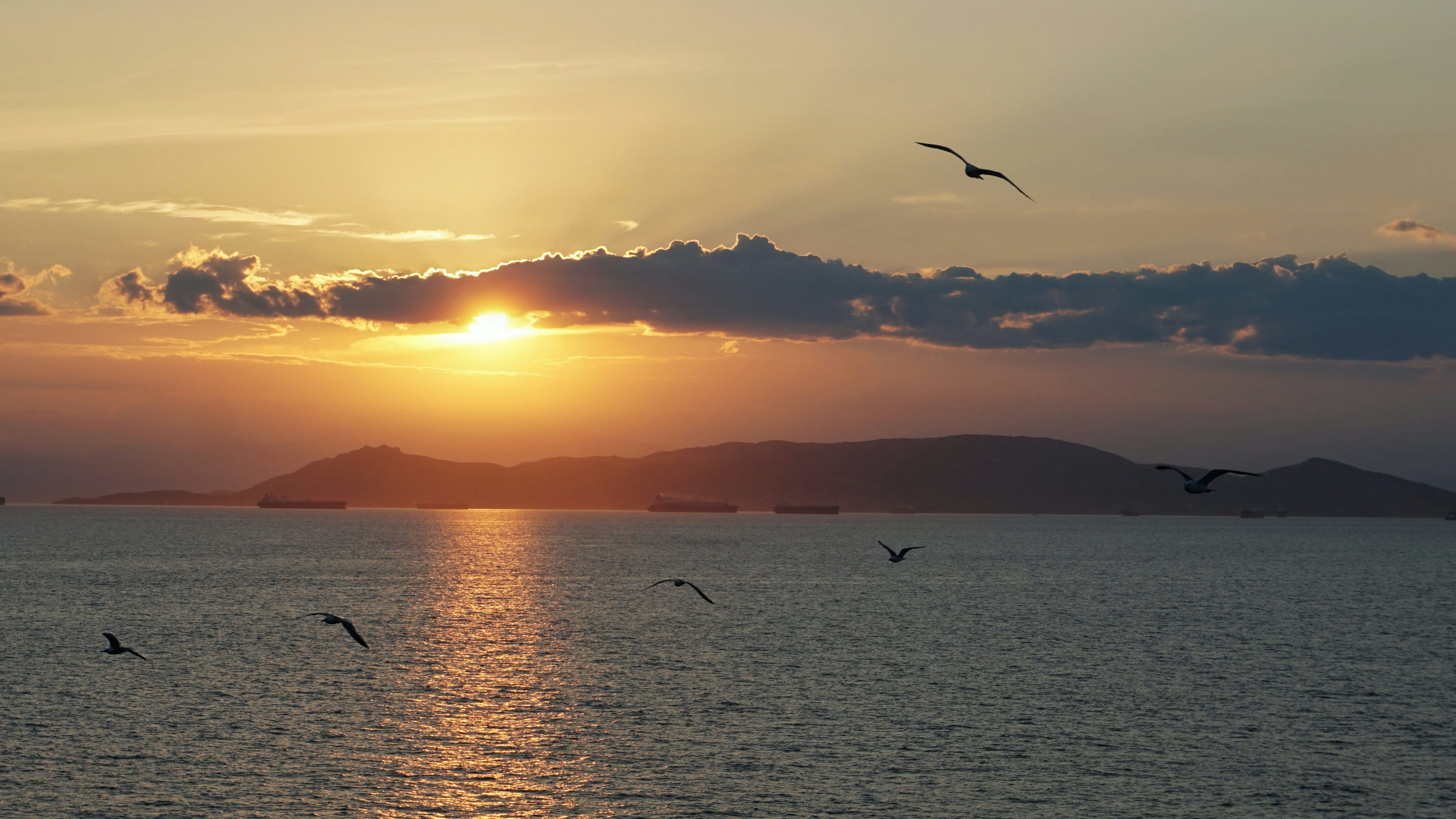
Navigating Piraeus and connecting to Athens is straightforward with several convenient transport options available after your ferry docks.
The metro is perhaps the most efficient way to travel, with Line 1 (Green Line) connecting Piraeus directly to central Athens in about 20 minutes. Tickets cost approximately £1.20 for a 90-minute journey across all public transport.
Local buses serve both Piraeus and connect to Athens, with routes clearly marked at stations near the ferry terminals. The comprehensive bus network reaches areas not covered by the metro.
Taxis are readily available at designated ranks outside the ferry terminal, offering convenient door-to-door service. Expect to pay around £10-£15 for trips within Piraeus or £20-£25 to central Athens.
For exploring the charming neighbourhoods of Piraeus like Kastella and Mikrolimano, walking is often the best option, allowing you to discover local cafes and shops at your own pace.
Car rentals are available from agencies near the port if you plan to explore the wider Attica region, with prices starting from around £30 per day.
The journey from Paros to Piraeus by ferry offers not just transport but an authentic Greek maritime experience. With 21 weekly sailings operated by companies like SeaJets, who offer the fastest crossing at just 2 hours and 40 minutes, you have plenty of flexible options to plan your perfect Greek adventure.
The ferry route spans 102.1 nautical miles (189 km) across the stunning Aegean waters, providing spectacular views throughout your journey. Whether you choose the earliest departure at 10:45 or prefer the evening sailing at 19:15, each of the three daily crossings offers a comfortable and scenic travel experience.
Remember that while the fastest services with operators like SeaJets typically cost around £219, there are various price points available across the 98 monthly sailings, allowing you to find the perfect balance of speed, comfort, and budget for your travel needs.
Ready to experience this essential Greek island connection for yourself? Book your Paros to Piraeus ferry today and set sail on an unforgettable Aegean adventure!