Travelling from Valencia to Palma: Complete Ferry & Travel Guide
Route Guides
Route Guides

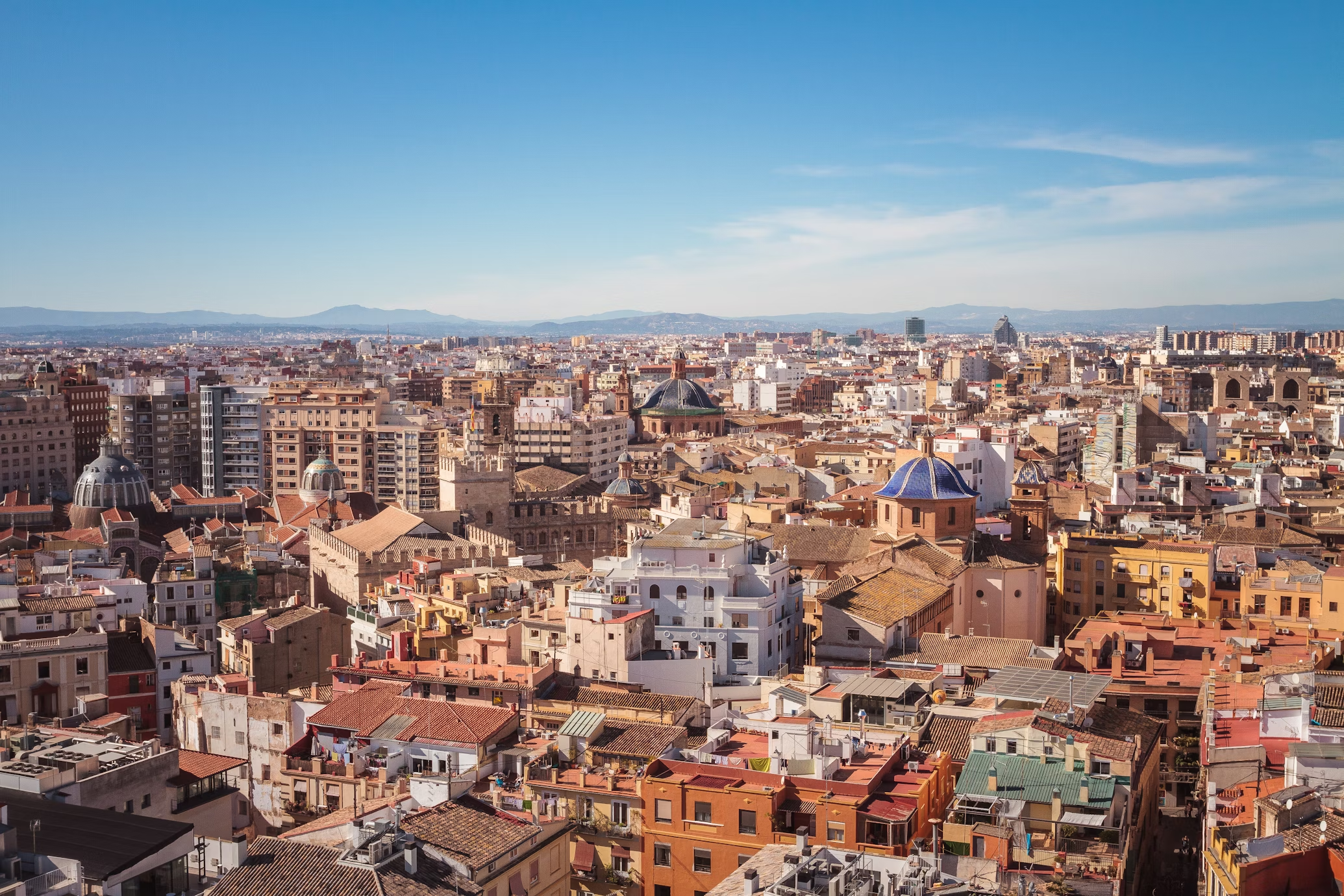
Embarking on a journey from Valencia to Palma offers travellers a fantastic opportunity to experience the beauty of the Mediterranean. This popular route connects Spain's vibrant coastal city to the stunning capital of Mallorca, spanning approximately 328.2 km (203.9 miles) across the sea. Whether you're planning a holiday getaway or a business trip, the Valencia-Palma route provides reliable transportation options with regular ferry services operating throughout the year. With an average journey time of 7 hours 45 minutes and multiple daily sailings, this route offers convenience and flexibility for travellers.
This comprehensive guide covers everything you need to know about traveling between these two Mediterranean gems, with a focus on the ferry experience that allows you to arrive refreshed and ready to explore.
When planning your journey from Valencia to Palma, you have two main transportation options: flying or taking a ferry. Each offers distinct advantages depending on your travel preferences, budget, and schedule.
Flights between Valencia and Palma are available, though the ferry route remains a popular choice for many travellers. The ferry journey allows you to experience the Mediterranean Sea firsthand while avoiding the hassles of airport security and baggage restrictions. Additionally, ferry travel gives you the option to bring your vehicle, making it ideal for those planning to explore Mallorca extensively.
The ferry route spans 177.2 nautical miles across the Mediterranean, with vessels making the crossing in approximately 7 hours 45 minutes on average. This makes it possible to depart in the evening and arrive refreshed the following morning. With 3 daily sailings, totalling about 23 weekly and 104 monthly departures, you'll have plenty of scheduling options to choose from.
While flights might offer shorter travel times, the ferry experience provides unique advantages: spacious accommodations, the ability to move around freely during your journey, stunning sea views, and the convenience of arriving directly into Palma's port, positioned close to the city centre. The ferry option also eliminates the need for strict luggage restrictions, making it perfect for longer stays or those bringing sporting equipment.
You can take a ferry from Valencia to Palma. Ferries sail in around 7 hours 45 minutes with about 3 sailings a day. The fastest ferry sails in around 7 hours 15 minutes and is provided by Balearia. Ferry prices can range depending on operator, whether it is a conventional or fast ferry and time of year. The average price for the fastest crossing is around £266. Departures start as early as 20:30, with the last departure from Valencia to Palma at 22:30.
Balearia is the primary operator serving this route, offering modern vessels equipped with a range of amenities to ensure a comfortable journey. Their fleet includes ships with various cabin options, from affordable seats to premium accommodations with private facilities. The overnight schedule is particularly convenient, allowing you to sleep during transit and maximise your time at your destination.
Onboard Balearia ferries, you'll find a selection of facilities designed to enhance your journey. These typically include restaurants and cafés serving Mediterranean cuisine, bars for evening relaxation, shops for essentials and souvenirs, comfortable seating areas, and entertainment options. Many vessels also offer outdoor deck space where you can enjoy the sea breeze and potentially spot marine life during daylight sailings.
The Valencia to Palma ferry route operates year-round, though you may find additional sailings during the peak summer season when tourism to the Balearic Islands reaches its height. Booking in advance is highly recommended, especially if traveling between June and September or during Spanish holiday periods.
For those travelling with vehicles, Balearia accommodates cars, motorcycles, and campervans, making it easy to bring your own transportation to explore Mallorca. Vehicle spots are limited compared to passenger capacity, so early booking is essential if you plan to bring a car.
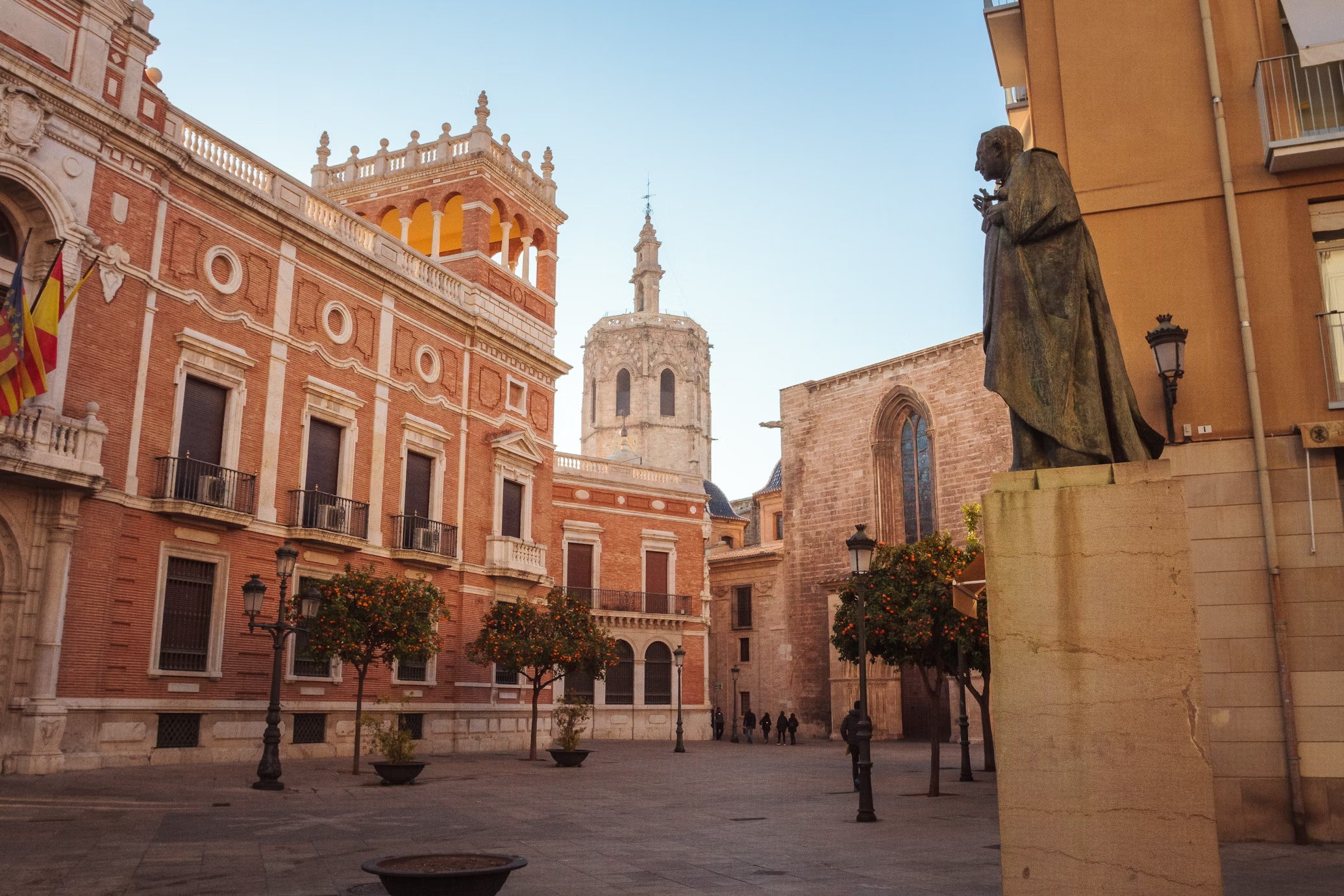
Valencia's ferry terminal is located in the city's port area, approximately 4 kilometres from the historic centre. The terminal is well-connected to the city via public transportation, with bus lines regularly servicing the route between the city centre and the port. Taxis are readily available throughout Valencia and provide a convenient option for reaching the terminal, especially if travelling with luggage.
If driving to the port, follow signs for Puerto de Valencia or the ferry terminal. Long-term parking facilities are available near the terminal for those leaving vehicles during their trip to Palma. It's advisable to arrive at least 90 minutes before departure to allow sufficient time for check-in and boarding procedures, particularly if you're travelling with a vehicle.
The Valencia ferry terminal offers essential amenities for travellers, including check-in counters, waiting areas, restrooms, and small shops for last-minute purchases. The terminal building provides shelter and seating while you wait to board your ferry. Food options may be limited within the terminal itself, so consider bringing snacks if you anticipate a wait.
Palma's ferry terminal is advantageously located close to the city centre, making it easy to begin your exploration of Mallorca's capital immediately upon arrival. The terminal is situated along the Paseo Marítimo, the city's scenic seafront boulevard, with Palma's iconic cathedral visible as you arrive by sea.
Upon disembarking, you'll find the terminal equipped with tourist information points, restrooms, and basic refreshment options. For transportation into the city centre, you have several convenient options. The public bus system connects the port with central Palma and other areas of the island. Bus #1 runs frequently between the port and the city centre.
Taxis are available directly outside the terminal building for direct transfers to your accommodation or other destinations around the island. For those bringing their vehicles, the road system is well-signposted, directing you to central Palma or to major highways connecting to other parts of Mallorca.
Within walking distance of the terminal, you'll find cafés, restaurants, and shops along the Paseo Marítimo, providing immediate options for refreshment after your journey. The main shopping and historical districts of Palma are approximately 20-30 minutes away on foot, or just a short bus or taxi ride.
While the Valencia to Palma ferry route is primarily designed for longer stays, analysing the schedule reveals that day trips are challenging but not impossible with careful planning. With the earliest departure from Valencia at 20:30 and an average crossing time of 7 hours 45 minutes, you would arrive in Palma early the following morning.
For a day trip, you would need to spend the day in Palma and catch an evening ferry back to Valencia. This arrangement would give you approximately 8-10 hours to explore Palma before needing to return to the port for your journey home. While this is technically feasible, it creates a compressed schedule that may feel rushed for many travellers.
A more relaxed approach would be a one-night stay in Palma, allowing you to enjoy two full days of exploration with an overnight ferry journey on either end. This minimises accommodation costs while maximising your time in Mallorca.
If you're determined to experience Palma in a single day, prioritise the city's highlights: the magnificent Gothic cathedral (La Seu), the historic old town with its narrow winding streets, the royal Palace of La Almudaina, and perhaps a quick visit to the seaside promenade. Focus on a specific area rather than attempting to cover the entire city.
For most travellers, however, Mallorca deserves more than a day trip. Even a weekend visit allows you to experience Palma's cultural offerings while also venturing to nearby beaches or mountain villages. Consider the ferry journey as part of your holiday experience rather than simply a means of transportation.
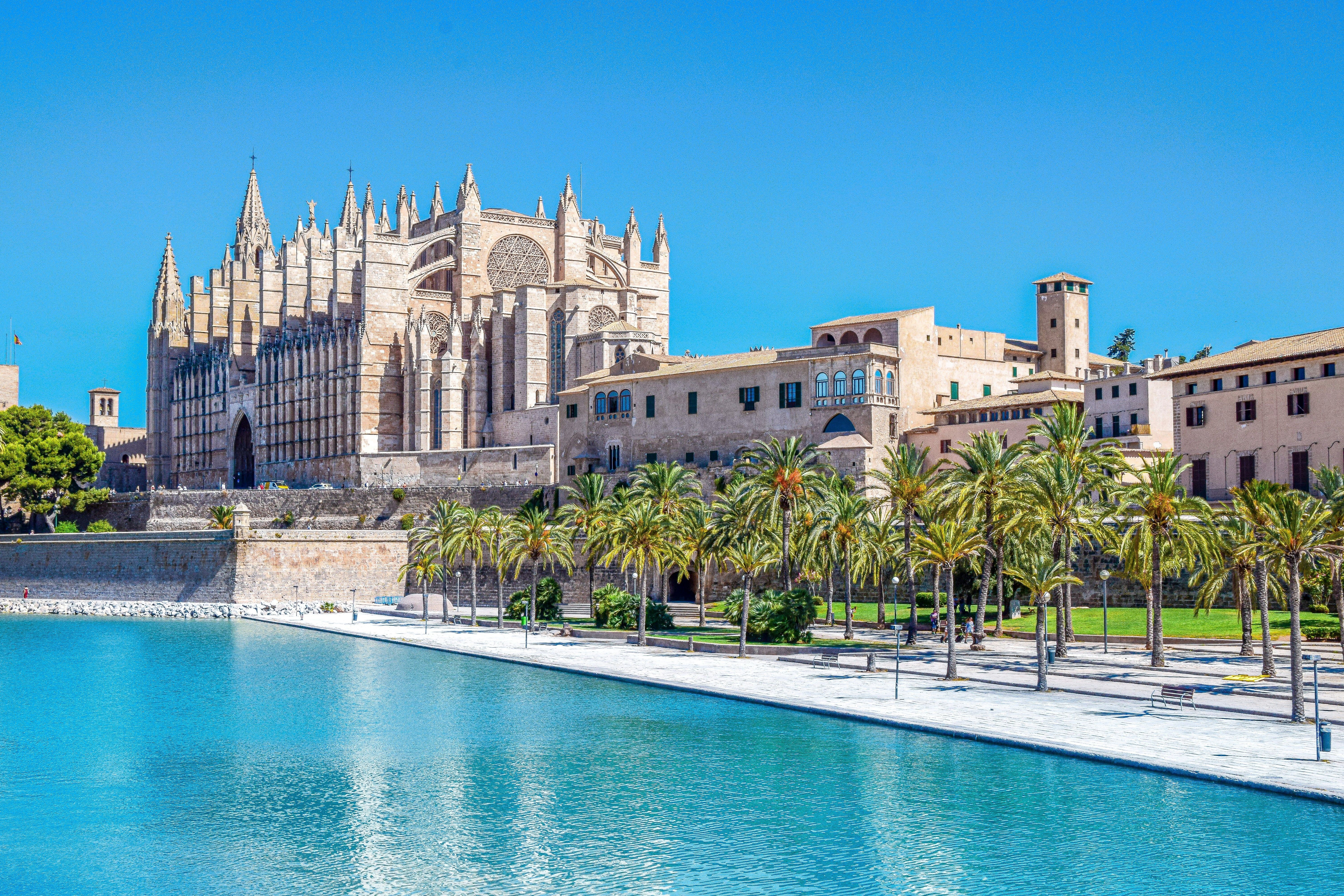
Palma offers a wealth of attractions to suit all interests, from historical sites to beautiful beaches and vibrant shopping districts. Here are the top five attractions you shouldn't miss:
Palma Cathedral (La Seu) - This magnificent Gothic structure dominates Palma's skyline and waterfront. Dating back to the 13th century, it features one of Europe's largest rose windows and interior elements designed by Antoni Gaudí. Open Monday to Friday from 10:00 to 17:15, with shorter hours on Saturdays and limited access during Sunday services.
Bellver Castle - This unique circular castle offers panoramic views over Palma and the Mediterranean. Built in the 14th century, it's one of few circular castles in Europe. The castle houses a history museum and is open Tuesday to Saturday from 10:00 to 19:00, and Sundays from 10:00 to 15:00.
Old Town (Casco Antiguo) - Lose yourself in the labyrinth of narrow streets that make up Palma's historic centre. Discover hidden courtyards, charming cafés, boutique shops, and historic buildings including Arab Baths and the grand mansions of Carrer del Sol.
Fundació Pilar i Joan Miró - Art enthusiasts will appreciate this museum dedicated to the celebrated Spanish artist who lived and worked in Mallorca. View Miró's studios preserved as he left them, along with an impressive collection of his works. Open Tuesday to Saturday from 10:00 to 18:00, and Sundays from 10:00 to 15:00.
Paseo Marítimo - This seafront promenade stretches for 5km along Palma's harbour, offering beautiful views, restaurants, and a glimpse of luxury yachts. Perfect for a morning jog or evening stroll, the promenade connects many of Palma's key areas and provides access to beaches.
Palma's diverse neighbourhoods each offer distinct experiences for visitors:
La Lonja - Located near the harbour, this historic district is known for its Gothic architecture, tapas bars, and vibrant nightlife. The area comes alive in the evenings when locals and tourists flock to its many restaurants and bars.
Santa Catalina - Once a fisherman's quarter, this now-trendy neighbourhood is home to Palma's main food market and a growing collection of international restaurants, boutiques, and art galleries. It offers a more authentic feel than more tourist-oriented areas.
Paseo del Borne - Palma's golden mile for luxury shopping features designer boutiques, elegant cafés, and beautiful architecture. The tree-lined boulevard connects Plaza Juan Carlos I with Plaza de la Reina and serves as the city's premier shopping district.
Es Baluard - Surrounding the modern art museum of the same name, this area combines historic city walls with contemporary culture. The neighbourhood offers excellent views over the harbour and hosts regular cultural events.
Portixol - A former fishing village that has transformed into one of Palma's most desirable areas, featuring a small harbour, seafront promenade, and excellent restaurants. It's perfect for those seeking a relaxed seaside atmosphere just a short distance from the city centre.
Palma enjoys a classic Mediterranean climate with hot, dry summers and mild, occasionally rainy winters. This favourable weather is one of the main attractions for visitors year-round, though each season offers different advantages.
Summer (June to August) brings consistently warm temperatures ranging from 25°C to 32°C (77°F to 90°F), with very little rainfall and approximately 11 hours of sunshine daily. These months are ideal for beach activities and water sports, though they also coincide with the highest tourist numbers and prices.
Spring (March to May) and autumn (September to November) offer pleasant temperatures between 15°C and 25°C (59°F to 77°F), reduced crowds, and comfortable conditions for exploring the city and hiking in the Serra de Tramuntana mountains. These shoulder seasons represent excellent value for visitors seeking good weather without peak season prices.
Winter (December to February) remains mild compared to northern Europe, with daytime temperatures typically between 10°C and 16°C (50°F to 61°F). While not beach weather, winter offers clear, sunny days perfect for sightseeing, though some attractions may operate on reduced hours. This is also when you'll find the most rainfall, typically in short, heavy bursts rather than prolonged periods.
Regarding ferry operations, the Valencia-Palma route operates year-round, though weather conditions can occasionally affect crossings during winter months. The Mediterranean can experience strong winds and rougher seas between November and February, potentially causing delays or, rarely, cancellations. Summer crossings generally offer calmer conditions and smoother sailing experiences.
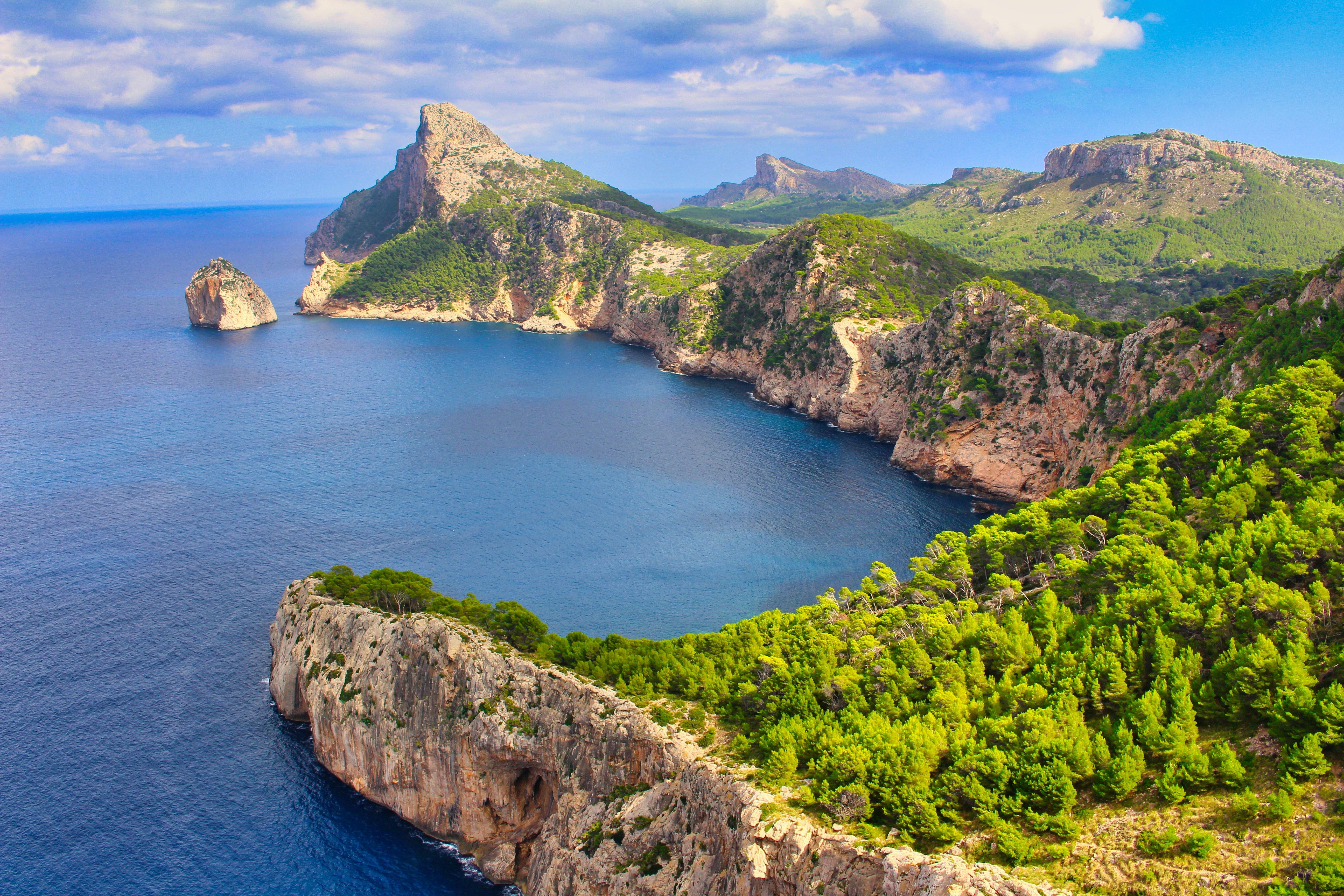
Palma offers options for various budget levels, though prices tend to be higher than mainland Spain, particularly during peak season. A general cost overview helps with planning your visit effectively.
For budget travellers, daily expenses can be managed at around £60-£80 per day, including accommodation in hostels or budget hotels (£25-£40), meals from local markets or casual eateries (£20-£30), and public transportation (£5). Many of Palma's attractions can be enjoyed for free or minimal cost, such as beaches, parks, and wandering the historic centre.
Mid-range travellers should budget approximately £120-£180 daily, covering comfortable hotels (£80-£120), dining at quality restaurants (£30-£50 per day), and occasional taxis or car rental. This budget also allows for paid attractions and some shopping.
Luxury experiences in Palma start from £250 per day, with five-star hotels ranging from £150-£400 per night and fine dining experiences costing £50-£100 per person. Additional luxury expenses might include private tours, yacht rentals, or spa treatments.
Common expense examples include: coffee (£1.50-£3), local beer (£3-£5), three-course meal at a mid-range restaurant (£20-£35 per person), bus ticket (£1.50-£2), taxi from airport to city centre (£20-£25), and museum entrance fees (£5-£10).
To maximise value, consider visiting during shoulder seasons (May-June or September-October), eating lunch rather than dinner at upscale restaurants (set lunch menus often offer significant savings), and purchasing the Palma Pass for discounted entry to multiple attractions.
The ideal time to visit Palma depends largely on your priorities regarding weather, crowds, and activities. Each season offers distinct advantages worth considering when planning your trip.
Peak season (July-August) delivers reliable hot weather and the fullest range of activities and events. The city buzzes with energy, beaches are lively, and outdoor dining and nightlife reach their height. However, this period also brings the largest crowds, highest prices, and potential for uncomfortable heat, with temperatures sometimes exceeding 35°C (95°F). Advance booking for accommodation and ferry crossings is essential during these months.
Shoulder seasons (May-June and September-October) offer what many consider the perfect balance: warm, sunny days with temperatures between 20-28°C (68-82°F), significantly fewer crowds than summer, and reduced prices for accommodation. The sea remains warm enough for swimming, especially in September and early October. These months are ideal for combining beach time with cultural exploration and outdoor activities.
Off-peak (November-April) provides a completely different experience of Palma. The city returns to its authentic rhythm, with locals reclaiming cafés and restaurants. While too cool for beach activities, winter and early spring offer mild, often sunny days perfect for sightseeing, hiking, and cycling. February brings the almond blossom season, transforming the countryside with delicate pink and white flowers. Accommodation prices can be half their summer rates during this period.
For specific interests, consider timing your visit around events like the Sant Sebastià Festival (January), Easter processions (March/April), Nit de Foc midsummer celebrations (June), or the Palma International Boat Show (April/May).
Overall, for most visitors seeking a balance of good weather, reasonable prices, and manageable crowds, late May to early June or mid-September to early October represent the optimal times to experience Palma.
Finding the perfect place to stay in Palma is easy with options to suit every budget and preference. The city offers a range of accommodations that will enhance your Balearic Island experience after arriving on your ferry from Valencia.
For budget-conscious travellers, consider staying in one of the affordable hostels or guesthouses near Palma's historic centre. These typically range from £30-60 per night and put you within walking distance of major attractions like the stunning Palma Cathedral.
Couples might prefer the charming boutique hotels in the Old Town, where converted historic buildings offer romantic settings with prices ranging from £80-150 per night. Many feature rooftop terraces with views across the city.
Families will find excellent options in the beachfront areas like Playa de Palma, where family-friendly resorts offer pools, kids' clubs, and easy beach access. Holiday apartments are also popular, providing more space and self-catering facilities from around £100-200 per night depending on size and season.
Book well in advance if travelling during summer months when Palma sees its highest visitor numbers after the frequent ferry crossings from Valencia.
Navigating Palma is straightforward with several convenient transportation options to explore the city after your ferry journey from Valencia.
The public bus network is extensive and affordable, with single tickets costing around £1.50. Bus line 1 connects the port area with the city centre and continues to the airport, making it particularly useful for travellers. The Palma City Sightseeing hop-on-hop-off bus (approximately £18 for a day ticket) is perfect for first-time visitors wanting to see the main attractions.
Taxis are readily available throughout Palma, with fares starting at around £3.50 plus £1 per kilometre. For greater flexibility, car hire services are available at the port, airport, and city centre locations, with prices starting from about £30 per day.
Palma is also a wonderfully walkable city, especially the historic centre where many streets are pedestrianised. Cycling is another popular option with bike rental shops offering daily hires from around £10-15, and the city has increasingly developed cycling lanes along the seafront promenade and major routes.
The Valencia to Palma ferry route offers a convenient and scenic gateway to Mallorca's captivating capital. With approximately 23 weekly sailings operated by Balearia, you can enjoy a comfortable overnight journey across the Mediterranean, arriving refreshed and ready to explore this Balearic gem.
The 7-hour 45-minute average crossing time passes quickly as you enjoy onboard amenities, and for those seeking the fastest option, Balearia offers services with durations as short as 7 hours 15 minutes for around £266.
Whether you're drawn to Palma's stunning architecture, beautiful beaches, or vibrant culture, the ferry journey from Valencia forms an integral part of the adventure. The convenience of taking your vehicle and the absence of airport hassles makes this sea route particularly appealing for travellers seeking flexibility.
Browse our selection of Valencia to Palma ferry crossings today and secure your spot on one of the 104 monthly sailings. Your Mediterranean island escape is just a booking away!