Travelling from Rhodes to Heraklion: Complete Ferry & Travel Guide
Route Guides
Route Guides


Embarking on a journey from Rhodes to Heraklion connects two of Greece's most captivating islands, offering travellers a chance to experience the diverse beauty of the Aegean Sea. This popular Mediterranean route spans approximately 360.2 km (223.8 miles) and is primarily served by ferry connections. While flights might be available depending on the season, the ferry journey provides a scenic and authentic Greek island-hopping experience. This comprehensive guide covers everything you need to know about travelling between these stunning destinations, from transportation options and port information to the best attractions in Heraklion and practical travel tips to enhance your Greek island adventure.
When planning your journey from Rhodes to Heraklion, you have options to consider, though ferry travel remains the primary connection between these two beautiful Greek islands.
The ferry route from Rhodes to Heraklion spans 194.5 nautical miles across the stunning Aegean Sea. This route is operated by Blue Star Ferries, offering regular connections between these popular Greek destinations. The average journey time is approximately 13 hours and 42 minutes, with the fastest crossing taking around 10 hours and 30 minutes with Blue Star Ferries.
Ferry services on this route are not daily but operate approximately once per week, with about 5 sailings per month. This makes advance planning essential, especially during peak travel seasons when bookings can fill quickly. Ticket prices for this journey average around £125, though prices may vary depending on the season, class of travel, and whether you're bringing a vehicle.
The scenic journey allows you to experience the breathtaking views of the Aegean Sea and potentially spot other Greek islands along the way. Unlike flights, the ferry offers the unique advantage of being able to bring your vehicle, making it easier to explore Crete upon arrival.
You can take a ferry from Rhodes to Heraklion. Ferries sail in around 13 hours and 42 minutes with about 1 sailing a day. The fastest ferry sails in around 10 hours and 30 minutes and is provided by Blue Star Ferries. Ferry prices average around £125 for this journey. Departures start as early as 07:00, with the last departure from Rhodes to Heraklion at 16:00.
Blue Star Ferries is the primary operator connecting Rhodes to Heraklion, offering comfortable and reliable service across this Aegean route. Their vessels are modern and well-equipped to ensure a pleasant journey despite the longer duration.
The ferries serving this route typically offer a range of amenities to make your journey comfortable:
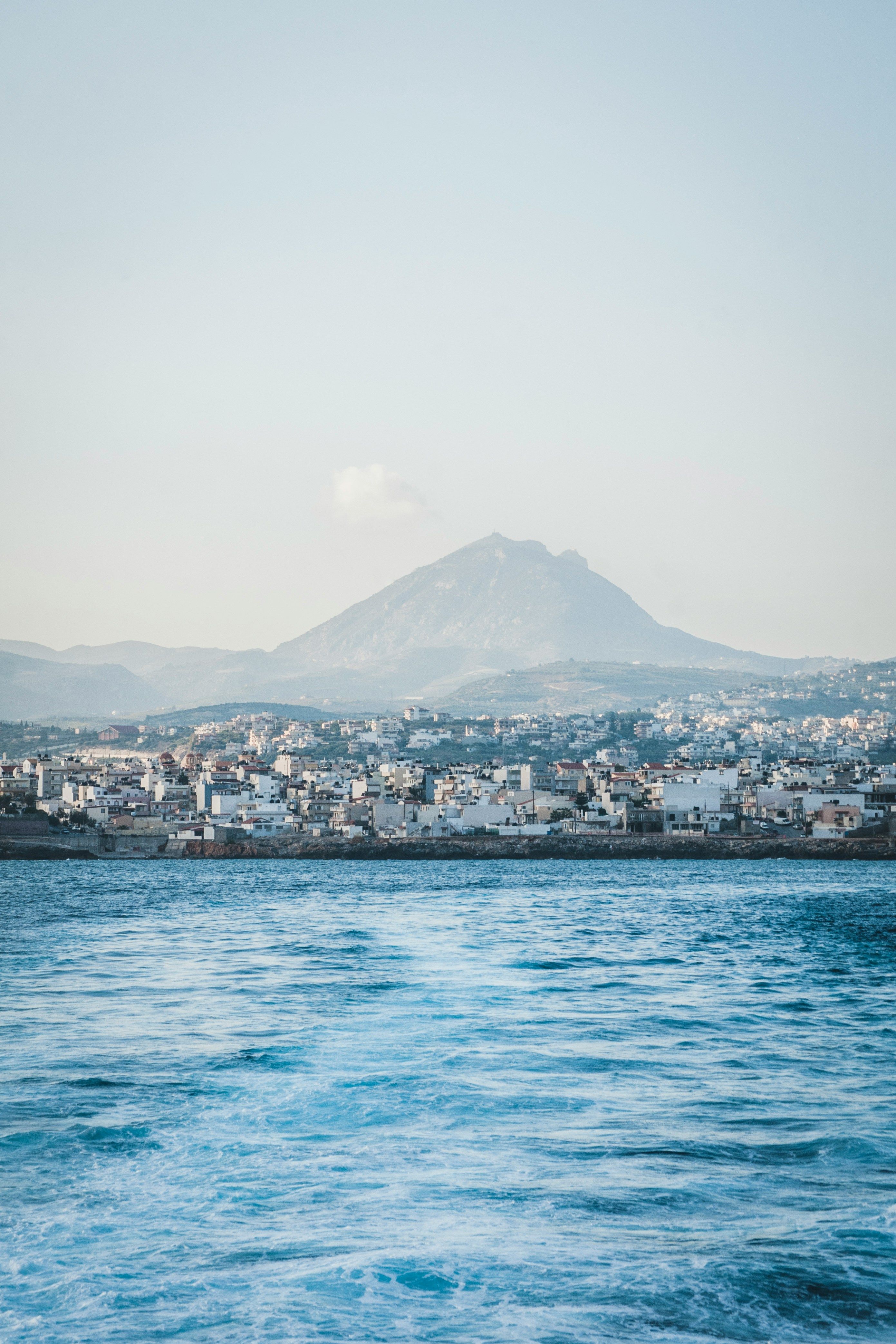
Ferry schedules between Rhodes and Heraklion can vary seasonally, with more frequent sailings typically available during the summer tourist season (June to September). During winter months, services may be reduced to as few as 1-2 sailings per week, and adverse weather conditions can occasionally cause delays or cancellations. We recommend checking the most current schedule when planning your trip and allowing for some flexibility in your travel plans, especially during off-peak seasons.
Blue Star Ferries accommodates vehicles on their Rhodes to Heraklion route, making this an excellent option if you plan to explore Crete by car. Remember that vehicle spaces are limited and typically cost extra beyond the passenger fare, so advance booking is strongly recommended, especially during peak season. Height and weight restrictions may apply for certain vehicles, so be sure to check specific requirements when booking.
Rhodes Port is conveniently located near the Old Town of Rhodes, making it easily accessible for travellers. The main passenger terminal offers basic amenities including waiting areas, ticket offices, and small shops for last-minute purchases.
Getting to the port is straightforward:
We recommend arriving at least 1-1.5 hours before your scheduled departure to allow time for check-in and boarding procedures. The port area has several cafés and restaurants where you can wait comfortably if you arrive early.
Heraklion Port is centrally located and serves as the main maritime gateway to Crete. Upon arrival, you'll find a range of facilities to welcome you to the island.
From the port to Heraklion city centre:
The port area offers tourist information points, luggage storage facilities, cafés, and currency exchange services. For those continuing their journey to other parts of Crete, the main bus station is within walking distance, providing connections to major destinations across the island.
Given the ferry journey from Rhodes to Heraklion takes an average of 13 hours and 42 minutes, a single-day round trip is unfortunately not feasible. The earliest departure from Rhodes is at 07:00, which would put you in Heraklion in the evening, leaving no time for exploration before needing to return.
For travellers interested in visiting Heraklion from Rhodes, we recommend planning at least a two-night stay to make the journey worthwhile. This would allow you one full day to explore Heraklion's highlights, including the Palace of Knossos and the Archaeological Museum.
A more practical approach would be to incorporate Heraklion as part of a longer Greek island-hopping itinerary. Consider spending 3-4 days in Heraklion and the surrounding areas of Crete before continuing your journey to other destinations. This allows you to experience the rich cultural heritage and natural beauty of Crete without feeling rushed.
If you're determined to see multiple locations in a limited timeframe, flying might be a better option, though you would miss the unique experience of travelling by sea and the ability to bring a vehicle.
Heraklion, the capital of Crete, offers a wealth of historical and cultural attractions:
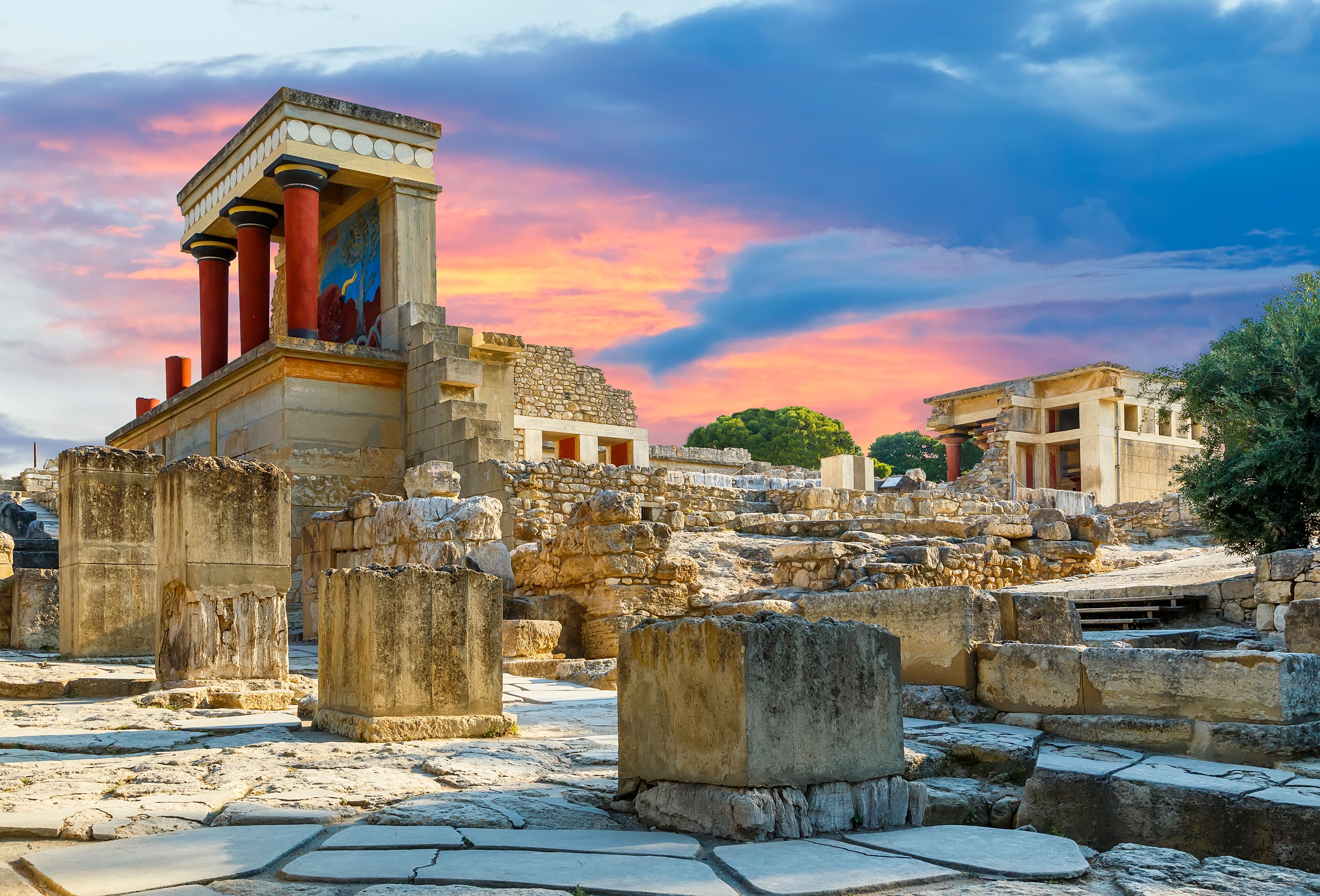
Palace of Knossos - Located just 5km from the city centre, this is Europe's oldest city and the legendary home of the Minotaur. The reconstructed palace offers a fascinating glimpse into Minoan civilisation. Open daily from 8:00 to 20:00 in summer (shorter hours in winter).
Heraklion Archaeological Museum - Housing the world's greatest collection of Minoan art and artefacts, this museum is essential for understanding Crete's rich history. The famous Phaistos Disc and Snake Goddess figurines are highlights. Open Tuesday to Sunday, 8:00 to 20:00.
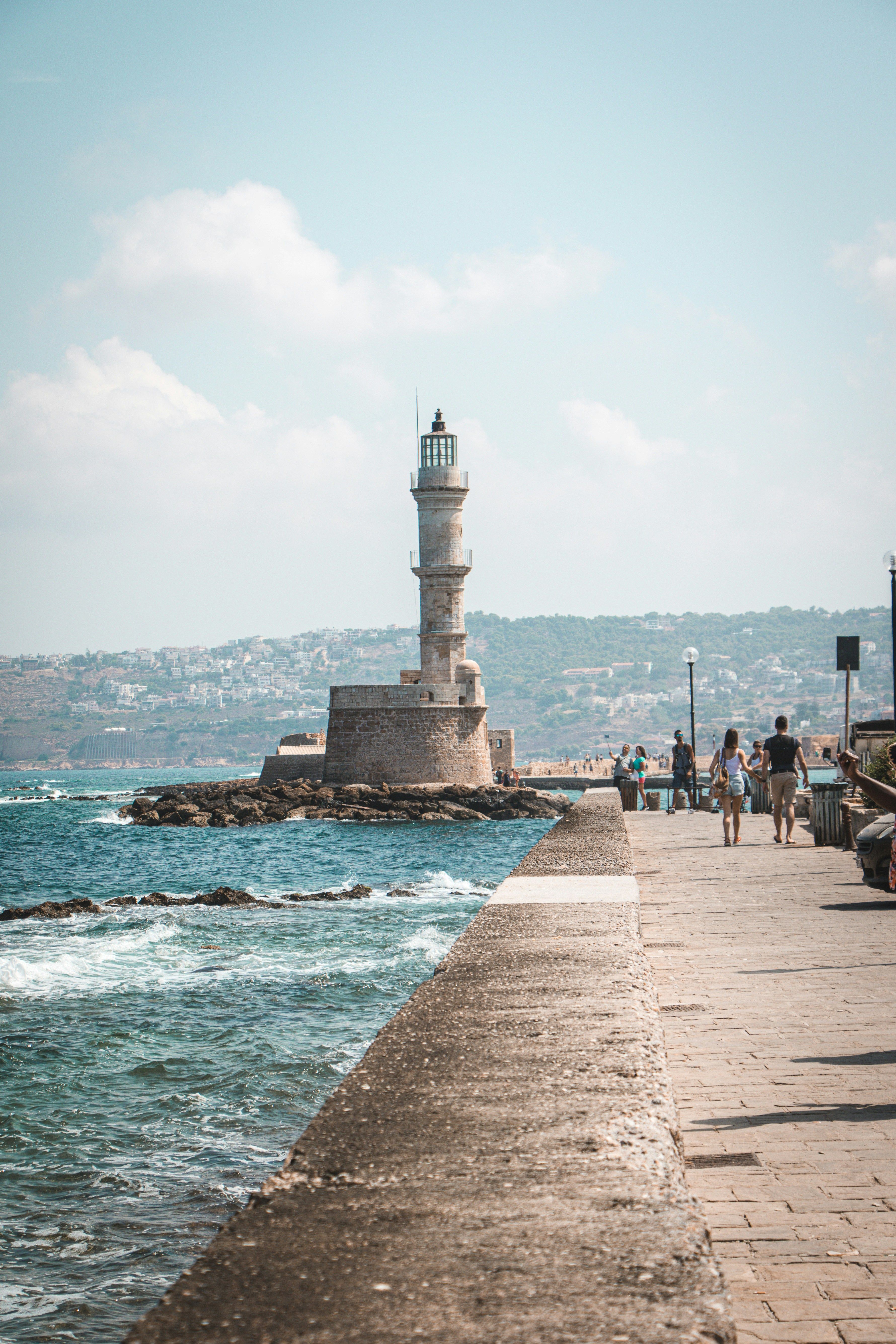
Venetian Fortress (Koules) - This impressive 16th-century fortress guards Heraklion's harbour and offers panoramic views of the sea and city. Explore the massive stone walls and learn about Crete's Venetian period. Open daily from 8:30 to 15:00.
Historical Museum of Crete - Covering the Byzantine period through modern times, this museum includes works by El Greco and exhibits on Cretan literature and folklore. Open Monday to Saturday, 9:00 to 17:00.
Agios Titos Church - This beautiful church in the heart of Heraklion has a fascinating history, having been converted from a church to a mosque and back again through Crete's turbulent past. Open daily with free admission.
Old Town and City Centre - The heart of Heraklion features Venetian architecture, bustling markets, and numerous cafés and restaurants. Lions Square (Eleftheriou Venizelou) with its ornate Morosini Fountain is the social hub of the city.
Lakkos - This formerly run-down district has been revitalised into an artistic neighbourhood with street art, small galleries, and bohemian cafés, offering a glimpse into local creative culture.
The Harbour Area - Stroll along the waterfront promenade to enjoy sea views, fishing boats, and seafood tavernas serving the day's catch.
Agia Triada - A more residential neighbourhood where you can experience authentic local life, traditional bakeries, and tavernas frequented by Heraklion residents rather than tourists.
Market Street (Odos 1866) - This bustling market street is perfect for sampling local products, from Cretan cheese and olive oil to honey, herbs, and handcrafted souvenirs.
Heraklion enjoys a Mediterranean climate with long, hot summers and mild, rainy winters. This makes for a relatively long tourist season compared to many European destinations.
Summer (June to September) brings average temperatures between 24-29°C (75-84°F), with July and August being the hottest months. These months see almost no rainfall and offer 12+ hours of sunshine daily, making them ideal for beach activities and exploring outdoor archaeological sites. However, this is also peak tourist season, with higher prices and more crowded attractions.
Spring (April to May) and autumn (October to November) offer pleasant temperatures ranging from 17-25°C (63-77°F) with moderate rainfall. These shoulder seasons provide an excellent balance of good weather and fewer crowds, making them perhaps the ideal time to visit for many travellers.
Winter (December to March) is mild by European standards, with temperatures typically between 12-17°C (54-63°F). This season sees the most rainfall, particularly in December and January, though rainy days are often interspersed with sunny periods. While not beach weather, winter offers the opportunity to experience local culture without tourist crowds.
Regarding ferry operations, the weather generally has minimal impact during summer months. However, during winter, particularly from November to February, strong winds in the Aegean can occasionally cause ferry delays or cancellations. If travelling during these months, it's advisable to allow some flexibility in your schedule.
Heraklion offers good value compared to many European destinations, though prices have increased in recent years as tourism has grown.
A budget traveller can manage on approximately £40-60 per day, covering a bed in a hostel dormitory (£15-25), meals at inexpensive tavernas or street food (£15-20), and public transportation or limited attractions (£10-15).
Mid-range travellers should budget around £80-120 daily for a decent hotel room (£50-70), meals at mid-range restaurants (£20-30), and entrance fees to major attractions plus some transportation (£20).
Luxury travellers can expect to spend £150+ per day, with upscale hotels starting at £100+, fine dining experiences (£40-60 per person), and private tours or premium experiences.
Common expenses in Heraklion include:
To save money, consider visiting in shoulder season (May-June or September-October), eating where locals dine rather than at tourist hotspots, and purchasing a combined ticket for Knossos and the Archaeological Museum.
The ideal time to visit Heraklion depends on your preferences and priorities:
Peak Season (July-August): These months offer guaranteed sunshine and warm sea temperatures perfect for swimming. However, they also bring the largest crowds, highest prices, and occasionally uncomfortably hot temperatures, particularly for exploring archaeological sites. All attractions and businesses are open, and ferry services run at their highest frequency.
Shoulder Season (May-June and September-October): Many consider this the perfect time to visit Heraklion. Temperatures are warm but not scorching (20-25°C/68-77°F), the sea is still pleasant for swimming, and tourist sites are less crowded. Accommodation prices can be 20-30% lower than peak season, and you'll experience a more authentic atmosphere in restaurants and cafés.
Off-Season (November-April): Winter brings cooler temperatures and some rainfall, but also the fewest tourists and lowest prices. Many smaller tourist-oriented businesses close, particularly in coastal areas, but Heraklion as a working city remains lively year-round. This period is ideal for exploring cultural sites, museums, and experiencing local life. Note that ferry connections are less frequent during this period.
For cultural travellers interested in history and archaeology, April-May and September-October offer the most comfortable conditions for exploring outdoor sites like Knossos. Beach lovers will find June through September most satisfying, while those seeking the lowest prices and most authentic local experience might prefer November or April.
Notable events include the Heraklion Summer Festival (July-September) featuring concerts and performances, Easter celebrations (dates vary) with traditional processions, and the Wine Festival in August celebrating Cretan viticulture.
Heraklion offers a range of accommodation options to suit all budgets and preferences. In the city centre, you'll find numerous budget-friendly hotels and guesthouses starting from around £40 per night, placing you within walking distance of major attractions like the Heraklion Archaeological Museum and the Venetian Harbour.
Solo travellers might appreciate the social atmosphere of hostels near Eleftherias Square, while couples can enjoy boutique hotels in the charming old town area. Families travelling to Heraklion will find spacious apartment rentals and family-friendly hotels, particularly along the coastal areas east of the city centre.
For those seeking a more authentic experience, consider staying in one of the traditional guesthouses in nearby villages like Archanes or Peza, where you can experience local Cretan hospitality. We recommend booking accommodations well in advance during the peak summer season (June-September) when prices typically increase by 20-30%.
Heraklion has a reliable public bus network operated by the local KTEL company. Buses connect the port, airport, and city centre, with fares starting at around £1.50 per journey. The compact nature of Heraklion's historical centre makes it perfectly walkable, allowing you to explore many attractions on foot.
Taxis are readily available throughout the city and operate on a metered system. A typical ride from the port to the city centre costs approximately £8-10. For those wanting to explore the wider region of Crete, car rentals are available from £30 per day, offering the freedom to discover hidden beaches and mountain villages at your own pace.
Cycling is becoming increasingly popular in Heraklion, with bike rental shops offering daily hires from around £10. This provides an eco-friendly way to navigate the coastal promenade and less congested areas of the city.
Travelling from Rhodes to Heraklion by ferry offers a unique opportunity to experience the beauty of the Aegean Sea while journeying between two of Greece's most captivating islands. The 10.5-hour crossing with Blue Star Ferries provides comfortable amenities and stunning views, making the journey itself a memorable part of your Greek adventure.
With approximately 5 sailings per month and prices starting from around £125, this ferry connection offers an excellent value travel option that allows you to bring your vehicle and enjoy the freedom to explore both islands thoroughly.
Whether you're drawn to the mediaeval charm of Rhodes or the Minoan wonders of Crete, this sea route connects two incredible destinations rich in history, culture, and natural beauty. Book your Rhodes to Heraklion ferry journey today and set sail for an unforgettable Greek island experience!