Travelling from Heraklion to Piraeus: Complete Ferry & Travel Guide
Route Guides
Route Guides


The journey from Heraklion to Piraeus is one of the most important maritime connections linking Crete with mainland Greece. This popular route serves thousands of travellers each year, offering a comfortable way to travel between these two significant ports. The ferry crossing spans approximately 312.1 km (193.9 miles) across the Aegean Sea, taking an average of 9 hours 30 minutes. With regular departures throughout the year, this route provides reliable transportation for tourists and locals alike. In this comprehensive guide, we'll explore everything you need to know about taking the ferry from Heraklion to Piraeus, including schedules, prices, port information, and what to expect during your journey.
When travelling between Heraklion and Piraeus (Athens' main port), you have two primary transportation options: flying or taking a ferry. Each offers distinct advantages depending on your travel preferences, budget, and schedule.
Flying between Heraklion and Athens is the quickest option, with flights typically taking around 50-60 minutes. However, when considering the full journey - including travel to and from airports, check-in procedures, and potential delays - the actual door-to-door time can extend to 3-4 hours. While flying saves time, it doesn't offer the same experience as travelling by sea.
Ferry travel, on the other hand, provides a more relaxed journey across the Aegean. The ferry route from Heraklion to Piraeus covers 168.5 nautical miles and typically takes around 9 hours 30 minutes. The fastest crossing is approximately 8 hours 45 minutes with Blue Star Ferries. Though longer than flying, ferry travel offers several advantages: you can bring your vehicle, enjoy spacious accommodations, take in spectacular sea views, and experience a traditional aspect of Greek travel culture.
With around 2 daily sailings and 18 weekly departures, ferries offer good flexibility for planning your journey. Prices for ferry tickets typically start from around £168 for the fastest services. The frequency increases during summer months, with approximately 83 sailings per month at peak season.
You can take a ferry from Heraklion to Piraeus. Ferries sail in around 9 hours 30 minutes with about 2 sailings a day. The fastest ferry sails in around 8 hours 45 minutes and is provided by Blue Star Ferries. Ferry prices can range with an average starting price of around £168 depending on the season and accommodation type. Departures start as early as 03:15, with the last departure from Heraklion to Piraeus typically at 23:45.
Blue Star Ferries is the primary operator offering the fastest service on this route. Their modern vessels provide a comfortable journey across the Aegean Sea. The company is known for its reliability and quality service, making it a popular choice for travellers.
Onboard amenities typically include restaurants, cafés, shops, comfortable seating areas, and various cabin options ranging from standard to deluxe. Most ferries feature open decks where passengers can enjoy the sea breeze and panoramic views of the Greek islands. Wi-Fi is generally available, though connection quality may vary during the journey.
If you're travelling with a vehicle, ferries on this route accommodate cars, motorcycles, and camper vans. It's advisable to book vehicle space well in advance, especially during the high season when demand is at its peak.
The ferry journey operates year-round, with increased frequency during summer months. Winter schedules might offer fewer departures, but the route remains operational, providing an essential link between Crete and mainland Greece regardless of season.
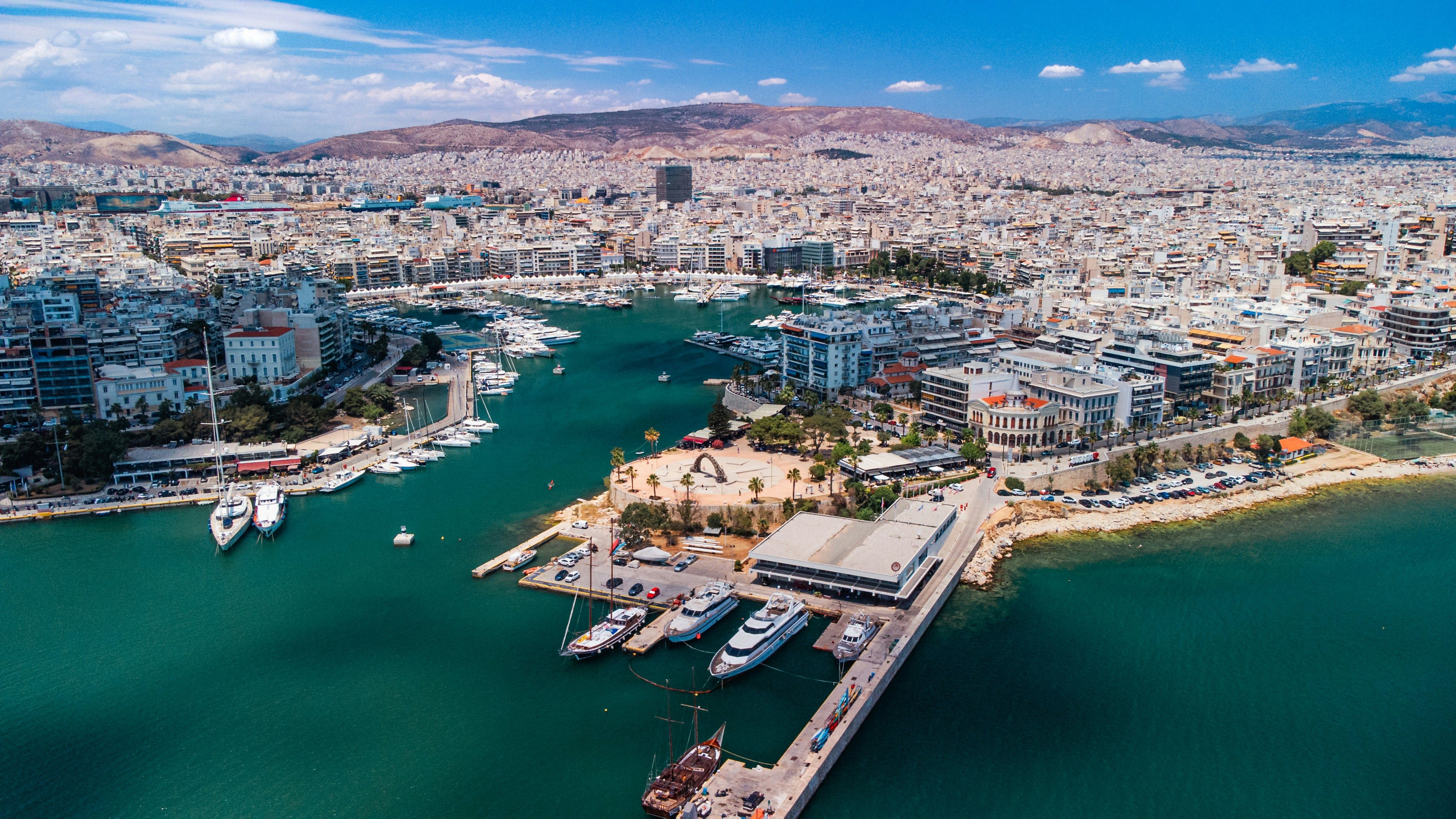
Heraklion Port is located near the city centre, making it easily accessible for travellers. From Heraklion International Airport, the port is approximately 5 km away – a journey of about 15 minutes by taxi. Regular bus services also connect the airport to the port area.
If you're staying in Heraklion city, the port is within walking distance from many central hotels. For those with luggage, taxis are readily available throughout the city and provide convenient transport to the terminal.
The port facilities include waiting areas, cafés, ticket offices, and tourist information points. There are also several restaurants and shops in the immediate vicinity. Parking is available near the port for those who need to leave their vehicles during their journey.
It's recommended to arrive at the port at least 1-1.5 hours before your scheduled departure, especially if you're travelling with a vehicle that needs to be loaded onto the ferry.
Piraeus is the main port of Athens and one of the largest passenger ports in Europe. The port has several gates and terminals serving different destinations, so it's important to check which gate your ferry arrives at.
Upon arrival in Piraeus, you'll find various transportation options to reach Athens city centre or other destinations. The most convenient is the Metro Line 1 (Green Line), with Piraeus station just a short walk from the main ferry terminals. The journey to central Athens takes approximately 20 minutes.
Buses and the suburban railway also connect the port with Athens and its suburbs. Taxis are abundant, though it's advisable to confirm the fare before starting your journey.
The port area offers a range of facilities including cafés, restaurants, shops, banks, ATMs, and tourist information points. There are also left-luggage facilities if you need to store bags before continuing your journey.
While it's technically possible to make a day trip from Heraklion to Piraeus and back, it's not particularly practical due to the lengthy crossing times. The ferry journey alone takes approximately 9 hours 30 minutes each way, meaning you would spend at least 19 hours travelling for very little time at your destination.
If you're determined to make a quick visit, your best option would be to take the earliest morning departure from Heraklion (around 03:15) and return on a late-night sailing. This would give you perhaps 6-8 hours in Athens, which is enough to see a few key attractions but certainly not ideal.
A more reasonable approach would be to plan at least an overnight stay. This allows you to arrive in Piraeus in the evening, spend a full day exploring Athens, and then either return the following evening or extend your stay further.
For those primarily interested in seeing Athens rather than experiencing the ferry journey itself, flying might be a better option for a day trip, as the short flight duration would maximise your time at the destination.
While many travellers use Piraeus simply as a gateway to Athens, the port city itself offers several attractions worth exploring:
Housing an impressive collection of ancient Greek sculptures, ceramics, and artefacts discovered in the local area. Open Tuesday to Sunday, 8:30 AM to 3:30 PM.
A picturesque harbour lined with seafood restaurants and cafés. It's the perfect place to enjoy fresh fish while watching the boats in the marina.
An impressive neoclassical building dating from the 1880s that hosts various performances and cultural events throughout the year.
Offering panoramic views of the Saronic Gulf and the port. The neighbourhood features colourful houses and narrow streets ideal for a leisurely stroll.
Chronicling Greece's rich naval history through ship models, maps, and maritime artefacts. Particularly interesting given the importance of seafaring to Greek culture.
Of course, most visitors will want to explore Athens, which is easily accessible from Piraeus. The Greek capital offers world-famous attractions including:
The Acropolis and Parthenon stand as the ultimate symbols of ancient Greek civilisation. The National Archaeological Museum houses the world's finest collection of Greek antiquities. The historic Plaka district offers charming streets, traditional tavernas, and shops selling local crafts. The changing of the guard ceremony at Syntagma Square provides a glimpse of modern Greek tradition. And the vibrant Central Market (Varvakios Agora) showcases local produce, meats, and seafood in a lively atmosphere.

Piraeus enjoys a Mediterranean climate with hot, dry summers and mild, occasionally rainy winters. Summer temperatures typically range from 25°C to 35°C (77°F to 95°F) between June and September, with July and August being the hottest months. These warm temperatures make it ideal for exploring the city and enjoying outdoor activities.
Winter temperatures are relatively mild, ranging from 8°C to 15°C (46°F to 59°F) between December and February. Rainfall is more common during winter months, though prolonged periods of bad weather are rare.
Spring (March to May) and autumn (October to November) offer pleasant temperatures between 15°C and 25°C (59°F to 77°F), making these shoulder seasons excellent times to visit with fewer crowds.
Weather conditions can occasionally affect ferry operations, particularly during winter when strong winds might cause delays or cancellations. Summer generally provides the most reliable sailing conditions, though the Aegean can experience the occasional meltemi winds that might impact schedules.
Piraeus and Athens offer options for various budget levels. A budget traveller might spend around £40-60 per day, including accommodation in a hostel or budget hotel, meals at local tavernas, and public transportation. Mid-range travellers should budget approximately £80-120 daily for better accommodations, restaurant meals, and some paid attractions.
Food costs vary widely, but you can find souvlaki or gyros for around £3-5, while a meal at a traditional taverna might cost £12-20 per person. A coffee in a café typically costs £2-3, and a local beer around £3-5.
Public transportation is affordable, with a 90-minute ticket for Athens public transport (including the metro from Piraeus to Athens) costing about £1.20. A 24-hour ticket costs approximately £4.
To save money, consider purchasing the Athens Tourist Card if you plan to visit multiple attractions, eating at local establishments away from main tourist areas, and travelling during shoulder season when both accommodation and ferry prices are lower.
The peak tourist season runs from June to August, when temperatures are highest and ferry services most frequent. While this period offers the fullest experience of Greek summer, it also brings larger crowds and higher prices.
The shoulder seasons of April-May and September-October offer an excellent balance of pleasant weather, reduced crowds, and more affordable prices. During these months, temperatures remain comfortable for sightseeing, and the sea is usually warm enough for swimming.
Winter visits (November to March) will find a more authentic, local atmosphere with very few tourists. While some attractions and restaurants in heavily touristic areas might have reduced hours, most of Athens remains fully operational. Ferry services continue to run, though with reduced frequency.
For those interested in cultural events, consider timing your visit around the Athens and Epidaurus Festival (June to August), which features performances of ancient drama, music, and dance in historic venues. The Navy Week celebrations in Piraeus (late June) include boat parades and various maritime events honouring the city's seafaring heritage.
Finding the right place to stay in Piraeus after your ferry journey from Heraklion can enhance your travel experience. The port city offers various accommodation options to suit different preferences and budgets.
For budget-conscious travellers, areas like Kastella and the streets near the port offer affordable guesthouses and small hotels starting from around £40 per night. Solo travellers might appreciate the social atmosphere of hostels in nearby Athens, which are easily accessible via public transport.
Couples seeking a more romantic stay can explore boutique hotels in Mikrolimano with stunning marina views, typically ranging from £70-120 per night. Families will find spacious apartment rentals in Piraeus centre or neighbouring Faliro, offering kitchen facilities and multiple bedrooms from £80-150 depending on size and season.
We recommend booking accommodation at least a few weeks in advance, especially if travelling during summer months when ferry arrivals from Heraklion bring many visitors to the mainland.
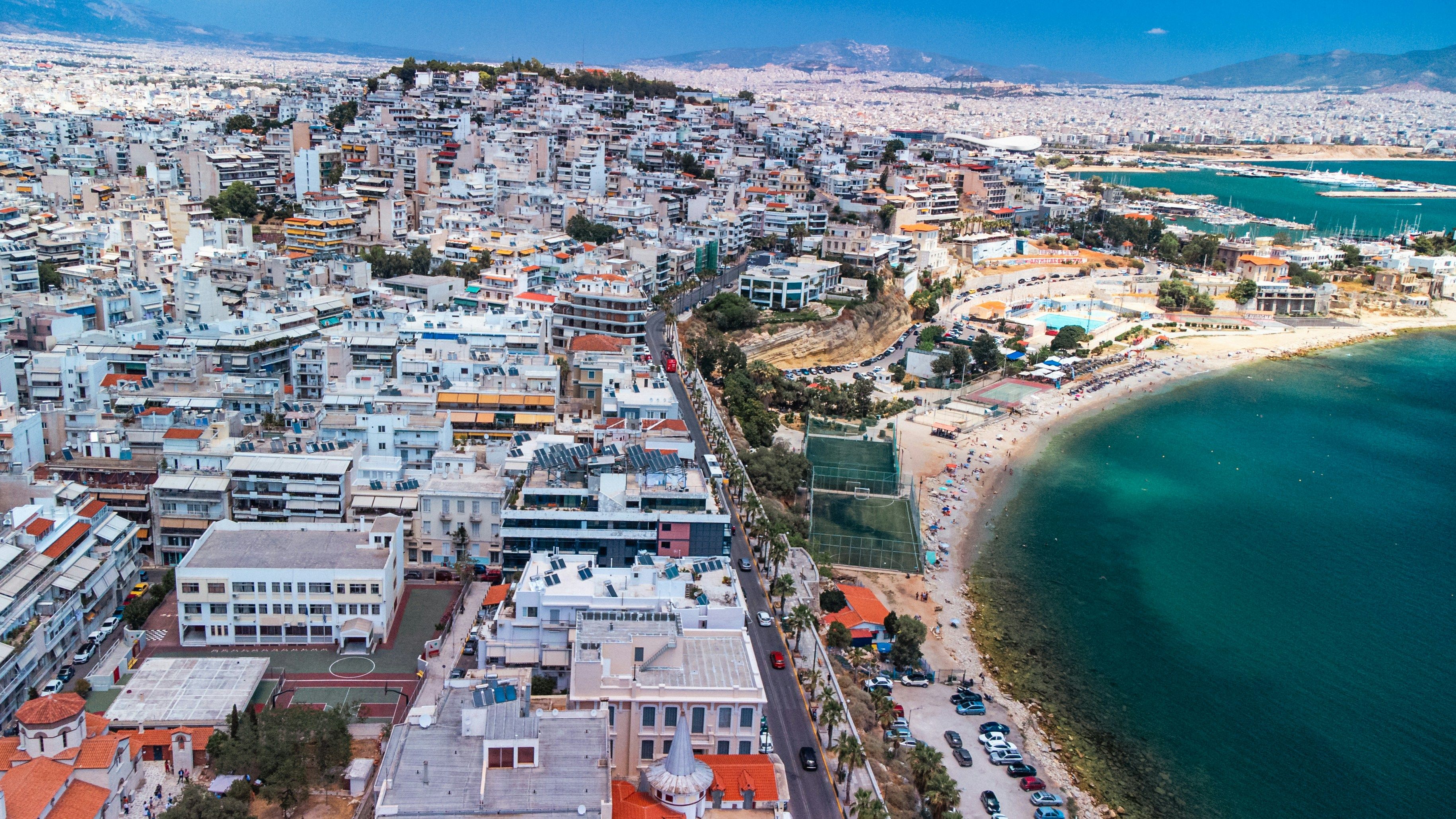
Navigating Piraeus after your ferry arrival from Heraklion is straightforward with several transport options available.
The metro Line 1 (Green Line) connects Piraeus directly to central Athens and runs frequently from early morning until midnight. This is the most convenient option for reaching the capital, taking approximately 20 minutes to reach Monastiraki station in the historic centre.
Local buses serve various neighbourhoods within Piraeus and connect to surrounding areas. The blue and white city buses are affordable, with single tickets costing around £1.20 and valid for 90 minutes including transfers.
Taxis are readily available at the ferry terminal, with a typical fare to central Athens costing approximately £15-20 depending on traffic. Ride-sharing apps also operate throughout the area.
For those who enjoy exploring on foot, Piraeus harbour area is quite walkable, with interesting neighbourhoods like Kastella and Pasalimani within comfortable walking distance from the main port.
Travelling the 312 kilometres between Heraklion and Piraeus by ferry offers a remarkable way to experience the beauty of the Aegean Sea while transitioning from Cretan culture to mainland Greece. With approximately 18 weekly sailings operated by reputable companies like Blue Star Ferries, this maritime journey combines practicality with pleasure.
The average crossing time of 9 hours 30 minutes allows you to enjoy onboard amenities while preparing for your mainland adventures. For those seeking efficiency, Blue Star Ferries offers the shortest duration at 8 hours 45 minutes for around £168.
Whether you choose an early morning departure at 03:15 to maximise your day upon arrival, or prefer the evening sailings departing as late as 23:45 for an overnight journey, the Heraklion to Piraeus route delivers both convenience and flexibility.
Ready to experience this essential Greek travel connection? Book your ferry tickets in advance to secure the best prices and preferred sailing times, especially during peak summer season when the 83 monthly connections can fill quickly. Your sea journey from Crete to Athens awaits!