Travelling from Civitavecchia to Olbia: Complete Ferry & Travel Guide
Route Guides
Route Guides


Exploring the stunning journey from Civitavecchia to Olbia offers travellers a magnificent sea voyage across the Tyrrhenian Sea to the beautiful island of Sardinia. This popular Mediterranean route spans approximately 175.5 miles (282.4 km) and serves as a vital connection between mainland Italy and one of its most cherished island destinations. While flights might be an option for some travellers, the ferry journey provides a uniquely immersive experience, allowing you to bring vehicles and enjoy the scenic beauty of the Mediterranean waters. With multiple sailings daily operated by respected ferry companies like Grandi Navi Veloci and Tirrenia, this route offers flexibility and convenience for holidaymakers and business travellers alike. In this comprehensive guide, we explore everything you need to know about travelling from Civitavecchia to Olbia.
When planning your journey from Civitavecchia to Olbia, you have transportation options to consider, though ferries represent the most direct route.
For those considering air travel, it's worth noting that Civitavecchia doesn't have its own commercial airport. Most travellers would need to first travel to Rome (approximately 80 km away) and then fly to Olbia Costa Smeralda Airport. This indirect route involves additional travel time to and from airports, plus the flight itself.
The ferry route, spanning 152.5 nautical miles across the Tyrrhenian Sea, offers a more direct connection between these two port cities. With an average crossing time of 7 hours and 17 minutes, ferries provide a comfortable and scenic journey. The route is served by reputable operators including Grandi Navi Veloci and Tirrenia, with approximately 2 sailings daily, totaling around 15 weekly departures.
While flights might seem faster at first glance, when considering the total journey time (including travel to airports, check-in procedures, and potential delays), the ferry often represents a comparable time investment with added benefits. Ferry travel allows you to bring your vehicle, carry more luggage without strict weight limitations, and enjoy the journey as part of your travel experience rather than merely as transportation.
Price-wise, ferry crossings on this route typically cost around £487 for the fastest services, though prices can vary based on season, specific sailing times, and whether you're travelling with a vehicle.
You can take a ferry from Civitavecchia to Olbia. Ferries sail in around 7h 17m with about 2 sailings a day. The fastest ferry sails in around 5h 30m and is provided by Grandi Navi Veloci and Tirrenia. Ferry prices can range depending on operator, whether it is a conventional or fast ferry and time of year, with the fastest services averaging around £487. Departures start as early as 08:30, with the last departure from Civitavecchia to Olbia at 23:00.
Both Grandi Navi Veloci and Tirrenia are well-established ferry operators in the Mediterranean, known for their reliable service on this important route connecting mainland Italy with Sardinia. These companies operate modern vessels equipped with various amenities to ensure a comfortable journey across the Tyrrhenian Sea.
Onboard, passengers can expect a range of facilities designed to make the crossing enjoyable. Most ferries feature comfortable seating areas, restaurants or cafés serving hot meals and refreshments, and shops for any essentials or souvenirs. Many vessels also offer entertainment options including TV lounges or viewing decks where you can enjoy the spectacular Mediterranean scenery.
For longer journeys or overnight crossings, cabin accommodations are available in various categories to suit different budgets and needs. These range from standard inside cabins to more luxurious outside cabins with sea views. Booking cabins in advance is highly recommended, especially during peak summer season when this route becomes particularly busy with tourists heading to Sardinia.
The route operates year-round, though you'll find more frequent sailings during the summer tourist season (June to September). During winter months, while services continue to run, there may be fewer daily departures and occasionally sailings might be affected by adverse weather conditions.
Both operators accommodate vehicles on this route, making it ideal for travellers who wish to explore Sardinia with their own car, motorcycle, or campervan. Vehicle spaces should be booked well in advance, particularly during summer months when demand is highest.
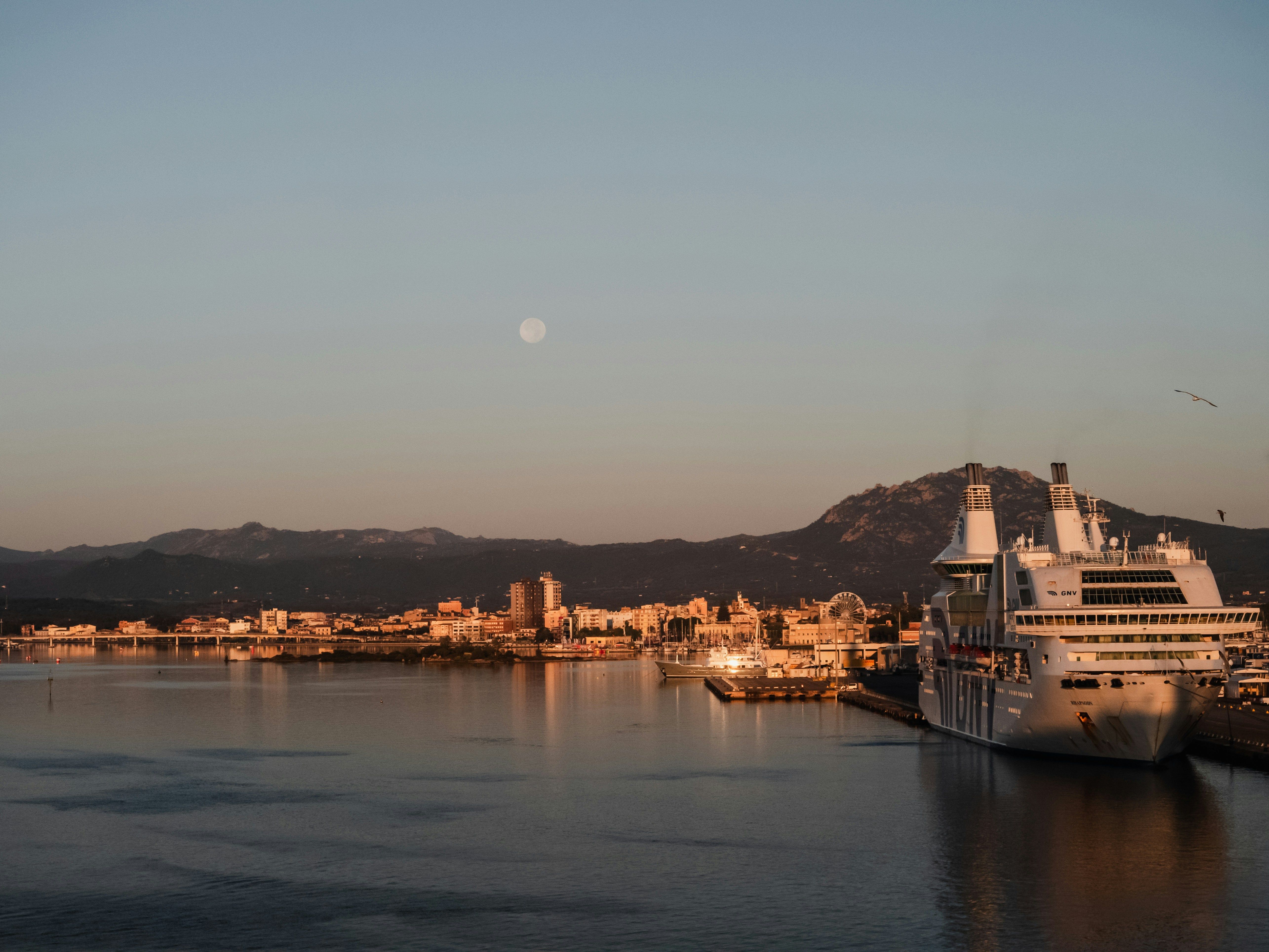
Civitavecchia port, often referred to as the Port of Rome, is located approximately 80 kilometres northwest of Rome. As one of Italy's major ferry hubs, the port is well-organised but can be busy, especially during peak season.
If you're coming from Rome, the most convenient way to reach the port is by train. Regular services run from Roma Termini and Roma San Pietro stations to Civitavecchia, with the journey taking approximately 45-80 minutes depending on the service. From Civitavecchia train station, free shuttle buses operate to the various ferry terminals, or you can take a short taxi ride for around £10-15.
For those driving to the port, follow the A12 Roma-Civitavecchia motorway. The port has several parking options, including both short-term and long-term facilities, with prices starting from approximately £15 per day. It's advisable to book parking in advance during summer months.
The port terminal offers essential facilities including ticket offices, waiting areas, cafés, restrooms, and luggage storage. There are also information desks where staff can assist with queries about departures or port navigation. We recommend arriving at least 90 minutes before your scheduled departure to allow time for check-in and boarding procedures.
Olbia's port, known as Isola Bianca, is conveniently located close to the city centre, making it easy to access Olbia's attractions upon arrival. The port has a straightforward layout with clear signage guiding disembarking passengers.
Upon arrival, if you're travelling as a foot passenger, you'll find taxi ranks directly outside the terminal building. A taxi to Olbia city centre typically costs around £10-15. There's also a public bus service connecting the port to the city centre and other destinations in northeastern Sardinia.
For those arriving with vehicles, the exit routes from the port are well-marked, directing you either toward Olbia city centre (approximately 5 minutes' drive) or to major roads connecting to other parts of Sardinia.
The port terminal itself offers basic facilities including cafés, restrooms, tourist information points, and car rental offices. Several hotels and restaurants can be found within walking distance of the port, making it convenient if you arrive on a late ferry and need accommodation for the night.
If you need to stock up on supplies upon arrival, there's a supermarket approximately 10 minutes' walk from the port, and the main shopping areas of Olbia are about 15-20 minutes away on foot.
While technically possible, a day trip from Civitavecchia to Olbia requires careful planning due to the crossing duration and available sailing times. With the journey taking at least 5 hours 30 minutes each way on the fastest services, and considering the earliest departure from Civitavecchia is at 08:30, a traditional day trip leaves limited time to explore Olbia itself.
If you're determined to attempt a day trip, your best approach would be to take the earliest morning departure from Civitavecchia (08:30) and return on the latest evening sailing from Olbia. This would give you approximately 4-5 hours in Olbia, assuming no delays and factoring in boarding times.
During this limited time, we recommend focusing on Olbia's compact historic centre. You could visit the Archaeological Museum of Olbia to learn about the area's history, see the Basilica of San Simplicio (Olbia's most important historical church), and enjoy a quick lunch at one of the restaurants along Corso Umberto, the main shopping street.
However, for a more relaxed and enjoyable experience, we strongly recommend staying at least one night in Olbia or elsewhere in Sardinia. This allows you to fully appreciate what the island has to offer without rushing. Many travellers find that a minimum 3-day stay in Sardinia provides a better opportunity to explore its beautiful beaches, historic sites, and mountain villages.
An alternative to a day trip would be booking an overnight ferry in one direction, which allows you to maximise your time in Sardinia while using the overnight journey for rest. This approach effectively gives you an extra full day of exploration without additional accommodation costs.
Olbia offers visitors a delightful mix of historical sites, natural beauty, and authentic Sardinian culture. Here are the top attractions to include in your itinerary:
Housing an impressive collection of artefacts from the Nuragic, Phoenician, Greek, and Roman periods, this modern museum showcases Olbia's rich history. The centrepiece is a perfectly preserved Roman ship discovered in the ancient harbour. Open Tuesday-Sunday, 10:00-18:00, the museum provides fascinating insights into the island's maritime heritage.
This beautiful 11th-century Romanesque church is Olbia's most important historical building. Dedicated to the patron saint of the city, its simple granite construction and peaceful interior make it a must-visit cultural landmark. The basilica is open daily from 08:00-20:00 with a brief afternoon closure.
Just 4km from the city centre, this stunning stretch of white sand and crystal-clear waters offers a perfect escape for beach lovers. With shallow waters, it's ideal for families, while the beachside cafés provide refreshments throughout the day. The beach is easily accessible by local bus or a short taxi ride from Olbia.
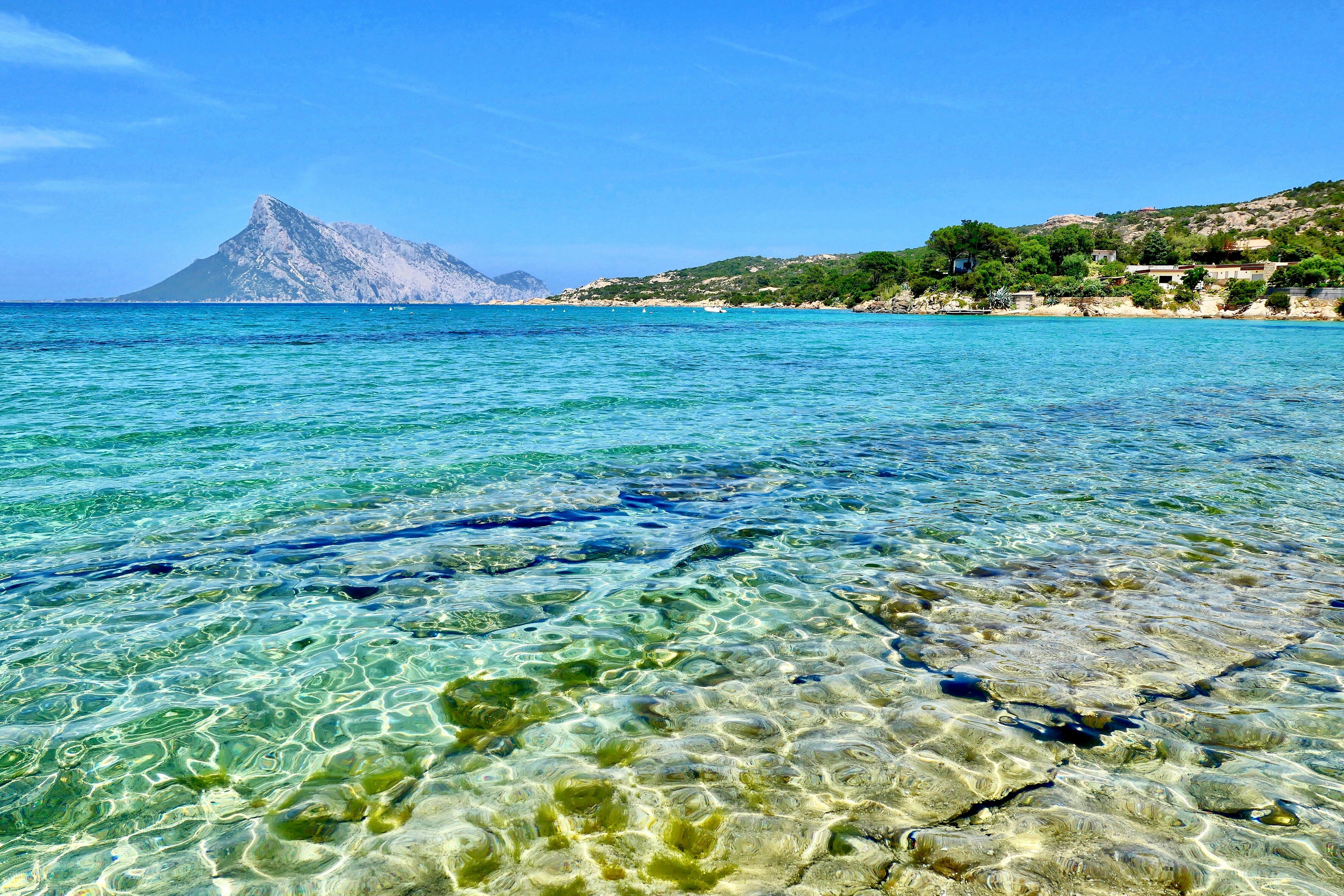
This dramatic limestone massif rising from the sea creates one of Sardinia's most iconic views. Regular boat trips depart from Olbia's marina to this protected marine area, where you can enjoy pristine beaches and exceptional snorkelling opportunities. The island also has a fascinating history as a self-declared kingdom.
This charming village nestled in the granite mountains just 20 minutes from Olbia offers a glimpse of authentic Sardinian life. Its Thursday market is famous for local crafts and produce, while the picturesque piazza with outdoor cafés provides a perfect spot to experience the relaxed island atmosphere.
Olbia's Centro Storico (historic centre) is where you'll find most tourist attractions, including the Archaeological Museum and Basilica of San Simplicio. The area around Corso Umberto forms the main shopping district with boutiques, cafés, and restaurants lining this bustling street. For an authentic local experience, explore the streets branching off from the main corso, where you'll find traditional food shops and quieter neighbourhood restaurants.
The waterfront area near the port offers a different atmosphere with seafood restaurants and views across the harbour. This area comes alive in the evenings when locals enjoy their passeggiata (evening stroll).
For nightlife, the area around Piazza Regina Margherita hosts several bars and small clubs that stay open late during summer months. Meanwhile, the newer parts of town toward the airport feature larger commercial centres and modern residential developments.
Olbia enjoys a typical Mediterranean climate with hot, dry summers and mild, occasionally rainy winters. This creates generally favourable conditions for ferry travel throughout the year, though with some seasonal considerations.
Summer (June to September) brings consistently warm temperatures ranging from 25-35°C (77-95°F) with very little rainfall. These months offer the most reliable weather for beach activities and outdoor exploration, though they also coincide with peak tourist season. The sea temperature reaches a pleasant 24-26°C (75-79°F) in August, perfect for swimming.
Spring (April to May) and autumn (October to November) are excellent times to visit, with comfortable temperatures between 15-25°C (59-77°F). These shoulder seasons offer good weather with fewer crowds and lower prices. Occasional rainfall becomes more common, particularly in November, but rarely lasts long.
Winter (December to March) brings milder temperatures ranging from 8-15°C (46-59°F) with increased rainfall. January and February are typically the wettest months. While not beach weather, winter still offers many clear, sunny days ideal for exploring historical sites and enjoying the local cuisine.
Regarding ferry operations, the Civitavecchia-Olbia route runs year-round, but weather can occasionally impact crossings during winter months. The Tyrrhenian Sea can experience rough conditions during strong winds, particularly the Mistral wind which typically blows from the northwest. Ferry operators monitor conditions closely and may delay or cancel crossings in severe weather, prioritising passenger safety. These disruptions are most common between November and March, though they remain relatively infrequent.
Olbia offers good value compared to other Mediterranean destinations, though prices vary significantly by season. During summer (June-September), expect to pay premium rates for accommodation and some services, while visiting during shoulder or off-season can reduce costs considerably.
For budget travellers, a daily allowance of £60-80 per person can cover basic accommodation in a hostel or budget hotel (£30-40), meals at inexpensive restaurants or self-catering (£20-25), and public transportation or limited activities (£10-15).
Mid-range travellers should budget £100-150 daily per person, which allows for comfortable hotels (£60-90), dining at good local restaurants (£30-40), and various activities or excursions (£20-30).
Luxury travellers can expect to spend £200+ daily, with high-end hotels or resorts starting from £150, fine dining experiences (£50-70 per person), and premium activities like private boat tours (£100+).
Some typical costs include: a cappuccino at a café (£1.50-2), a two-course meal at a mid-range restaurant (£20-25), local bus ticket (£1-2), taxi from port to city centre (£10-15), and entrance to museums or historical sites (£5-10). Renting a small car, highly recommended for exploring Sardinia, costs approximately £40-70 per day depending on the season.
Money-saving tips include visiting during shoulder seasons (May-June or September-October), eating lunch at restaurants offering fixed-price menus, shopping at local markets for picnic supplies, and purchasing the Olbia City Pass if planning to visit multiple attractions.
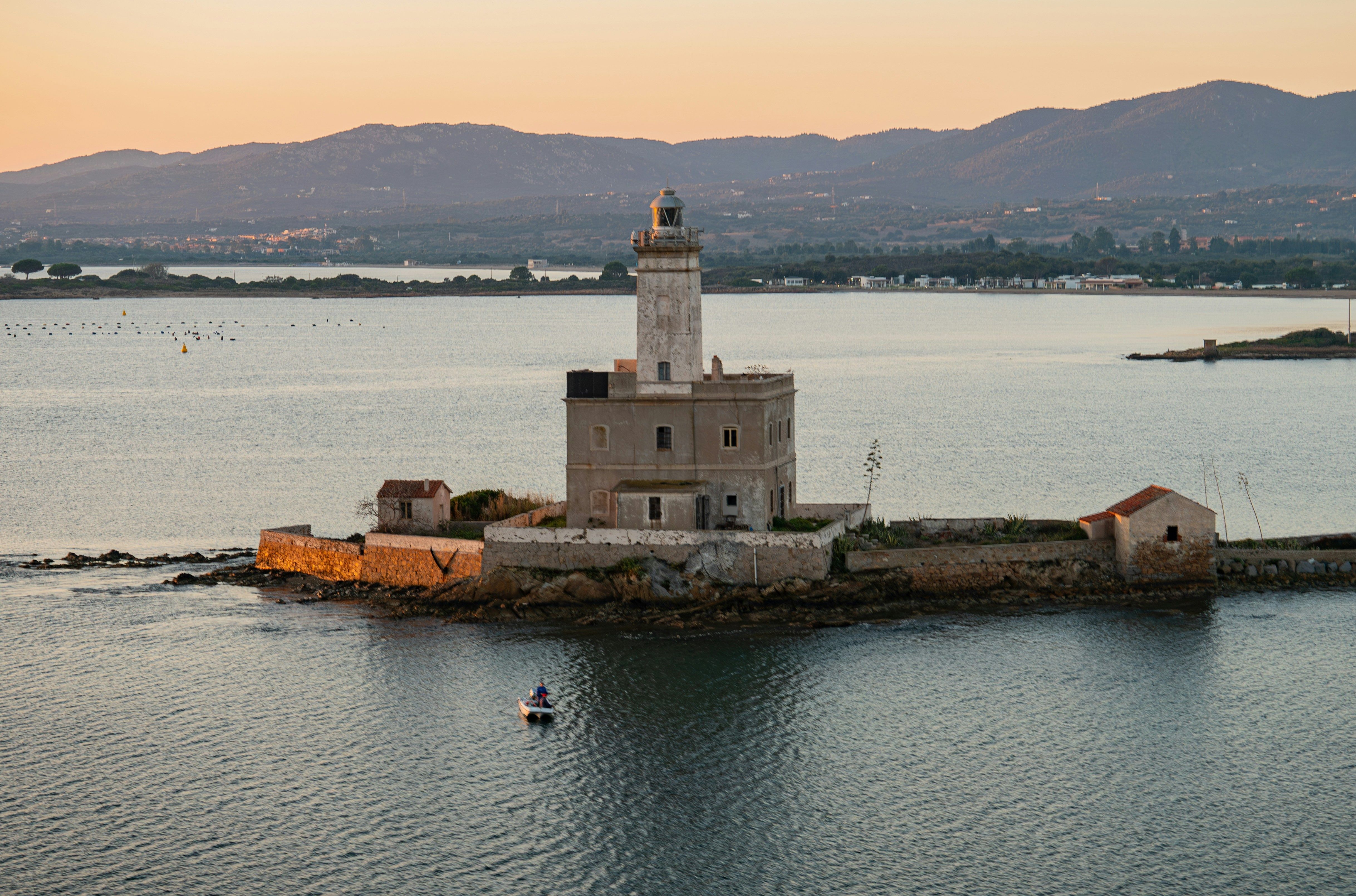
Choosing when to visit Olbia depends largely on your preferences for weather, crowds, and activities. Each season offers a distinctly different experience of this Sardinian gem.
Peak season (July-August) brings hot, sunny days perfect for beach activities, with temperatures consistently between 28-35°C. The atmosphere is lively with numerous festivals and events, including the famous Festival of San Simplicio in May and various music festivals throughout summer. However, this period also brings larger crowds, higher prices (expect 30-50% premiums on accommodation), and the need to book ferries well in advance. The beaches can be crowded, particularly on weekends.
Shoulder seasons (May-June and September-October) offer an excellent compromise with warm temperatures (20-28°C), reduced crowds, and lower prices. The sea remains warm enough for swimming in September and early October. Many locals consider these months the ideal time to experience Sardinia, as you can enjoy beaches and outdoor activities without the intense summer heat and crowds.
Off-peak season (November-April) presents a quieter, more authentic side of Olbia. While many beach-focused businesses close, the city itself remains active with local life. Winter temperatures rarely drop below 8°C, making it comfortable for exploring historical sites and enjoying indoor activities. Accommodation prices can be 50-70% lower than peak season, and you'll experience a more authentic interaction with local culture. Some restaurants and shops may have limited hours, but you'll never lack for quality dining options.
For beach lovers, July-September offers the best swimming conditions. Those primarily interested in cultural experiences and sightseeing might prefer May-June or September-October. Hikers and nature enthusiasts will appreciate April-May when the countryside is in bloom, or September-October when temperatures are moderate for outdoor activities.
Finding the right place to stay in Olbia enhances your Sardinian adventure. The city offers a range of accommodation options to suit different preferences and budgets.
For budget-conscious travellers, consider staying at guesthouses or B&Bs near the historic centre, where prices typically range from £50-80 per night. These often provide authentic local experiences with convenient access to attractions.
Couples might enjoy the boutique hotels scattered around Olbia's charming streets, offering intimate settings with prices from £80-150 per night. Many feature Mediterranean-inspired decor and personalised service.
Families travelling to Olbia should look into holiday rentals or family-friendly hotels, particularly those near the beaches. These typically cost between £100-200 per night depending on size and amenities, offering the space and facilities families need.
For those arriving by ferry from Civitavecchia, consider booking accommodation in advance during summer months, as Olbia becomes quite popular with both Italian and international tourists.
Navigating Olbia is relatively straightforward, with several transportation options to explore this beautiful Sardinian city after your ferry journey from Civitavecchia.
The city centre is compact and pedestrian-friendly, making walking an excellent option for exploring the main attractions, shops, and restaurants. For longer distances, Olbia offers a reliable public bus network that connects the port, city centre, and nearby beaches.
Taxis are readily available, particularly at the ferry terminal, train station, and city centre. While convenient, they can be relatively expensive compared to public transportation.
Renting a car gives you the freedom to explore Olbia and the surrounding Sardinian countryside at your own pace. Several rental agencies operate in the city, with prices starting from about £30 per day. This option is particularly valuable if you plan to visit the stunning beaches along the Costa Smeralda or venture into Sardinia's picturesque interior.
Cycling is another pleasant way to get around, with bike rentals available from several shops in the city centre.
The Civitavecchia to Olbia ferry route offers a wonderful gateway to experiencing Sardinia's unique charms. With operators like Grandi Navi Veloci and Tirrenia providing regular crossings throughout the year, this 152.5 nautical mile journey combines convenience with the romance of sea travel.
Whether you're drawn to Olbia's historical sites, the stunning beaches of Costa Smeralda, or the authentic Sardinian cuisine, arriving by ferry sets the perfect tone for your Mediterranean escape. The 5.5 to 8-hour crossing time gives you space to relax and anticipate the adventures ahead.
With 15 weekly sailings and fares starting from around £487, now is the perfect time to plan your journey across the Tyrrhenian Sea. Book your Civitavecchia to Olbia ferry today and prepare for an unforgettable Sardinian experience that begins the moment you step aboard.