Travelling from Barcelona to Palma: Complete Ferry & Travel Guide
Route Guides
Route Guides


The route between Barcelona and Palma is one of the most popular connections between mainland Spain and the Balearic Islands. Whether you're planning a Mediterranean getaway or a business trip, this scenic journey offers travellers multiple transportation options. While flights provide quick transfers between these destinations, the ferry route presents a more adventurous and scenic alternative. Covering approximately 208.3 km (129.4 miles) across the Mediterranean Sea, the Barcelona to Palma route serves as a vital link for tourists and locals alike. This comprehensive guide explores all aspects of travelling between these vibrant cities, with a particular focus on the comfortable and convenient ferry services that operate throughout the year.
When planning your journey from Barcelona to Palma, you have two main transportation options: flying or taking a ferry. Each option offers distinct advantages depending on your travel preferences and requirements.
Flying between Barcelona and Palma is a popular choice for travellers pressed for time. Multiple airlines operate this route daily, with flight times typically around 1 hour. While flights offer speed and convenience, they lack the scenic experience and relaxed atmosphere that ferry travel provides.
Ferry travel presents a more leisurely and picturesque alternative. The ferry journey from Barcelona to Palma covers 112.5 nautical miles across the Mediterranean Sea. With approximately 2 daily sailings and 17 weekly departures, ferries offer flexible scheduling options for travellers. The average crossing time is around 7 hours and 38 minutes, making it possible to travel overnight and arrive refreshed in the morning.
When comparing the two options, ferries offer several unique advantages. You can bring your vehicle without the hassle and expense of car rental at your destination, enjoy spacious accommodations during your journey, and experience the beautiful Mediterranean scenery. Ferry travel also eliminates airport security lines and baggage restrictions, creating a more relaxed travel experience overall.
You can take a ferry from Barcelona to Palma. Ferries sail in around 7 hours and 38 minutes with about 2 sailings a day. The fastest ferry sails in around 7 hours and is provided by Trasmed GLE. Departures start as early as 21:30, with the last departure from Barcelona to Palma at 23:00.
Trasmed GLE operates on this route, providing reliable and comfortable service between Barcelona and Palma. Their vessels are designed with passenger comfort in mind, offering a variety of amenities to enhance your journey.
Onboard, you can expect a range of facilities to make your crossing comfortable and enjoyable. Most ferries feature comfortable seating areas, dining options ranging from cafeterias to restaurants, and entertainment facilities. Many vessels also offer cabin accommodations for overnight journeys, allowing you to arrive in Palma well-rested.
The ferry service operates year-round, with 79 monthly sailings on average. However, it's worth noting that schedules may vary seasonally, with more frequent departures during the summer tourist season. We recommend booking in advance during peak travel periods to secure your preferred sailing time.
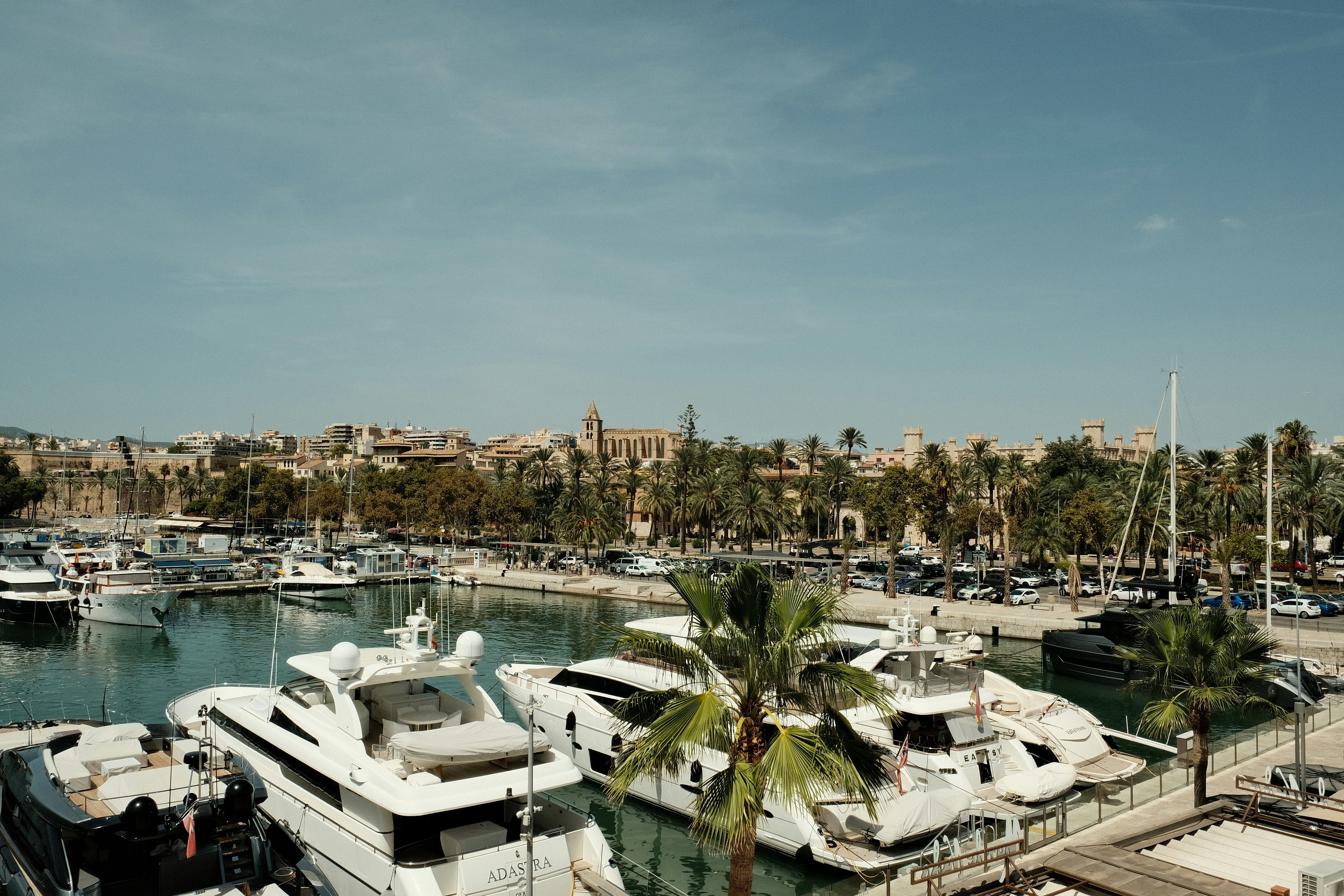
Barcelona's ferry terminal is located at the Port of Barcelona, which is conveniently situated near the city centre. The terminal is well-connected to the rest of the city via public transportation, making it easily accessible for travellers.
To reach the port, you can take the metro to Drassanes station (L3 line) and then walk approximately 10-15 minutes to the terminal. Alternatively, bus routes 88 and D20 stop near the port. Taxis are readily available throughout Barcelona and provide direct service to the ferry terminal.
If you're driving to the port, there are several parking options available nearby, including both short-term and long-term facilities. However, spaces can fill quickly during peak season, so it's advisable to arrive early.
The terminal itself offers a range of facilities for passenger comfort, including waiting areas, cafes, restrooms, and information desks. Check-in typically opens 2 hours before departure, and we recommend arriving at least 90 minutes before your scheduled sailing time, especially if you're travelling with a vehicle.
The Palma ferry terminal is located at the Port of Palma, situated close to the city centre. Upon arrival, you'll disembark into the modern terminal building, which is designed for efficient passenger flow.
From the port, Palma's city centre is approximately 3 kilometres away. You can reach the centre via taxi, with the journey taking about 10 minutes depending on traffic. Public buses also connect the port to the city centre, with bus stops located just outside the terminal building.
For those who enjoy walking, the route from the port to the city centre follows the picturesque waterfront and takes approximately 30-40 minutes on foot.
The terminal area features several amenities, including currency exchange services, ATMs, information desks, and a few cafes. Car rental offices can also be found near the terminal for travellers who need ground transportation but didn't bring their own vehicle.
While a day trip from Barcelona to Palma via ferry is technically possible, it presents some challenges due to the sailing durations and schedule limitations. With the average crossing taking around 7 hours and 38 minutes each way, and considering the earliest departure from Barcelona is at 21:30, a traditional day trip would be difficult to arrange.
However, you could consider an overnight strategy: take an evening ferry from Barcelona, arriving in Palma early the next morning. This would give you a full day to explore the city before catching an evening ferry back to Barcelona. With this approach, you would spend two nights on ferries and have one full day in Palma.
If you're determined to visit Palma for just a day, flying would be the more practical option, allowing you to maximise your time in the city.
For a more relaxed experience, we recommend spending at least one night in Palma. This would allow you to take an evening ferry from Barcelona, spend a full day and night exploring Palma, and then return to Barcelona the following evening. This approach provides sufficient time to experience Palma's attractions without feeling rushed.
Palma offers a wealth of attractions for visitors, from historic sites to beautiful beaches and vibrant shopping districts. Here are five top attractions to include in your itinerary:
This magnificent Gothic cathedral dominates Palma's skyline and is one of the city's most iconic landmarks. Built on the site of a former Arab mosque, the cathedral features stunning stained glass windows, including a remarkable rose window known as the Gothic Eye. The cathedral is open Monday to Friday from 10:00 to 17:15, and Saturdays from 10:00 to 14:15.
This unique circular castle sits on a hill overlooking Palma and offers panoramic views of the city and bay. Built in the 14th century, it's one of the few circular castles in Europe. The castle houses a history museum and is open Tuesday to Saturday from 10:00 to 19:00, and Sundays from 10:00 to 15:00.
Palma's historic centre is a maze of narrow, winding streets filled with boutiques, cafes, and historic buildings. Highlights include the Arab Baths, one of the few remaining examples of Moorish architecture, and La Lonja, a masterpiece of Gothic civil architecture. The area is perfect for leisurely exploration at any time of day.
This seafront promenade stretches along Palma's harbour and is ideal for a leisurely stroll. Lined with restaurants, bars, and marinas filled with luxury yachts, it offers beautiful views of the cathedral and the Mediterranean. It's particularly lovely at sunset and comes alive in the evening hours.
Housed in a renovated 16th-century fortress, this museum features an impressive collection of modern and contemporary art, with a focus on Balearic artists. The museum also offers spectacular views from its terraces. It's open Tuesday to Saturday from 10:00 to 20:00, and Sundays from 10:00 to 15:00.
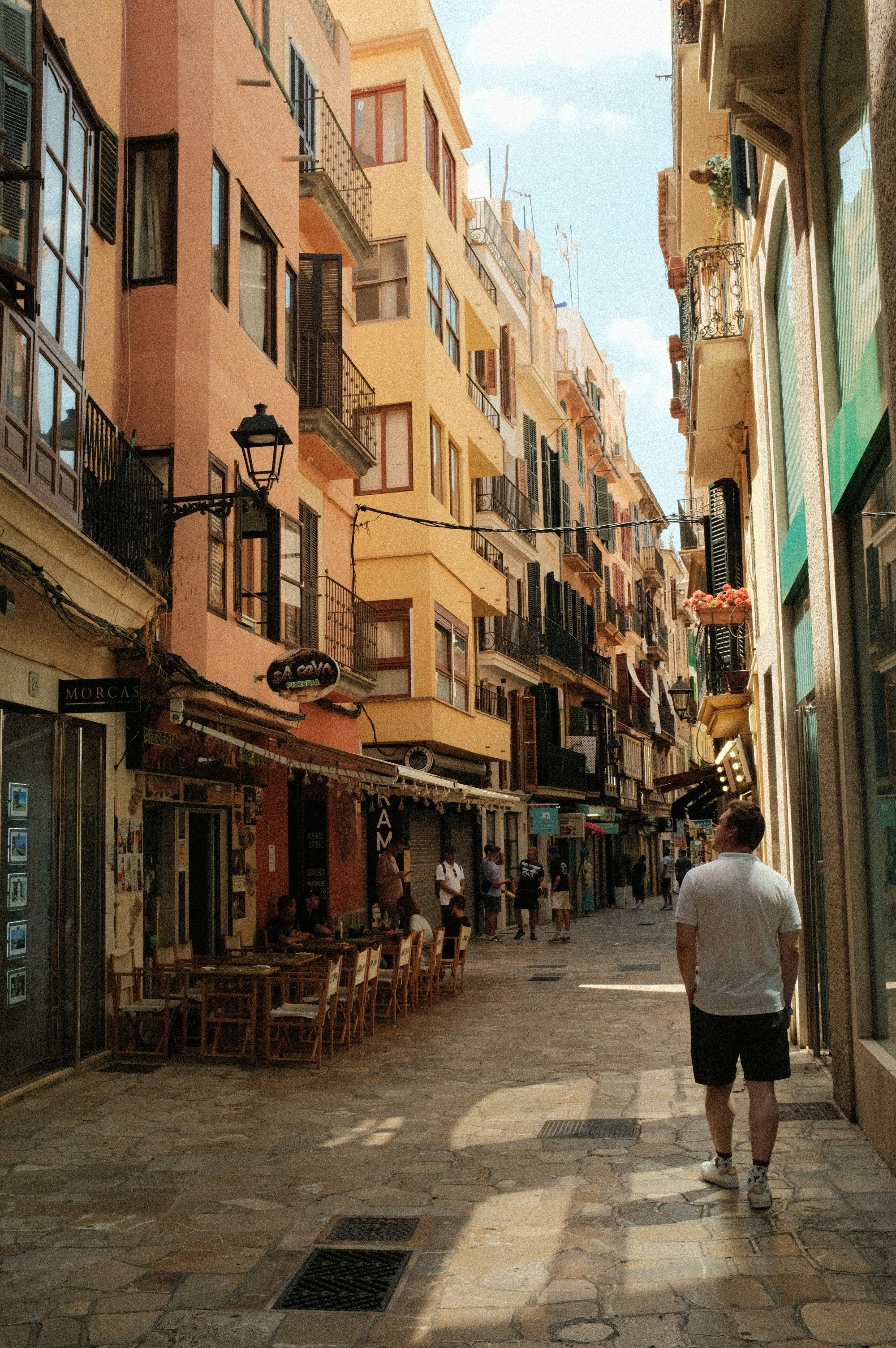
Palma offers diverse neighbourhoods, each with its own character and attractions:
The Old Town (Casco Antiguo) is the historic heart of Palma, where you'll find most of the major tourist attractions, including the cathedral and royal palace. This area features narrow medieval streets, charming plazas, and numerous cafes and restaurants.
Santa Catalina has transformed from a fishing district into one of Palma's trendiest neighbourhoods. It's known for its fantastic food scene, centred around the Mercat de Santa Catalina, and its bohemian atmosphere with independent boutiques and art galleries.
Paseo Marítimo runs along the harbour and is home to many of Palma's upscale hotels, restaurants, and nightclubs. This area comes alive at night and is the centre of the city's nightlife.
El Terreno, situated on the hillside below Bellver Castle, was once Palma's premier entertainment district. Today, it's undergoing rejuvenation and offers a mix of residential areas and entertainment venues with spectacular views over the bay.
For shopping enthusiasts, Passeig des Born serves as Palma's elegant shopping boulevard, often compared to Barcelona's Ramblas. Here you'll find international brands alongside local boutiques in a beautiful tree-lined setting.
Palma enjoys a typical Mediterranean climate with hot, dry summers and mild winters, making it a year-round destination. Understanding the seasonal patterns can help you plan your ferry journey and activities in Palma.
Summer (June to August) brings hot weather with temperatures regularly reaching 30°C (86°F) or higher. These months see very little rainfall and plenty of sunshine, perfect for beach activities and outdoor dining. This is the peak tourist season, so expect more crowded ferries and higher accommodation prices.
Spring (March to May) and autumn (September to November) offer mild temperatures ranging from 15-25°C (59-77°F). These shoulder seasons provide pleasant conditions for sightseeing and outdoor activities without the intense summer heat. Spring brings blooming landscapes, while autumn offers warm sea temperatures for swimming.
Winter (December to February) is mild compared to northern Europe, with daytime temperatures typically between 10-15°C (50-59°F). While rainfall is more common during these months, Palma still enjoys many clear, sunny days. Winter offers a quieter, more authentic experience of the city.
Regarding ferry operations, the Mediterranean can experience strong winds and rough seas, particularly during winter months. While major disruptions are rare, crossings might occasionally be affected by weather conditions. The ferry operators prioritise safety and will provide updates about any schedule changes due to weather.
Palma offers options for various budget levels, though it tends to be more expensive during the peak summer season.
For budget travellers, expect to spend around £60-80 per day, including hostel accommodation (£20-30), meals at casual restaurants or self-catering (£25-30), and public transportation or walking (£5-10). Many of Palma's attractions can be enjoyed for free or at minimal cost, such as beaches and exploring the Old Town.
Mid-range travellers should budget approximately £120-180 daily, covering mid-range hotel accommodation (£70-100), meals at good restaurants (£40-60), and some paid attractions and activities (£15-20).
Luxury travellers can expect to spend £250+ per day, with high-end hotel accommodation (£150+), dining at top restaurants (£80+), and premium activities like yacht rentals or exclusive tours.
To save money, consider visiting during the shoulder seasons (April-May or September-October) when prices are lower but the weather remains pleasant. Many restaurants offer fixed-price lunch menus (menú del día) that provide excellent value, typically costing £10-15 for multiple courses.
The ideal time to visit Palma depends on your preferences for weather, crowds, and activities.
Peak season (June to August) offers hot, sunny weather perfect for beach activities and swimming. The city is vibrant with festivals and events, and all tourist facilities are fully operational. However, this is also when Palma is most crowded and expensive, with ferry tickets often requiring advance booking.
Shoulder seasons (April to May and September to October) provide an excellent balance of pleasant weather, fewer crowds, and more reasonable prices. May and September are particularly appealing, offering warm temperatures suitable for swimming but without the intense summer heat and crowds.
Off-peak season (November to March) presents Palma at its most authentic and affordable. While some tourist facilities may have reduced hours, the city's main attractions remain open. Winter temperatures are mild compared to northern Europe, making it an attractive destination for those seeking to escape colder climates.
Notable events in Palma include the Sant Sebastià Festival in January, featuring concerts, bonfires, and street parties; Holy Week processions in March/April; the Nit de Foc (Night of Fire) on June 23rd; and the Palma International Boat Show in late April/early May.
For the best ferry experience, late spring and early autumn offer a good balance of pleasant sailing conditions and less crowded vessels. If you prefer a quieter journey with more space, consider travelling midweek rather than on weekends, when locals often travel between the mainland and the islands.
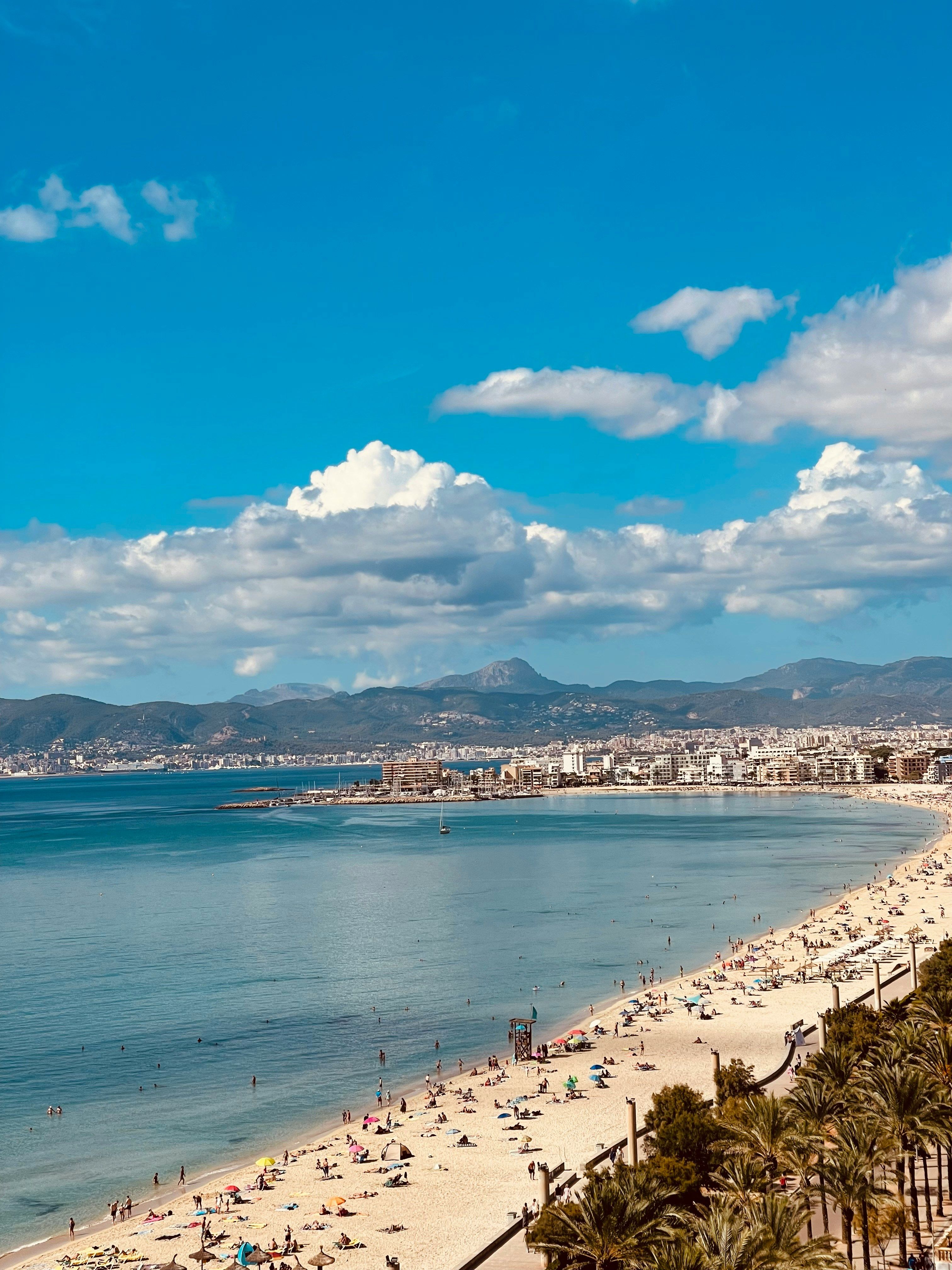
Finding the perfect place to stay in Palma is easy with options for every budget and travel style. The city offers a range of accommodations within walking distance of major attractions and the beautiful Mediterranean coastline.
For budget-conscious travellers, hostels in the Old Town area start from around £25 per night, offering a central location and social atmosphere. Solo travellers will appreciate establishments like Hostel Fleming, which combines affordability with proximity to Palma's highlights.
Couples seeking a romantic getaway might prefer boutique hotels in the La Lonja district, where converted historic buildings offer charm and character from £80-150 per night. Family travellers will find excellent options in the Paseo Marítimo area, with apartment rentals providing extra space and self-catering facilities from £100-200 per night depending on the season.
For those arriving by ferry with a vehicle, several hotels offer parking facilities, though it's advisable to book these in advance, especially during summer months when Palma welcomes its highest number of visitors.
Palma boasts an efficient public transportation system that makes exploring the city and surrounding areas straightforward after arriving on your ferry from Barcelona.
The EMT bus network covers the entire city with frequent services, with single tickets costing around £1.50. Bus number 1 connects the port directly with the city centre and runs approximately every 15 minutes. For unlimited daily travel, consider the tourist day pass for about £10.
Taxis are readily available throughout Palma, with a starting fare of approximately £3.50 plus £1 per kilometre. Ride-sharing services also operate in the city.
Renting a bicycle is an excellent option for exploring Palma's flat terrain and scenic coastal paths, with daily rentals starting from around £10. The city has invested significantly in cycling infrastructure, making this an increasingly popular choice among visitors.
If you've brought your car on the ferry, be aware that parking in central Palma can be challenging and expensive. Consider using one of the park-and-ride facilities on the outskirts and taking public transport into the centre.
The Barcelona to Palma ferry route offers travellers a convenient and memorable way to journey between mainland Spain and the beautiful Balearic Islands. With approximately 17 weekly sailings operated by Trasmed GLE, you have plenty of flexibility to plan your Mediterranean adventure.
The overnight crossings, departing between 21:30 and 23:00, allow you to maximise your vacation time by traveling while you sleep. Wake up refreshed in Palma, ready to explore its stunning beaches, historic architecture, and vibrant culture.
Whether you're travelling for a weekend break or as part of a longer exploration of the Mediterranean, the ferry journey itself becomes part of the experience rather than just a means of transport. Enjoy the sea breeze, starlit skies, and the gentle rhythm of the waves as you make the 112.5 nautical mile crossing.
Ready to experience this classic Mediterranean route? Book your Barcelona to Palma ferry tickets today and set sail for your Balearic Island adventure. With regular departures and comfortable overnight accommodations, your journey across the Mediterranean will be as memorable as the destination itself.