Traveling from Argentina to Uruguay: Your Guide to Crossing the Río de la Plata
Route Guides
Route Guides


Imagine leaving Buenos Aires after a morning coffee and, little more than an hour later, strolling cobbled colonial streets lined with bougainvillea and vintage cars. That is the magic of traveling from Argentina to Uruguay. Only the Río de la Plata separate the two countries, making it one of the most popular excursions in South America. Whether you want a day trip to a UNESCO town, a city break in a tranquil capital or a summer escape to the beach, this guide will help you plan it.
Uruguay is one of the smallest countries in South America, home to around 3.5 million people, yet it packs in a remarkable variety of experiences. Rolling grasslands littered with cattle ranches give way to vineyards, quiet riverside towns and around 660km of coastline along the river and the Atlantic. On the banks of the Río de la Plata lies Colonia del Sacramento, whose Historic Quarter has been recognized as a UNESCO World Heritage Site since 1995.
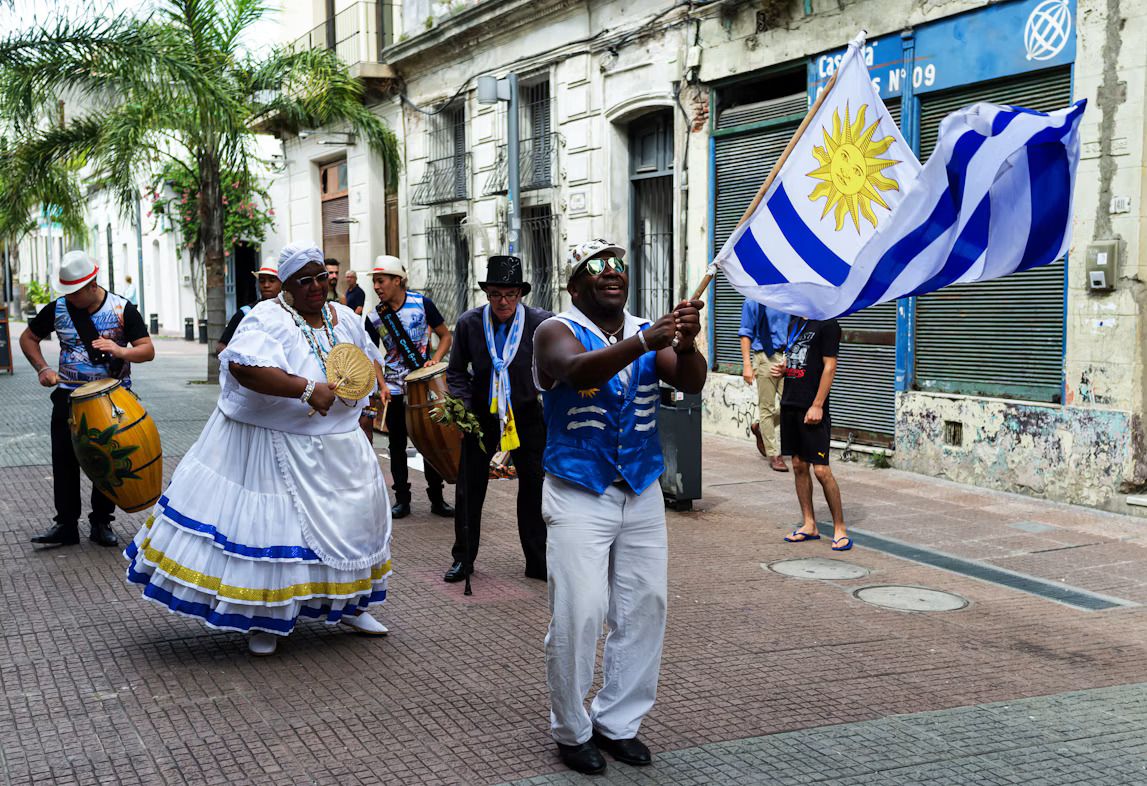
Uruguay stands out for its relaxed pace of life, political stability and rich cultural traditions. From sharing mate along the waterfront promenade to gathering for long Sunday asados (barbecues) and experiencing the powerful rhythms of candombe drumming, everyday life offers a glimpse into the country's unique identity.
Uruguay's landscapes are equally as impressive, ranging from the elegant Art Deco architecture of Montevideo to the modern beach resorts of Punta del Este and the wild, windswept dunes of the Rocha coast.
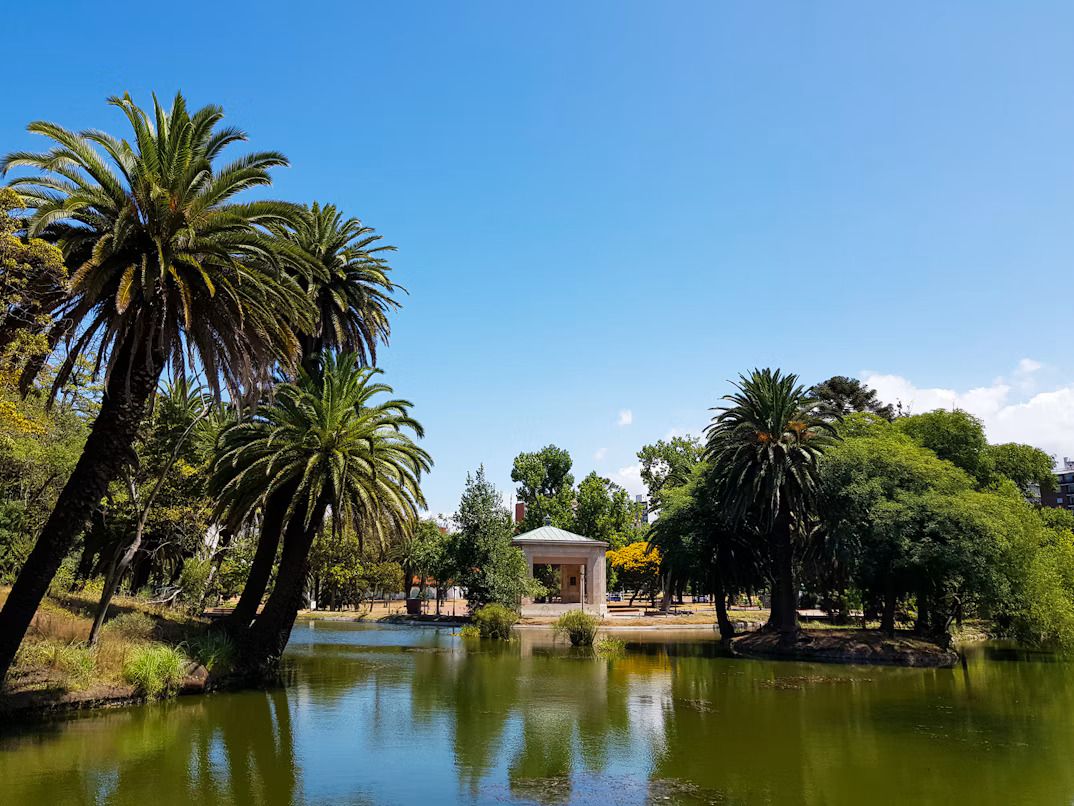
There are several ways to travel between Argentina and Uruguay. Both countries share the same time zone, so you won't need to adjust your watch when crossing the border. However, they use different currencies: the Argentine peso in Argentina and the Uruguayan peso in Uruguay. Credit and debit cards are widely accepted in Uruguay, while US dollars may also be accepted in tourist areas, although exchange rates and payment conditions vary by business.
The Buenos Aires to Colonia ferry is the most popular crossing between Argentina and Uruguay, with only 31 miles (50 km) separating them. Buquebus and Colonia Express provide over 40 weekly sailings throughout the year, with most ferries taking 1 hour and 15 minutes.
In Buenos Aires, Buquebus ferries depart from the Dársena Norte terminal near Puerto Madero, a short taxi ride from the city center, whereas Colonia Express departs from its own terminal in La Boca, at the southern end of the port.
In Colonia del Sacramento, all services arrive at the town's ferry port, just a 10-minute walk from the Historic Quarter. Argentine exit and Uruguayan entry formalities are usually done together before you board in Buenos Aires, so you can walk straight off the boat and into town.
Onboard facilities include cafés, comfortable seating, and duty-free shops, keeping passengers occupied throughout the journey.
The Buenos Aires to Montevideo ferry takes you straight to the Uruguayan capital. Buquebus operates direct sailings from Dársena Norte to the Port of Montevideo, with crossings typically taking around 2 hours and 30 minutes. The terminal sits on the edge of the Ciudad Vieja (Old City), so you can be exploring within minutes of stepping ashore.
Alternatively, Colonia Express offers combined ferry and coach tickets via Colonia del Sacramento, with a fast crossing followed by a coach ride of around 2 hours and 30 minutes to Montevideo. This is often a cheaper and more convenient option for those who have time to spare.
There are no direct ferries from Buenos Aires to Punta del Este, but it's still easy to get there. You can buy tickets that combine a crossing to Montevideo or Colonia with a connecting coach to Uruguay's most famous resort. This entire journey takes just over 6 hours on average, though some crossings can take as little as 5 hours and 15 minutes.
It is a wonderful option if you want to break up the journey with a night in Montevideo or Colonia before heading east to the beaches. Please be aware that services are busiest from late December to February, so book well ahead if you are traveling in summer.
Direct flights between Buenos Aires' Aeroparque Jorge Newbery and Montevideo's Carrasco Airport take around 50 minutes with Aerolíneas Argentinas. In summer, seasonal flights also serve Punta del Este's Laguna del Sauce Airport. Flying is most practical for travelers connecting from elsewhere, although Carrasco Airport is around 12 miles (20 km) from central Montevideo.
However, for a more relaxed and scenic journey, the ferry is often the more convenient option, especially once you consider check-in times and airport transfers. Also, the ferry drops you right in the heart of town, so you can start exploring right away.
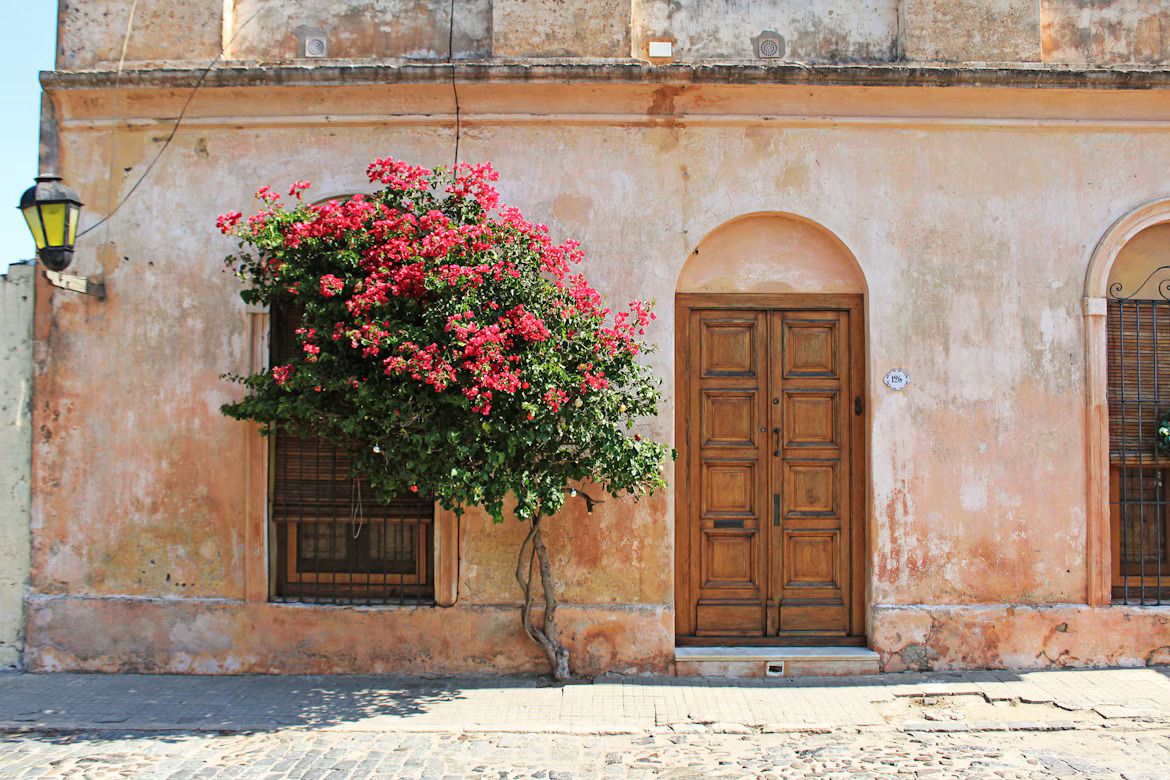
If you have time to explore more of Uruguay, here are some of the best places to visit.
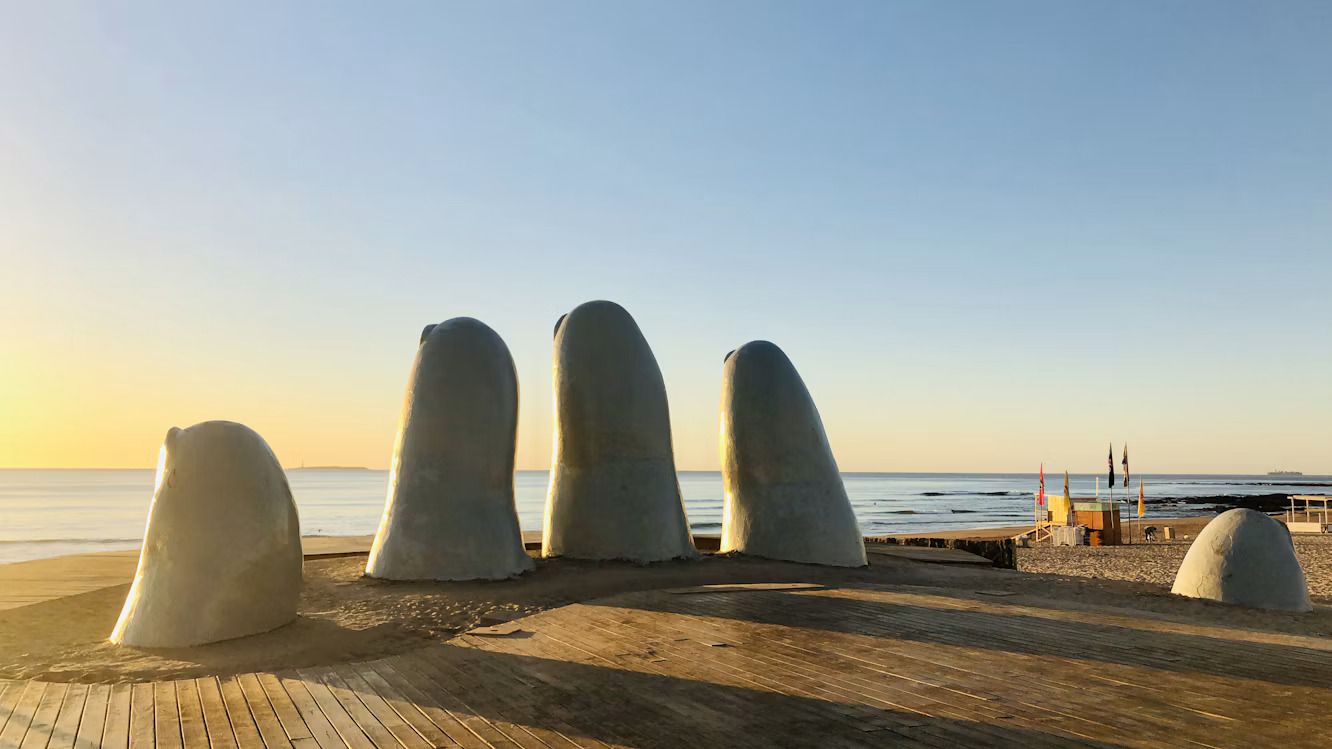
Punta del Este is located around two hours east of Montevideo and is South America's best-known beach resort. Snap a photo with La Mano, the giant hand sculpture emerging from the sand at Playa Brava, then visit Casapueblo, the whitewashed gallery-hotel built by artist Carlos Páez Vilaró. Boat trips run out to Isla de Lobos, home to a large sea lion colony.
José Ignacio, located 30 minutes beyond Punta del Este, is a chic former fishing village known for its lighthouse, boutique hotels, and beachfront restaurants.
Carmelo, about an hour from Colonia, is surrounded by vineyards and olive groves. It is the perfect place to try Tannat, Uruguay's signature red grape.
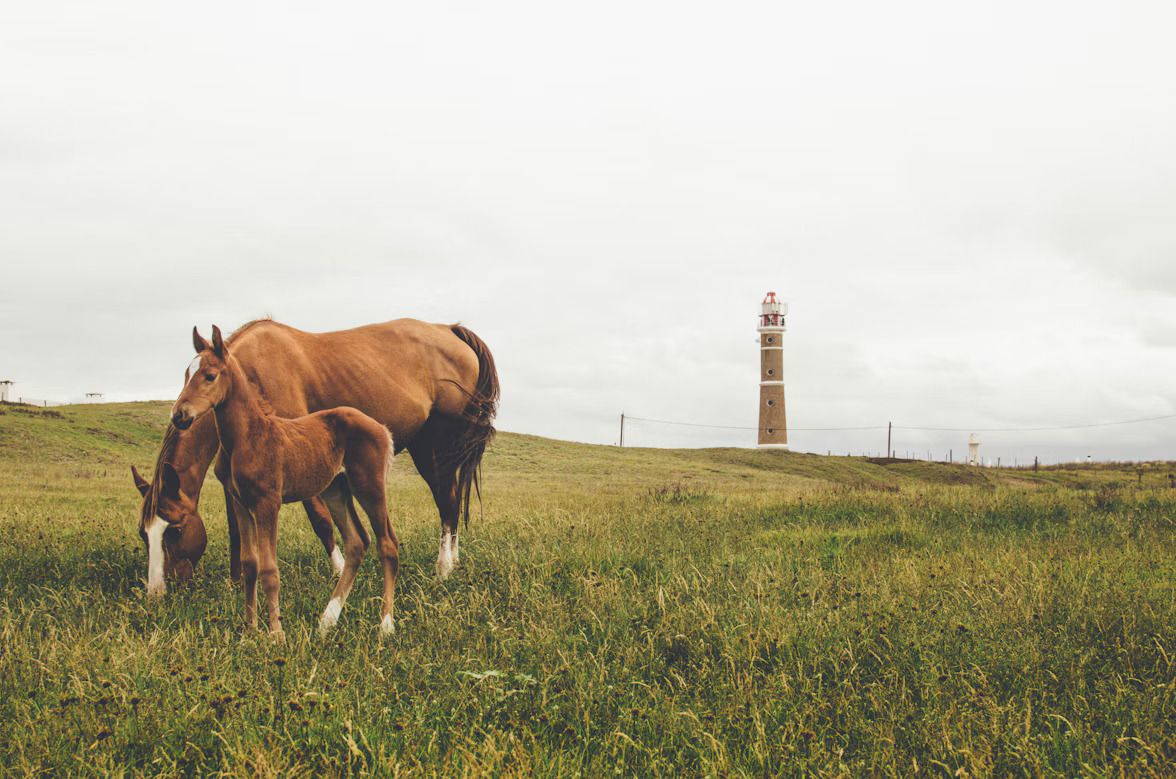
Cabo Polonio, on the Rocha coast, is a rustic village with no paved road access. Visitors arrive by 4x4 truck across the dunes to find colorful huts, a historic lighthouse, and sea lions basking on the rocks.
Fray Bentos, on the Uruguay River, is home to a former meat-processing complex that was recognized by UNESCO in 2015. Further northeast, Santa Teresa National Park combines a hilltop fortress with forest trails and secluded beaches.
Uruguay has a temperate climate with four distinct seasons. As it is in the Southern Hemisphere, the seasons are the reverse of those in Europe and North America. The figures below are approximate typical ranges for Montevideo.
| Season | Typical range | What to expect |
|---|---|---|
| Spring (Sep–Nov) | 50 to 72°F (10 to 22°C) | Blossoming jacarandas, mild days, fewer crowds |
| Summer (Dec–Feb) | 63 to 82°F (17 to 28°C) | Long days, beach weather, peak season |
| Autumn (Mar–May) | 52 to 75°F (11 to 24°C) | Warm afternoons, harvest season, quieter beaches |
| Winter (Jun–Aug) | 43 to 59°F (6 to 15°C) | Cool, damp, and breezy, with occasional sunny days |
Daylight varies less than in northern Europe, but the difference is still noticeable. Around midsummer in December, you get more or less 14 hours of daylight, while in June that drops to around 10 hours. The Atlantic beaches around Punta del Este warm to around 68 to 72°F (20 to 22°C) in midsummer. Pack layers whatever the month, as the wind off the river and ocean can make it feel cooler.
Buenos Aires and Uruguay are best experienced on the same trip, particularly during the summer months. From late December to February, many porteños cross the river for their holidays, and the Uruguayan coast comes alive. Christmas and New Year are celebrated in the sunshine, often with an asado and fireworks over the beach.
Uruguay's Carnival gets underway in late January and typically lasts around 40 days, making it widely regarded as the longest Carnival celebration in the world. One of the main highlights is the Desfile de Llamadas, a vibrant parade in which candombe drumming bands fill the streets of Montevideo's Barrio Sur and Palermo neighborhoods.
Visitors can also experience murga, a distinctive form of satirical musical theatre that combines singing, comedy and social commentary. These performances take place at local open-air stages known as tablados, located across the capital.
During Uruguay's summer season, expect the aroma of meat grilling over open flames, the rhythmic sound of drums filling the streets and lively beach resorts, particularly in Punta del Este, which reaches its peak in January. For a quieter and often more affordable visit, consider visiting in March or April, when the crowds begin to thin, and wine regions host grape harvest celebrations. As festival schedules and local events vary each year, check dates in advance to plan your trip around the experiences that interest you most.
Uruguay is an easy country to navigate, with most journeys between its main towns taking no more than three or four hours by road. This makes it convenient to visit cities, beaches, wineries, and countryside all within a single trip, without spending long periods in transit.
Montevideo has an extensive bus network covering the entire city, and you can pay on board or use the rechargeable STM card. The Ciudad Vieja and Colonia's Historic Quarter are best enjoyed on foot, while taxis and ride-hailing apps such as Uber are convenient options for late nights. In Colonia, renting a golf cart, scooter, or bicycle is a popular way to explore the town and nearby beaches.
Passenger rail in Uruguay is very limited, with only a small number of commuter services around Montevideo. For travel between towns, buses and cars are by far the most practical modes of transport.
Buses are the spine of Uruguayan travel, connecting virtually every town and village. Most services depart from Montevideo's Tres Cruces terminal, which also has shops and restaurants, where you can pick up snacks and refreshments for your journey. Operators such as COT and Copsa run frequently, with services to Punta del Este in 2 hours and Colonia in 2 hours and 30 minutes, as well as routes along the Rocha coast.
Remember that you can take your car with you. Buquebus transports vehicles on the ferry from Buenos Aires to Colonia del Sacramento and ferry from Buenos Aires to Montevideo, so you can drive off in Uruguay and start your road trip straight away. Make sure you carry your vehicle documents, and check border requirements for foreign-registered cars before you travel.
If you prefer not to cross with your own vehicle, rental cars are available at Carrasco Airport and in Montevideo, Colonia, and Punta del Este. Drivers from outside the region should check whether they require an International Driving Permit.
Here are some things you should know before you travel:
Even a short hop across the river goes more smoothly with a few tips and tricks. Here are a few to help you:
Entry requirements for travel from Argentina to Uruguay depend on your nationality. Citizens of Argentina and other Mercosur countries can generally travel using a valid national identity card, while most visitors from outside the region need a valid passport. Many nationalities, including citizens from the UK, EU, US and Canada traveling on ordinary passports, can visit Uruguay for short tourist stays without a visa, typically for up to 90 days.
Ferry passengers should follow their operator's instructions for check-in and immigration procedures and check the latest entry requirements for both countries before departure, as documentation rules can vary by nationality and travel circumstances.
English is spoken in many hotels, restaurants and tourist-focused businesses, particularly in Montevideo, Colonia del Sacramento and Punta del Este. However, English is less widely spoken in smaller towns and rural areas, so knowing a few basic Spanish phrases can make traveling easier.
Spanish is Uruguay's official language, and the local Rioplatense accent shares many characteristics with the Spanish spoken in Buenos Aires. Simple expressions such as hola (hello) and gracias (thank you) are useful starting phrases and are generally appreciated by locals.
Uruguay is generally considered a relatively safe destination for tourists, although crime can occur, particularly in urban areas. Take sensible precautions by keeping valuables secure, staying aware of your surroundings in crowded places and avoiding poorly lit or deserted streets at night. Use reputable transport services after dark and follow local advice in unfamiliar neighborhoods. The emergency number for police, ambulance and fire services is 911.
The ideal length of a trip to Uruguay depends on how much of the country you want to explore. Colonia del Sacramento is easy to visit as a day trip from Buenos Aires, although staying overnight allows you to enjoy its historic streets after most day visitors have departed.
We recommend allowing two to three days for Montevideo to explore its architecture, waterfront promenade, markets and cultural attractions. A five- to seven-day trip gives you more time to visit Punta del Este, discover Uruguay's wine regions or explore the quieter beaches along the Rocha coast.
Uruguay is generally more expensive than Argentina for many everyday travel costs, particularly accommodation, restaurants and popular coastal destinations such as Punta del Este during the summer high season. However, the overall cost of visiting both countries depends on exchange rates, your travel dates and spending habits.
To stretch your budget further in Uruguay, eat at local restaurants away from the busiest tourist areas, look for accommodation outside peak season and consider traveling in March or April, when summer crowds have usually eased. Checking current prices and currency exchange rates before departure can also help you plan a more realistic travel budget.
Whether you are visiting colonial Colonia, cosmopolitan Montevideo, or the beaches of Punta del Este, a journey between Argentina and Uruguay is a stalwart of any South America travel itinerary. Book your ferry tickets today and start packing a trip you won’t forget!