The Perfect Canada Road Trip
Car & Road Trips
Car & Road Trips
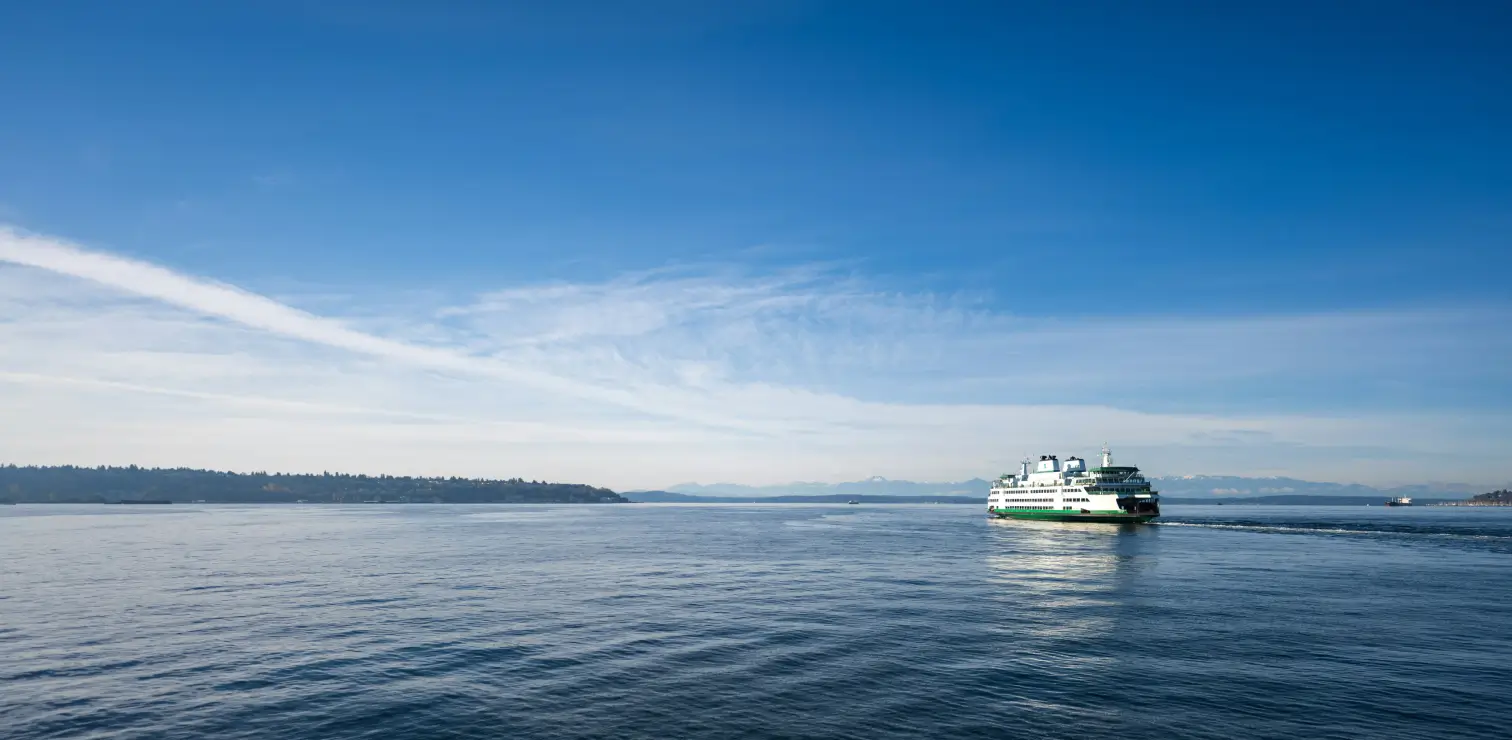

This 18-day loop through Western Canada offers variety: a Pacific coast city, desert wine country, glacier-fed lakes, two of the world's most famous national parks, and one of the planet's most spectacular mountain highways. When you plan a visit, driving through Canada lets you explore beyond the beaten track and experience the trip of a lifetime.
Most visitors fly into Calgary, spend a few days in Banff, and fly home. The Rockies make far more sense as the centerpiece of a bigger journey that starts on the Pacific and ascends to the mountains.
The loop begins and ends in Vancouver, so you avoid the hefty one-way drop fees that come with crossing a provincial border. You'll pass through four of Parks Canada's mountain national parks (Mount Revelstoke, Glacier, Yoho, and Banff) before driving the Icefields Parkway into Jasper. This route requires 1,400 miles (2,250 km) of driving, with no single day longer than about five hours.
Plan for at least two and a half weeks to explore this route without rushing. Mid-June to mid-September is the best time to visit, when most high-elevation lakes are usually free of ice, and scenic mountain roads, including the Meadows in the Sky Parkway and Yoho Valley Road, are generally open. September is particularly appealing, offering fewer visitors after Labour Day, golden larch trees around Lake Louise during the second half of the month, and better accommodation availability.
However, be aware of seasonal road and trail restrictions. Joffre Lakes Provincial Park has closed for much of September in recent years, including September 8–30 in 2026, while the eastern section of the Bow Valley Parkway is typically closed to daytime vehicle traffic from late August to early October. July and August are the busiest months, and occasional wildfire smoke can reduce visibility and affect mountain views.
A midsize SUV or comfortable sedan is ideal for this road trip, as most of the route follows paved highways and scenic mountain roads. Choose a vehicle with enough trunk space for hiking equipment, luggage and extra layers, as temperatures in the Canadian Rockies can vary considerably, from around 80°F in the valleys to near-freezing conditions at higher elevations.
We recommend that you book your rental car and accommodation in Banff and Jasper well in advance, particularly for travel between July and September, as availability can become limited several months ahead. For a different perspective on Western Canada, consider adding a ferry trip to Vancouver Island at the beginning or end of your journey, extending your road trip to include the region's coastal scenery.
Don't pick up your car yet. Downtown is compact, parking is expensive, and the SkyTrain's Canada Line runs from the airport into the city center in as little as 25 minutes. On day one, cycle or walk the seawall around Stanley Park, then explore historic Gastown and its steam-powered clock.
On day two, take the small ferry across False Creek to Granville Island for lunch at the Public Market, then head to the North Shore. The Capilano Suspension Bridge is the famous (and ticketed) option, while Lynn Canyon Park has a smaller bridge and forest trails you can explore free of charge. The Museum of Anthropology at UBC holds one of the world's finest collections of Northwest Coast First Nations art.
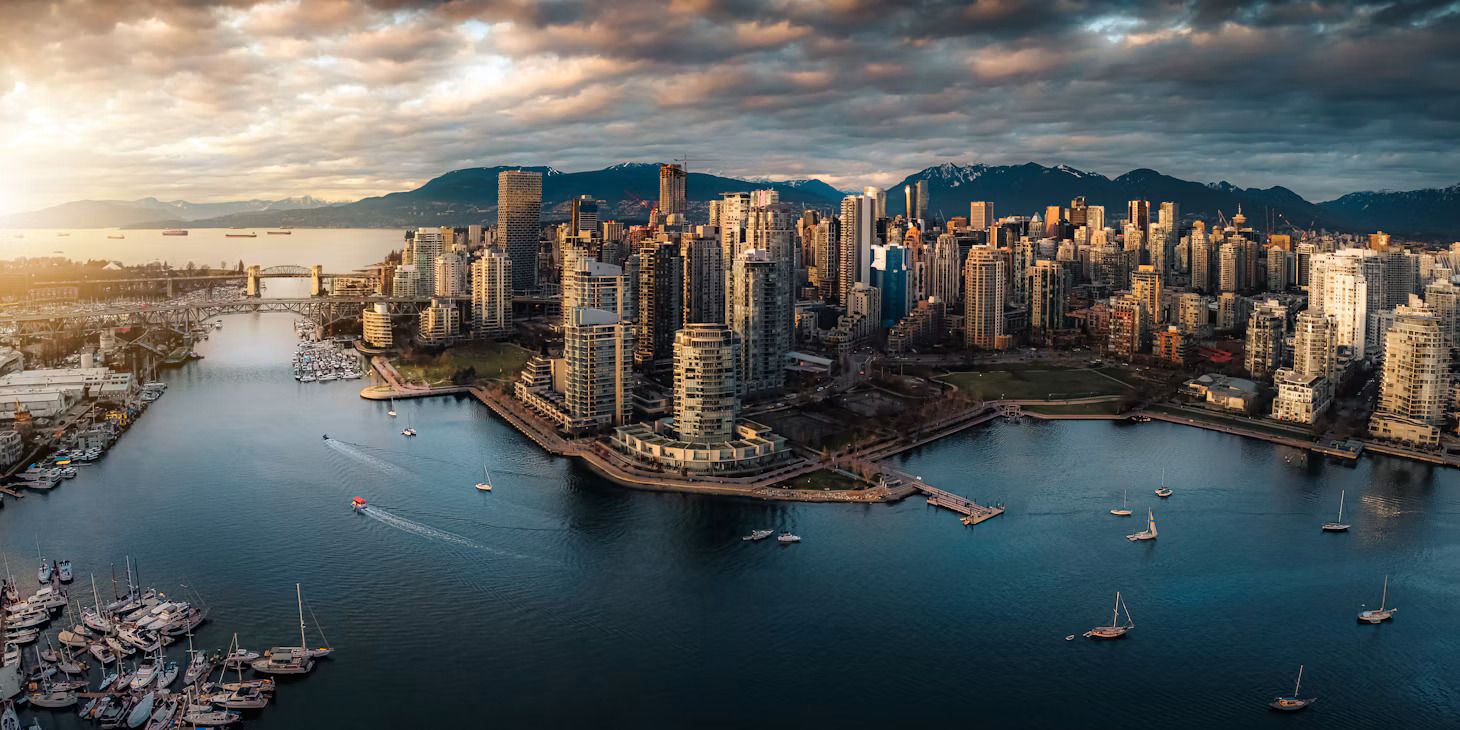
Vancouver → Hope → Kelowna · approx. 240 miles (390 km), 4 hours
Collect your car and head east on Highway 1 to Hope, before taking the Coquihalla Highway (Highway 5), a fast, toll-free mountain freeway that climbs above 4,000 feet before dropping into the dry interior. Check DriveBC before you set off, especially in the shoulder seasons.
The Okanagan is semi-arid, with sagebrush hillsides, sandy beaches, and well over a hundred wineries along Okanagan Lake. Stay in Kelowna, or in Penticton for a quieter stay near the Naramata Bench vineyards. Spend your full day wine-tasting, swimming, and stopping at roadside fruit stands (cherries peak around July, peaches and apricots in August). For those looking for something more active, cycle the Myra Canyon section of the Kettle Valley Rail Trail, where 18 rebuilt trestles and two tunnels carry a former railway around a dramatic canyon.
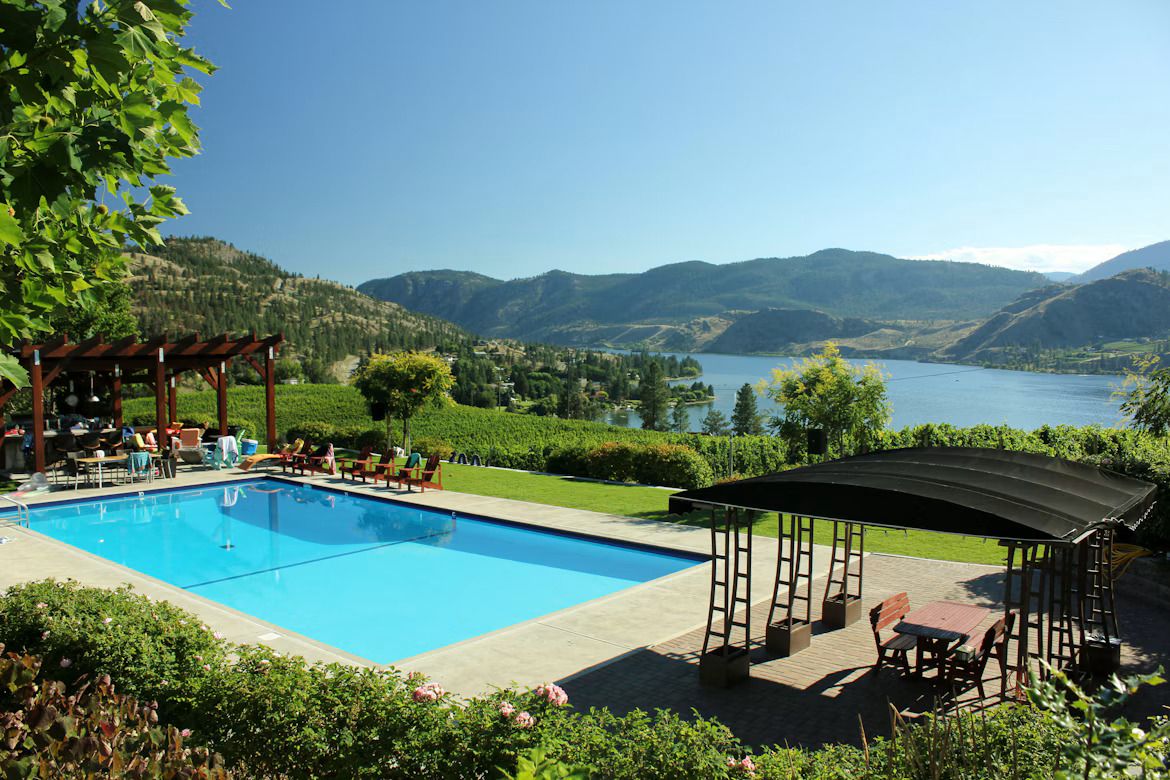
Kelowna → Revelstoke → Rogers Pass → Golden · approx. 210 miles (340 km)
Drive north through Vernon to rejoin Highway 1 at Sicamous. Just east of town, stop at Craigellachie, where the last spike of the Canadian Pacific Railway was driven in 1885. In Revelstoke, Mount Revelstoke National Park is a must-visit. The Meadows in the Sky Parkway ascends 16 miles (26 km) toward the summit, where wildflower meadows usually peak from late July to early August, and the Giant Cedars Boardwalk winds through ancient inland rainforest.
Next morning, continue over Rogers Pass through Glacier National Park, passing beneath steep avalanche slopes. You'll cross from Pacific Time into Mountain Time on this stretch, so set your watch an hour ahead before Golden. Golden stays on Alberta's time year-round, so the one-hour difference applies in every season. Spend the afternoon at the Golden Skybridge, which spans a canyon on Canada's highest suspension bridge.
A Parks Canada pass is required whenever you stop in a national park, including at roadside viewpoints and trailheads. For a week or more, the annual Parks Canada Discovery Pass usually works out cheaper than paying for daily admission and covers every national park on this route.
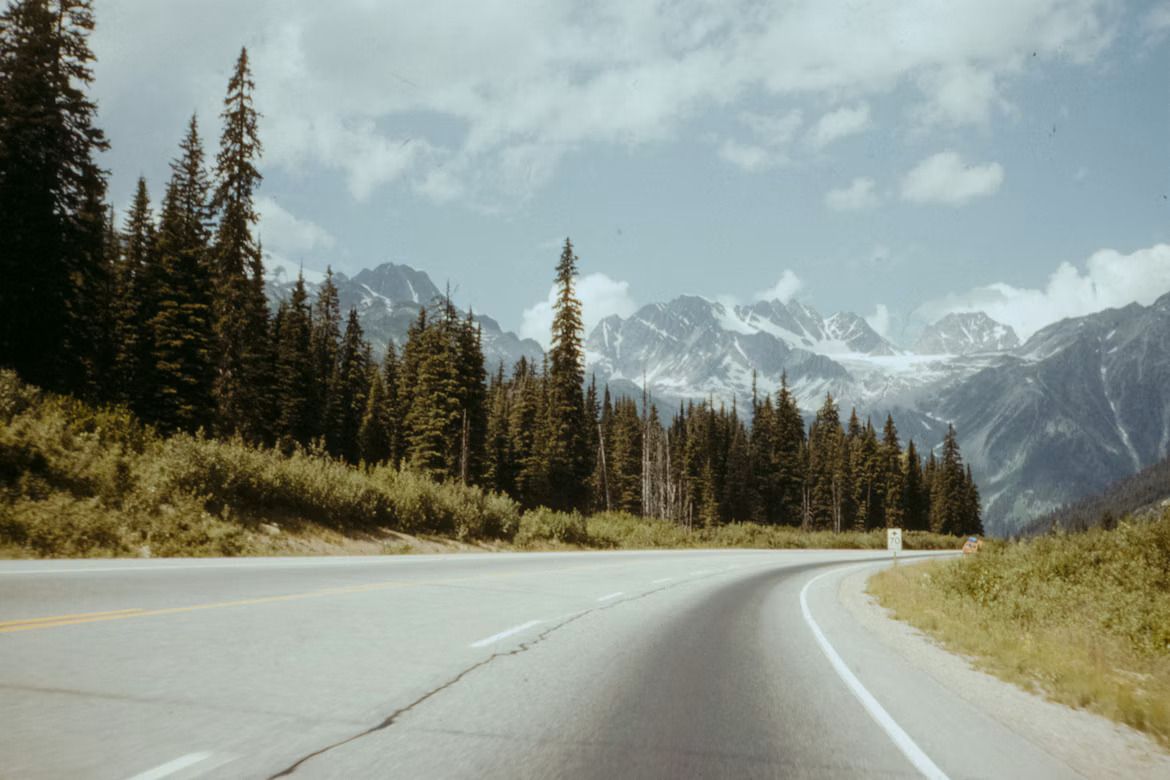
Golden → Yoho National Park → Lake Louise → Banff · approx. 90 miles (140 km), plus day trips
Set out early from Golden and head into Yoho National Park, where some of the Canadian Rockies' most impressive scenery is just a short detour from the highway. Visit Emerald Lake for its striking turquoise water and mountain backdrop, stop at the Natural Bridge to see the Kicking Horse River carving through solid rock, and, between late June and early October, follow Yoho Valley Road to Takakkaw Falls, one of Canada's tallest waterfalls.
Be aware that the road's tight switchbacks are unsuitable for longer RVs and vehicles towing trailers, so check vehicle restrictions before setting out.
Continue east into Banff National Park and spend four nights in either Banff or nearby Canmore, which typically offers better-value accommodation while keeping the park’s main attractions within easy reach.
Plan your visits to Lake Louise and Moraine Lake. Access is tightly controlled in summer. Private vehicles are prohibited on Moraine Lake Road, so you’ll need a Parks Canada shuttle, Roam Public Transit, a commercial bus or tour, or a taxi. The Moraine Lake shuttle ran from June 1 to October 12 in 2026, and the Lake Louise Lakeshore shuttle from May 15 to the same date. Lake Louise lakeshore parking is paid and typically fills before sunrise. Once it’s full, cars aren’t let in and can’t wait for a spot.
Insider tip: have tea above the lake. The Lake Agnes Tea House, a historic tea house on a mountain lake above Lake Louise, makes a good half-day outing. It’s only reachable on foot or by horseback. It has no electricity, and staff carry supplies up the trail every day. It serves loose-leaf teas, fresh pastries, soups and sandwiches. The forested hike is 3.5 km each way with about 400 m of elevation gain. It starts near the Chateau Lake Louise. Allow half a day, and go early to beat the crowds.
Spend a full day exploring Banff's main attractions, starting with a gondola ride up Sulphur Mountain for panoramic views across the surrounding peaks and Bow Valley. Relax at the Upper Hot Springs, take a scenic cruise on Lake Minnewanka, and allow enough time to visit the Cave and Basin National Historic Site, where Canada's national parks story began. For a more scenic alternative to the main highway when driving toward Lake Louise, follow the Bow Valley Parkway (Highway 1A) and stop to explore the walking trails and waterfalls at Johnston Canyon.
Check seasonal access restrictions before driving the Bow Valley Parkway, as parts of the route are reserved for cyclists or closed to vehicles at certain times of the year. The 17 km eastern section, between Fireside Day-Use Area and Johnston Canyon, is closed to motor vehicles from 8 a.m. to 8 p.m. between May 1 and June 25, and again from August 28 to October 2, giving cyclists exclusive daytime access. This section is also closed to all travel overnight from March 1 to June 25. The western section remains open, and outside the specified restriction periods, you can drive the full length of the parkway.
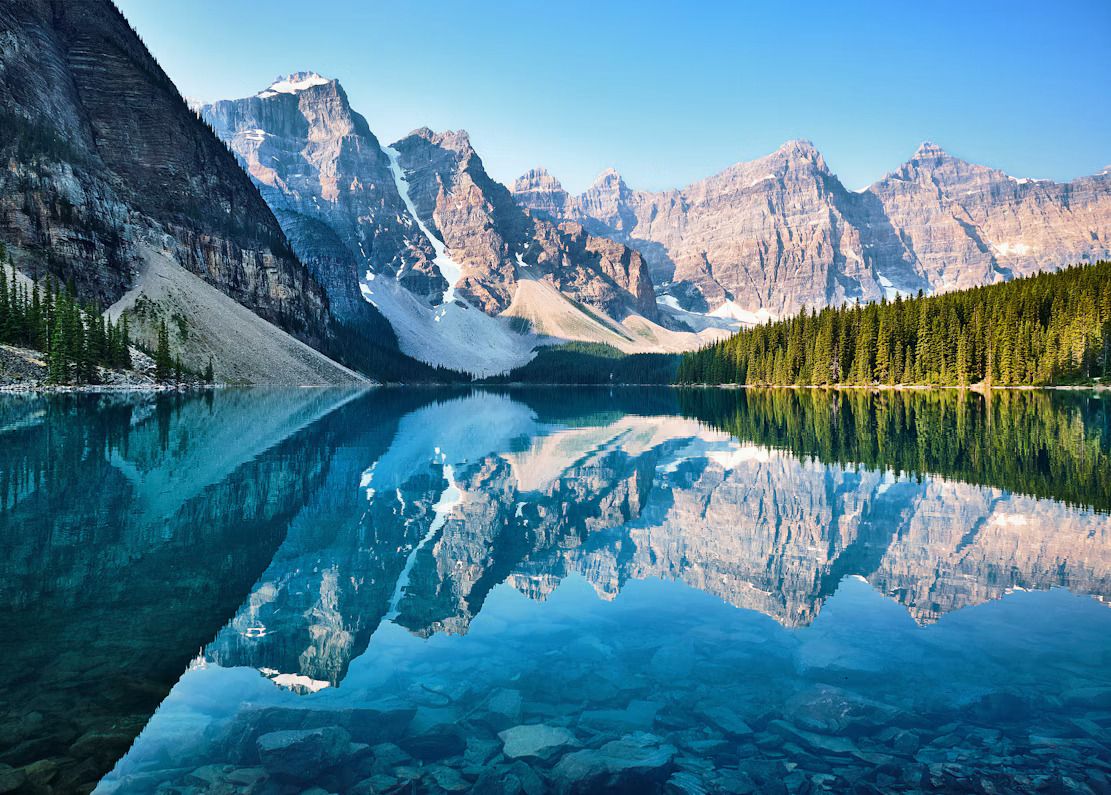
Banff → Lake Louise → Jasper · approx. 180 miles (290 km), allow a full day
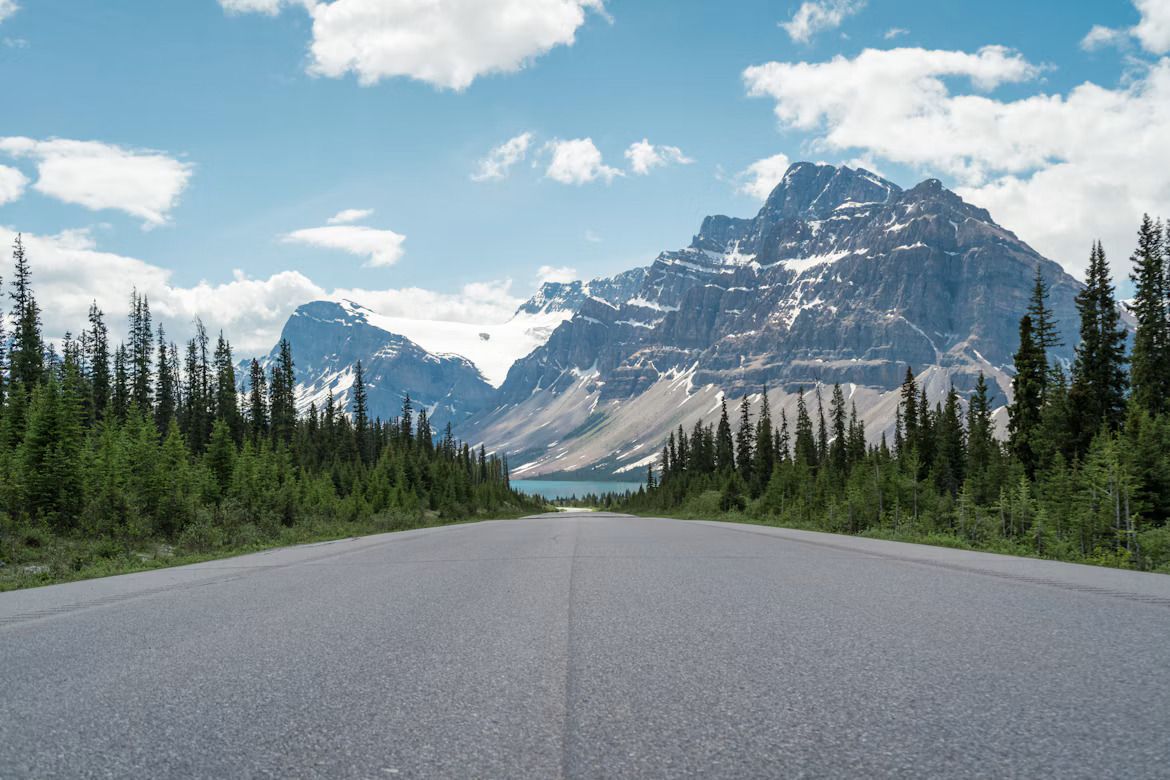
The Icefields Parkway (Highway 93 North) runs 144 miles (232 km) from Lake Louise to Jasper and is regularly ranked among the world's most beautiful drives. You could cover it in under four hours, but give yourself the whole day. The speed limit is 90 km/h (about 55 mph), and you'll want to stop every few miles anyway to take in the incredible views.
Highlights from south to north are Bow Lake, the short walk to the Peyto Lake viewpoint, Mistaya Canyon, and the Columbia Icefield, where the Athabasca Glacier reaches almost to the road. You can walk the short trail to the glacier's toe, but never step onto the ice without a guide, as it's riddled with hidden crevasses. Ice Explorer tours depart from the Columbia Icefield Discovery Centre.
Be aware that there is no cell service anywhere along the parkway, from Lake Louise all the way to Athabasca Falls near Jasper, so download offline maps before you leave and tell someone your route. The only gas station is located at Saskatchewan River Crossing, which operates seasonally, so fill up in Lake Louise. Pack food, water and warm layers.
Weather warning: Mountain weather here changes quickly and can turn moody even in early autumn, and snow can fall as early as September. The road isn't salted and can close at short notice for storms or avalanche control.
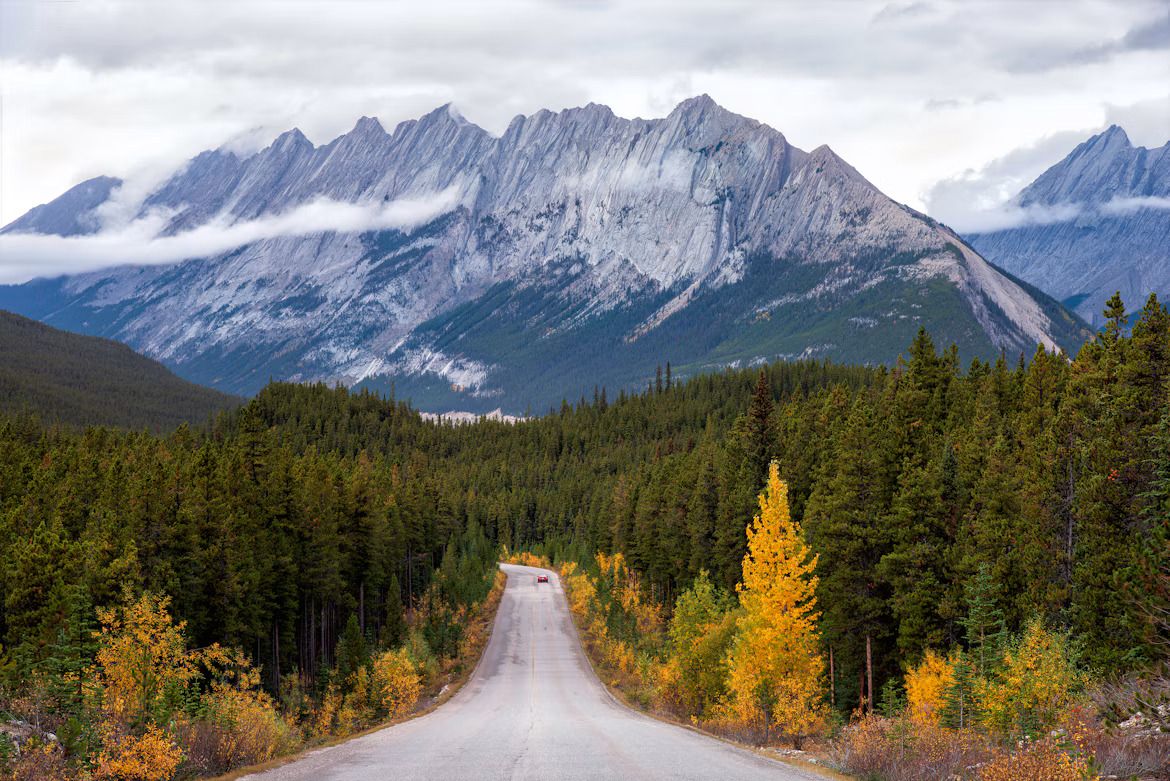
Jasper is the largest national park in the Canadian Rockies. In July 2024, a devastating wildfire destroyed around a third of the buildings in the town. The town has since reopened and most hotels, restaurants, and tour operators are welcoming guests again, but rebuilding is ongoing. Most trails have reopened, but Maligne Canyon and Cavell Road (for the Mount Edith Cavell trails) were closed for the whole 2026 season with no reopening date announced.
The drive to Maligne Lake, the largest natural lake in the Rockies, is open and remains a highlight. Boat cruises depart to Spirit Island from late May to mid-October, depending on weather conditions. Pyramid Lake and Patricia Lake are lovely for an evening paddle. Jasper is also a Dark Sky Preserve, with exceptional stargazing and some of the Rockies' best wildlife viewing, including elk, bighorn sheep, and the occasional black bear.
Jasper → Mount Robson → Clearwater → Kamloops · approx. 320 miles (520 km) including the Wells Gray detour
Head west on the Yellowhead Highway (Highway 16) over Yellowhead Pass and back into British Columbia. You will be returning to Pacific Time, so set your watch back an hour. Both BC and Alberta stopped changing their clocks in 2026, so this one-hour difference now applies all year. Stop at the Mount Robson visitor center for views of the highest peak in the Canadian Rockies at 12,972 feet (3,954 m).
Turn south onto Highway 5 via Valemount and Blue River to Clearwater, gateway to Wells Gray Provincial Park, for the night. A paved road leads to Helmcken Falls, which descends 463 feet (141 m) into a volcanic bowl, with Spahats Creek Falls and Dawson Falls on the way. Spend the morning of day fifteen in the park, then continue to Kamloops, a sunny, sagebrush-covered city and a practical overnight stop before the final leg to the coast.
Kamloops → Lillooet → Pemberton → Whistler → Vancouver · approx. 260 miles (420 km)
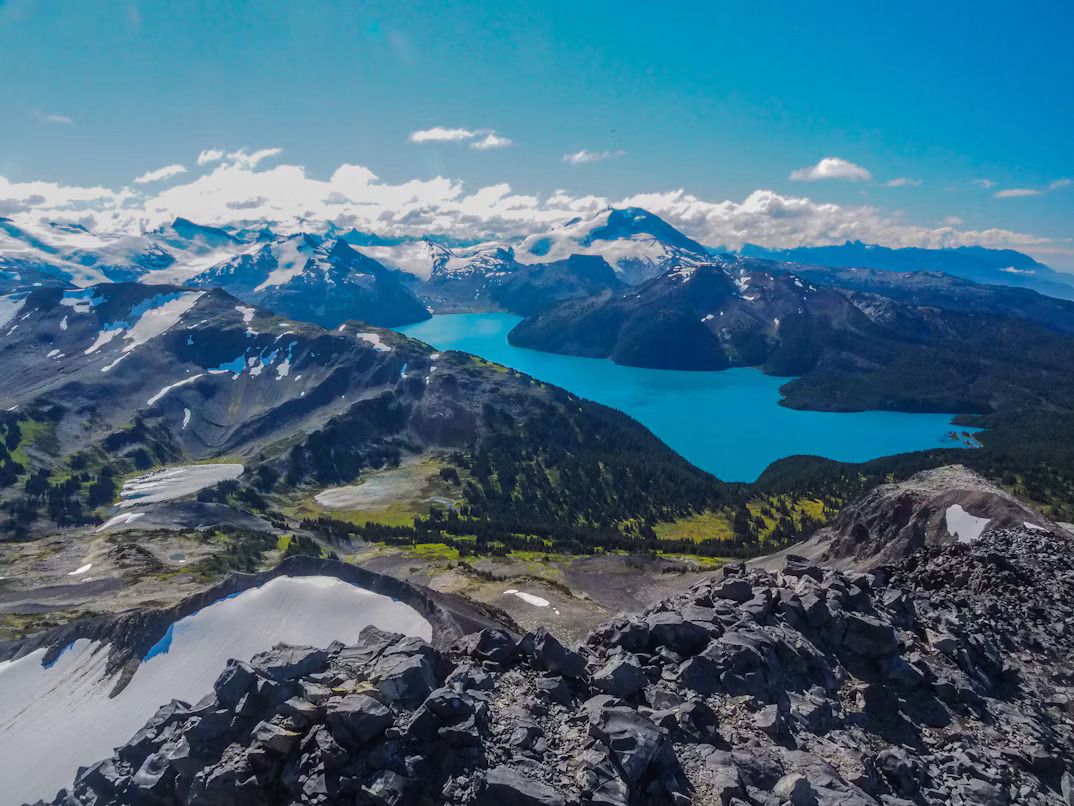
Drive west to Cache Creek, then join Highway 99 through Marble Canyon to the gold rush town of Lillooet. From there, Duffey Lake Road climbs steeply through the Coast Mountains to Pemberton. Joffre Lakes Provincial Park sits right off the highway, making it a convenient stop along this section of the route.
From mid-May to late October 2026, visitors must reserve a free BC Parks day-use pass for each person in their group. Passes are released at 7 a.m. two days before the intended visit. The park also closes for designated periods to allow the Líl̓wat Nation and N'Quatqua to use the area for cultural purposes. The scheduled closures in 2026 were June 20–27 and September 8–30. As permit requirements and closure dates can change each year, check the official BC Parks website before planning your visit.
Set aside a full day to explore Whistler, one of Canada's best-known mountain resort destinations. During summer, the PEAK 2 PEAK Gondola connects Whistler and the Blackcomb mountains, offering spectacular views across the surrounding peaks and valley. Back in Whistler Village, you'll find plenty of outdoor patios, mountain biking trails and places to relax after a day of exploring.
For a better understanding of the area's Indigenous heritage, make time for the Squamish Lil'wat Cultural Centre, a must-see that celebrates the histories and traditions of the two First Nations whose territories meet here. Explore the outdoor Squamish longhouse and Lil'wat Istken (traditional earthen pit house), listen to traditional drum songs and hear stories shared by Indigenous cultural ambassadors. You can also follow the free Train Wreck Trail through the forest to discover a collection of brightly painted abandoned railway boxcars.
On your final day, follow the scenic Sea-to-Sky Highway south to Vancouver, a drive of approximately 75 miles (120 km). Break up the journey with a stop at Brandywine Falls, where a short trail leads to a breathtaking waterfall, before continuing to Squamish. Here, the Sea to Sky Gondola climbs above Howe Sound, offering panoramic views of the coastline, while the towering granite face of the Stawamus Chief dominates the landscape beside the highway.
Just north of town, Shannon Falls is another worthwhile stop, with its viewing areas easily accessible from the road. The relatively short drive leaves plenty of time to return your rental car in Vancouver and enjoy a final seafood dinner before your trip ends.
| Trip Length | Route | Best For |
|---|---|---|
| 5 days | Vancouver → Squamish → Whistler → Vancouver (approx. 150 miles) | City, coast, and mountains with minimal driving |
| 7 days | Calgary → Banff → Lake Louise → Yoho → Icefields Parkway → Jasper → Calgary (approx. 600 miles) | A concentrated Rockies trip; fly into Calgary |
| 10 days | Vancouver → Okanagan → Revelstoke → Golden → Yoho → Lake Louise → Banff → Calgary, one way (approx. 600 miles) | The BC interior and the Rockies without backtracking (expect a one-way drop fee) |
| 12–14 days | Vancouver → Whistler → Kamloops → Jasper → Icefields Parkway → Banff → Golden → Revelstoke → Kamloops → Vancouver (approx. 1,200 miles) | The full mountain experience, skipping the Okanagan and Wells Gray |
Before you hire a car in Canada, here are a few useful things that are worth knowing:
Canada requires proof of citizenship and identity. A valid U.S. passport, passport card, Enhanced Driver's License (in participating states), or NEXUS card works for land crossings. A standard driver's license or birth certificate alone is generally not enough for adults.
Yes, if you stop at national parks such as Banff, Jasper, Yoho, Fundy, Cape Breton Highlands, or Gros Morne. Driving straight through a park without stopping generally does not require a pass, but scenic parkways are an exception.
The Canada Strong Pass free-admission period ended September 7, 2026, so regular fees now apply. Fees are adjusted periodically, so confirm current prices at parks.canada.ca. Provincial and territorial parks charge separately.
Signs, speed limits, and distances are metric. A 100 km/h limit equals about 62 mph. Gasoline is sold by the liter in Canadian dollars, and one U.S. gallon equals 3.785 liters.
As a general guide, budget around $3,500–$5,500 USD per person for an 18-day Western Canada road trip, assuming two people share a midsize rental car and mid-range accommodation. This estimate includes fuel, a Parks Canada Discovery Pass, meals and several paid activities, but excludes international flights. Accommodation is likely to be your biggest expense, particularly during peak summer in popular destinations such as Banff, Lake Louise, Jasper and Whistler.
To reduce costs, consider staying in nearby towns such as Canmore, booking accommodation well in advance or traveling in September, when summer crowds begin to thin and prices may be lower.
You can explore parts of Western Canada by car in winter, but the experience is very different from a summer road trip. Snow and ice make driving conditions more challenging; winter tires are required on many highways along the route, and severe weather can cause temporary closures on mountain roads such as Rogers Pass and the Coquihalla Highway.
The Icefields Parkway is particularly vulnerable to winter storms and may close at short notice, with no services available along much of the route between November and April. Several high-elevation roads and attractions, including the Meadows in the Sky Parkway, Yoho Valley Road and Moraine Lake Road, are also closed to vehicles during winter.
Many attractions, tours and campgrounds close for the season as well. The national parks themselves stay open year-round, but visitor services are limited, and the activities that make the route special in summer, such as glacier tours and boat trips, stop running. Most campgrounds are closed, so check that every hotel, tour and activity is open for your dates before you build an itinerary around it.
Flights can also be a constraint. Many direct routes between Europe and Canada are seasonal, so winter schedules are thinner and you may need to connect via a hub such as Toronto or Montréal.
For trips between November and April, a more practical option is to base yourself in Banff or Whistler and explore the surrounding area rather than attempt the entire road trip.
From turquoise alpine lakes and dramatic mountain passes to charming coastal towns and unforgettable wildlife encounters, Western Canada is made for an epic road trip. For more inspiration, read our Norway road trip and Italy road trip.