International Ferry Travel: Customs Information

International Ferry Travel: Customs Information
Catching a ferry across the border? We're here to make the experience smooth sailing! Our guide to ferry customs covers everything you need to know — from the documents you'll need to bring to the items you may have to declare — so you can avoid delays and any unnecessary surprises along the way. After all, the journey is all part of the adventure, and we want to make it as stress-free and enjoyable as possible.
In our ferry customs guide, we'll cover:
If you're traveling internationally, there are a few travel documents you'll need to bring along with you. You'll be asked to present these at passport control before boarding your ferry, and you won't be allowed to travel without them, so it's important to make sure you have everything in order.
The exact ferry customs requirements depend on the destination you're visiting and the length of your stay. If you're unsure, we'd recommend contacting the embassy of the country you're traveling to.
* Information is subject to change. Please check with the relevant government, embassy, or travel board mentioned in our guide to receive the most up-to-date information.
First, let's talk passports. Unfortunately, it's not quite as straightforward as just remembering to bring your passport along with you — ferry customs requirements mean there are a few additional rules to keep in mind.
If you're traveling to the EU, your passport must be valid for at least 3 months after the date you plan on leaving the EU. It also needs to have been issued less than 10 years before the date you enter.
Traveling from the EU to the UK? Unless you are exempt, from October 1st, 2021, the UK no longer accepts national ID cards for EU, EEA, and Swiss nationals. Therefore, you'll also need to show your passport at passport control and border crossing checkpoints.
Other countries, such as those in Asia and the UAE, require you to have at least 6 months left on your passport from the date you enter the country.
Wherever you're traveling, just search for your destination on the GOV website to find out the requirements.
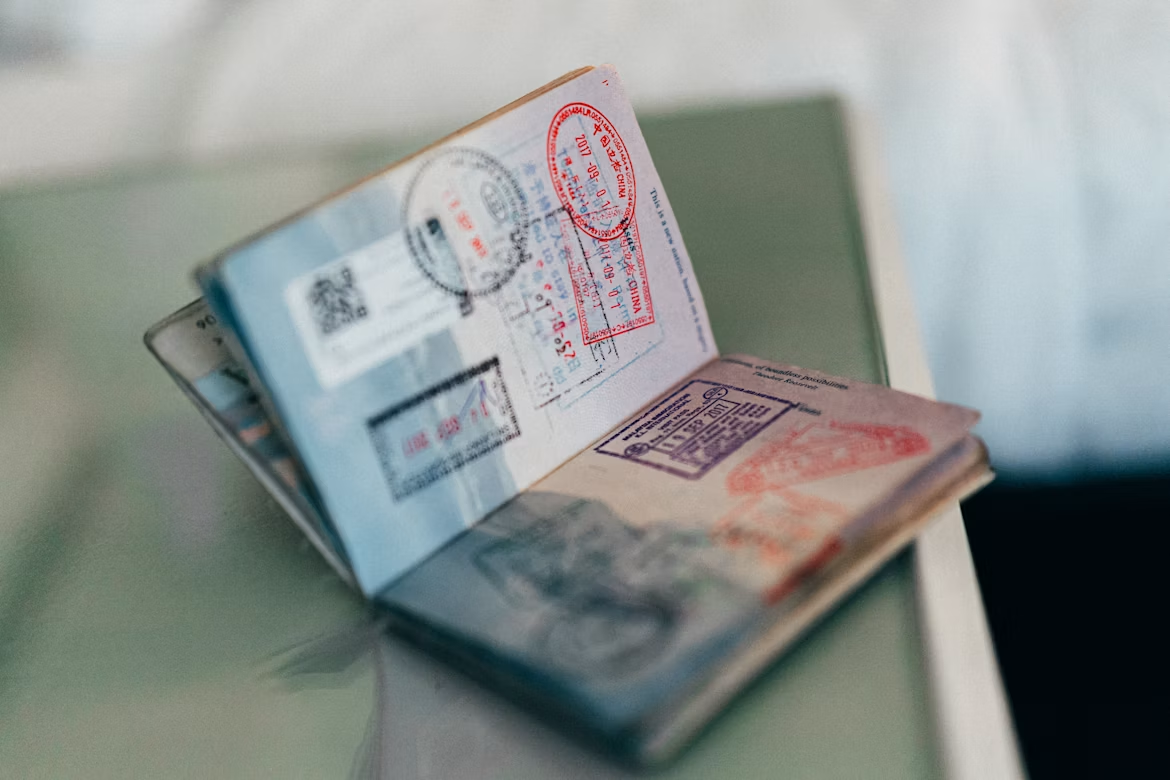
Next up, visas. Whether you need a visa depends on the country you're traveling from and the country you're traveling to. This is an important part of understanding your overall ferry customs requirements before you set sail.
If you're visiting the UK on a short trip, you might not need a visa. For example, citizens from the EU, EEA, and Switzerland can stay in the UK for up to 6 months without a visa. This also applies to US citizens.
Although you don't need a visa, you will need an Electronic Travel Authorization (ETA) before traveling to the UK. You can apply for an ETA online at gov.uk/eta/apply.
You do not need an ETA if:
However, there are also many countries — such as those in Africa, Asia, and South America — that do require you to apply for a visa before traveling to the UK, regardless of how long you're staying.
If you're a British citizen and you're planning on staying for less than 90 days, then you don't need to worry about a visa. British citizens are restricted to staying for up to 90 days in the EU Schengen Area in a 180-day period.
The European Travel Information and Authorization System (ETIAS) is expected to come into effect at the end of 2026. This is a pre-travel authorization system, and you will need to apply before traveling to the EU. It will allow you to stay for up to 90 days.
If you're planning on staying for longer than 90 days in a 180-day period, or you want to work or study in the country, then you will need to apply for a visa.
There are two general rules when it comes to short stays in the US. If you're a citizen of a Visa Waiver Program country, then you can travel to the US for up to 90 days without a visa. These countries include the UK, Australia, and most countries within Western Europe. You will, however, need to apply for an ESTA online before you travel to the US.
If you're a citizen of a country not part of the VWP, then you will require a visa to enter the US.
The visa requirements in Asia vary depending on the country you're visiting and the length of your stay. Some countries don't require a visa while others have visa-on-arrival or e-visa systems in place. For example:
Depending on the country you're visiting, other travel documents may also be required as part of the ferry customs requirements. These might include:
When crossing the border, there are certain things that you can and cannot bring into a country. If you ignore the ferry customs rules, you may face a hefty fine, so it's best to get informed about what's allowed before you travel.
At most ports, there's a red and green channel at the border crossing point. The green channel is for travelers who have nothing to declare, and the red channel is for those who have goods to declare — so make sure you exit through the right one.
There are certain items that are generally prohibited when crossing the border, such as firearms, weapons, and illegal drugs. Each country also has its own specific ferry customs rules too.
You can bring some goods into the UK without having to pay tax — such as those purchased from a duty-free shop — however there are duty-free limits. Dover ferry customs is one of the busiest border crossing points in Europe, so be prepared for thorough checks when traveling on the Dover to Calais ferry or returning from it.
Prohibited items:
To declare:

Prohibited items:
To declare:
Prohibited items:
To declare:
Ferry customs rules in Asia differ by country, so we'd recommend reviewing the specific country's customs regulations before you travel.
Prohibited items:
To declare:
Prohibited items:
To declare:
Prohibited items:
To declare:
Crossing the border with a car? Whether it's your own vehicle or a rental car, there are a few ferry customs requirements in place to prevent stolen or incorrectly documented vehicles from entering another country.
If you're traveling from the UK and you have a GB sticker on your car, it must either be covered or removed entirely before your border crossing. You will still need to identify that your vehicle is from the UK when driving abroad, but you'll need a UK sticker instead. If you're driving in France — for example after taking the Dover to Calais ferry — and your license plate includes the UK identifier, then a sticker isn't necessary.
Wherever you're traveling to or from, here are some of the documents you may need to show at passport control:
Once you're through the border crossing and passport control, you may still be stopped and your vehicle may be searched. This is a standard security measure to check for any prohibited goods — a routine part of ferry customs that applies at most international ports.

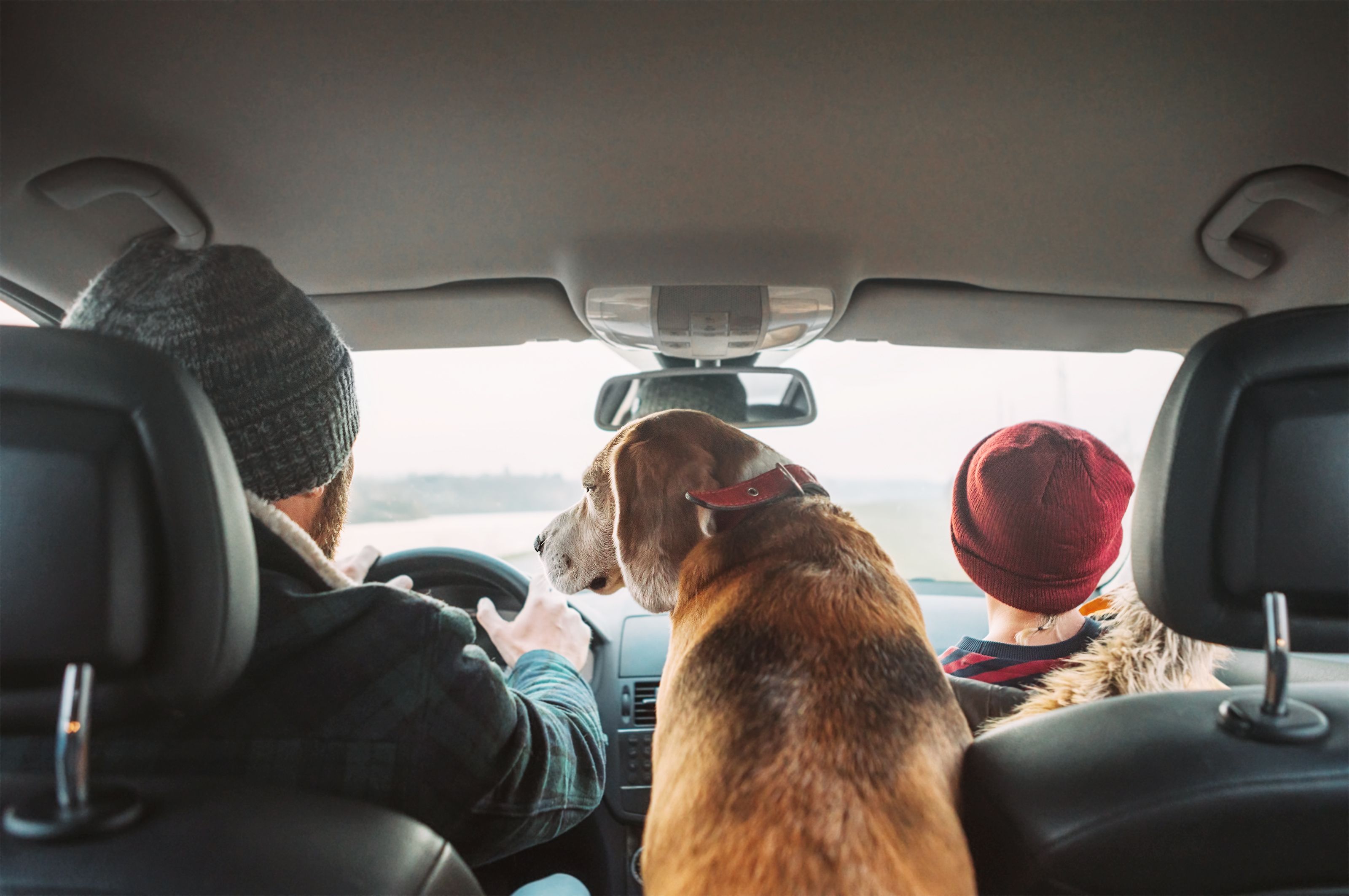
Bringing your furry friend along too? We don't blame you. Here's everything you need to know about crossing the border with your cuddly companion and the ferry customs requirements that apply.
Depending on where you're traveling to, you'll either need a pet passport or an Animal Health Certificate. Pet passports are no longer valid for travel from the UK to the EU or Northern Ireland. However, if you're traveling within the EU, you may be able to use a pet passport. Non-EU countries will often require you to show an Animal Health Certificate, which is usually valid for 10 days after the issue date.
Your pet will need to meet the health requirements for the country you're visiting. They'll need to be microchipped and vaccinated against rabies, and some countries — such as Ireland, Finland, and Norway — also require tapeworm treatments. We'd recommend speaking to a vet well in advance of your trip and checking the entry requirements on the relevant government website, so your furry friend isn't held up at the border crossing.
Travel documents information
Gov.uk/eta/apply
gov.uk/travel-to-eu-schengen-area
gov.uk/foreign-travel-advice
european-union.europa.eu/live-work-study/travelling-eu_en
Ready for your cross-border adventure? You can find out more about specific ferry customs requirements and border crossing rules at the government or local embassy website.
More routes than anyone else.

Compare fares, times & routes in one place.
Change plans easily with flexi tickets.

Book e-tickets & manage trips in-app.
Live ship tracking & real-time updates.

Top-rated customer support when you need it.