Ferry to Canary Islands
Every crossing in one place
Ferry to Canary Islands
Every crossing in one place





More routes than anyone else.

Compare fares, times & routes in one place.
Change plans easily with flexi tickets.

Book e-tickets & manage trips in-app.
Live ship tracking & real-time updates.

Top-rated customer support when you need it.
Ferries to Canary Islands are available with Balearia, Naviera Armas, Fred Olsen Express, Lineas Maritimas Romero & Naviera Nortour.
There are approximately 2 daily sailings and up to 3 weekly sailings to Canary Islands. Please note that ferry schedules can change throughout the year and usually increase during the high season. Take advantage of our deal finder for the latest sailing times and availability.
There are 16 ports in Canary Islands. The most popular port is Corralejo Port with 235 weekly sailings.
The Corralejo to Playa Blanca ferry sails approximately 31 times per day and up to 195 times per week, with an average sailing duration of 30 minutes. The Corralejo Playa Blanca ferry costs approximately $24. Please be aware that prices do not include booking fees.
The Playa Blanca to Corralejo ferry sails approximately 31 times daily and up to 195 times weekly, with a sailing duration of 30 minutes. Playa Blanca Corralejo ferry is $24 on average. Exclusive of booking fees.
Prices will vary depending on number of passengers, vehicle type, route and sailing times. Pricing is taken from searches over last 30 days and exclusive of service fees, last updated September 26.
Spanish island hopping in the Canary Islands is one of the easiest ways to explore the Atlantic archipelago, with a vast network of high-speed ferries and car ferries linking all seven main islands.
Departures run year-round between islands such as Tenerife, Gran Canaria, Fuerteventura and Lanzarote. Crossing times range from just 25 minutes between Lanzarote and Fuerteventura, to around 50 minutes to La Gomera, and up to 2–3 hours for longer routes.
The Canary Islands are split into two main clusters, and choosing the right departure port makes a significant difference to travel times. Tenerife is the main gateway for the western islands, with regular departures from Los Cristianos to La Gomera, La Palma and El Hierro, often taking under an hour for the shortest crossings.
Gran Canaria is a central hub for ferry routes to Canary Islands, with frequent connections to both the western and eastern islands, including Tenerife and Fuerteventura. Crossings between Tenerife and Gran Canaria can take as little as 1 hour and 20 minutes on fast ferries.
Fuerteventura and Lanzarote form the eastern cluster, connected by one of the busiest and shortest ferry routes in the region, with crossings from Corralejo to Playa Blanca taking around 25–35 minutes and running multiple times a day.
The table below highlights some of the most popular inter-island ferry routes. Schedules vary by season and ferry operator, so it’s always worth checking timetables in advance.
| Island | High-Speed Ferry | Conventional Ferry | Island Group |
|---|---|---|---|
| La Gomera | 50 minutes | N/A | Western Islands |
| La Palma | 2 hours 30 minutes | 3–4 hours | Western Islands |
| El Hierro | 2 hours 20 minutes | N/A | Western Islands |
| Gran Canaria | 1 hour 20 minutes | 1 hour 40 minutes | Central Hub |
| Fuerteventura | 2 hours | 5–6 hours | Eastern Islands |
| Lanzarote | 25–35 minutes | 1 hour | Eastern Islands |
| La Graciosa | 25 minutes | N/A | Northern Islets |
The ferry to La Gomera from Tenerife takes around 50 minutes, with multiple daily departures. It’s one of the most convenient and frequent routes in the Canaries, making it ideal for both day trips and longer stays.
The ferry to La Palma takes approximately 2 hours 30 minutes by high-speed ferry from Tenerife. Known as “La Isla Bonita,” it’s a popular destination for hiking and volcanic landscapes.
The ferry to Lanzarote from Fuerteventura is one of the shortest crossings in the Canary Islands, taking just 25–35 minutes and running frequently throughout the day.
The ferry to Gran Canaria connects the two largest islands in around 1 hour 20 minutes, making it one of the busiest and most important routes in the archipelago.
The Canary Islands offer a diverse mix of volcanic landscapes, beaches and national parks, making them ideal for combining multiple destinations in a single holiday.
Grouping islands by proximity helps keep ferry times short and gives you more time exploring each island. Below are some popular Canary Islands island-hopping combinations:
A simple and popular pairing combining Tenerife’s variety with La Gomera’s quieter landscapes.
Good to know: This is one of the most frequent ferry routes in the Canaries.
The easiest island-hopping route in the Canaries, thanks to very short crossings and frequent departures.
Good to know: Ferries run year-round with very high frequency.
A more nature-focused itinerary linking two of the most scenic islands.
Good to know: La Palma is quieter and less developed than Tenerife.
A balanced itinerary combining a central hub island with beach-focused relaxation.
Good to know: This route connects two of the most popular islands for first-time visitors.
For more travel inspiration, see our Top 10 Islands for Budget Travelers.
Unfortunately, no operators allow you to bring your car on the ferry to Canary Islands.
Pets are allowed to travel on ferries to Canary Islands with Naviera Armas, Fred Olsen Express, Lineas Maritimas Romero & Biosfera Express.
The price of a ferry to Canary Islands can fluctuate by route, operator and season. Please visit our special offers page for all the best ferry offers available.
Book ferry tickets to Canary Islands online with Direct Ferries by using our Deal Finder and compare routes, prices and operators for the best deals.
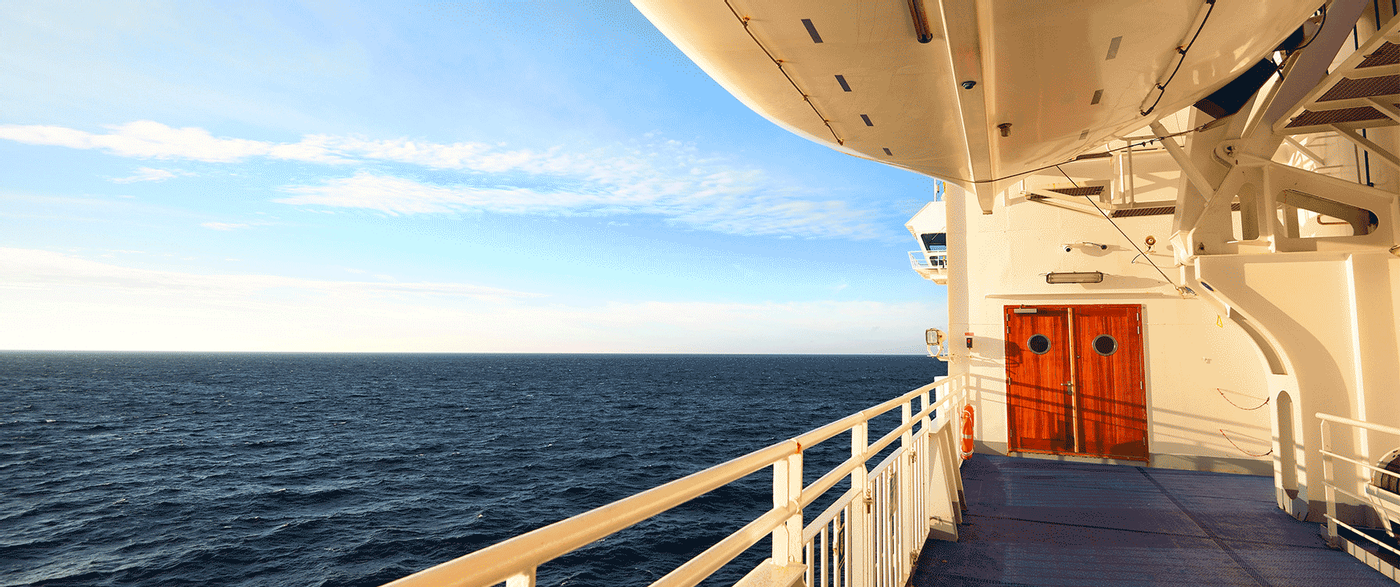
Find out what it's like onboard the ferries before you travel.
Situated off the northwest coast of Africa, the Canary Islands are a Spanish archipelago renowned for their striking natural beauty and diverse landscapes. This group of seven main islands, including Tenerife, Gran Canaria, and Lanzarote, features volcanic peaks, lush forests, and golden beaches, making it a sought-after travel destination. The islands enjoy a mild subtropical climate, providing ideal conditions for outdoor activities and exploration throughout the year. Rich in history and culture, the Canary Islands showcase a fascinating fusion of Spanish heritage and indigenous Guanche traditions, reflected in their cuisine, music, and local festivals including Tenerife Carnival.
Hanse Sail 2026: The Complete Guide to Rostock's Great Maritime Festival

From Haaland to the Highlands: Norway's Moment in the Limelight

The Biggest European & American Festivals 2026
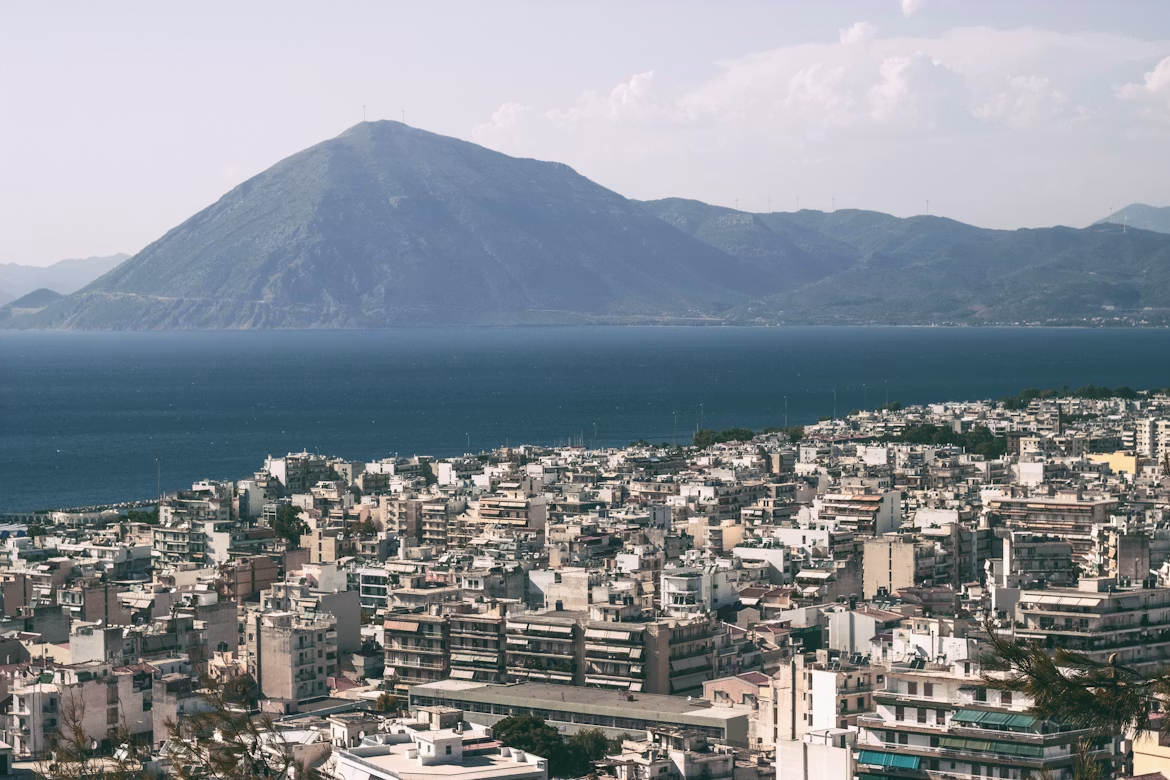
Sailing Your Own Odyssey

British Horse Racing 2026: The Biggest Events Still to Come

Wimbledon 2026 Guide
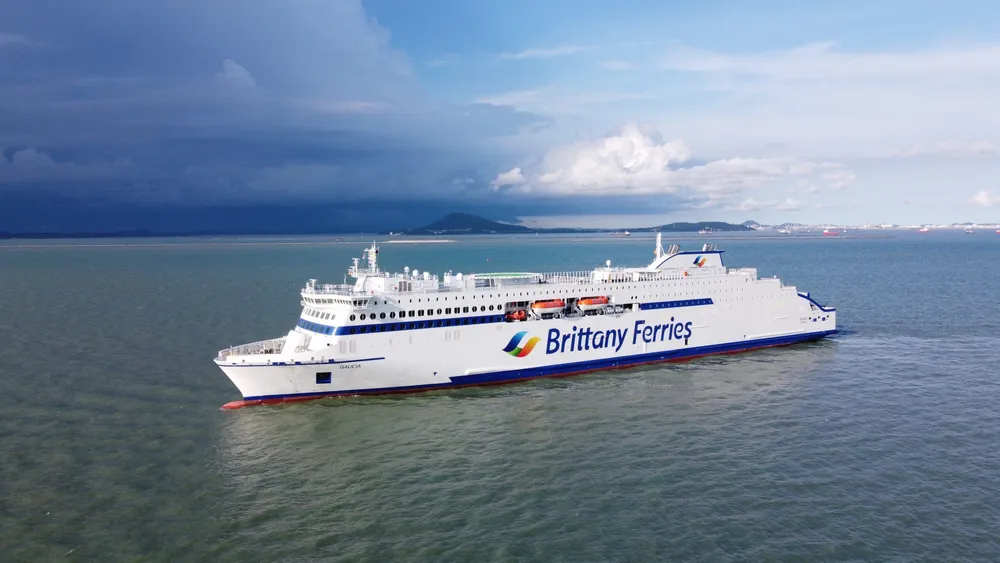
Alternative Channel Ferry Routes with Brittany Ferries
Summer Holidays 2026: The Best Travel Destinations in Europe by Ferry

The Best Coffee Spots in Italy
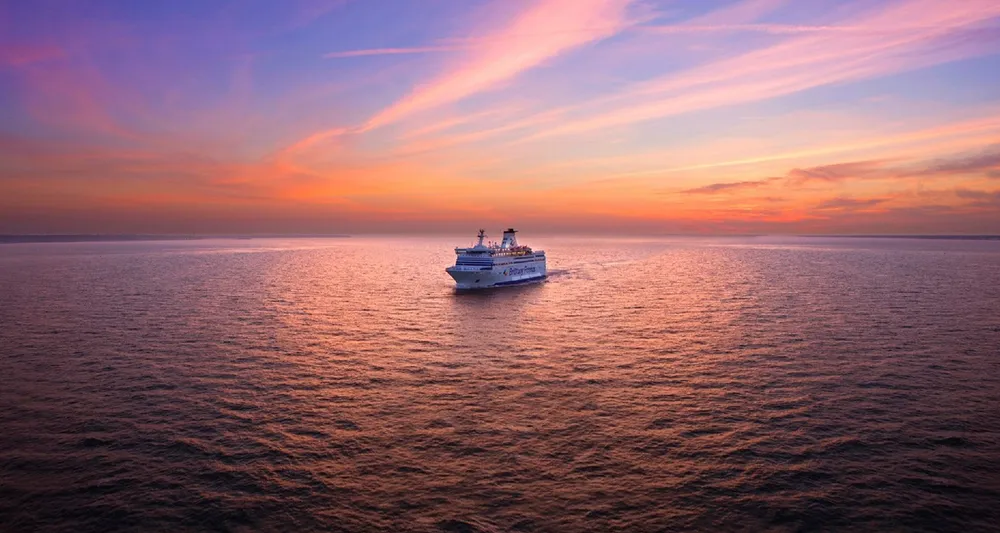
Take the Scenic Route to Spain with Brittany Ferries