The Best Coffee Spots in Italy
Things to do
Things to do

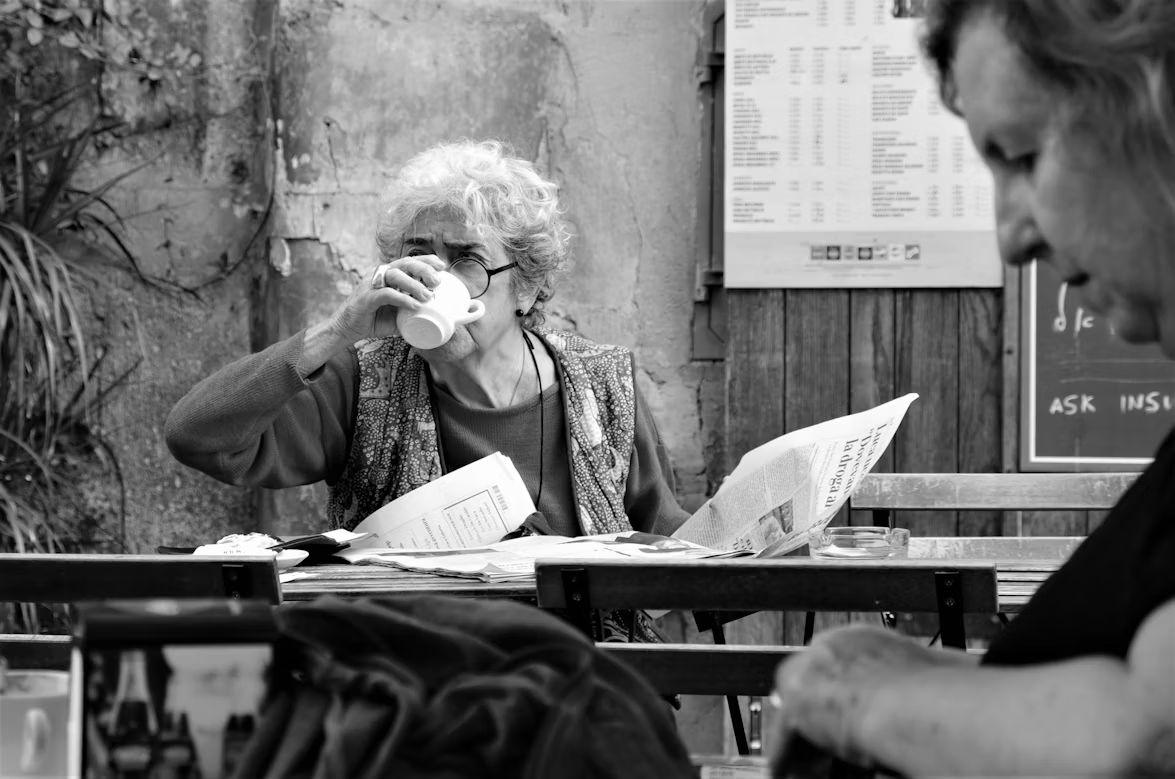
Any traveler will tell you that no country does coffee better than Italy. Yet the country is also quietly opening to a new wave of roasters and brew methods, making right now one of the most interesting moments to explore its cafes. In this guide, we travel from Rome to Sicily in search of both the traditional and the extraordinary.
Rome is many things, but it is not, historically, a specialty coffee city. What it is, however, is a city where Italian coffee culture runs so deep that even the most unremarkable bar in Italy produces an espresso of the highest quality. There’s no better way to start your morning in Rome than ordering a caffè and enjoying it in the sunshine.
Having said that, Rome's specialty coffee scene has grown remarkably over the past few years, and if you know where to look, you will find some of the most incredible cups of coffee in the country.
Tucked away behind the Pantheon in the historic city center, Sant'Eustachio il Caffè has been roasting its own blend since 1938. The signature gran caffè is served pre-sweetened (ask for it amaro if you prefer it unsweetened), with a hazelnut-coloured crema that the locals swear by. It appears in virtually every guide to famous coffee shops in Italy for good reason.
Faro, located near Termini station, is the place to visit if you want specialty coffee without leaving Rome. The extensive menu of single origin coffees — sourced from Ethiopia, Colombia, and Guatemala — is treated with the same rigour you would come to expect in Shoreditch or Brooklyn, and yet the atmosphere retains something distinctly Roman: loud, welcoming, and mercifully unpretentious.
If you are hunting for the best cafes in Rome for breakfast, Roscioli Caffè is worthing adding to your itinerary. The pastry counter alone is worth the visit. Pair a flaky cornetto with their expertly pulled espresso, and you will understand exactly why Romans have no time for brunch.
Local Tip: In Rome, ordering at the bar is always cheaper than sitting at a table. A standing espresso might cost €1.10, whereas if you sit down, the same cup can cost €3.50.
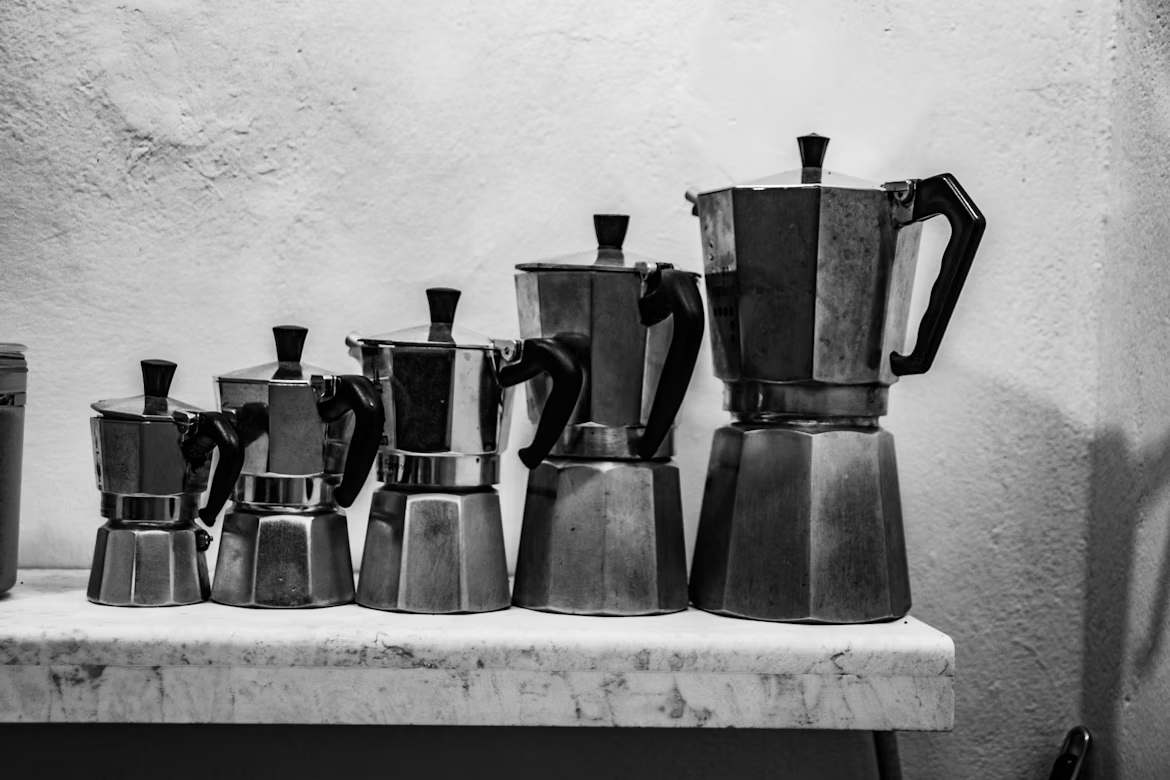
Milan moves faster than any other Italian city, and the same is also true of its coffee bars. The Milanese have elevated the caffè break to an almost meditative pause in an otherwise relentless day. The cappuccino here is a serious matter of discussion — milk texture is scrutinized, the balance between espresso and foam debated with football-style passion.
Founded in 1817 near La Scala opera house, Caffè Cova is one of the oldest surviving coffee bars in Europe. Its gilded interiors, glass cabinets of homemade chocolates, and impeccably dressed clientele make it feel less like a café and more like a movie set. The espresso is flawlessly balanced — dark but not too bitter, with a lingering sweetness that justifies the higher price.
For those whose interest lie with specialty coffee, Orsonero in the Navigli district should not be missed. This small roastery-café serves pour-overs and AeroPress preparations from its own imported single-origin coffees, with detailed tasting notes written on the chalkboard above the brew bar.
Now synonymous with Prada, Pâtisserie Marchesi in Via Monte Napoleone is arguably the most stunning café in the city. The sage-green interior and extraordinary pastry selection make it one of the most Instagrammable cafes in Northern Italy, though the food and coffee hold their own entirely on merit. Their caffè blend is house-specific and roasted to a medium profile that works beautifully with milk.
Finished your coffee? Here's a guide for the best things to do in Italy all year round. Alternatively, if you're feeling a bit more adventurous, have a look at our favourite hiking trails in Italy.
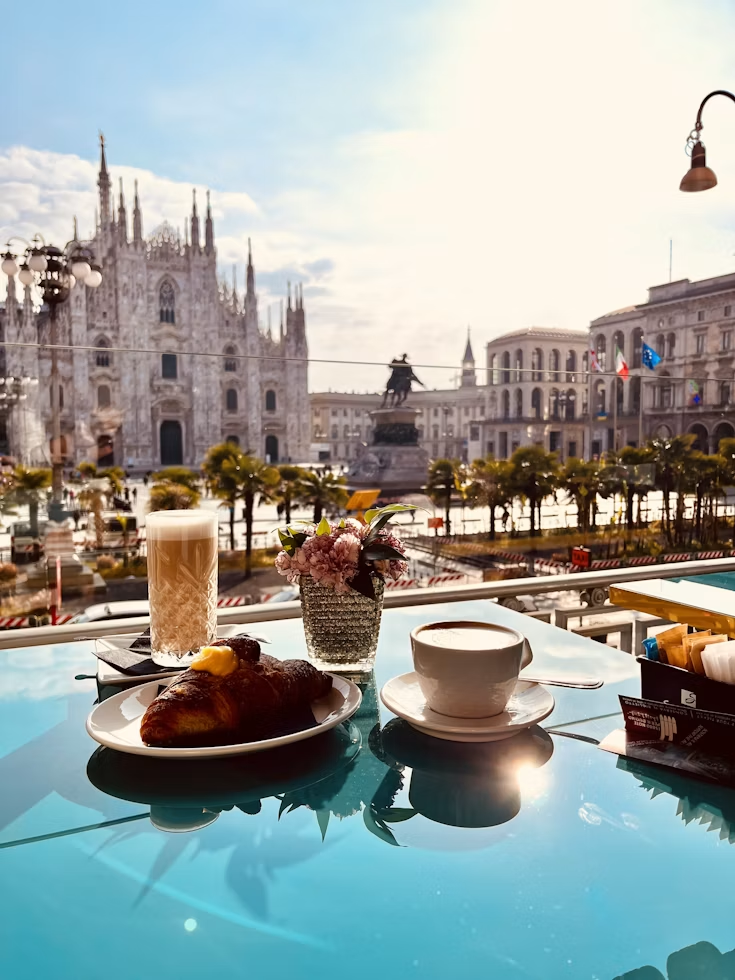
If there is one city where traditional Italian coffee is most zealously guarded, it is Naples. The Neapolitan espresso is its own creature: darker roasted, smaller in volume, and often served with a small glass of still water and a curl of lemon zest.
The city's relationship with coffee is also remarkably democratic. A cup costs between 90 cents and €1.20 almost anywhere you go. Plus, there’s a beautiful tradition in Naples that dates back over a century called caffè sospeso whereby you can pay for a coffee in advance and have it waiting for someone who cannot afford it.
Gran Caffè Gambrinus is one of the most iconic cafés in Italy, tucked into Piazza Trieste e Trento just steps from the Royal Palace. Open since 1860, it’s welcomed the likes of Wilde, Hemingway, and Croce over the years. Coming here feels like stepping into a different era. Imagine chandeliers, beautifully painted ceilings, and waiters in crisp white jackets serving perfectly made espresso. Yes, it’s a bit pricey by Naples standards, but for the atmosphere and history alone, it’s certainly worth experiencing at least once.
Ask any Neapolitan barista where they go on their day off, and the answer is often Caffè Mexico in Piazza Garibaldi. There is nothing glamorous about it. It’s an ordinary bar in the center with a permanent queue of locals and an espresso that many rate above any other in the city. The beans are their own house blend, roasted dark and brewed at pressure that would terrify most modern baristas. The result is extraordinary.
Neapolitan Custom: Order your espresso ristretto, which is a shorter, more concentrated pull. And always accept the glass of water as it’s a sign of respect from the barista, not an afterthought.
Let me make this very clear, Venice is not by any means Italy's finest coffee city. The concentration of tourists in the city center drives prices skyward and quality downward in many establishments — and spotting the tourist traps requires local knowledge. But there is another side to Venice, known amongst residents and curious visitors who wander off the beaten track, where excellent espresso is still dispensed at wooden bars to neighborhood regulars.
No guide to famous coffee shops in Italy could omit Caffè Florian on Piazza San Marco. Established in 1720, it is the oldest continuously operating café in Italy and possibly in the world. The price of an espresso is a bit dearer here, particularly if the orchestra is playing, but you are paying for an experience that has barely changed in three centuries.
For the most authentic cup of coffee available in Venice without the pageantry, Torrefazione Cannaregio in the Cannaregio district is the answer. It is a proper roastery-bar, a place where the barista can tell you the harvest year. Both locals and tourists in the know make the trip out here, and the price is a fraction of anything near Piazza San Marco.
If you are in a rush, check out our favourite budget day trips to Italy by ferry.
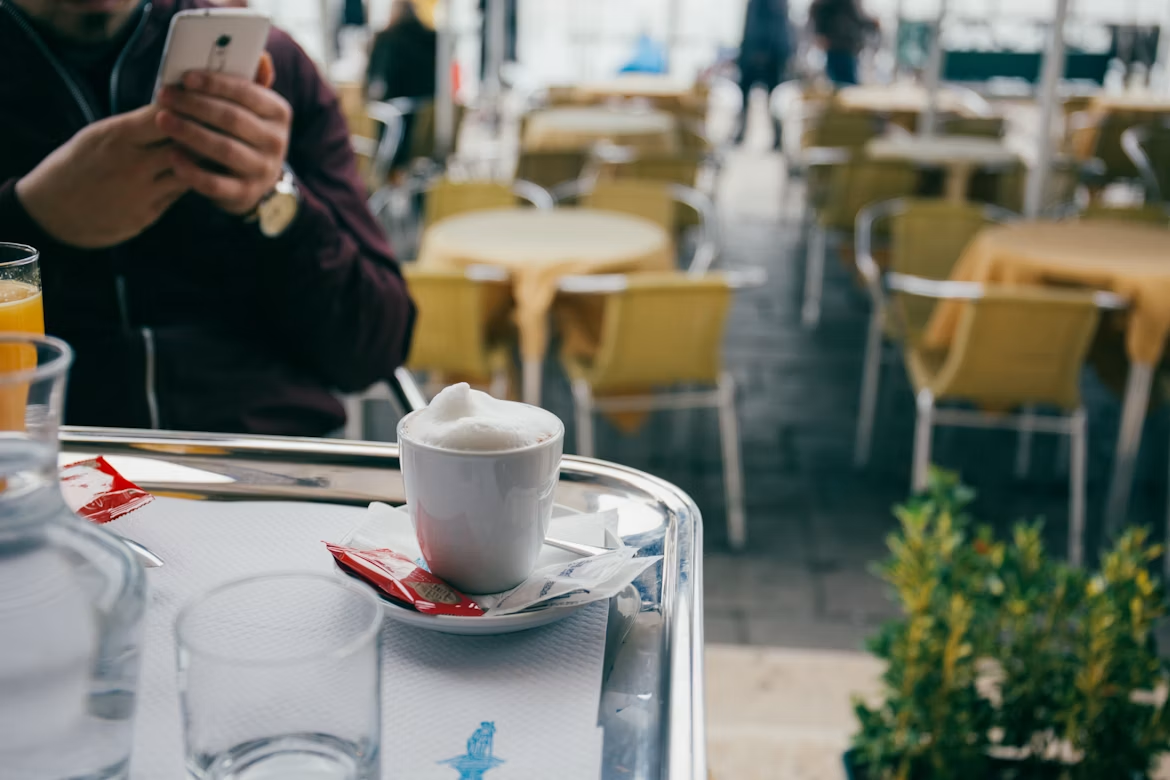
The coffee culture in Sicily is a world unto itself. While the island shares the broader traditions of Italian coffee culture, it also contributes its own extraordinary invention: the granita al caffè. This frozen, slightly sweet espresso slush, often paired with a cloud of whipped cream and served in a glass alongside a warm brioche col tuppo is maybe the tastiest ever.
Caffè Sicilia in Noto is one of Italy’s most celebrated spots for both pastries and coffee, run by the Assenza family. At the heart of it is Corrado Assenza, whose approach is all about quality ingredients and strong ties to Sicilian agriculture. That same care is also applied to their coffee. Even the granita is treated with the same attention he gives his famous almond sweets. It’s no wonder this place shows up in almost every “best coffee shops in Italy” guide you’ll stumble across online.
Situated in the busy centre of Catania, Bar San Marco has been serving the people since 1966. It’s the kind of place locals depend on, especially in the mornings. The espresso is classic Southern Italian: strong, slightly bittersweet, and served in pre-warmed cups. The granita is just as renowned. If you are nearby, try to arrive there before 9 am to avoid the morning crowds.
Palermo isn’t quite a specialty coffee hotspot in the same way Milan or Florence might be, but that’s starting to change. In recent years, a small but dedicated group of coffee bars has popped up near the city centre, bringing a more modern approach to coffee.
These spots are experimenting with single-origin beans and alternative brewing methods, offering something different from the classic espresso culture. Bottega del Caffè in the Ballarò district is leading the way, serving everything from Ethiopian natural coffees to traditional espresso.
Understanding a few unwritten rules will transform your Italian coffee experience from pleasant to genuinely memorable.
Mark my words, standing is the golden rule of visiting a bar in Italy. Sitting is for lingering, and lingering costs money. Most Italians consume multiple cups of coffee each day standing at their local bar, spending perhaps two minutes per visit. The price differential between standing and sitting can be significant, particularly in tourist-heavy destinations like Venice.
A caffè is an espresso. A caffè macchiato has a drop of milk. A cappuccino is a morning drink, so if you order one in the afternoon, you might invite curious looks. A caffè latte is a large, milky drink taken at breakfast. Traditional Italian coffee does not include vanilla syrups, venti sizes, or cold foam. If you want those extras, chain cafés in major cities now provide them.
Many traditional Italian coffee bars, particularly those that charge under €1.50 for espresso, usually only accept cash. Some require you to pay at the till (la cassa) before ordering. If in doubt, I always watch what the locals do.
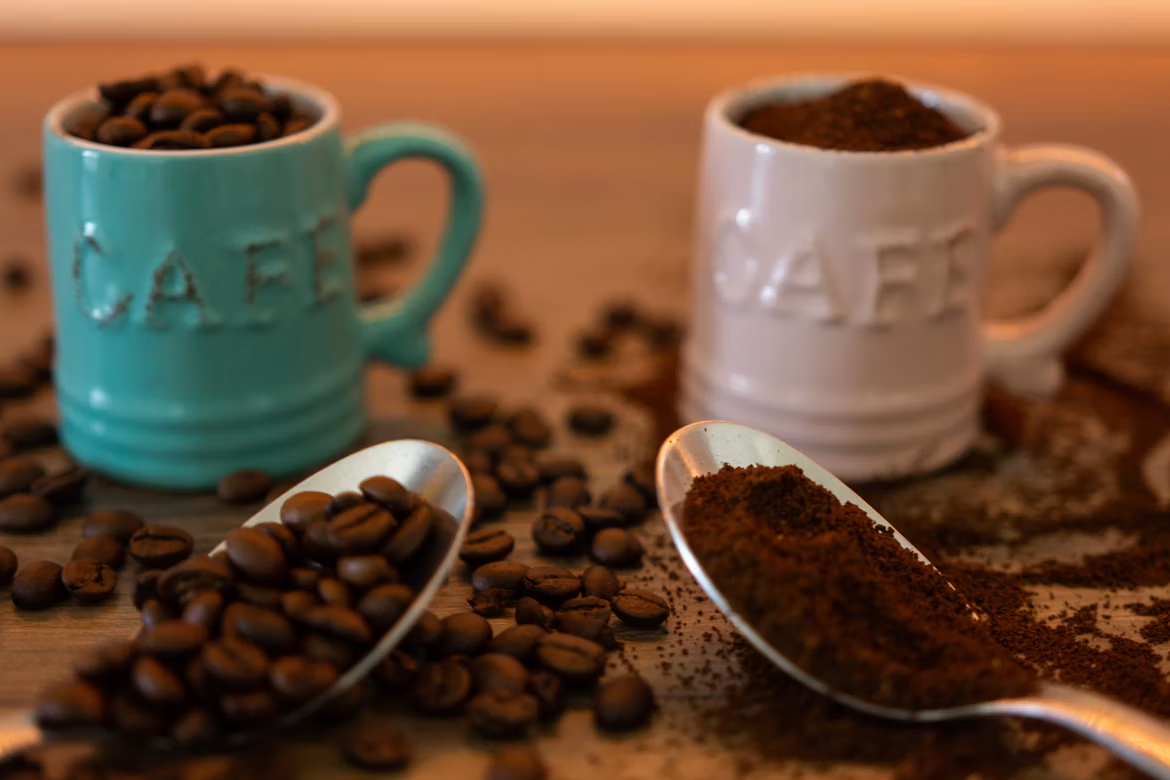
From historic cafés serving pulled espresso to a new wave of specialty coffee bars experimenting with single-origin beans and modern brewing techniques, Italy has one of the richest coffee cultures in the world. Whether you’re sipping a quick caffè at the bar in Naples or lingering over granita in Sicily, each stop reveals a different side of Italian coffee tradition. If you’re planning a trip, make time to experience these iconic coffee spots in Italy. You won’t regret it.