Fear of Flying: Travel by Ferry on Your Next Holiday
Ferry travel tips
Ferry travel tips


Do you ever dream of traveling but feel uneasy about flying? You’re not alone. Many people find air travel stressful, and that anxiety can often ruin the excitement of a much-needed holiday.
The good news is that flying isn’t the only way to start your adventure. Traveling by ferry offers a calm and scenic alternative, allowing you to kickstart your holiday the moment you step aboard. Instead of airport queues and cramped seats, you can enjoy the sea breeze, walk around freely, and even bring your car or motorbike with you for extra flexibility once you arrive.
Ferries connect numerous destinations across the mainland and nearby islands, making it easy to reach beautiful coastal spots and hidden gems without ever stepping on a plane. Journey times vary depending on your route, with some crossings taking less than an hour, while others sail through the night.
If the mere thought of flying sets your heart racing, the ferry is the perfect way to travel without giving up on your holiday plan entirely. Instead of contending with take-offs, turbulence or sitting in a cramped space, you can enjoy a calm, open and comfortable journey across the sea. Everything about ferry travel is designed to help you feel at ease and enjoy the trip as part of your holiday.
To ensure the most relaxing experience, consider booking an overnight crossing. You can board in the evening, settle into your cabin and sleep through most of the journey. By the time you wake up, you’ll already be to explore your destination.
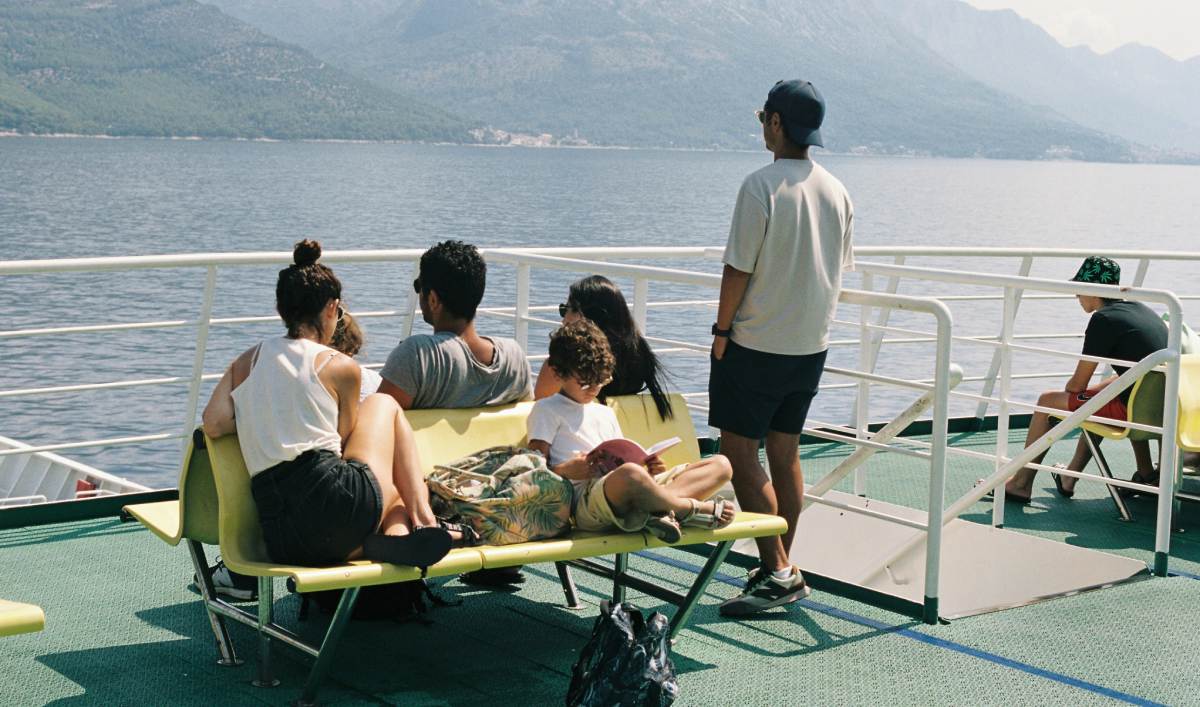
Here’s a helpful comparison between travelling by airplane and ferry, highlighting why ferries are the better choice, especially for people who feel anxious about flying.
| Aspect | Ferry | Airplane |
|---|---|---|
| Comfort & Space | Plenty of room to move around, walk on deck, and stretch freely. | Limited legroom and confined seating for the entire flight. |
| Atmosphere | Calm, open, and scenic with fresh sea air and natural light. | Enclosed cabin with recycled air and artificial lighting. |
| Stress Level | Relaxed boarding, no long queues, and simpler checks. | Stressful airports, long waits, and intense security procedures. |
| Freedom of Movement | Explore the ship, visit cafés, shops, or rest areas. | Mostly seated with limited movement during the flight. |
| Experience | The journey itself is enjoyable — unwind and take in ocean views. | Often something to endure rather than enjoy. |
| Luggage & Vehicles | Easier luggage handling and the option to take your car or motorbike. | Strict baggage limits and no option to bring personal vehicles. |
| Noise & Turbulence | Smooth sailing with minimal noise and no sudden movements. | Engine noise, turbulence, and pressure changes can heighten anxiety. |
| Flexibility | Open-air spaces and often more flexible ticket options. | Delays or cancellations due to weather or air traffic are common. |
| Accessibility | Simple boarding and more relaxed rules for families or pets. | More restrictions for travelling with children, animals, or special needs. |
| Environmental Impact | Lower CO₂ emissions per passenger compared to flying. | Air travel contributes significantly more to carbon emissions. |
If you experience anxiety while flying, traveling by ferry can be a relaxing alternative. With a bit of preparation, you can turn your ferry trip into a calm, enjoyable experience from start to finish.
Embark on your journey with a clear mind. Deep breathing, mindfulness, or guided meditation apps like Calm, Headspace, or Insight Timer can help you stay relaxed throughout the trip.
Having your own private space allows you to rest and read in complete comfort. It’s the perfect way to reduce sensory overload and travel at your own pace.
Fresh air and open views of the horizon can help ease anxiety. The natural rhythm of the sea and the feeling of space are powerful antidotes to the claustrophobia usually experienced on airplanes.
Make sure to pack your favorite book, playlist, or a few downloaded series or podcasts. Staying entertained is a great way to distract your thoughts and help you pass the time more quickly.
Most modern vessels are equipped with cafes, restaurants, lounges and shops. Treat yourself to a meal or a coffee while you admire the ocean view.
Overnight ferries are a great option if you would prefer to sleep through most of the journey. Board in the evening, settle into your cabin, and wake up at your destination feeling refreshed.
Securing your preferred cabin or seat early gives you more control over your travel plans, helping to reduce uncertainty and pre-trip stress.
Aim to travel during low-season or choose off-peak departures to enjoy a calmer environment with fewer passengers.
Sharing the experience with friends or family provides emotional support and turns the crossing into a shared adventure instead of a challenge.
Hopefully by using these tips, you’ll have an enjoyable and comfortable journey, while avoiding the stress of flying.
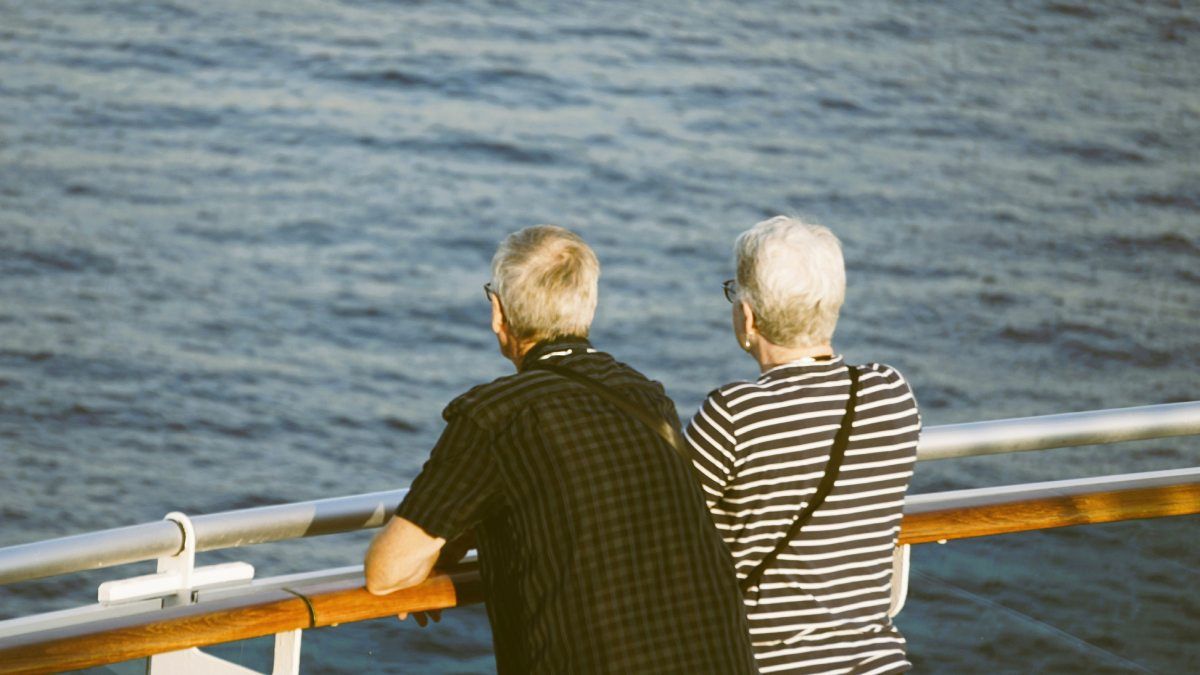
Give yourself plenty of time. Arrive early so you don’t feel rushed, double-check your itinerary, and create a small pre-travel ritual to calm your mind. Try a simple 4-7-8 breathing exercise for two minutes, do some gentle stretching, and listen to a calming playlist. Avoid too much caffeine or heavy meals right before boarding.
Choose the middle and lower areas of the ferry, where movement is least noticeable. If you have a seat, pick one near an aisle so you can get up and walk when needed. If you’re in a cabin, central cabins (away from the bow and stern) tend to be the most stable and quiet.
Don’t hesitate to let the crew know how you’re feeling — they’re trained to help. They can direct you to quieter areas, offer water, suggest going out on deck for fresh air, or connect you with onboard medical staff if needed. Speaking up early can really make a difference.
Having these at hand helps you feel prepared and in control.
Dizziness often comes with nausea and cold sweats. Focus your gaze on the horizon, avoid screens, and stay near the middle of the ship.
Anxiety brings faster heartbeat and racing thoughts. Use slow breathing, grounding techniques like the 5-4-3-2-1 method, and move to a calm, open space. Recognizing what you’re feeling helps you take the right steps quickly.
It depends on what helps you feel most at ease.
Fast ferry: Ideal if you prefer a shorter journey.
Conventional ferry: Offers a steadier ride and more spacious cabins for comfort.
In both cases, choose a central location and, if possible, book a cabin for a private, controlled environment.
Prepare in advance: eat lightly, stay hydrated, and keep your calm travel kit close. Pick a central spot on board, and when it’s safe, take breaks outside to breathe fresh air. Focus on what you can control — calm actions and a positive mindset go a long way.
Absolutely. A travel companion can help you relax, keep you company, and guide breathing or distraction techniques. Agree on simple signals before boarding so you can communicate easily if you start feeling anxious — no words needed.
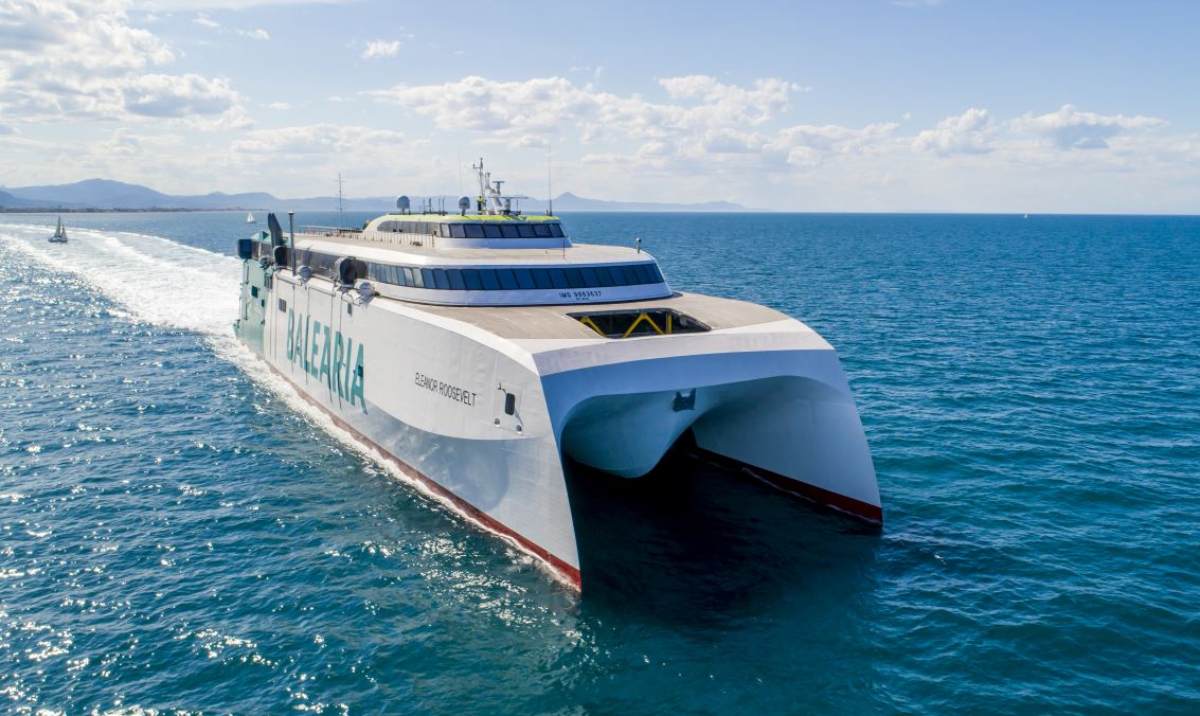
The fear of flying doesn’t have to stand between you and your dream holiday. Thanks to our extensive list of ferry routes, reaching your destination by sea has never been easier. Traveling by ferry offers so many benefits that you won’t find on an airplane. Ferries guarantee space, comfort and peace of mind, allowing you to move freely whenever you please and enjoy the scenery from the top deck.
Whether you’re heading to a neighboring island or exploring new coastal destinations, ferries provide flexibility and freedom, with the added bonus of being able to bring your car, motorbike, or even your pet along for the ride.
Ready to set sail? Book your ferry tickets today without the stress of flying.