At the Port: Facilities & Amenities
At the Port: Facilities & Amenities
Waiting to board your ferry? Modern ferry terminals are designed for comfort and convenience, offering a range of facilities to enhance your travel experience. From spacious seating areas and on-site dining to free Wi-Fi, luggage storage, and essential amenities, discover everything you can expect at ferry ports before you set sail.
Ferry terminal facilities and amenities vary depending on the size of the port. Smaller ports tend to have more basic services, while larger terminal buildings serving multiple operators and routes usually offer a wider range of amenities. Even so, most ports provide essential ferry terminal facilities such as passenger waiting areas, restrooms, and check-in or information desks.
Below you'll find a general guide to ferry terminal facilities, but for more detailed information about your departure port — including ferry port address details — take a look at the FAQs on our Port Pages — just select your port from the drop-down menu.
Most ferry terminals offer indoor seating areas in the terminal building where you can relax while waiting to board. Seating is usually available on a first-come, first-served basis, so it's worth arriving early, especially during busy periods when space can be limited. Some terminals also have outdoor seating, giving you the chance to get some fresh air and watch the ferries as they come and go.
Food and drink options are usually available at most ferry ports. Smaller ports may only have vending machines for snacks and hot drinks, while larger terminal buildings often offer a wider choice, including coffee shops, cafés, restaurants, and bars.
Either way, we would still recommend bringing your own drinks and snacks, especially if you're traveling from a smaller port with fewer ferry terminal facilities, or if you're departing early or late when some food and drink outlets may be closed. Plus, bringing your own is a great way to save some money.
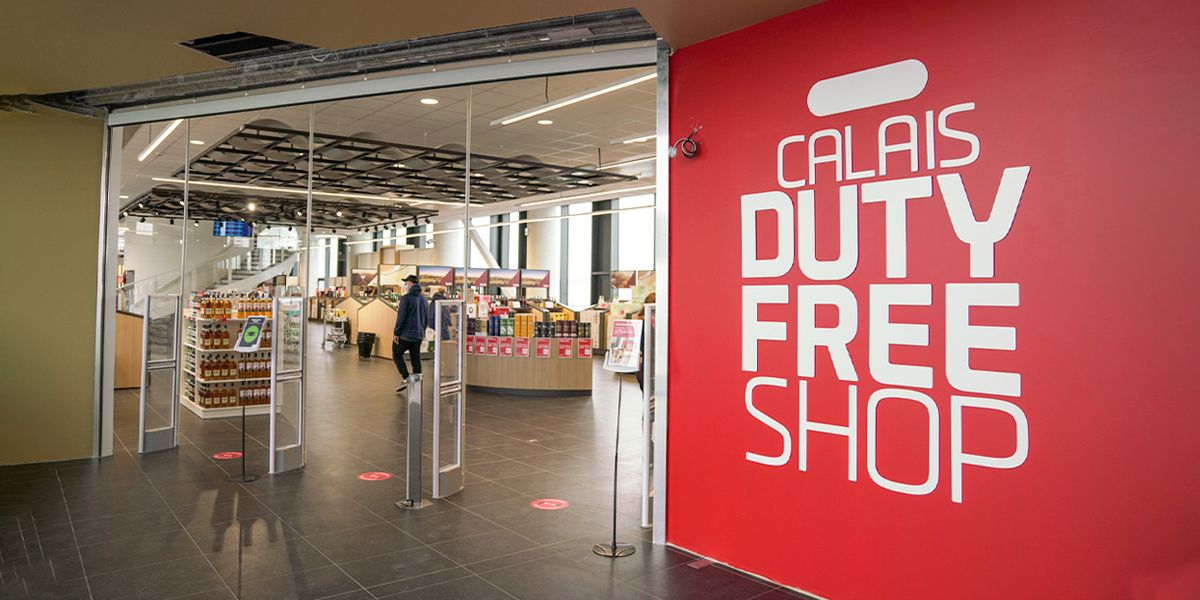
Larger ferry terminals often have a wide range of shops inside the terminal building. Operators such as DFDS and Stena Line offer duty-free shops at their ports — including Calais ferry port facilities and Dieppe ferry port facilities — where you can save up to 40% on products such as fashion, beauty, electronics, alcohol, and tobacco.
At some ferry terminals, foot passengers can check in their luggage before boarding, while at other ports you will need to carry your bags yourself. Luggage storage options may also be available at ports for an additional fee, so you can explore the area with ease without having to carry your bag.
Traveling with a vehicle? It's worth checking in advance whether parking is available at your departure port — many ferry port facilities maps will show you exactly where parking areas are located. If parking is not available on-site, you may need to allow extra time to find a space nearby.
Many ferry terminals offer short-stay parking for drop-offs and pick-ups, which is usually located close to the terminal building and often free for a limited time. Long-stay parking is also available at some ports, making it a convenient option if you're leaving your car behind while you travel. These spaces may need to be booked in advance and usually come at an additional cost. If there are no parking options at your departure port, off-site parking lots are another option, with many offering shuttle services to and from the terminal.
Parking lots can fill up quickly during peak travel periods, so if you're unable to pre-book, it's best to arrive well ahead of your check-in time.
If you're traveling in an electric vehicle, many ports now provide charging points. Always allow extra time if you plan on charging your vehicle before boarding, and don't forget to bring your charging cable with you.
Many ferry terminals are designed to support passengers with reduced mobility, but we'd always recommend checking in advance for a smooth and stress-free journey. If you require special assistance at the port, it's best to contact your ferry operator ahead of travel.
Accessible ferry terminal facilities may include:
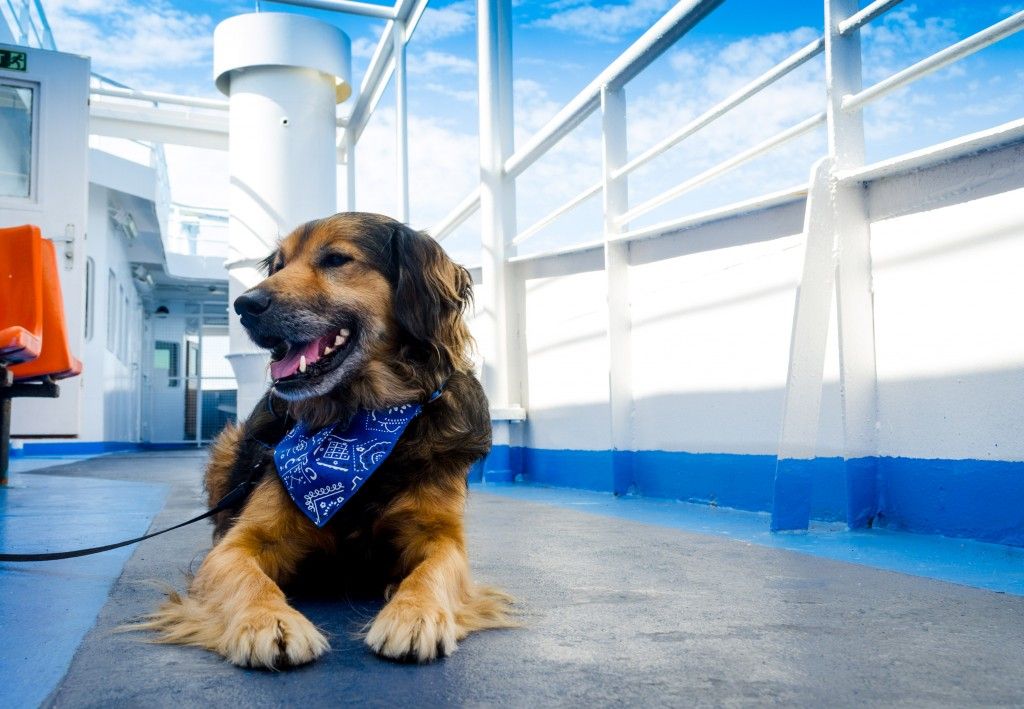
Are you planning on traveling with your pet? If so, some ferry ports are well equipped for pets too, with dedicated exercise areas to help make your pet's pre-boarding experience as stress-free as possible. In most cases, pets are not allowed in public areas of the terminal building unless they are on a leash and wearing a muzzle or traveling in a carrier. Different rules apply to guide and assistance dogs, which are usually permitted throughout port facilities.
Here's an overview of the ferry terminal facilities you can expect at some of the most popular ferry ports. You can also find ferry port address details on each port's dedicated page.
Ports in the UK and Ireland are usually modern, well-organized, and easy to navigate, with clear signage and structured check-in systems for both foot passengers and vehicles. They are usually well connected by highway and public transportation, including train and bus links.
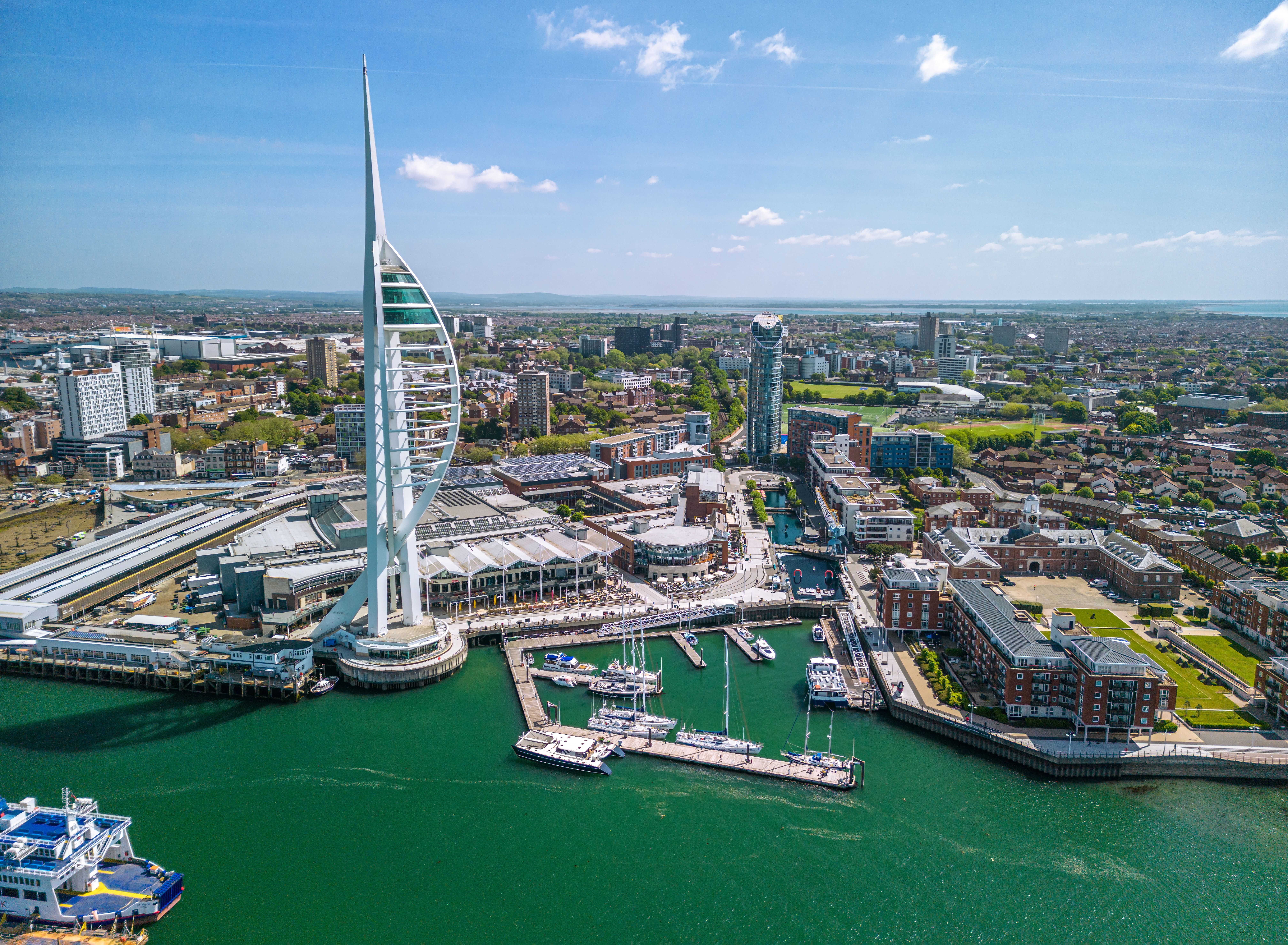
Larger terminal buildings, such as those at Dover and Portsmouth, offer a wide range of facilities, whereas smaller regional ports may be more limited. Dublin ferry port facilities are similarly well-equipped, with the ferry terminal located close to the city center and served by good public transport links.
Common facilities include:
Examples of popular UK ports and their amenities:
| Port | Amenities include |
| Dover | - Cash and currency services - Free WiFi - Food outlets including Costa Coffee, Burger King, WHSmith - Dog exercise areas - Games room - Duty-free shops - Accessible facilities |
| Portsmouth | - Convenience store - Café - Sky garden - Free WiFi - Left luggage - Baby changing - Water refill station - Electric car charging - Parking |
| Holyhead | - Coffee shop/café - Vending machines - Free WiFi - Accessible facilities - Tourist information - Duty-free shops - Electric car charging - ATM - Short and long-stay parking |
Some ferry terminals in Europe are very similar to those in the UK and Ireland, especially at larger ports such as Calais and Rotterdam. These ferry terminals are usually well signposted, easy to navigate, and well connected by road and rail.
Many offer a full range of ferry terminal facilities, including waiting areas, shops, restaurants, and parking. Calais ferry port facilities and Dieppe ferry port facilities are a good example of what a well-equipped European terminal building looks like, and Caen ferry port facilities are similarly comprehensive for passengers crossing from the UK.
However, smaller ports — such as those on island routes or in inland destinations — tend to be much sparser and less developed. For example, ports on islands like Paros and Naxos often have limited on-site ferry terminal facilities and minimal signage. However, they are usually centrally located with cafés, shops, and other amenities close by rather than inside the terminal building itself.
Examples of popular European ports and their amenities:
| Port | Amenities include |
| Calais | - Information point - ATMs - Shops - Restrooms and baby-changing - WiFi - Restaurant - Short-term parking - Electric vehicle charging stations - Currency exchange |
| Naples | - Restrooms - Ticket offices - Luggage storage - Restaurants - Shops |
| Heraklion | - Restrooms - Cafés - Luggage storage - Waiting areas |
Ferry terminal facilities across Asia vary widely depending on the location. In regions like Japan and Hong Kong, ferry terminals are usually modern, well organized, and easy to navigate, with a wide range of amenities available inside the terminal building.
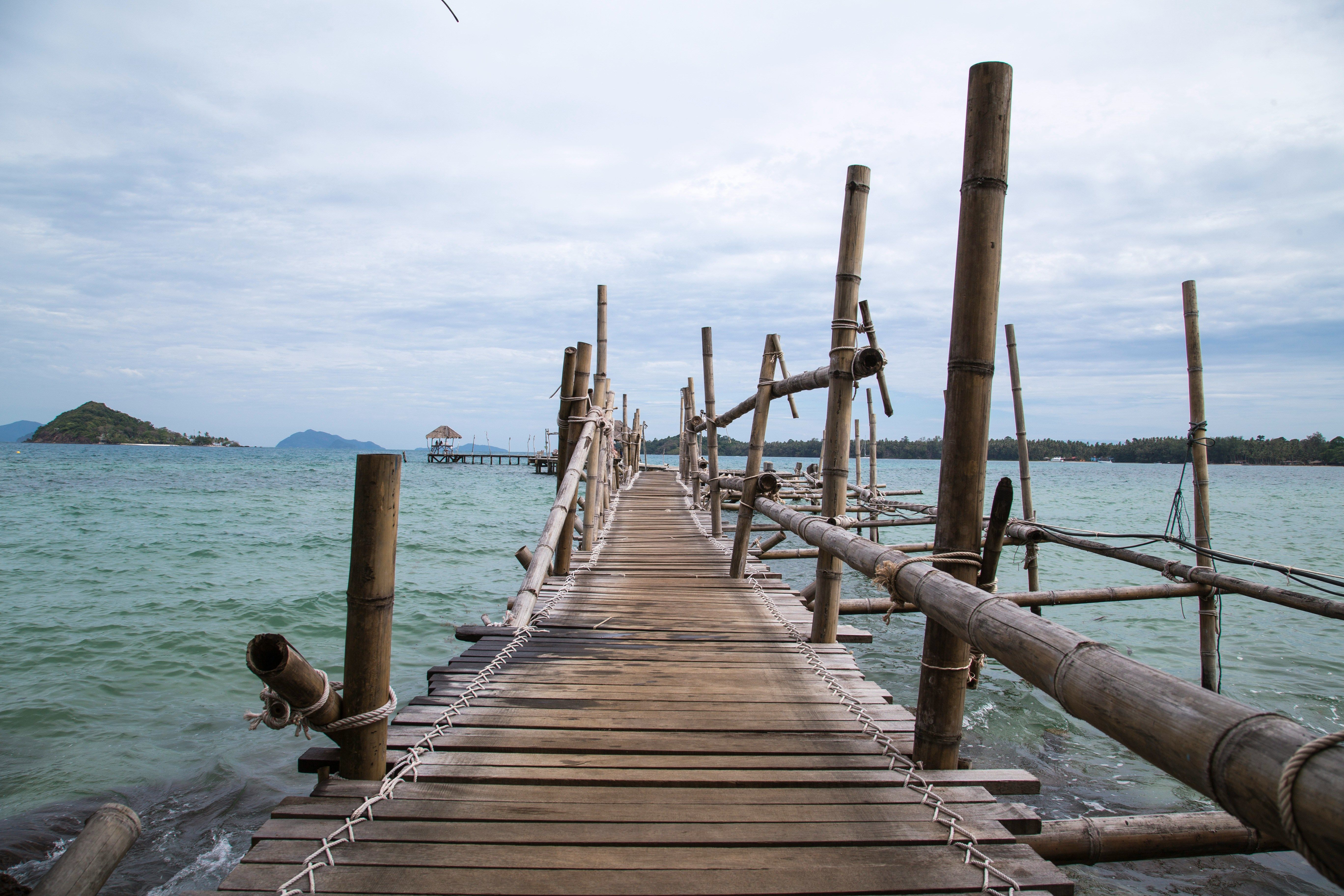
In contrast, ports in parts of Southeast Asia can be much more basic, particularly on island routes. In destinations like Thailand or Bali, the ferry terminal is located at what may simply be a sign by a basic pier, with limited facilities. It's therefore important to check what to expect in advance and allow extra time, especially if you're traveling from smaller ports.
Examples of popular Asian ferry ports and their amenities:
| Port | Amenities include |
| Osaka | - Waiting areas - Shops - Restaurants - Restrooms |
| Hong Kong Macau | - Waiting lounges - Tourist office - Travel agencies - Shops - Dining options - Banks - Parking - Luggage storage |
| Bali (Padang Bai) | - Basic waiting areas - Small stalls selling drinks/snacks - Ticket booths - Restrooms |
Here are some things we'd recommend checking before you head to your departure port:
Access to ports varies depending on the location, so make sure you check the ferry port address and plan your route in advance. In destinations like the Amalfi Coast or some of the Greek Islands, ferry terminals are usually catered to foot passengers, with limited vehicle access. On the other hand, major terminal buildings in the UK and Europe — such as Dover ferry port facilities — are designed for vehicles too. Look out for signs directing you where to go, or speak to port staff if you're unsure.
Ferry terminals across the UK and Europe usually have clear signs in English throughout the terminal building, so you don't need to worry about a language barrier. However, in other less touristy destinations inland or in Asia, signs may not be in English, so it may be worth learning some common phrases or allowing extra time for your journey.
It's worth checking in advance what ferry terminal facilities you can expect at your departure port. A ferry port facilities map, available on most port websites, can be a helpful tool for planning ahead. If you're traveling from a remote destination or an island in Southeast Asia, there might not be any amenities at all, so you may need to bring your own drinks and snacks and make a restroom stop before you arrive.
Check-in times vary greatly depending on the port location. UK and European terminal buildings often have more structured check-in requirements, with passengers usually having to arrive 30–90 minutes before departure depending on their destination. Smaller ports, such as those in Asia, may not have any check-in requirements at all — you can often just show up, present your ticket, and board.
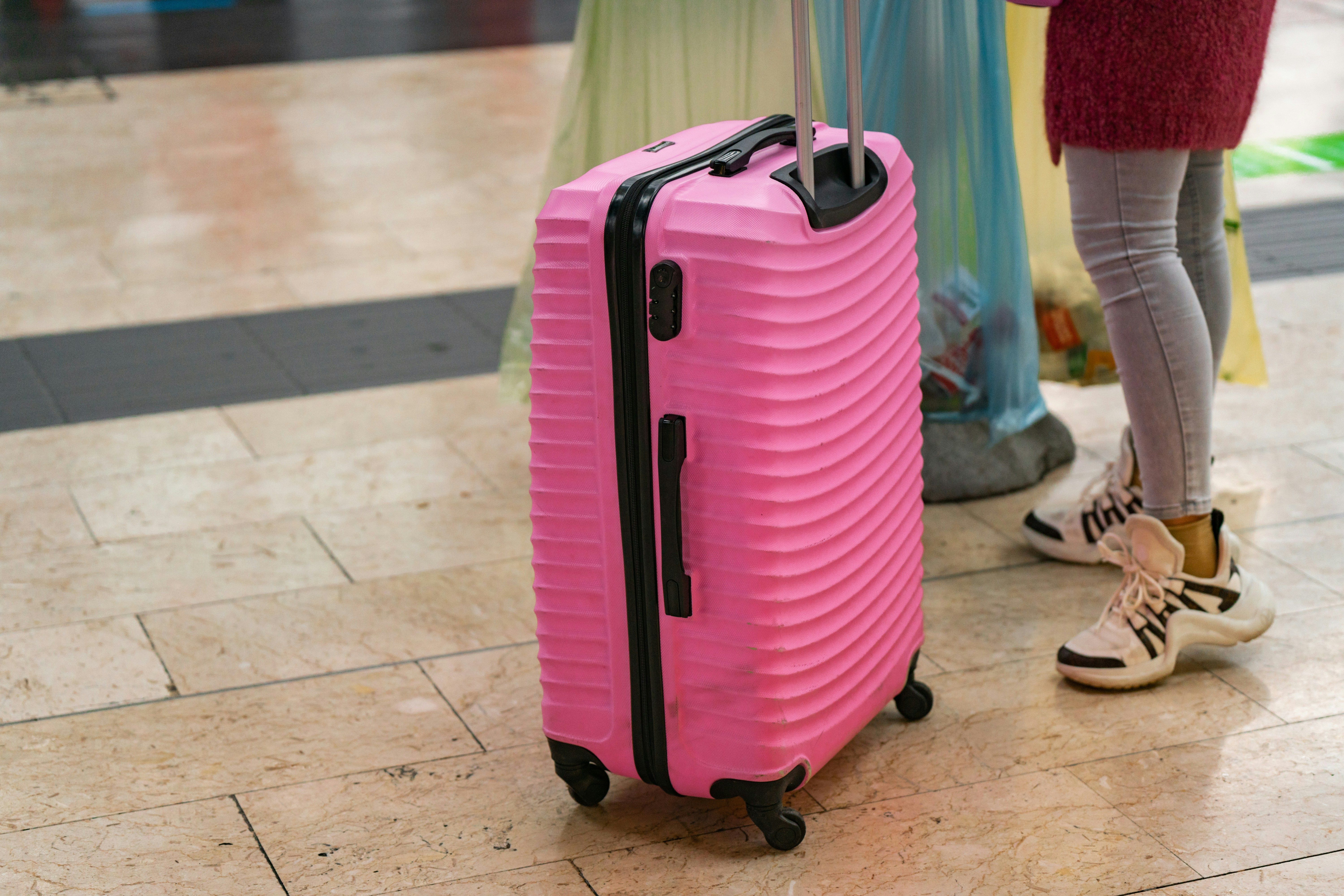
Depending on your route, luggage handling can vary significantly. At some UK and European ferry terminals, especially on longer or overnight routes, you may have the option to check in larger bags and collect them on arrival. However, on most crossings — especially shorter routes — you'll often keep your luggage with you. If you're traveling with a vehicle, your bags will usually remain in the car during the crossing.
In other parts of the world, such as when traveling between smaller islands in countries like Thailand or Indonesia, luggage handling can be more informal. Bags are often grouped together and loaded onto the boat by crew or port staff.
Whichever route you're taking, it's best to keep valuables and essential items with you at all times.
Make sure you check in advance whether your ferry operator accepts digital tickets or if you'll need to print your boarding pass or exchange your booking for a physical ticket at the port.
In the UK and across much of Europe, digital tickets are widely accepted, although some operators still require check-in at a kiosk or desk inside the terminal building before boarding. In other regions, such as Thailand or Indonesia, it's common to show your booking confirmation and receive a paper ticket at the port.
Depending on the process, you may need to allow extra time before departure to complete check-in or ticket collection.
Here are our top tips to help make your time at the port as smooth as possible:
Arrive in plenty of time
At major ferry terminals in the UK and Europe, check-in times are quite strict, so make sure you arrive with plenty of time to spare. Larger terminal buildings are also busier, so traffic can build up quickly.
Bring your own essentials
Ports with more basic ferry terminal facilities — such as those in Thailand or on more remote Greek islands — may not have places to buy food or drink, or even somewhere to sit. It's a good idea to bring water, snacks, and anything else you might need while you wait.
Dress for the weather
Layers are always a good idea, especially if you're waiting in an air-conditioned terminal building. If your departure point is outdoors, particularly in hotter destinations, sunscreen is a must.
Keep valuables on you
Ferry terminals can be crowded and a bit chaotic during boarding. Use a secure bag and keep important items such as your passport, phone, and tickets on you at all times.
Have documents ready
Boarding can move quickly once it starts. Keep your passport and tickets easily accessible to avoid causing delays.
Pay attention to boarding cues
Announcements aren't always clear — or they may not exist at all at smaller ports — so make sure you stay close to your departure point.
Although ferry terminal facilities and amenities can vary from port to port, most offer basic services such as comfortable seating areas, restrooms, and information desks to help make your departure as smooth as possible.
More routes than anyone else.

Compare fares, times & routes in one place.
Change plans easily with flexi tickets.

Book e-tickets & manage trips in-app.
Live ship tracking & real-time updates.

Top-rated customer support when you need it.