Ferry to Japan
Every crossing in one place
Ferry to Japan
Every crossing in one place






Last Updated: 10/23/2026


More routes than anyone else.

Compare fares, times & routes in one place.
Change plans easily with flexi tickets.

Book e-tickets & manage trips in-app.
Live ship tracking & real-time updates.

Top-rated customer support when you need it.
Ferries to Japan are available with Panstar Cruise, Camellia Line, MOL Ferry, Tane Yaku Jetfoil & Uwajima-Unyu Ferries.
There are approximately 400 daily sailings and up to 2333 weekly sailings to Japan. Please note that ferry schedules can change throughout the year and usually increase during the high season. Take advantage of our deal finder for the latest sailing times and availability.
There are 64 ports in Japan. The most popular port is Hakata (Fukuoka) Port with 5 weekly sailings.
The Busan to Hakata (Fukuoka) ferry sails around 5 times weekly, with a sailing duration of 11 hours 30 minutes. The Busan Hakata (Fukuoka) ferry costs approximately $150 on average. Please be aware that prices do not include booking fees.
The Miyanoura to Kagoshima ferry sails approximately 4 times daily and up to 27 times weekly, with a sailing duration of 2 hours 12 minutes. Miyanoura Kagoshima ferry is $177 on average. Exclusive of booking fees.
Prices will vary depending on number of passengers, vehicle type, route and sailing times. Pricing is taken from searches over last 30 days and exclusive of service fees, last updated October 26.
Yes, there is a car ferry to Japan. MOL Ferry, Uwajima-Unyu Ferries, Shin Nihonkai Ferry, Nankai Ferry & Hankyu Ferry provide car ferries to Japan.
Pets are allowed to travel on ferries to Japan with MOL Ferry & Yaeyama Kanko Ferry.
The price of a ferry to Japan can fluctuate by route, operator and season. Please visit our special offers page for all the best ferry offers available.
Yes, you will need a passport to take the ferry to Japan if you are arriving from another country, including South Korea or China. A valid passport is required for all international ferry routes as part of Japan’s immigration rules, and you may be denied boarding without proper documentation. These Japan passport requirements apply to all passengers traveling by sea, regardless of ferry operator. While Japan does not require visas for many nationalities on short stays, a passport is the essential document needed to enter Japan, and travelers should ensure it is valid for the duration of their trip.
The best time of year to take the ferry to Japan is during spring from March to May and autumn from September to November, when weather conditions are stable and seas are generally calmer. These months coincide with the best time to visit Japan, offering pleasant temperatures, cherry blossoms, and frequent sailings across major Japan travel seasons. Summer can also be a good time for ferry travel, though it does bring higher humidity and occasional storms.
You should arrive at least 60 to 90 minutes early for most Japan ferry departures, as this is the recommended Japan ferry check-in time to complete ticketing, security screening, and baggage drop-off. Passengers are advised to arrive 2 hours prior to their scheduled departure on international routes, such as the Japan to Korea ferry between Hakata and Busan, to allow for immigration procedures and proper Japan ferry boarding. Arriving early is important during busy periods, especially at major ferry terminals like Osaka, Hakata, and Tokyo.
Japan is a popular destination for day trips by ferry. There are many ferry routes available that are perfect for day trips including the Hiroshima to Matsuyama ferry, the Niigata to Ryotsu ferry, the Toyko to Izu Oshima ferry. You can also take a day trip from South Korea to Japan via the Panstar Cruise ferry from Busan to Tsushima.
Book ferry tickets to Japan online with Direct Ferries by using our Deal Finder and compare routes, prices and operators for the best deals.
We recommend you download our app to easily manage your booking and follow your ferry in real time.
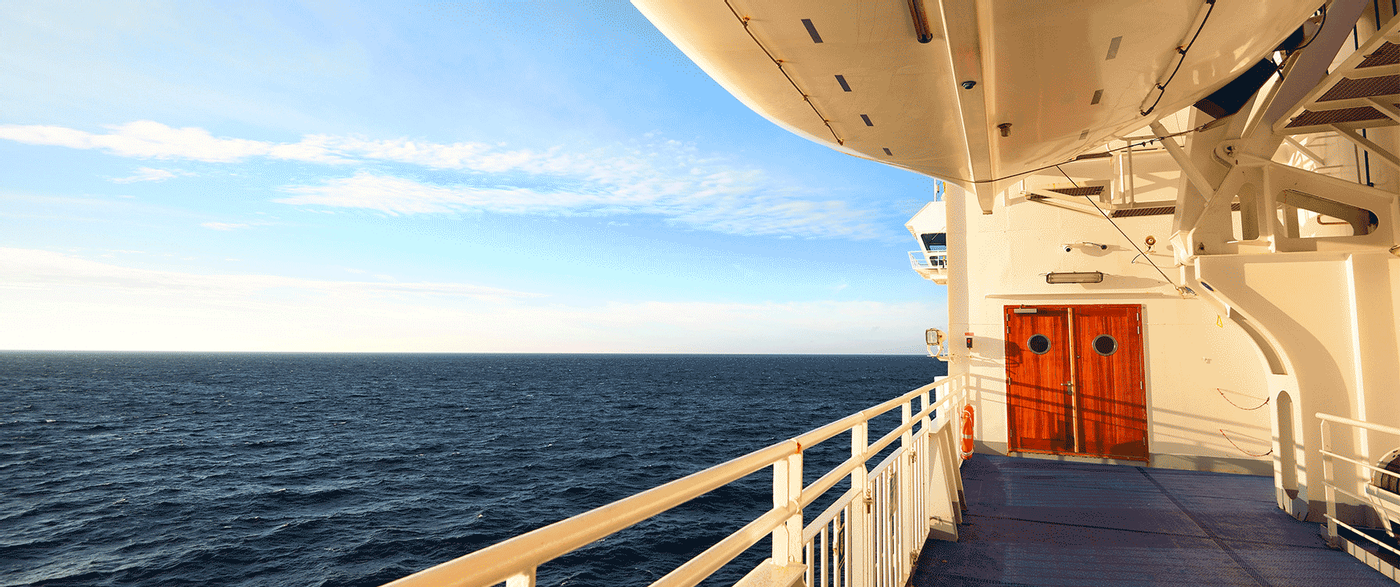
Find out what it's like onboard the ferries before you travel.
Japan, a captivating island nation in East Asia, seamlessly blends tradition with modernity. From the timeless beauty of Kyoto’s shrines and temples to the bustling metropolis of Tokyo, the country showcases a striking balance between history and innovation. Its landscapes range from the iconic peak of Mount Fuji to serene cherry blossom gardens and dense bamboo groves. Japan’s cultural identity is deeply tied to its artistic traditions, from tea ceremonies to sumo wrestling and kabuki performances. Its globally celebrated cuisine, featuring sushi, ramen, and delicate wagashi sweets, is an integral part of its charm. With a harmonious mix of heritage, technology, and hospitality, Japan remains an enchanting destination for travellers worldwide.

10 Best Places to Visit This Fall for Guaranteed Sunshine

The Best Food Markets in Europe
Travel More Sustainably in and out of the UK

Discover Seville: The Complete City Guide

Experience Finland in Autumn

Eating Your Way Through Italy: A City-by-City Food Guide
The Perfect Italy Road Trip

Oktoberfest: The Complete Guide to Munich's Legendary Beer Festival
How to Plan a Holiday to Greece from the US: A Complete Guide

Slow Travel in France: Take the Long Way This Summer