South Korea Ferry Travel Guide
Route Guides
Route Guides


The coastline of South Korea is a marvel of geography, a sprawling peninsula edged with over 3,000 islands, historic harbor towns, and salt-wind villages that have changed little over centuries. Yet for many visitors, this oasis remains largely undiscovered. The country's network of ferries connects the mainland to iconic destinations including Jeju Island, the archipelagos of Wando and Mokpo, and the forested headlands of Goheung.
This guide covers domestic ferry routes across the South Korean coast and islands, plus the essential international crossings — the Osaka to Busan ferry and the Fukuoka to Busan ferry — that connect Korea with Japan.
South Korea's domestic ferry services are the backbone of coastal travel. These are some of the key routes, perfect for travelers keen to explore island life beyond the busy tourist trail.
The Jeju to Wando ferry is the fastest and most frequent connection between Jeju Island and the beautiful Wando archipelago. Hanil Express provides a high-speed service twice per day — the most convenient route for visitors combining Jeju with the lush islands of South Jeolla Province.
Seaworld Express Ferry connects Mokpo, one of Korea's most historic port cities, directly with Jeju Island across the Yellow Sea. The Jeju to Mokpo ferry is a great value route for travelers building a multi-stop coastal itinerary, with scenic views of scattered island throughout the crossing.
With 12 weekly sailings, the Jeju to Samhak ferry is the most frequent connection between Jeju and the Mokpo region. Departing from Samhak Terminal, this service is ideal for flexible travelers who prefer not to commit to a fixed date when buying tickets.
Namhae Gosok Ferry operates this beautifully scenic route from Jeju to Nokdong on the Goheung Peninsula, which is one of the most dramatically green stretches of South Korea's southern coastline. At just 3 hr 40 min, it's one of the shorter crossings on the Jeju circuit and a rewarding alternative to flying.
Hanil Express operates this high-speed crossing from Wando to Jeju, the fastest scheduled domestic crossing available. Two daily sailings mean morning and afternoon options, ideal for day trippers and overnight visitors.
Departing from Mokpo's international ferry terminal, the Mokpo to Jeju ferry offers five weekly sailings, with allocated seating and food services on board.
Running 12 sailings weekly from Samhak Terminal, the Samhak to Jeju ferry is popular with both tourists and South Korean travelers. The high frequency gives you more flexibility in terms of departure times.
A great choice if you're starting your journey on Jeju and want to explore the Goheung and Nokdong coastline before heading north. One of the most scenic ferry routes on the southern coast.
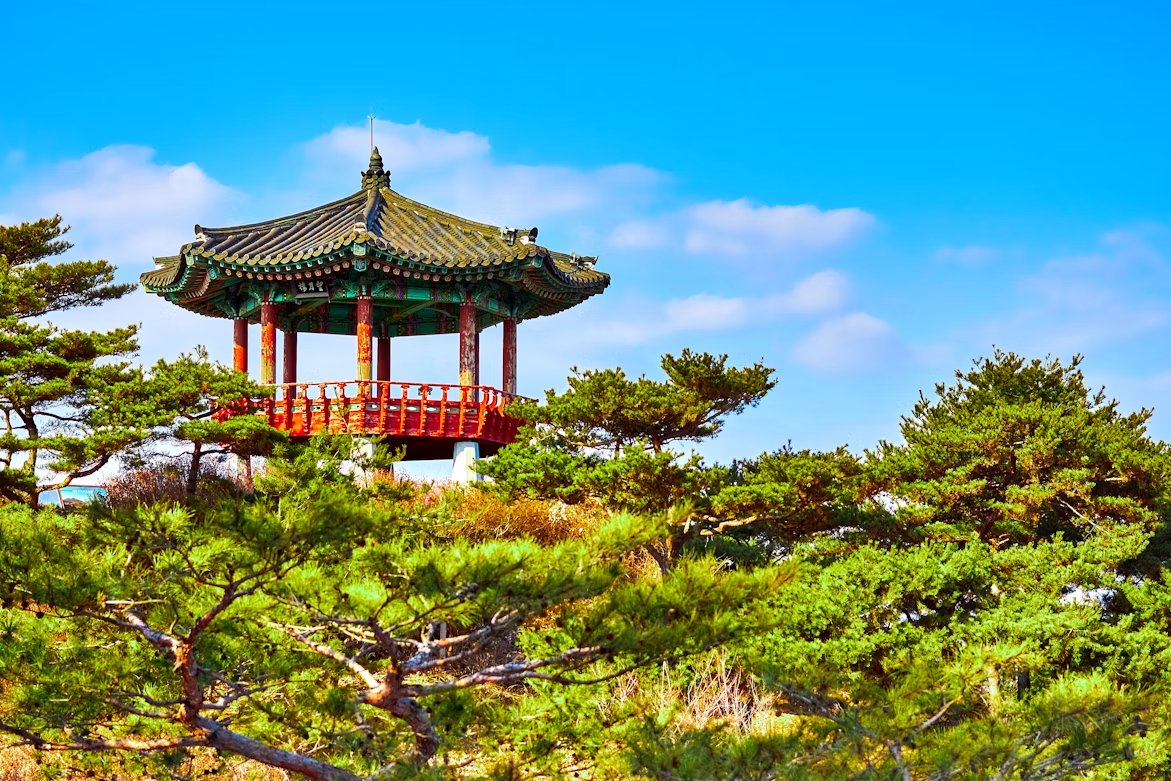
South Korea and Japan are connected by two iconic international ferry routes, offering a compelling alternative to air travel. These journeys provide travelers with striking ocean vistas, comfortable overnight cabins, and the unique charm of arriving at their destination by sea.
The ferry from Osaka to Busan is one of the most popular international crossings in East Asia. Operated by Panstar Cruise, this overnight sailing departs from Osaka International Ferry Terminal and arrives in Busan the following morning. Cabins range from dormitories to private rooms with ocean views. Currency exchange facilities are available on board, and the restaurant serves both Korean and Japanese cuisine.
To discover in more detail about this route, please read our guide on traveling from Osaka to Busan with Panstar.
The ferry from Fukuoka to Busan is the most popular crossing from Japan to South Korea. Hakata Port is located just 200km from Busan, close enough for a conventional ferry to complete the crossing in six hours. The Japan to South Korea ferry price varies by operator and class, but all options represent excellent value compared to flying.
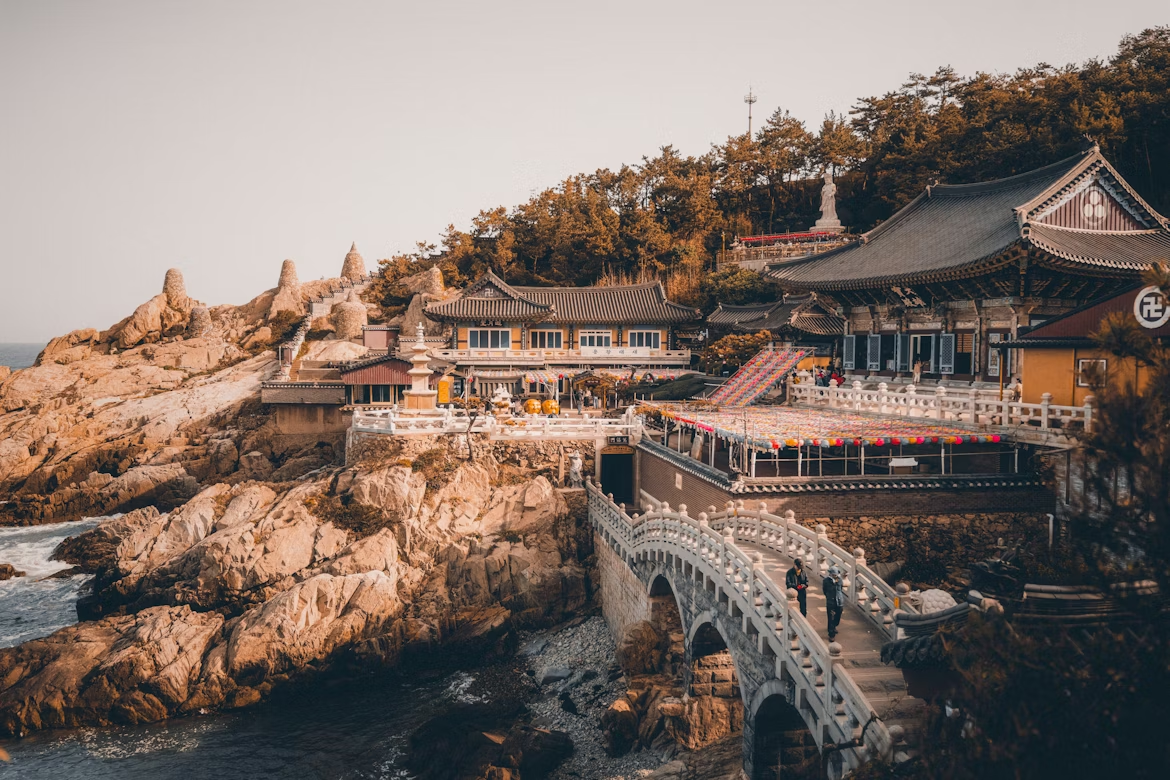
Whether you are traveling for a long weekend or an extended two-week holiday, these itineraries are designed to make the most of South Korea’s ferry network, seamlessly blending island retreats, vibrant port cities, and rich coastal culture into memorable travel experiences.
A classic South Korean itinerary centered on Jeju Island, incorporating ferries from two distinct mainland ports to add variety.
An extensive journey showcasing South Korea’s best ferry routes, from the dynamic harbor city of Busan to the volcanic landscapes of Jeju Island.
Start your adventure in Japan and travel to South Korea via a traditional ferry crossing across the Korea Strait, combining an international voyage with a coastal island adventure.
A concise two-day itinerary from Seoul, ideal for discovering the peaceful islands and camellia forests of the South Jeolla coastline.
For more travel inspiration in the capital, please visit our Seoul travel guide.
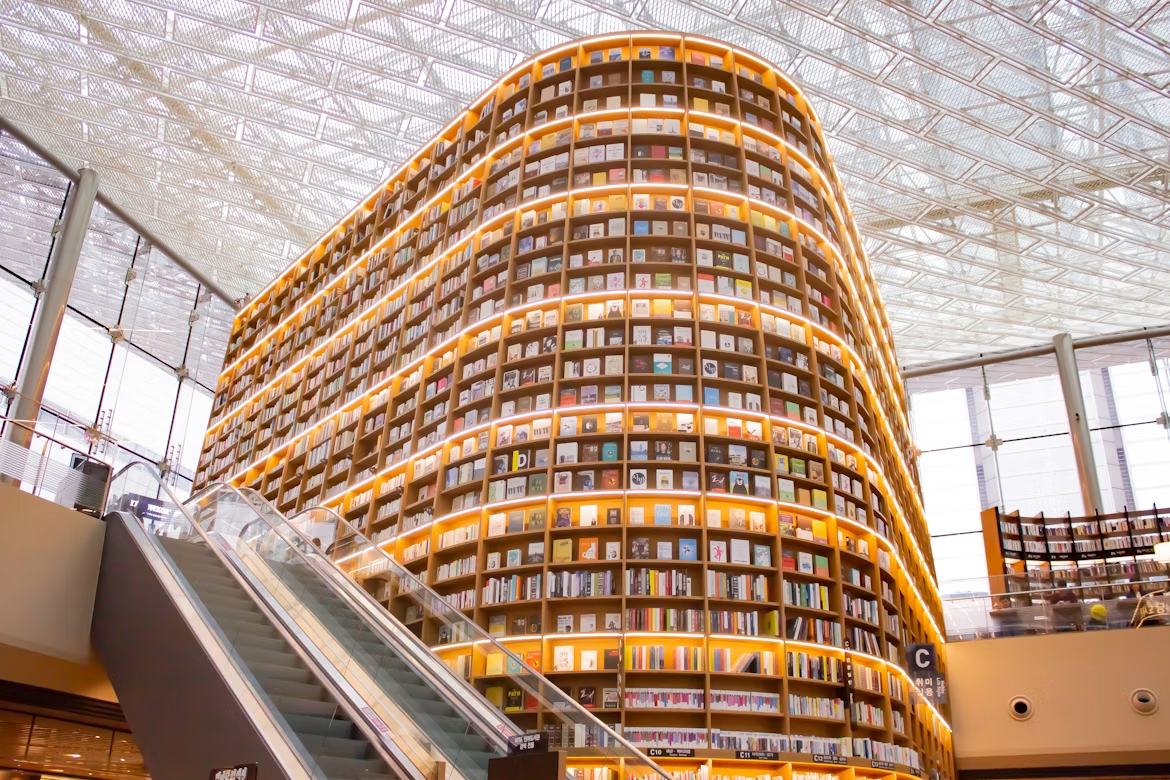
These ports, islands, and coastal cities offer rewarding experiences for travelers who choose to arrive by sea, each revealing its character most vividly when approached from the water.
South Korea’s most celebrated island destination, Jeju is defined by the dramatic presence of Hallasan volcano, striking black lava coastlines, tangerine orchards, and the renowned Haenyeo diving women. The island is accessible via multiple ferry routes from Wando, Mokpo, and Goheung, making it the natural centerpiece of any South Korean itinerary.
Serving as a gateway to hundreds of islands in South Jeolla Province, this region combines natural beauty with maritime connectivity. Bogildo’s Chunsa Camellia Forest is among Korea’s most photographed landscapes, while Wando’s modern terminal operates the Hanil Express high-speed ferry to Jeju with regular departures.
A city rich in historical character, Mokpo features preserved Japanese colonial-era architecture, expansive views over the Yellow Sea from Yudalsan, and a renowned culinary scene. Ferry services operated by Seaworld Express connect Mokpo directly to Jeju Island, establishing it as one of the country’s principal mainland ferry hubs.
This scenic peninsula in South Jeolla Province is distinguished by forested hills and traditional fishing communities. Nokdong serves as the departure point for the Namhae Gosok Ferry service to Jeju, offering one of the most visually striking crossings, with a journey time of approximately 3 hours and 40 minutes.
The second largest city in South Korea is a dynamic coastal hub known for its vibrant port districts, Haeundae Beach, Jagalchi Fish Market, and a skyline that reflects across the water. The international ferry terminal in Busan offers routes from both Fukuoka and Osaka, making it the primary maritime gateway between South Korea and Japan.
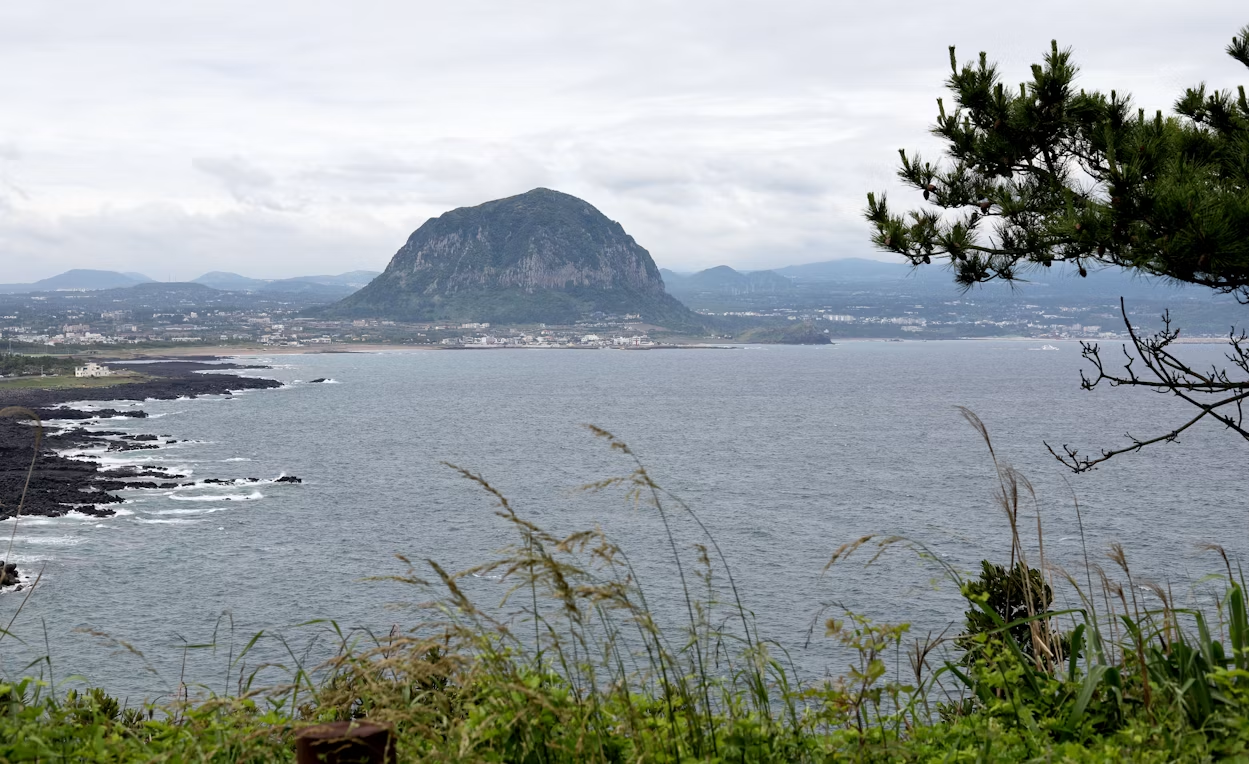
South Korea's ferry services make island hopping blissfully easy. These are just some of the best day trips you can do by ferry.
| Destination | Route | Average Crossing Time | Weekly Sailings | Highlights |
|---|---|---|---|---|
| Bogildo Island | Wando to Bogildo | 40 minutes | Frequent daily departures | Chunsa Camellia Forest, cycling routes, traditional island scenery |
| Udo Island | Jeju (Seongsan) to Udo | 15 minutes | Frequent daily departures | Peanut ice cream, Seopho Beach, views of Seongsan Ilchulbong |
| Dadohae Islands (Heuksando) | Mokpo to Heuksando | 2 to 3 hours | Several departures per week | Volcanic cliffs, sub tropical forest, island archipelago scenery |
| Geomundo (Port Hamilton) | Yeosu to Geomundo | 2 hours 30 minutes | Multiple sailings per week | Camellia forests, historic British sites, coastal landscapes |
| Marado Island | Jeju (Moseulpo) to Marado | 30 minutes | Daily departures | Southernmost point of Korea, lighthouse views, jajangmyeon cuisine |
Ferry travel in South Korea is efficient, well organized, and accessible. Understanding a few key details in advance will help ensure a smooth and enjoyable journey.
The official currency of South Korea is the Korean Won. Currency exchange services are available at major ferry terminals, international airports, and banks. For more favorable exchange rates, bank-operated ATMs are generally recommended over port-side exchange counters.
On international ferry routes between Japan and South Korea, currency exchange services are typically available on board. It is always best to carry some cash for use in smaller island restaurants and local markets, where card payments may not always be accepted.
Sailing durations vary depending on the route, ranging from approximately 2 hours 40 minutes for high-speed services between Wando and Jeju to 18 or 19 hours for overnight crossings between Osaka and Busan. Travelers should always confirm current timetables directly with the ferry operator, as seasonal schedules may apply.
South Korea’s main ferry terminals are modern, well-maintained, and clearly signposted in both Korean and English. Busan International Ferry Terminal serves all routes to and from Japan, whereas Wando, Mokpo, and Nokdong terminals handle domestic sailings to Jeju. Passengers should aim to arrive at least 45 minutes before departure for domestic routes and 90 minutes in advance for international crossings.
Sea conditions in the Yellow Sea and Korea Strait can fluctuate, particularly during winter months from December to February and during the summer typhoon season from July to September. High speed ferries may be suspended during periods of rough weather. Although larger vessels operated by ferry companies are designed for stability, travelers who are sensitive to motion may wish to bring appropriate medication.
Longer sailings typically provide onboard facilities such as cafeterias serving Korean snacks, noodles, and rice dishes. Overnight international crossings offer a wider range of amenities, including full dining options, recreation areas, and various cabin types that range from shared dormitory-style accommodation to private en suite rooms.
The most favorable seasons for ferry travel in South Korea are from April to June and from September to November, when conditions are generally mild and seas are calmer. Spring is characterized by cherry blossoms along the coast and on Jeju Island, while autumn brings vibrant foliage across the landscape. Summer offers warm temperatures but higher humidity and increased visitor numbers.
Exploring South Korea by ferry offers a distinctive perspective on the country’s coastal landscapes and island culture. From short crossings to overnight international voyages, traveling by sea transforms the journey itself into a memorable part of the experience. Book your ferry tickets today and start your adventure the right way.
항상 안전한 항해를 하세요 — May you always sail safely.