Episode 2: A Journey into the Culture of the Seto Inland Sea
Things to do
Things to do


The Seto Inland Sea is celebrated not only for its breath-taking island scenery but also for its deep and fascinating cultural heritage. From the powerful samurai clans of the Sengoku period to the peaceful prosperity of the Edo era and the dynamic cities of modern Japan, each chapter of history has left a unique imprint on the region.
In this journey through Setouchi, we explore the cultural highlights of Hiroshima, Kure, Hatsukaichi and Matsuyama. Each destination offers a different perspective on the traditions, history and everyday life that define the Seto Inland Sea region.
Hiroshima stands as one of the most historically significant cities in Japan. Once a powerful castle town, Hiroshima experienced unimaginable devastation during World War II before rebuilding itself as a global symbol of peace and resilience. Today, visitors can explore the city’s past while witnessing its remarkable transformation into a vibrant and forward-looking destination.
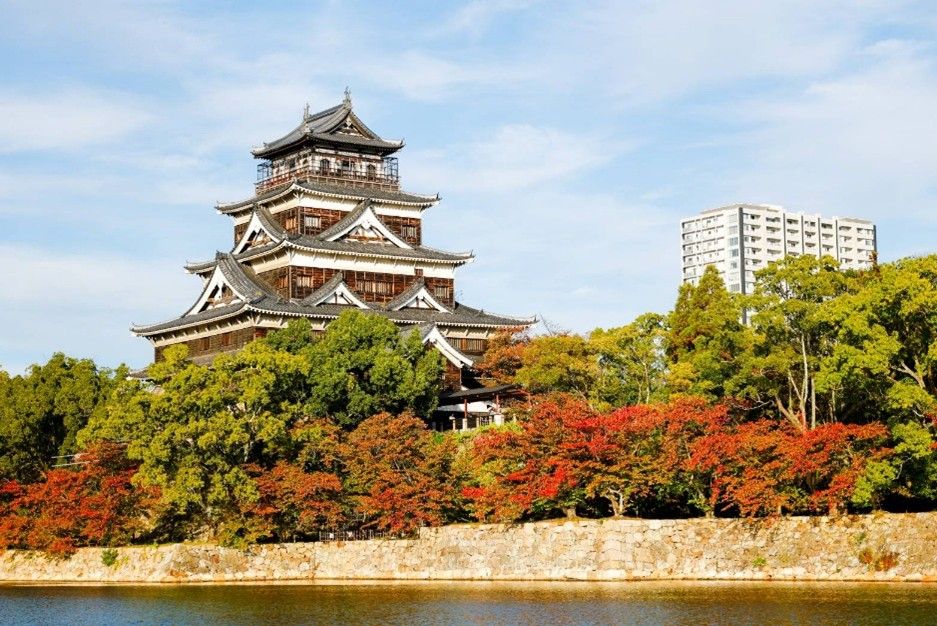
Constructed in the late 16th century by the powerful daimyo Mōri Terumoto, Hiroshima Castle is a classic example of a hirajiro, or flatland castle. Unlike mountain fortresses, it was strategically built within the plains to govern the surrounding region.
From the reconstructed main keep, visitors can admire panoramic views across the modern city while imagining the bustling samurai town that once surrounded the castle grounds. As an introduction to Japan’s feudal era and the dramatic conflicts of the Warring States period, Hiroshima Castle offers both historical insight and a beautiful setting for exploration.
The Atomic Bomb Dome is one of Hiroshima’s most powerful landmarks. Preserved in its ruined state since the events of 6 August 1945, it serves as a stark reminder of the destructive force of nuclear warfare.
Recognized as a UNESCO World Heritage Site, the dome symbolizes both tragedy and resilience. Standing beside it offers visitors a moment of reflection and a powerful reminder of the importance of peace.
Nearby, the Hiroshima Peace Memorial Museum provides deeper historical context through moving exhibits, personal testimonies and preserved artifacts. Visitors from around the world come here to understand the human impact of the atomic bombing and to reflect on the importance of global peace.
Fortunately, Hiroshima’s major landmarks are easy to explore within a single day. Thanks to its efficient streetcar system and walkable city center, travelers can comfortably visit these important sites while experiencing the modern culture and energy of the city.
Tokyo Station → Hiroshima Station: approximately 4 hours by Nozomi Shinkansen
Shin-Osaka Station → Hiroshima Station: approximately 1 hour 20 minutes by Nozomi Shinkansen
One of the most enjoyable ways to experience the Seto Inland Sea is by bicycle. The region’s gentle coastal roads, island bridges and relaxed pace of life create the perfect conditions for scenic cycling adventures.
Among these routes, the Tobishima Kaido stands out as a hidden gem for travelers seeking a quieter alternative to Japan’s more famous cycling trails.
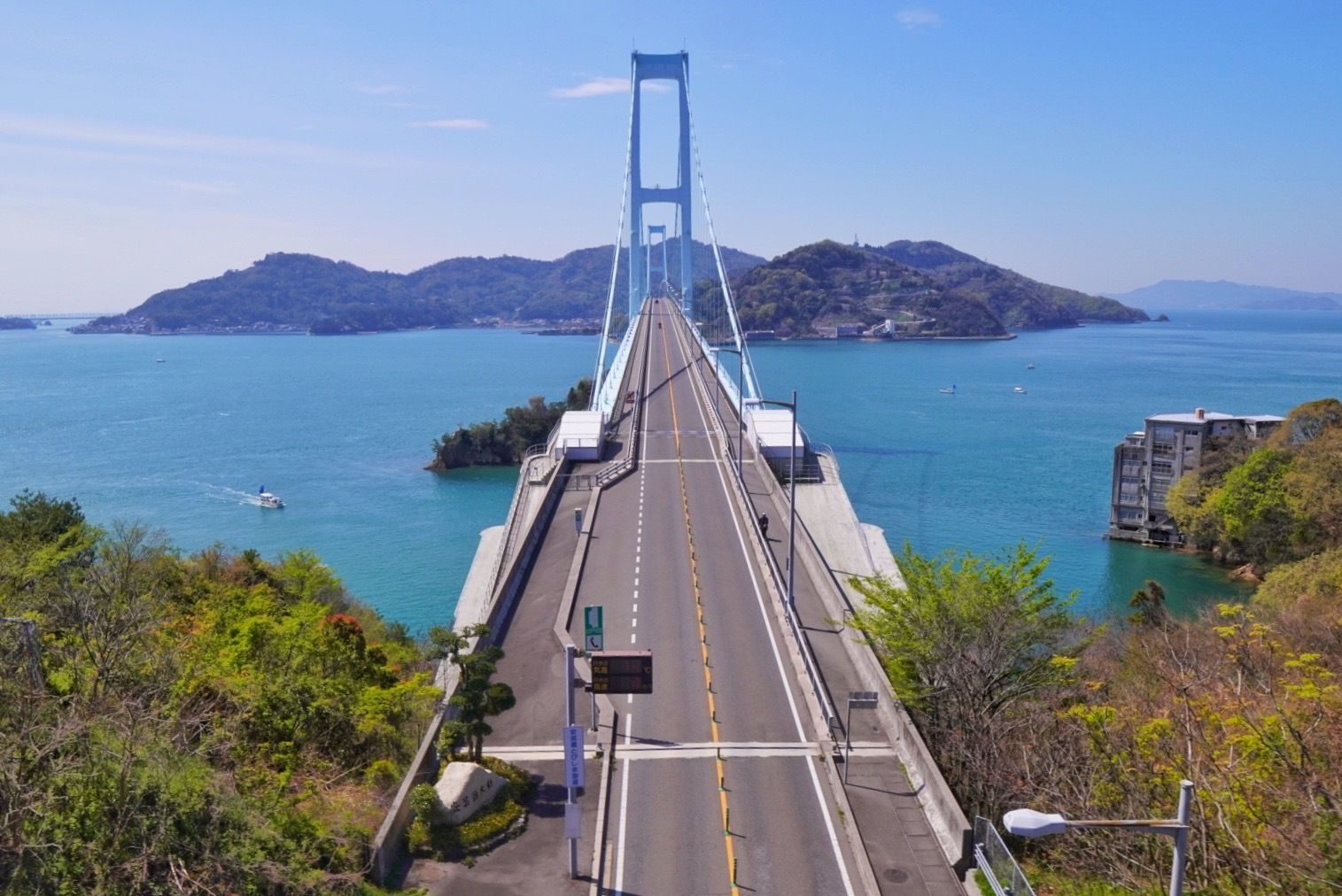
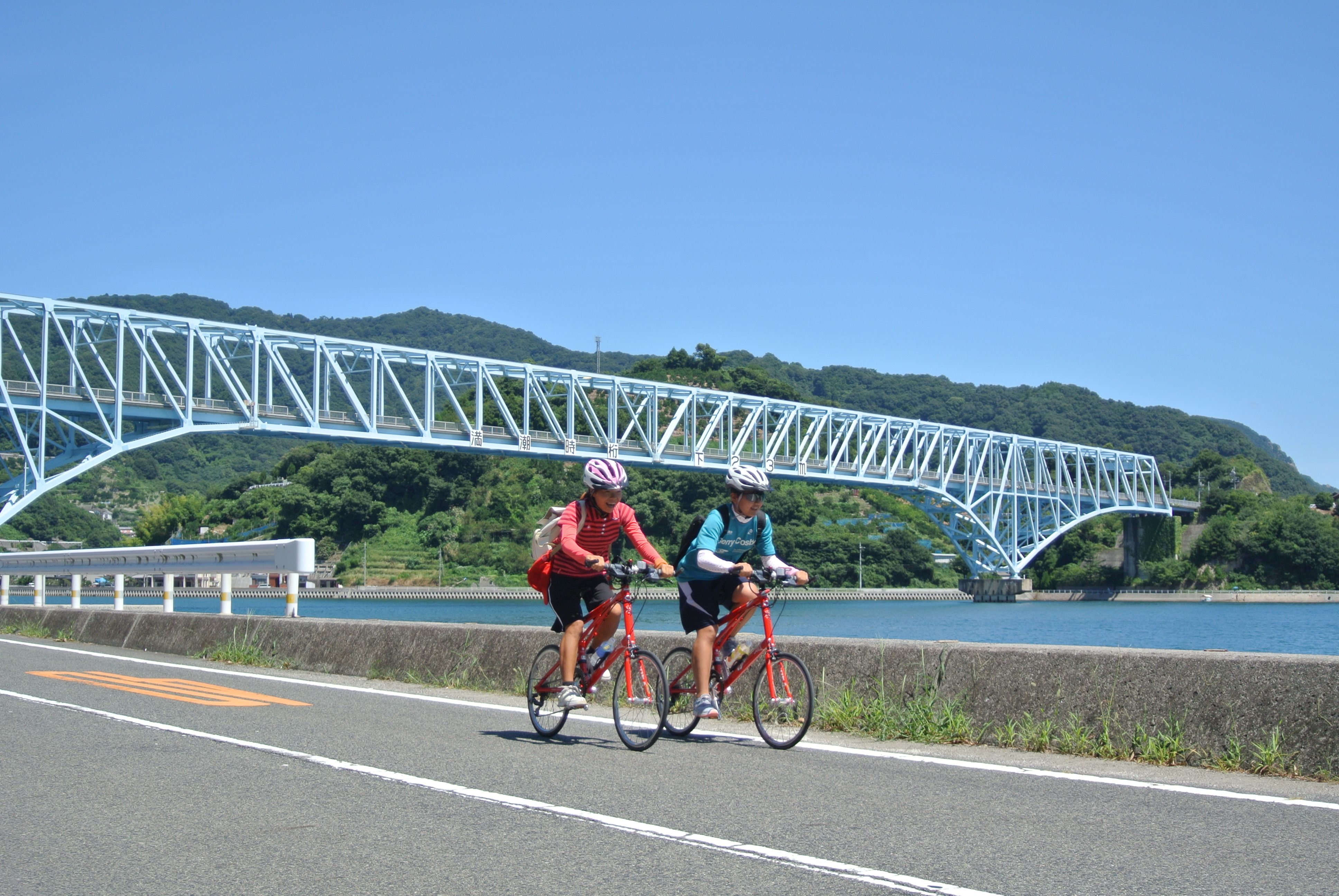
The Tobishima Kaido is a scenic 30 km cycling route linking the port city of Kure with a chain of islands via elegant bridges. With relatively gentle inclines and quiet roads, it is suitable for both beginner and intermediate cyclists.
Much of the route runs directly alongside the sea, offering uninterrupted views of the calm waters and island landscapes that define the Setouchi region. Along the way, small fishing villages provide inviting stops where travelers can sample local citrus fruits, enjoy fresh seafood, or simply relax in seaside cafés.
Compared with the more famous Shimanami Kaido, the Tobishima Kaido remains pleasantly uncrowded. For many international travelers, this peaceful route provides a more authentic glimpse into rural island life in Japan.
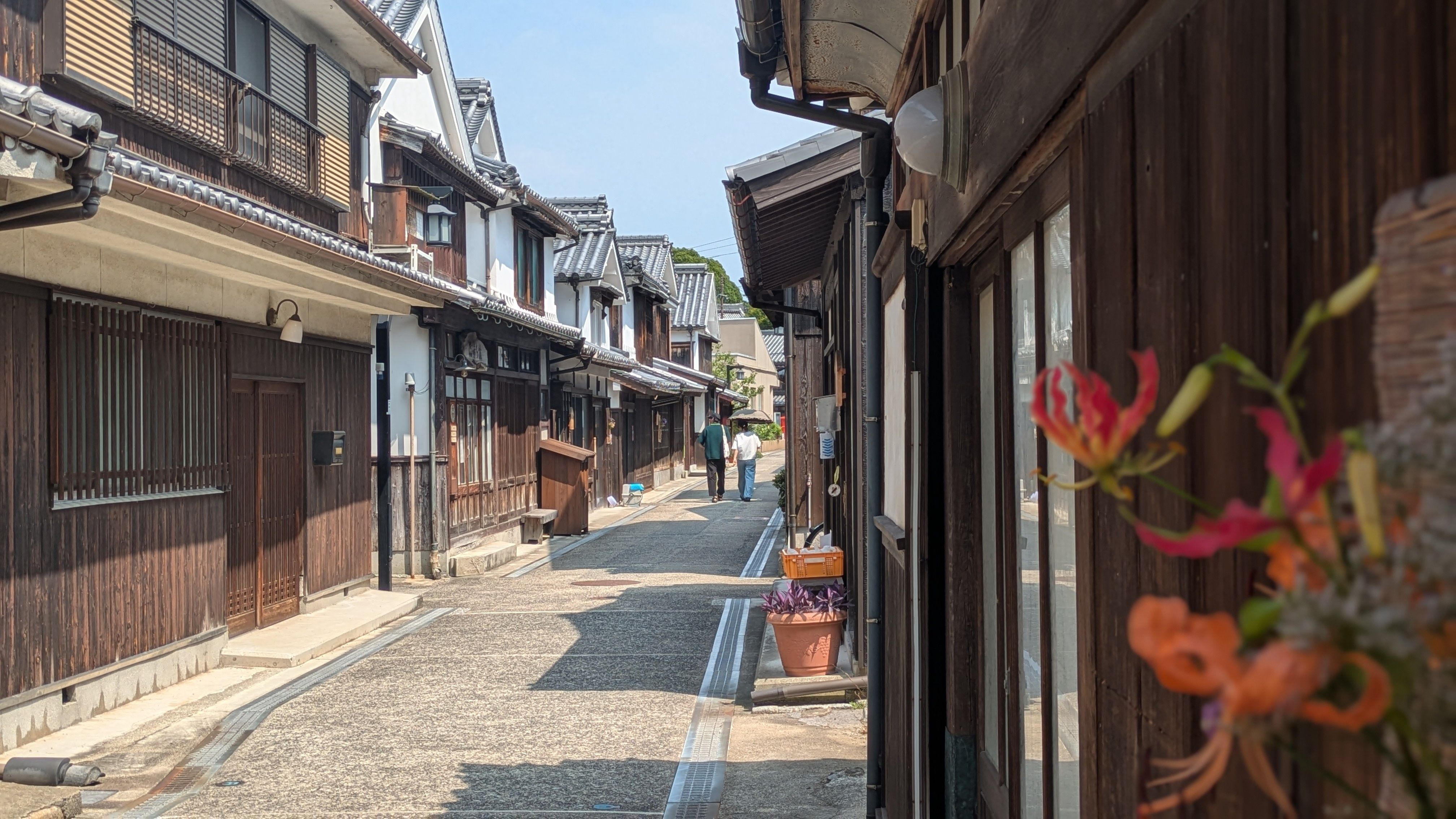
One of the most rewarding stops along the Tobishima Kaido is the Mitarai Preservation District. During the Edo period, this port town flourished as a key stop for ships waiting for favorable winds and tides before continuing their journeys.
These days, the district remains remarkably well preserved. Narrow stone streets, traditional merchant houses and waterfront buildings transport visitors back in time, offering a rare glimpse into Japan’s maritime past.
Cyclists who pause here often find themselves lingering longer than planned, wandering quiet alleyways, photographing historical architecture and soaking up the atmosphere of a town that feels beautifully untouched by mass tourism.
Japan’s Warring States period was an era defined by conflict, ambition and powerful regional warlords competing for control of the country. Among them emerged one of the most remarkable figures in Japanese history: Toyotomi Hideyoshi.
Rising from humble peasant origins to become the unifier of Japan, Hideyoshi’s life story is one of extraordinary determination and political brilliance. Around Hatsukaichi and nearby Miyajima Island, visitors can explore several locations connected to his legacy.
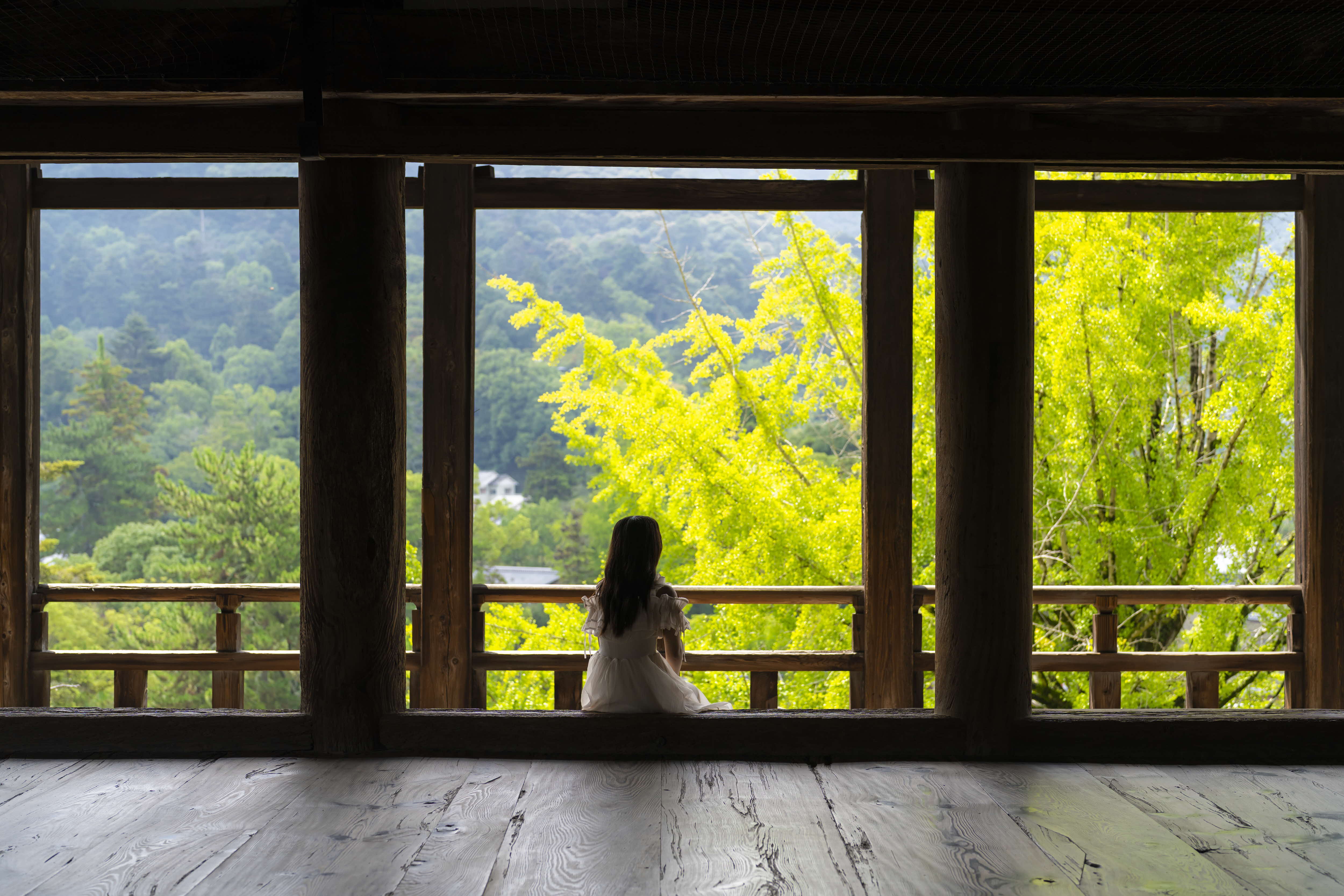
Located on Miyajima Island, Toyokuni Shrine—commonly called Senjokaku, meaning “Pavilion of 1,000 Tatami Mats”—was commissioned by Hideyoshi as a grand Buddhist hall dedicated to fallen warriors.
Although construction was never completed after his death, the vast wooden structure remains impressive. Its open architecture allows sunlight and sea breezes to flow through the building, while the elevated platform offers sweeping views of the Seto Inland Sea.
Visiting Senjokaku provides a powerful sense of the ambition and scale that defined the samurai era.
Miyajima is famous for producing rice paddles, known as shamoji. At the Etto Miyajima Exchange Center, visitors can see an enormous decorative paddle celebrating this longstanding local craft.
During the samurai period, the word “shamoji” was associated with the phrase “scooping up victory,” making rice paddles popular good-luck charms among warriors. Today, they represent a charming blend of regional tradition and historical symbolism.
The Seishin-tsurii Well dates back to the early Edo period and was dug by the monk Seishin. At a time when fresh water was scarce on the island, this well played a crucial role in supporting the local community.
Nowadays, it stands as a reminder of the quieter but equally important figures who shaped the everyday lives of people during Japan’s transition into a more stable and peaceful era.
The nearby monument dedicated to Monk Seishin honors his contribution to the island community. While the history of the samurai often focuses on dramatic battles and powerful leaders, sites like this remind visitors of the individuals whose humble efforts helped sustain society.
The city of Matsuyama offers yet another perspective on Setouchi culture. Here, modern literature intersects with one of Japan’s most important spiritual traditions: the Shikoku pilgrimage.
The Saka no Ue no Kumo Museum explores the story behind Ryōtarō Shiba’s famous historical novel Clouds Above the Hill. Designed by renowned architect Tadao Ando, the museum’s striking modern architecture complements its engaging exhibits.
Through photographs, artifacts and multimedia displays, visitors can gain insight into Japan’s rapid transformation during the Meiji era as the nation modernized and emerged onto the world stage.
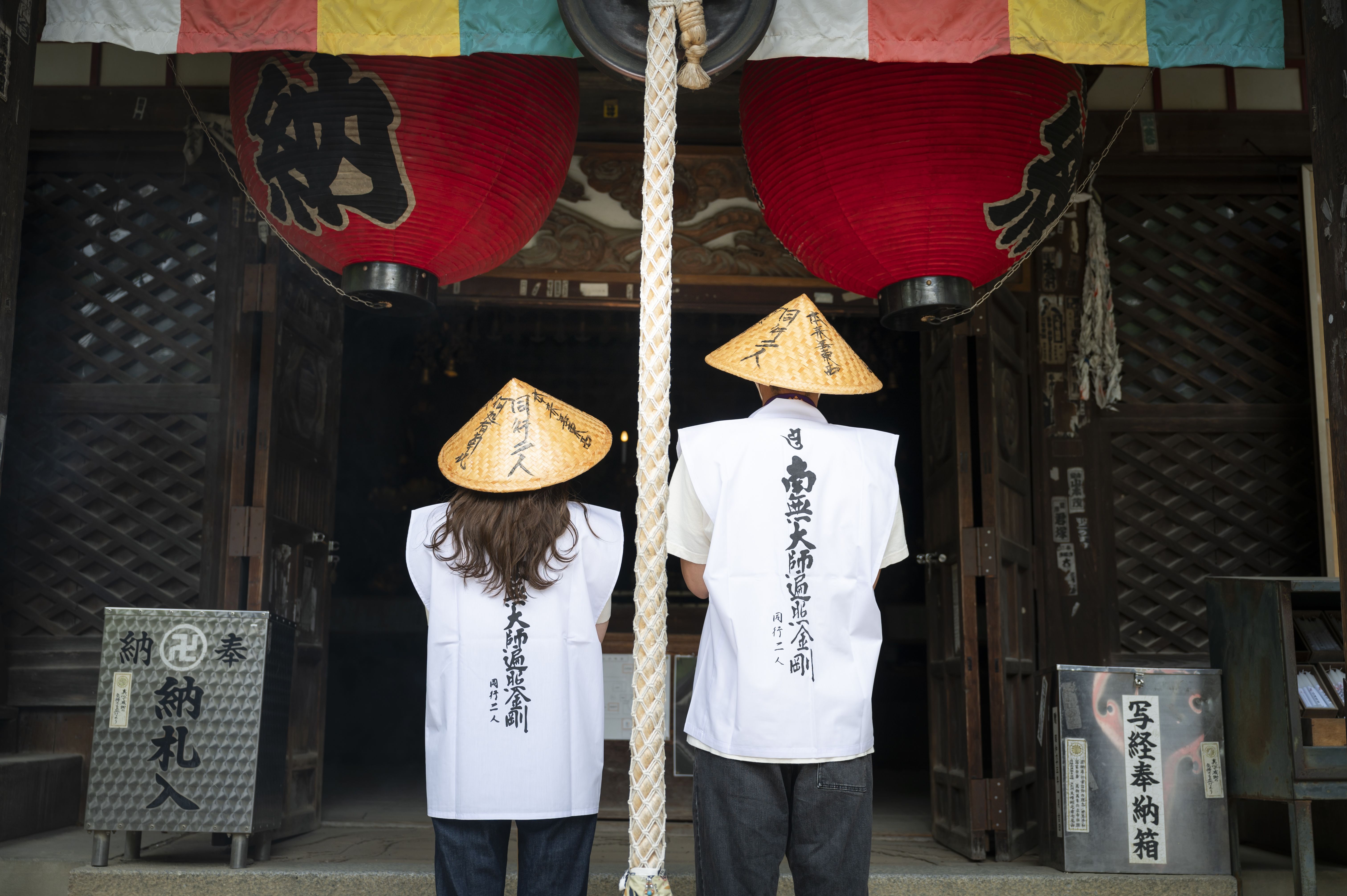
Ishite-ji Temple is the 51st temple along the sacred Shikoku 88-temple pilgrimage, one of Japan’s most important spiritual routes.
Visitors can experience a small part of this centuries-old pilgrimage tradition. Some even choose to wear the white robes and carry the walking staffs associated with pilgrims as they explore the temple grounds.
The atmosphere here is deeply spiritual, offering a quiet contrast to the more historical and cultural sites found elsewhere in the region.
Tokyo Station → Matsuyama Station: approx. 3 hours 20 minutes by Shinkansen to Okayama, then 2 hours 40 minutes by Shiokaze Limited Express
Shin-Osaka Station → Matsuyama Station: approx. 50 minutes by Shinkansen to Okayama, then 2 hours 40 minutes by Shiokaze Limited Express
Shin-Osaka Station → Hiroshima Station: Take the Shinkansen Nozomi to Hiroshima (approx. 1 hour 20 minutes), then transfer to a high-speed ferry to Matsuyama Tourist Port (approx. 1 hour 20 minutes).
From historic castles and traditional port towns to sacred temples and powerful memorials, the culture of the Seto Inland Sea is best experienced firsthand.
Each destination reflects a different chapter of Japanese history, yet they are all connected by the calm waters and island landscapes of the Seto Inland Sea.
On your next journey through Setouchi, take time to look beyond the scenery. Walk the historic streets, meet the communities that live there, and discover the stories that quietly flow through this remarkable region.