Episode 1: A Spiritual Journey of History and Healing in the Setouchi Region
Things to do
Things to do
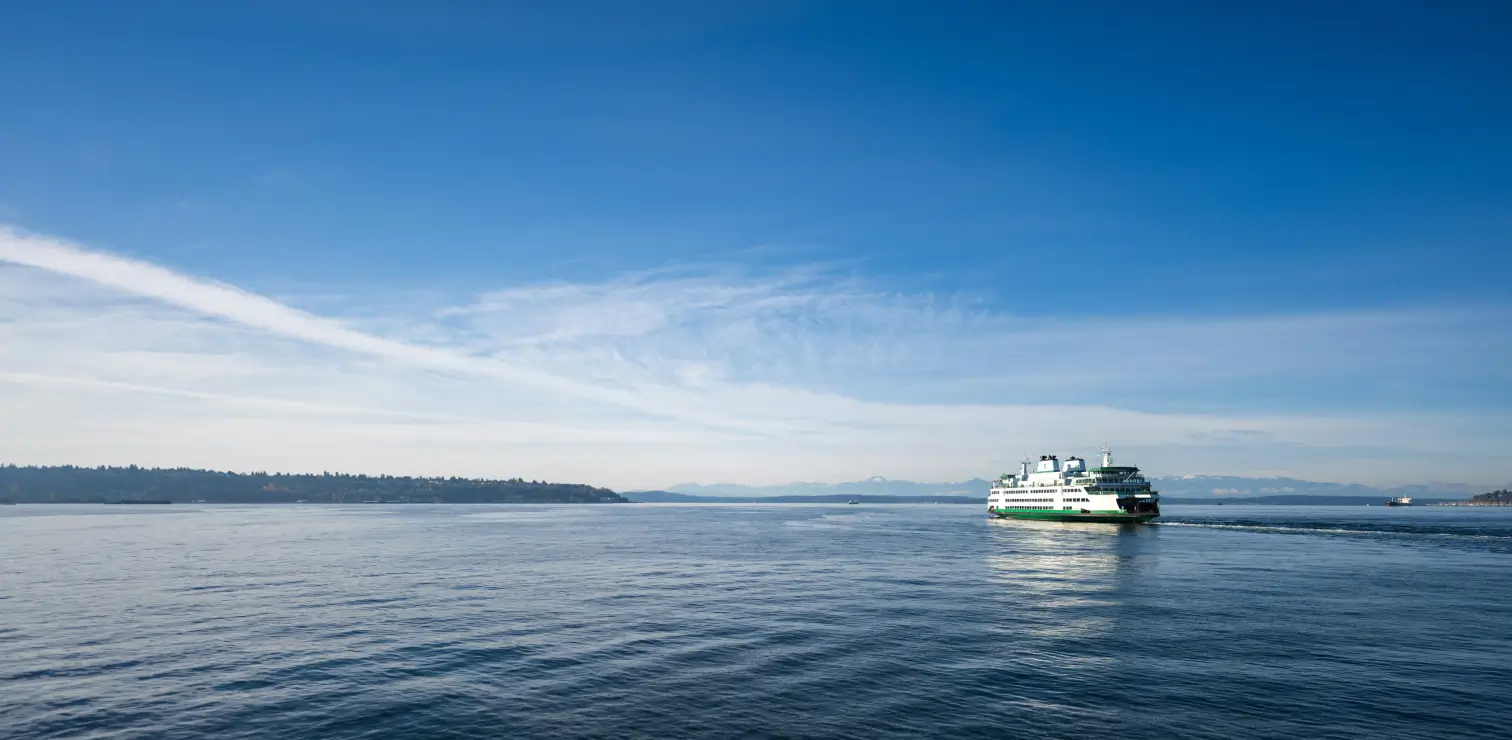

The Setouchi region (the Seto Inland Sea) offers a unique opportunity to experience breath-taking sea views, rich history, and spiritual moments—all in one trip. Feel the gentle sea breeze as you explore places where ancient traditions continue to shape daily life. Visiting the Setouchi region is the perfect way to escape everyday routines and reconnect with yourself through travel.
A port town with a rich maritime and military history, Kure was once a key hub for naval operations and shipbuilding. The area is dotted with former military islands and historic remains that provide a glimpse into Japan’s pre-war and wartime past.
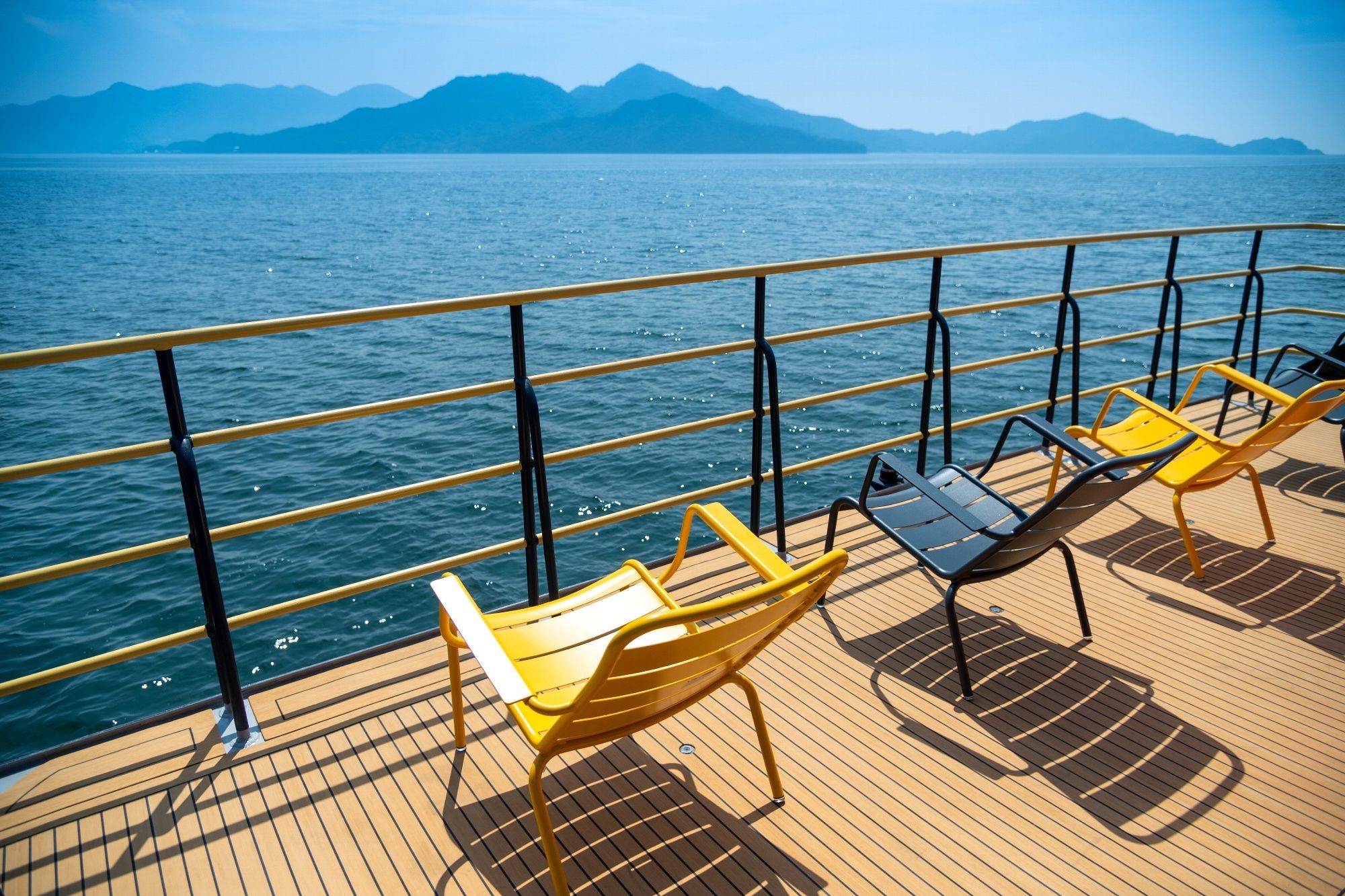
If you’re in search of a unique cruise experience, head to the harbor lined with historic vessels and step aboard the sightseeing boat SEA SPICA. From the deck, feel the salty sea breeze and watch in awe as submarines and escort ships sail nearby. The deep blue sea, lush green islands, and stone and concrete naval structures create a dramatic landscape for photography. It's an ideal experience not only for history enthusiasts but also for families and couples.
SEA SPICA also offers trips to Okunoshima, known as “Rabbit Island,” where gentle and playful free-roaming rabbits create a delightful experience for visitors. Surrounded by the calm waters of the Seto Inland Sea, the island’s natural beauty and peaceful atmosphere make time seem to slow down, offering visitors a relaxing escape.
Miyajima is a mystical island that beautifully combines historic architecture and nature. Home to Itsukushima Shrine, the island is famous for its vermilion torii gate that appears to float on the sea. The scenery changes with the seasons, creating stunning landscapes that leave a lasting impression. Known as a sacred place since ancient times, Miyajima is filled with a spiritual atmosphere that makes it an ideal destination for reflective travel.
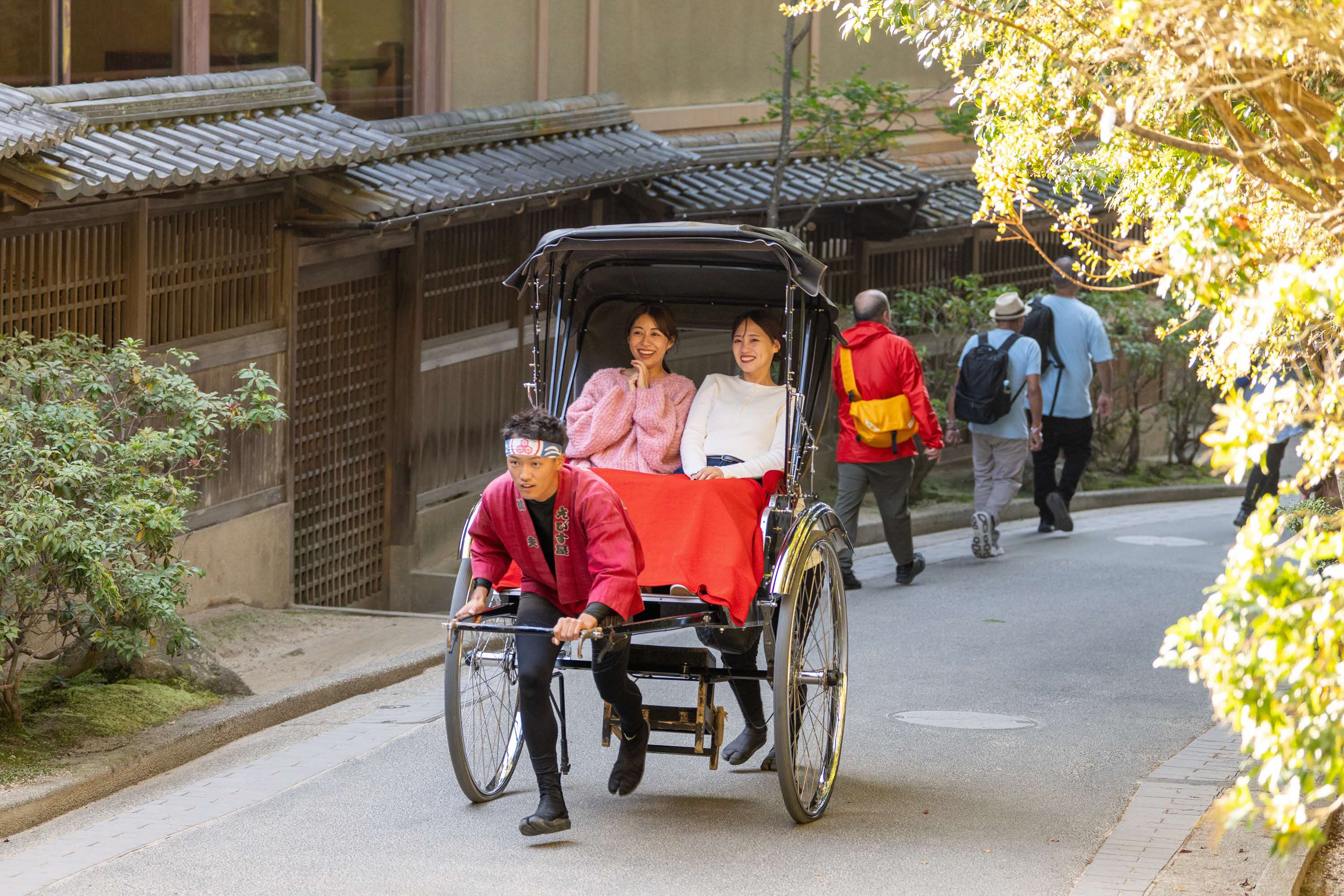
One of the best ways to explore the island is by taking a traditional rickshaw tour. Skilled rickshaw pullers guide visitors past highlights such as Itsukushima Shrine, the Five-Story Pagoda, charming historic streets, and even the island’s friendly deer. Riding leisurely through the island allows you to sit back and relax while noticing small details and hidden views that are easy to miss on foot. It’s a memorable way to experience the area.
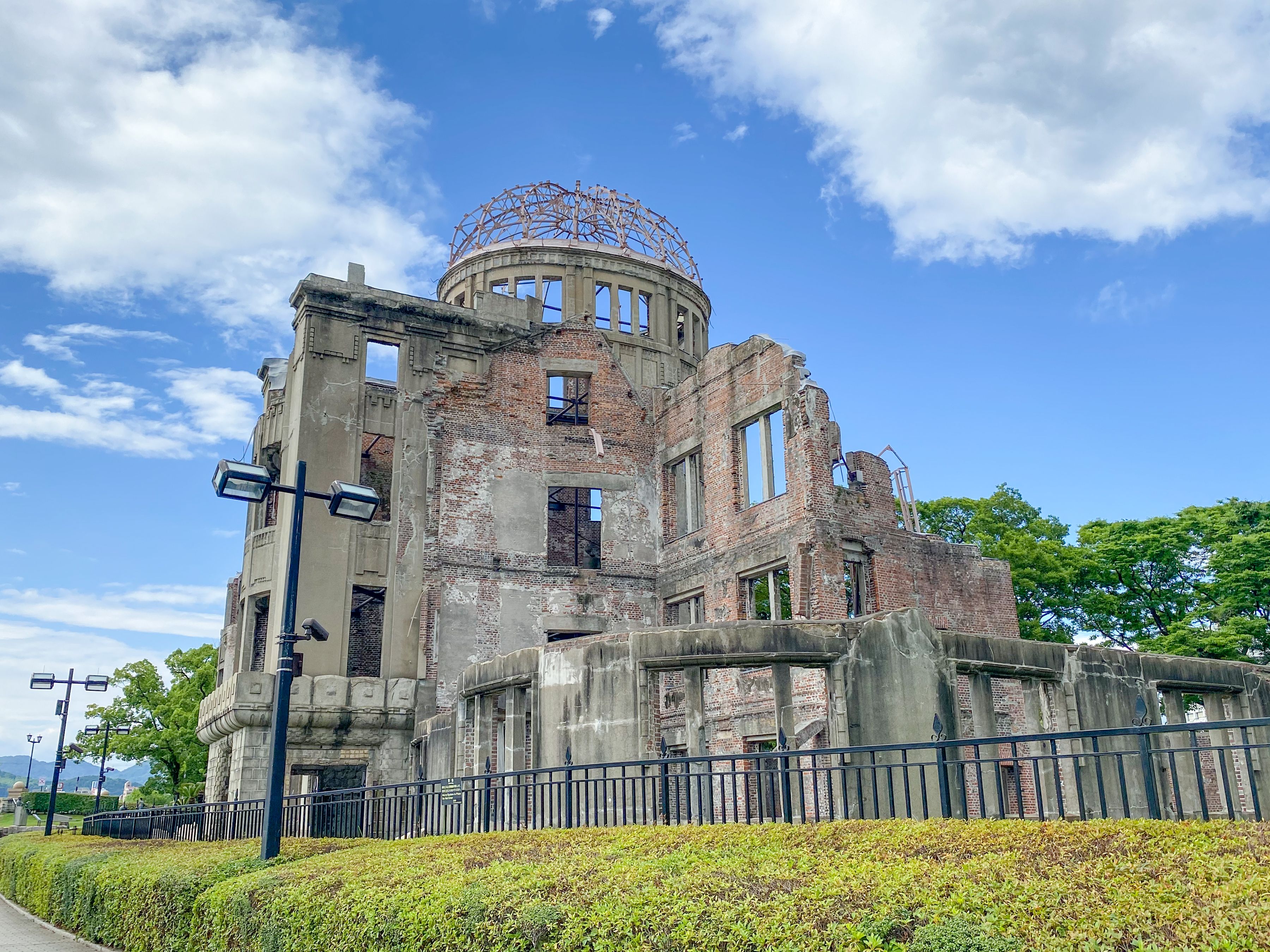
In Hiroshima, visitors have the opportunity to connect deeply with history and reflect on the importance of peace. The Atomic Bomb Dome, located in the city center, has remained largely unchanged since the bombing and is now a UNESCO World Heritage Site. Its silent presence conveys a powerful message about the tragedy of war.
At the Hiroshima Peace Memorial Museum, you can learn about the devastation caused by the atomic bomb and the city’s path toward recovery through exhibits and personal stories. The museum leaves a profound impression and encourages reflection on peace and humanity.
Learning about Hiroshima’s history is a key part of any Setouchi trip. It’s a chance to combine relaxation and reflection. Along with enjoying the sea and hot springs, taking time to explore the city’s past adds deeper meaning to your journey.
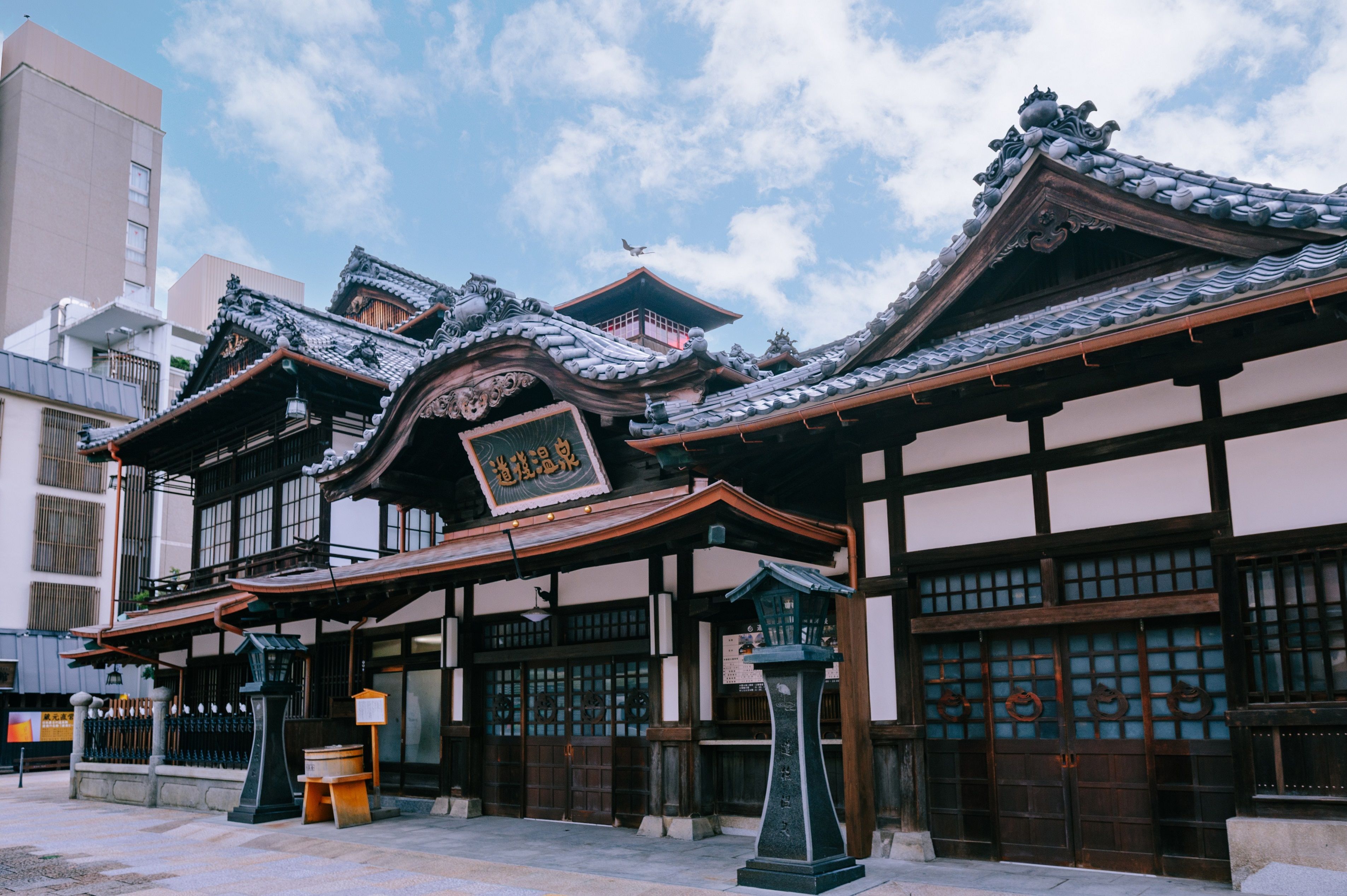
Dogo Onsen is one of Japan’s oldest hot spring areas, a place where history and culture continue to thrive. Just walking through the town evokes a nostalgic atmosphere, with traditional buildings and stone-paved streets that feel like stepping back in time.
Dogo Onsen Honkan sits at the heart of the area, a stunning wooden bathhouse rebuilt in the Meiji era. It is famous as the only hot spring in Japan with a bath reserved exclusively for the Imperial Family. Soaking in its warm waters relaxes both the body and mind, offering a special and almost spiritual form of healing.
The surrounding onsen town should not be missed, with foot baths, historic inns, and charming cafés waiting to be explored. It really is the perfect place to unwind and end your journey feeling refreshed.
| Dogo Onsen Bathing Information | Opening hour | Available time | |
| Honkan | Kami-no-Yu (Ground Floor) | 6:00 - 23:00 (Last entry 22:30) | 60 min |
| Kami-no-Yu 2F | 6:00 - 22:00 (Last entry 21:00) | 60 min | |
| Tama-no-Yu 2F | 6:00 - 22:00 (Last entry 21:00) | 60 min | |
| Tama-no-Yu 3F Private Room | 6:00 - 22:00 (Last entry 21:00) | 90 min | |
| Asuka-no-Yu | Bath 1F | 6:00 - 22:00 (Last entry 21:00) | 90 min |
| Large Hall 2F | 6:00 - 23:00 (Last entry 22:30) | 90 min | |
| Private Room | 6:00 - 22:00 (Last entry 21:00) | 90 min | |
| Tsubaki-no-Yu | 6:00 - 23:00 (Last entry 22:30) | 60 min | |
(Hours and usage times are subject to change. Please check the latest information before visiting.)
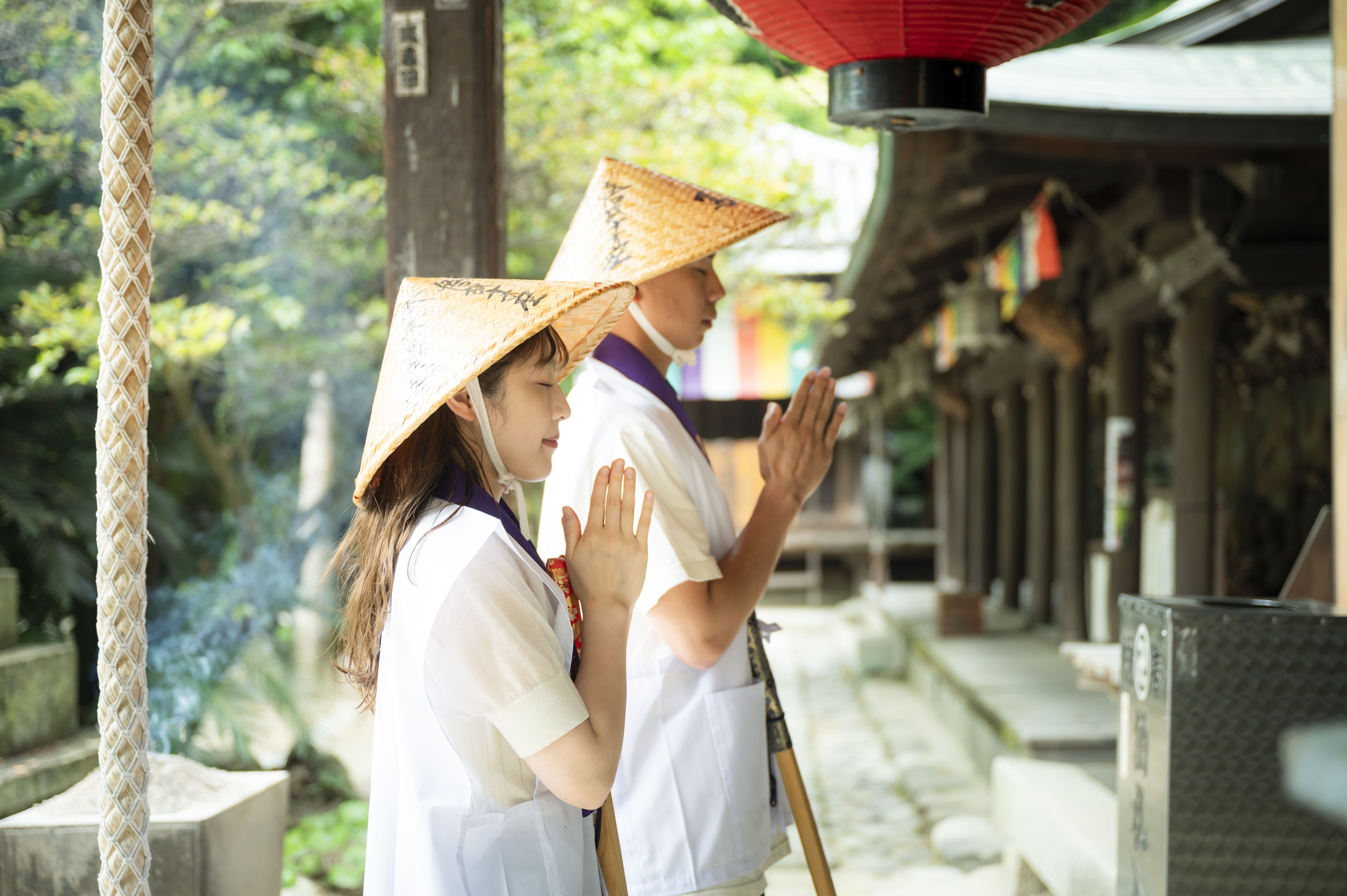
After relaxing at Dogo Onsen, you can continue your journey of reflection. About a 25-minute walk from the onsen area, you'll find Ishite-ji Temple, the 51st temple of the Shikoku 88 Temple Pilgrimage, long cherished by pilgrims.
This guided walking pilgrimage experience allows you to listen to audio commentary while exploring historic sites, local scenery, and neighborhood streets along the way. The gentle walk after soaking in the hot springs strikes the perfect balance of movement and reflection.
The tranquil atmosphere and unique Shikoku landscapes along the route create a deeply spiritual experience where time seems to slow down. This walking pilgrimage adds another layer of calm to your journey, making it the perfect ending to a trip filled with history, nature, and healing.
Traveling by ferry is highly recommended. Crossing the Seto Inland Sea while enjoying the beautiful scenery is a highlight in itself. Setonaikai Kisen operates both high-speed ferries for quick travel and cruise ferries for a more relaxed journey, giving you several options depending on your travel preferences.
It takes around 30 minutes by train or bus to JR Matsuyama Station from Matsuyama Port. Direct buses also operate to the Dogo Onsen area. From JR Matsuyama Station, take the city tram for about 25 minutes as riding the retro streetcar toward the onsen town is a charming experience in itself.