Dublin - Holyhead
Ferries to Wales
Dublin - Holyhead
Ferries to Wales
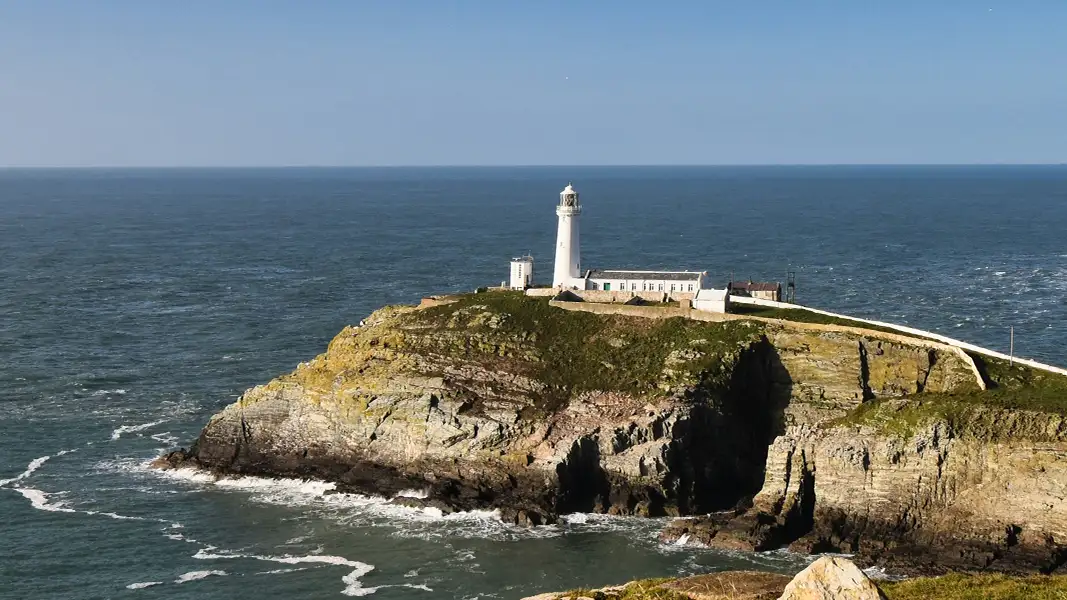
Ferries from Dublin to Holyhead are operated by 2 ferry companies, including Irish Ferries & Stena Line. The crossing typically takes around 3 hours 30 minutes. There are currently 33 weekly sailings on this route, with prices starting from as little as $41. Use our Deal Finder to compare prices and availability, and book your ferry to Holyhead today.


Last Updated: 10/1/2026
The average Dublin to Holyhead ferry ticket costs around $368. Prices typically range from $42 to $607, with the cheapest fares starting from $42. A foot passenger ticket costs around $87 on average. Traveling with a car costs around $436 on average.
Prices may vary depending on passenger numbers, vehicle type, route, and sailing time. Please be aware that pricing data excludes service fees and is based on searches from the last 30 days. This was last updated October 26.
The cheapest tickets on the Dublin to Holyhead ferry cost approximately $41.69. However, prices can reduce to as little as $41.69 in the winter.
Direct Ferries makes it easy to compare ferry tickets and prices worldwide, so you can find the best deal for your journey. Please visit our Special Offers page to see current discounts on selected routes and operators. Booking early is typically the most reliable way to secure lower fares and better availability.
Yes, Direct Ferries offers a range of discounts throughout the year. Where available, senior discounts are applied automatically during the search process: simply select the relevant age range when entering passenger details.
Students and recent graduates can receive a 5% discount on ferry tickets. To claim this, register with our partner Student Beans and verify your student or graduate status. Once confirmed, you'll receive a discount code to use at checkout.
Resident discounts are available on selected routes in Spain and Italy. When applicable, choose the "Residents" option during booking and the discount will be applied automatically. Please note that proof of residence or a valid ID showing the correct address must be presented at check-in.
There are around 33 weekly sailings from Dublin to Holyhead.
Irish Ferries provide 4 sailings daily, 25 sailings weekly. Stena Line provide 4 sailings daily, 26 sailings weekly. Please keep in mind that ferry timetables often increase during the high season.
The first ferry from Dublin to Holyhead usually departs at around 01:15, with the last sailing leaving Dublin Port at approximately 22:30.
Due to the longer crossing time, ferries between Dublin and Holyhead are generally better suited to weekend breaks or longer stays. For ideas on the best things to do in Holyhead, please visit our blog.
The fastest ferry from Dublin to Holyhead is with Irish Ferries in 3 hours 25 minutes.
The fastest ferries from Dublin to Holyhead usually cost around $367.72.
Yes, Irish Ferries & Stena Line allow cars on ferries from Dublin to Holyhead. Use our Deal Finder to view live prices for car ferries on this route.
Here are our top tips for traveling with a car:
Whether you can take a campervan or caravan on the ferry depends on the operator and vessel used for your chosen crossing. Enter your travel details into our search bar to see which operators and vehicle options are available on the Dublin to Holyhead ferry.
For more advice and travel inspiration when taking a car, campervan, or caravan, please visit our blog.
Yes, you can bring your bike on the ferry from Dublin to Holyhead with Irish Ferries & Stena Line. While most operators allow bicycles onboard, we recommend checking individual policies in advance to avoid any complications upon arrival at the port.
Yes, foot passengers are welcome on ferries from Dublin to Holyhead with Irish Ferries & Stena Line.
First class is available on ferries from Dublin to Holyhead with Irish Ferries and Stena Line.
On the Ulysses, James Joyce, and Dublin Swift, the top tier is the Club Class lounge. Club Class access includes:
Club Class typically costs around $24–28 per person each way. It's a genuinely quiet space on the larger ships though it's worth noting seating isn't formally "reserved," so it can fill up on busy sailings.
Stena Line's equivalent is the Stena Plus Lounge, available on the Stena Adventurer and Stena Estrid. It typically includes:
Access is restricted to guests aged 8 and over to keep the space calm. Stena recommends booking in advance, since it's subject to availability and can't always be added once you're onboard.
Yes, you can book cabins on ferries that sail from Dublin to Holyhead with Irish Ferries & Stena Line. The price of a cabin on the Dublin to Holyhead ferry ranges from $64.02 and $1,610.20, with an average price of $368.71. Please note that prices may vary depending on the type of cabin you book.
Cabins are available on the two conventional ships, Ulysses and James Joyce (the fast ferry, Dublin Swift, doesn't offer cabins, since the crossing is much shorter). On Ulysses, cabins are located together on Deck 10, kept away from the busier public decks. Cabin accommodation typically includes:
Stena Line offers cabins on the Stena Adventurer and Stena Estrid, in two main tiers:
Whether an overnight ferry runs between Dublin and Holyhead depends on the operator and timetable. Enter your travel details in our search bar to check if an overnight option is available, alongside current timetables and alternative daytime crossings. Please be aware that overnight crossings can sometimes take a little longer than daytime sailings.
Pets are allowed on ferries from Dublin to Holyhead with Irish Ferries & Stena Line. The average price for traveling with a pet is $366.
Pricing is based on searches from the last 30 days, excluding service fees, and was last updated October 26.
When traveling with your pet on a ferry, you'll usually need:
Where your pet stays on the ferry depends on the operator. Some ferries require pets to remain in your vehicle for the duration of the crossing, while others provide dedicated areas such as pet-friendly cabins, onboard kennels or lounges.
Be sure to check the rules before you travel, as some operators have restrictions on the type or number of pets you can bring. If your route offers cabins, kennels or lounges, we also recommend booking in advance, as these spots tend to fill up fast.
Our Deal Finder shows you all the available options, so you can choose the ferry crossing that best suits you and your pet's travel needs.
Irish Ferries:
Stena Line:
If you're traveling with a guide dog or assistance dog, we recommend informing the ferry operator or our customer service team at the time of booking.
Please ensure you carry all required documentation, as you may be asked to present this during check-in or while onboard.
Even where standard pet travel is not permitted, different rules may apply to guide and assistance dogs. You can confirm the specific requirements for your sailing by reaching out to our customer service team.
The Dublin to Holyhead ferry is one of the most important sea crossings in the British Isles, connecting the Irish capital with the north Welsh coast across the Irish Sea. Although the crossing is relatively short, there is a wide range of facilities onboard to keep passengers occupied throughout the voyage.
The standard option across both operators on this route. Spacious enclosed passenger lounges with fixed or cushioned seating provide a comfortable base for the crossing.
All ferries on the Dublin to Holyhead crossing have open-air deck areas with seating and standing space. The open deck is rewarding in clear, calm conditions, though the Irish Sea has a reputation for being rough and windy outside of the summer months.
Both Irish Ferries and Stena Line provide premium lounges with enhanced seating, a quieter environment, complimentary refreshments, and in some cases priority boarding and check-in facilities. This is a worthwhile upgrade for business travelers who make the Dublin to Holyhead crossing regularly or for families wanting a calmer and less crowded space away from the main passenger decks.
Full restaurant and self-service café facilities are available on both Irish Ferries and Stena Line vessels operating this route, serving hot meals, Irish breakfast, fish and chips, burgers, sandwiches, and a wide range of snacks and drinks throughout the crossing.
Onboard bars serving alcohol, soft drinks, and hot beverages are available on all vessels, along with duty-free retail shops offering perfume, alcohol, confectionery, and tobacco at competitive prices.
All ferries from Dublin to Holyhead accommodate cars, with vehicles loaded onto the lower vehicle decks and passengers directed to the upper passenger decks for the duration of the crossing. Passengers must leave their vehicles once loading is complete and are not permitted to return until the vessel has docked and vehicle deck access is reopened.
Both Irish Ferries and Stena Line vessels include children's play areas, family lounges, and onboard entertainment options, making this one of the better-equipped family crossings on the Irish Sea.
The majority of travelers keep their luggage in their cars for the duration of the crossing, bringing only a bag or personal items to the passenger decks. Foot passengers have access to luggage storage areas in the passenger saloons.
Traveling as a foot passenger between Dublin and Holyhead is a practical and popular option, with good onward rail connections from Holyhead station directly onto the North Wales Main Line towards Chester, Crewe, and London Euston for those continuing their journey into England without a vehicle.
You can get a direct ferry from Dublin to Holyhead. Although flights are available from Dublin Aiport, getting a ferry is one of the easiest and most convenient ways to travel between Dublin and Holyhead.
Depending on the operator you choose, ferries offer much more flexibility, allowing you to bring your vehicle and pet along too. Plus, you can often take more luggage than you usually can on a plane. Traveling by ferry is also a relaxing and scenic experience, so you can arrive in Holyhead feeling refreshed and ready to explore!
How early you need to arrive at Dublin ferry port depends on the ferry company you are traveling with and how you are traveling, so it's always best to check your booking confirmation in advance.
Dublin is easy to navigate with clear signs directing you where to go. However, arriving early is essential for a smooth and stress-free journey, especially during the peak summer months.
As a general rule of thumb, we recommend arriving 45–60 minutes before departure if you're traveling as a foot passenger. If you're bringing a car or campervan, aim to arrive 60–90 minutes in advance to allow time for check-in and vehicle procedures.
Yes, parking is available at Dublin port, so you don't need to worry about leaving your car behind. Most ports offer both short and long-term parking options close to the terminal, although it's a good idea to check availability in advance.
A large car park is located near the main ferry terminal, which is perfect for long stays.
If possible, we recommend pre-booking your space, as port car parks can fill up quickly, especially during the busy summer months or at weekends.
If you're looking for accommodation near the port of Dublin before your journey, be sure to check out our Accommodation page for the best deals and prices. You'll find a wide range of options to suit different budgets and travel styles.
Staying close to the port can make your journey much more relaxing – just wake up and head straight to your ferry! We recommend booking as early as possible to secure the lowest prices and availability, especially during peak travel periods when accommodation can fill up quickly.
Many ferry operators aim to accommodate passengers with reduced mobility, but facilities can vary by ship. For more information, we recommend checking directly with the ferry operator you are traveling with.
Ferries are often equipped with facilities such as step-free access, accessible cabins and toilets and dedicated seating areas. If you require assistance on board, then make sure you let the ferry operator know well in advance, so they make any special arrangements to ensure your journey is as comfortable as possible.
Irish Ferries:
Stena Line:
Luggage allowances on ferries between Dublin and Holyhead can vary depending on the operator. Whilst many ferries don't have strict limits, it's always best to check in advance, as larger or additional items may incur an extra fee. If you're traveling with a vehicle, you'll usually be able to bring more luggage with you.
Ferries to Holyhead from Dublin arrive at Holyhead ferry terminal, located on the Isle of Anglesey in north Wales. From the terminal, taxis and local buses are readily available if you wish to explore the area. For onward travel, Holyhead railway station is just a short walk from the terminal, with regular services to Chester, Birmingham, and London Euston, making it easy to reach destinations across England and Wales. For more information, check out our port guide below.
Travel requirements vary by route, so it's important to confirm which documents you need before you travel. On most international routes, you will need a valid passport to travel from Dublin to Holyhead, and possibly a visa or national ID depending on your nationality and the destination's entry rules.
To avoid delays at check-in, see our Check-in, Travel Documents & Tickets guide and our blog post on traveling to Europe for useful tips.
Booking your Dublin to Holyhead ferry is very simple. Enter your departure and arrival ports along with your preferred travel date to view all available sailings and prices. You can also compare alternative routes and departure times to find the option that best suits your schedule and budget.
Look out for early-booking deals and special ticket types such as upgrades or flexi fares that allow changes or cancellations. To ensure a smooth booking process, always enter accurate passenger numbers and vehicle specifications.
The best time to book ferries from Dublin to Holyhead is as early as possible. Booking in advance often secures lower prices, along with a wider choice of departure times, seating, and cabin options. We recommend booking at least a few weeks ahead, particularly during peak holiday seasons. Prices can vary depending on demand and availability.
If no sailings from Dublin to Holyhead appear on your chosen date, this may be due to seasonal timetable changes, temporary schedule adjustments, or limited availability caused by high demand. We recommend checking alternative dates or nearby routes to find the most suitable option.
After completing your booking, you'll receive a confirmation email with your travel details. How your boarding pass is issued depends on the ferry operator you have booked with.
Some operators provide boarding passes at the time of booking, while others require check-in at the port terminal. Where available, online check-in can be completed through the Direct Ferries app.
Ticket desks are generally located near the terminal entrance. To prevent delays, we recommend arriving early to allow sufficient time for ticket collection and check-in.
At check-in you will need to present your booking confirmation and a valid photo ID, such as a passport or identity card. If travelling with a pet, relevant documentation like vaccination records, pet passport and insurance may also be required. Passengers using resident discounts must provide proof of eligibility.
| Season | From price |
|---|---|
| Autumn (Sep - Nov) | $42 |
| Winter (Dec - Feb) | $42 |
| Spring (Mar - May) | $42 |
| Summer (Jun - Aug) | $42 |
*Based on a one-way trip with one adult
| Ticket Type | From Ticket Price |
|---|---|
| Foot Passenger | $41 |
| Car | $165 |
| Cabin | $64 |
More routes than anyone else.

Compare fares, times & routes in one place.
Change plans easily with flexi tickets.

Book e-tickets & manage trips in-app.
Live ship tracking & real-time updates.

Top-rated customer support when you need it.
| Dublin - Holyhead Ferry Route Prices | ||
|---|---|---|
| Foot Passenger | $87 | |
| Average Price with Car | $436 | |
| Average Price with Motorcycle | $142 | |
| Average Cabin Price | $369 | |
| Dublin - Holyhead Ferry Route Summary | |
|---|---|
| Origin | Ireland |
| Destination | Wales |
| No. of Operators | 2 |
| Operators | Irish Ferries & Stena Line |
| Average Price | $368 |
| Average Pet Price | $366 |
| Average Daily Sailings | 5 |
| Average Weekly Sailings | 33 |
| Average Sailing Duration | 3 h 30 m |
| Fastest Sailing Duration | 3 h 25 m |
| First Ferry | 01:15 |
| Last Ferry | 22:30 |
| Distance | 94 Nautical Miles |
* Prices subject to change, pricing is taken from last 30 days, last updated 1 October 2026.
The Port of Dublin is Ireland’s largest and busiest ferry port and the main gateway for ferries from Ireland to the UK. Located close to Dublin city centre, the port offers frequent ferry connections to Great Britain, including routes to Holyhead and Liverpool, making it a key transport hub for passengers and vehicles traveling across the Irish Sea.
Dublin Ferry Port serves both foot passengers and vehicles and operates year-round with multiple daily sailings. The port is modern and well organised, with efficient boarding procedures and good road access. Passengers are advised to arrive early to allow sufficient time for check-in, security checks and vehicle boarding, especially during peak travel periods.
Address: Dublin Port, Alexandra Road, Dublin 1, D01 A5W6, Ireland
The Port of Dublin operates multiple ferry terminals, including Terminal 1 and Terminal 2, with embarkation points allocated by ferry operator and destination. Passengers should always check their booking confirmation and follow on-site signage on arrival.
The Port of Holyhead is one of the UK’s most important ferry ports and the main gateway for ferries from Wales to Ireland. Located on the Isle of Anglesey in North Wales, Holyhead offers frequent ferry connections to Dublin, making it one of the busiest ferry routes across the Irish Sea.
Holyhead Ferry Port handles a high volume of foot passengers and vehicles year-round and is well integrated with the UK road and rail network. The port is compact and efficient, with straightforward check-in and boarding procedures. Passengers travelling with vehicles or during peak periods are advised to arrive early to allow sufficient time for check-in and security checks.
Address: Port of Holyhead, Terminal Road, Holyhead, Anglesey, LL65 1DQ, United Kingdom
Holyhead Ferry Port operates from a single main passenger terminal serving all ferry services to and from Dublin. Boarding lanes and gates are allocated by ferry operator, so passengers should check information screens and follow staff directions on arrival.
Dublin, the capital of Ireland, is a lively city known for its rich history, literary heritage and vibrant social scene. As one of Ireland’s busiest ferry ports, Dublin offers frequent ferry connections to the UK, including regular routes to Holyhead, making it a key departure point for travel between Ireland and Wales.
Holyhead is a coastal town on the Isle of Anglesey in North Wales and one of the UK’s most important ferry ports. Serving as the main ferry link between Wales and Ireland, Holyhead offers fast and frequent ferry services to and from Dublin.