Travelling from Patras to Venice: Complete Ferry & Travel Guide
Route Guides
Route Guides


The route from Patras to Venice connects the stunning Greek coastline with one of Italy's most enchanting cities. This popular Mediterranean crossing offers travellers a unique way to experience both countries while enjoying a relaxing journey across the Adriatic Sea. Ferry services operate regularly on this route, providing a convenient alternative to flights for those who prefer a more scenic and leisurely travel experience. Covering approximately 805.7 miles (1296.7 km) of beautiful Mediterranean waters, the Patras to Venice route serves as an important link between Greece and Italy. In this comprehensive guide, we'll explore everything you need to know about making this journey, from ferry options and schedules to port information and what to expect when you arrive in Venice.
When planning your journey from Patras to Venice, you have several transportation options to consider, with ferries being the most direct route.
Taking a ferry from Patras to Venice offers a unique travel experience that combines transportation with a mini cruise. The ferry journey covers approximately 700.2 nautical miles across the beautiful Adriatic Sea. With typically 2 sailings per week and around 11 monthly departures, this route provides regular options for travellers.
The average crossing time is approximately 33 hours and 27 minutes, allowing you to enjoy a full day and night at sea. Blue Star Ferries operates on this route, offering the shortest duration at around 9 hours. Ferries typically depart from Patras in the evening, with departure times ranging from 22:00 to 23:59, allowing you to board after dinner and settle in for the overnight journey.
One of the key advantages of travelling by ferry is the ability to bring your vehicle, making it an excellent choice for road-trippers exploring Europe. Additionally, the ferry journey itself becomes part of your travel experience, offering beautiful sea views, comfortable accommodation options, and various onboard amenities to enjoy during the crossing.
You can take a ferry from Patras to Venice. Ferries sail in around 33 hours and 27 minutes with about 2 sailings per week. The fastest ferry sails in around 9 hours and is provided by Blue Star Ferries. Departures start as early as 22:00, with the last departure from Patras to Venice at 23:59.
Blue Star Ferries is the primary operator serving the Patras to Venice route, offering the quickest crossing time at approximately 9 hours. Their vessels are equipped with a range of amenities designed to make your journey comfortable and enjoyable.
Onboard, you can expect to find:
The ferries operate year-round, with slightly more frequent sailings during the summer high season (June-September). With only 2 sailings per week, it's advisable to book your journey well in advance, especially if travelling during peak tourist seasons or if you need to transport a vehicle.
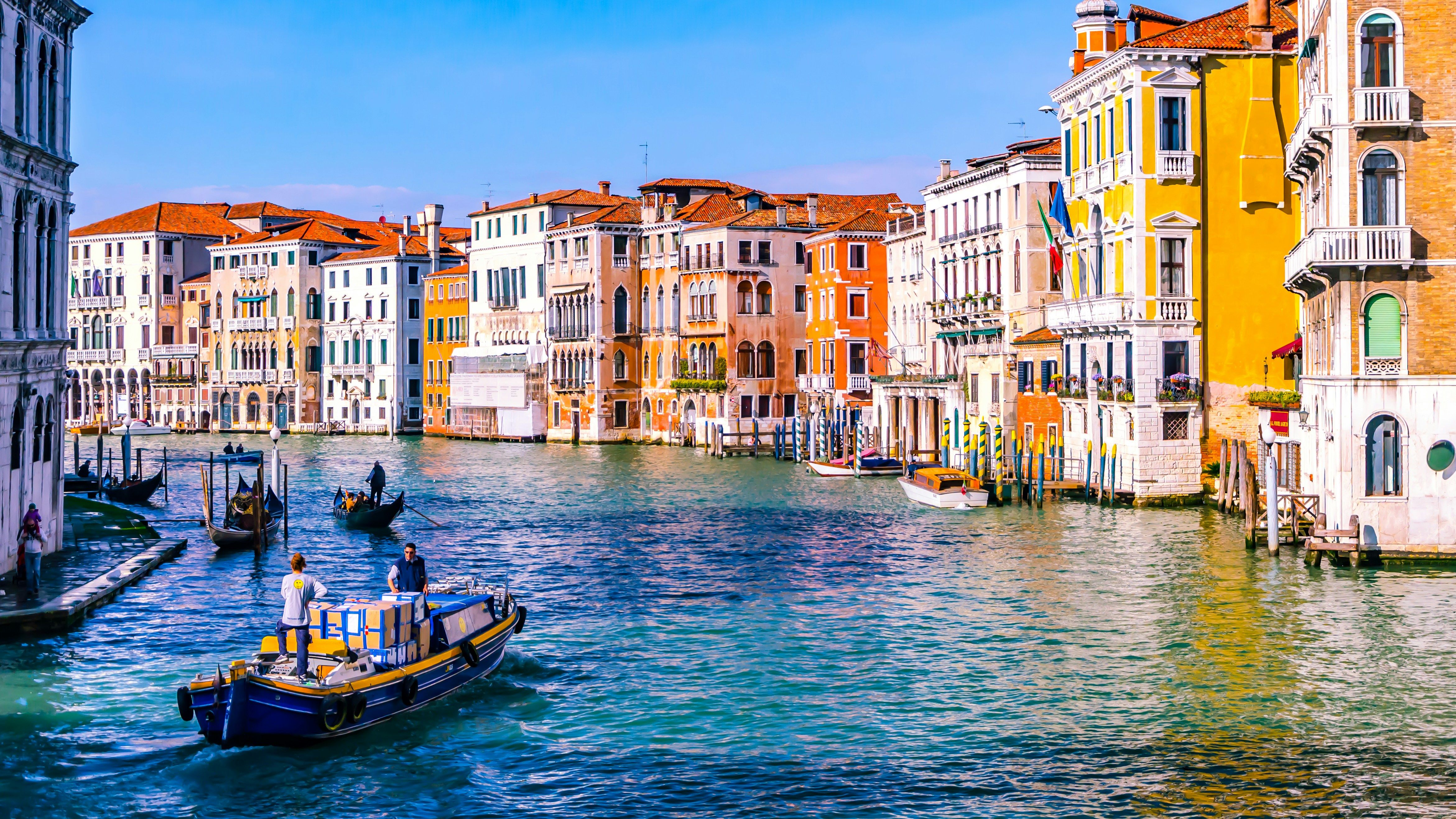
The Port of Patras is one of Greece's major gateways to Italy and Western Europe. Located in the northern part of the city, it's easily accessible from Patras city centre.
Getting to Patras Port:
Port Facilities:
It's recommended to arrive at least 2 hours before your scheduled departure time to complete check-in procedures comfortably, especially if you're travelling with a vehicle.
The Venice Port (Port of Venice or Porto di Venezia) welcomes ferries from Greece at its maritime station. The port is conveniently located near the western end of Venice's historic centre.
Navigating from Venice Port:
Port Facilities:
Upon arrival, take some time to orient yourself before heading into the maze-like streets of Venice. The port staff can provide maps and basic directions to help you start your Venetian adventure.
Given the ferry journey from Patras to Venice takes approximately 33 hours and 27 minutes on average, a day trip between these destinations is not feasible. The crossing itself requires at least one overnight stay on the ferry, making this more suitable for longer vacation plans rather than quick excursions.
If you're determined to maximise your time, here's what a minimal itinerary might look like:
Day 1: Depart Patras in the evening (between 22:00-23:59)
Day 2: Full day at sea
Day 3: Arrive in Venice in the morning or early afternoon
Day 3-4: Explore Venice
Day 5: Depart Venice on evening ferry
Day 6-7: Return journey
Day 7: Arrive back in Patras
For a more relaxed experience, we recommend planning at least a 4-5 day stay in Venice to truly appreciate what the city has to offer. This would make your total trip length approximately 10 days, including travel time.
Alternative options for shorter visits between Greece and Italy might include:
Venice offers an incredible array of experiences for travellers of all interests. Here are the top attractions you shouldn't miss:
1. St. Mark's Square (Piazza San Marco)
The main public square of Venice, surrounded by architectural marvels including St. Mark's Basilica and the Doge's Palace. This bustling hub is often called the drawing room of Europe.
Visiting hours: The square is always accessible; buildings have varying hours.
2. Grand Canal
Venice's main waterway snakes through the city in an S-shape, lined with stunning palaces and historic buildings. Experience it by vaporetto (water bus) or the more romantic gondola ride.
Visiting hours: 24/7, though most magical at sunset or early morning.
3. Rialto Bridge
The oldest of the four bridges spanning the Grand Canal, the Rialto is an architectural icon and offers fantastic views. The surrounding market area provides a glimpse into local Venetian life.
Visiting hours: Bridge accessible 24/7; markets typically open 7:00-13:00.
4. Doge's Palace (Palazzo Ducale)
This Gothic masterpiece was the centre of political power and the residence of the Doge (elected leader). Today it houses an impressive museum with ornate rooms and priceless artwork.
Visiting hours: 10:00-18:00 (April-October); 10:00-17:00 (November-March).
5. Murano and Burano Islands
A short vaporetto ride from central Venice, these islands offer a different perspective on Venetian culture. Murano is famous for its glass-making traditions, while Burano is known for lace-making and colourful houses.
Visiting hours: Vaporetto services run throughout the day; workshops typically open 9:00-17:00.
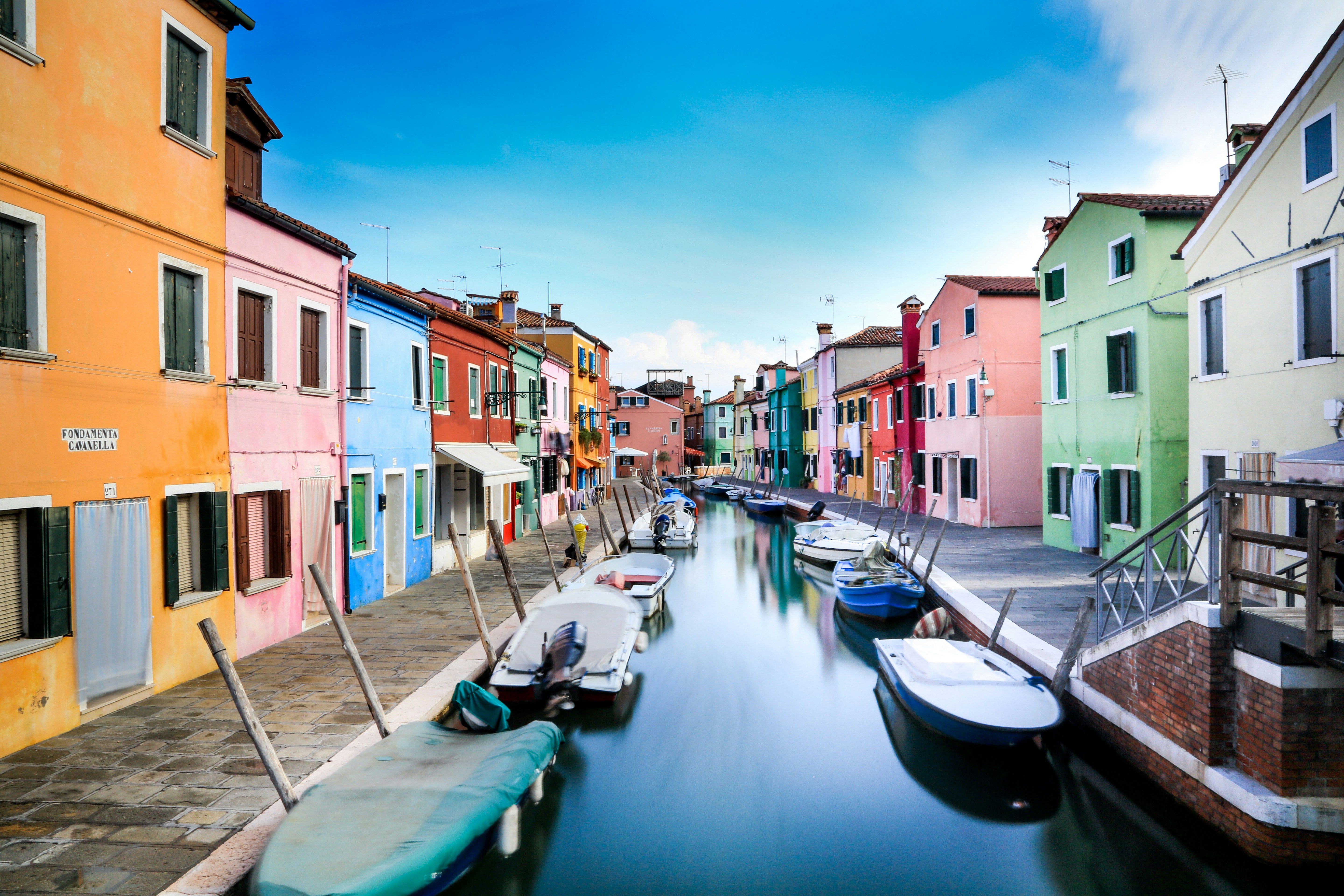
San Marco - The tourist heart of Venice, containing the main square and most famous attractions. Busy but essential for first-time visitors.
Dorsoduro - Home to important art museums and galleries, including the Peggy Guggenheim Collection. More relaxed than San Marco with charming cafés and artistic vibe.
Cannaregio - Where most Venetians actually live, offering authentic restaurants, the historic Jewish Ghetto, and fewer tourists.
Castello - The largest district, with a mix of tourist areas near San Marco and quiet, residential sections further east. Home to the Arsenale and public gardens.
San Polo - The smallest district, centred around the Rialto Market. Known for good dining options and winding streets perfect for exploration.
Venice experiences a humid subtropical climate with warm summers and cool winters. Understanding the seasonal patterns can help you plan your ferry journey and Venice visit more effectively.
Summer (June-August): Peak tourist season brings warm temperatures ranging from 18°C to 28°C (64°F to 82°F). Humidity can make it feel warmer, especially in July and August. This is the busiest and most expensive time to visit, but offers the most reliable weather for outdoor activities.
Fall (September-November): Early autumn is a wonderful time to visit, with mild temperatures between 10°C and 21°C (50°F to 70°F) and fewer crowds. November brings increasing chances of acqua alta (high water) flooding, particularly in low-lying areas like St. Mark's Square.
Winter (December-February): Temperatures typically range from 0°C to 7°C (32°F to 45°F). While winter brings fewer tourists and lower prices, it can be damp and chilly. The atmospheric winter fog can create a mysterious ambiance. Acqua alta is most common during this season.
Spring (March-May): A delightful time to visit as temperatures warm from 8°C to 21°C (46°F to 70°F) and crowds haven't yet reached summer levels. Gardens and parks come alive with blooms, though occasional rainfall is possible.
Impact on Ferry Operations:
The Patras to Venice ferry route operates year-round, but weather conditions can occasionally affect crossings, particularly during winter months when the Adriatic Sea can experience rougher conditions. During severe weather, crossings may face delays or, rarely, cancellations. Summer generally offers the smoothest sailing conditions, though prices and crowding on ferries increase during this peak season.
Venice has a reputation as one of Europe's more expensive destinations, but with careful planning, you can enjoy this unique city on various budgets.
General Cost Level: High, particularly in central areas and during peak season (summer and Carnival).
Sample Daily Budgets:
Budget Traveller: £80-120 per day
Accommodation in hostels or budget hotels outside the centre, self-catering or inexpensive cicchetti (Venetian tapas) for meals, walking and limited vaporetto use, focus on free or low-cost attractions.
Mid-range Traveller: £150-250 per day
Mid-range hotels or apartments, mix of restaurant dining and casual eateries, regular vaporetto use, paid attractions and perhaps a gondola ride shared with others.
Luxury Traveller: £300+ per day
High-end hotels or private apartments, fine dining, private water taxis, exclusive experiences, shopping, and private tours.
Common Expenses:
Money-saving Tips:
Timing your visit to Venice can significantly impact your experience in this remarkable city. Each season offers different advantages and considerations.
Peak Season (June-August):
Shoulder Seasons (April-May and September-October):
Off-Peak Season (November-March):
Notable Events:
For the ideal balance of good weather, manageable crowds, and reasonable prices, we recommend visiting in late April to early June or September to mid-October. These periods offer the most pleasant conditions for both exploring the city and making your ferry journey from Patras. If you're interested in experiencing Venice's famous Carnival celebrations, plan your trip for February, but book well in advance as this is a popular time despite the winter weather.
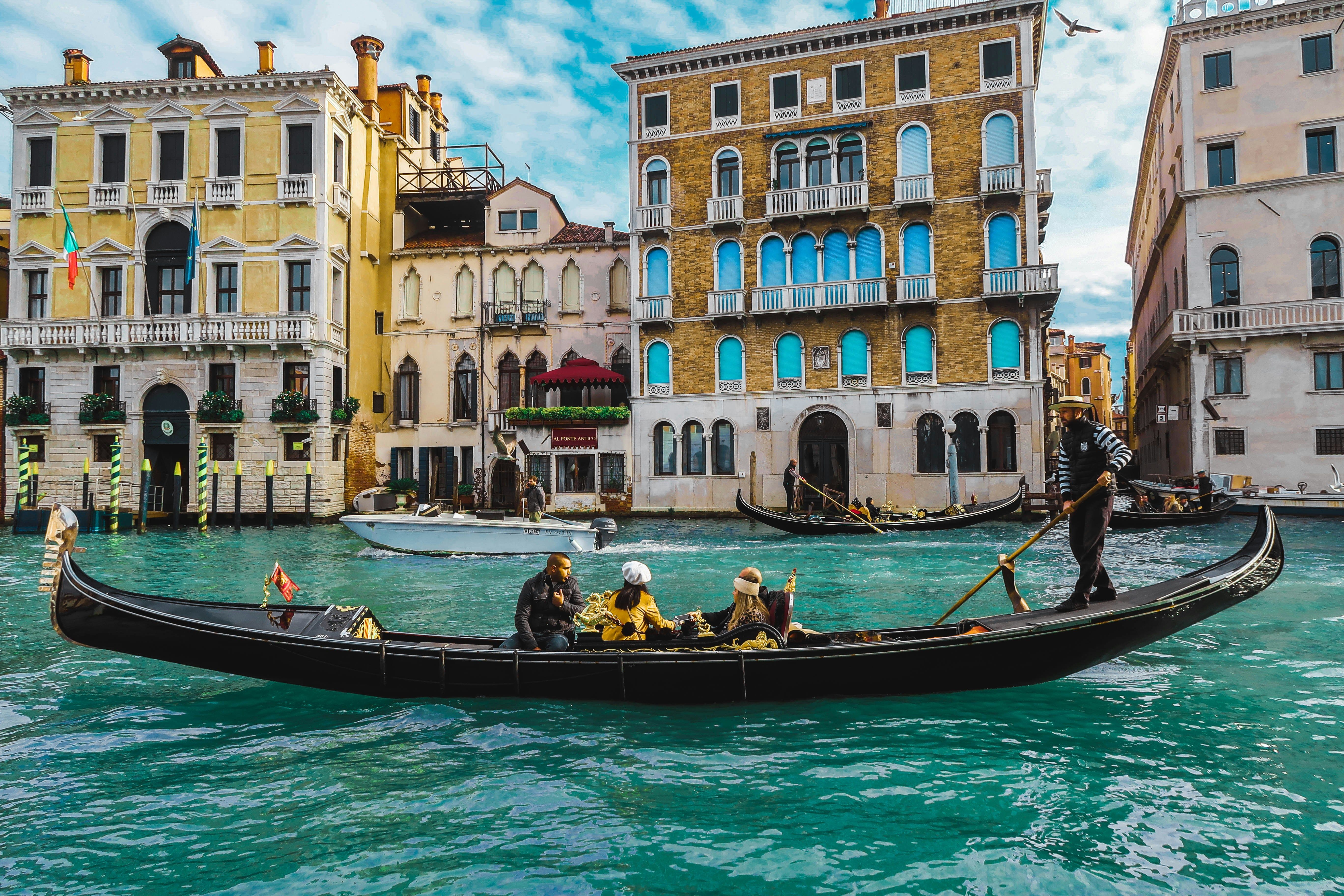
Finding the right place to stay in Venice can enhance your ferry journey experience. The city offers a range of accommodation options to suit various budgets and preferences.
For budget-conscious travellers, consider staying in Mestre on the mainland, where prices are significantly lower than in central Venice. Hostels in Cannaregio or Dorsoduro districts offer affordable beds from £25-35 per night. Solo travellers will appreciate the social atmosphere at Generator Venice on Giudecca Island.
Couples might enjoy the romantic boutique hotels in San Marco or San Polo, typically ranging from £100-200 per night. Family travellers should look to spacious apartments in Castello or Santa Croce districts, which provide kitchen facilities and more space for £150-250 per night.
For the best value, book accommodations 3-4 months in advance, especially if you're travelling during summer or carnival season when prices surge significantly.
Venice offers a unique transportation experience dominated by its famous waterways rather than roads.
The vaporetto (water bus) network is Venice's primary public transport, with single tickets costing around £7.50. Consider purchasing a tourist travel card for unlimited travel (£20 for 24 hours, up to £60 for 7 days) if you plan to use the vaporetto frequently.
While romantic, gondola rides are primarily tourist attractions rather than practical transportation, costing approximately £80 for 30 minutes. For a more affordable alternative with similar charm, try the traghetto gondola crossings for just £2.
Venice is highly walkable, and exploring on foot is often the best way to discover hidden gems. The entire historic centre can be crossed in about an hour. Comfortable walking shoes are essential as you'll encounter numerous bridges and narrow streets.
Remember that wheeled luggage can be challenging to manage over Venice's many bridges, so pack accordingly for your arrival from the Patras-Venice ferry.
Travelling from Patras to Venice by ferry offers a unique Mediterranean experience that combines convenience with adventure. The journey spans approximately 700 nautical miles (1,296 km) across the Adriatic Sea, delivering you from the historic Greek port directly to the magical floating city of Venice.
With weekly sailings operated by major ferry companies, this route provides a relaxed travel option with the opportunity to enjoy onboard amenities while the beautiful coastlines of Greece and Italy pass by. The overnight journey gives you time to rest before arriving refreshed in Venice, ready to explore its iconic canals and historic architecture.
Whether you're travelling for leisure or as part of a larger European adventure, the Patras to Venice ferry connection offers a seamless link between these two fascinating destinations. Book your ferry crossing today and prepare for an unforgettable journey across the Adriatic Sea.