Travelling from Naxos to Thira (Santorini): Complete Ferry & Travel Guide
Route Guides
Route Guides


Exploring the stunning Greek islands is a dream for many travellers, and the journey from Naxos to Thira (Santorini) is one of the most popular routes in the Cyclades. This scenic 72.6 km (45.1 nautical miles) journey connects two of Greece's most beloved destinations. Whether you're planning to visit Santorini's iconic white-washed buildings and breathtaking caldera views from Naxos, you have several transportation options to consider, with ferries being the most frequent and practical choice. This comprehensive guide covers everything you need to know about travelling between these beautiful Aegean islands, including ferry schedules, prices, port information, and what to expect upon arrival in Santorini.
When planning your journey from Naxos to Thira (Santorini), you'll primarily be looking at ferry options as the most reliable and frequent mode of transportation. The ferry route between these islands is well-established and serves as the main connection between these two popular Cycladic destinations.
Ferry services operate year-round between Naxos and Santorini, with an average of 3 daily sailings and approximately 26 weekly departures. This frequency increases during the high summer season, offering travellers plenty of flexibility when planning their island-hopping adventure. The journey by sea allows you to experience the stunning blue waters of the Aegean while transitioning between islands.
The average ferry journey takes around 2 hours and 2 minutes, though this can vary depending on the type of vessel and weather conditions. SeaJets operates the fastest service, with journey times of just 1 hour and 5 minutes for those looking to maximise their time on Santorini. These high-speed options typically come at a premium price point of around £145, but many travellers find the time saved well worth the extra cost.
For those with more flexible schedules, conventional ferries offer a more leisurely pace and generally lower fares. These vessels take up to 3 hours and 15 minutes to complete the crossing but provide a more relaxed experience with more space to move around and enjoy the journey.
One of the advantages of ferry travel between these islands is the flexible scheduling, with departures starting as early as 00:35 and the last ferry leaving as late as 23:40, allowing you to choose a time that best fits your travel plans.
You can take a ferry from Naxos to Thira (Santorini). Ferries sail in around 2 hours and 2 minutes with about 3 sailings a day. The fastest ferry sails in around 1 hour and 5 minutes and is provided by SeaJets. Ferry prices for the fastest services are around £145, though prices vary depending on the season, type of ferry, and how far in advance you book. With approximately 26 weekly sailings and 119 monthly connections, you'll have plenty of options to choose from throughout the year. Departures start as early as 00:35, with the last departure from Naxos to Thira (Santorini) at 23:40.
SeaJets is the premier operator on this route, offering the fastest connection between Naxos and Santorini. Their high-speed vessels are equipped with comfortable seating areas, cafés serving snacks and beverages, and outdoor deck space where you can enjoy the magnificent views of the Aegean Sea and passing islands. The modern fleet features air-conditioned interiors and typically offers both economy and business class options for those seeking extra comfort.
When travelling during peak season (June through September), we recommend booking your ferry tickets well in advance, as this popular route can sell out, especially for the faster services. The shoulder seasons of late spring (April-May) and early autumn (September-October) offer a good balance of pleasant weather, reasonable prices, and fewer crowds both on the ferries and at your destination.
Most ferries on this route welcome passengers with vehicles, though space is limited and requires advance reservation. If you're planning to bring a car to Santorini, keep in mind that the island is small and often congested during high season, so consider whether renting a car upon arrival might be more practical than bringing your own vehicle.
The ferry experience itself is part of the Greek islands adventure. As you sail between Naxos and Santorini, you'll likely pass other Cycladic islands, offering spectacular photo opportunities. The approach to Santorini is particularly dramatic as the imposing caldera cliffs come into view, providing your first glimpse of this volcanic island's unique landscape.
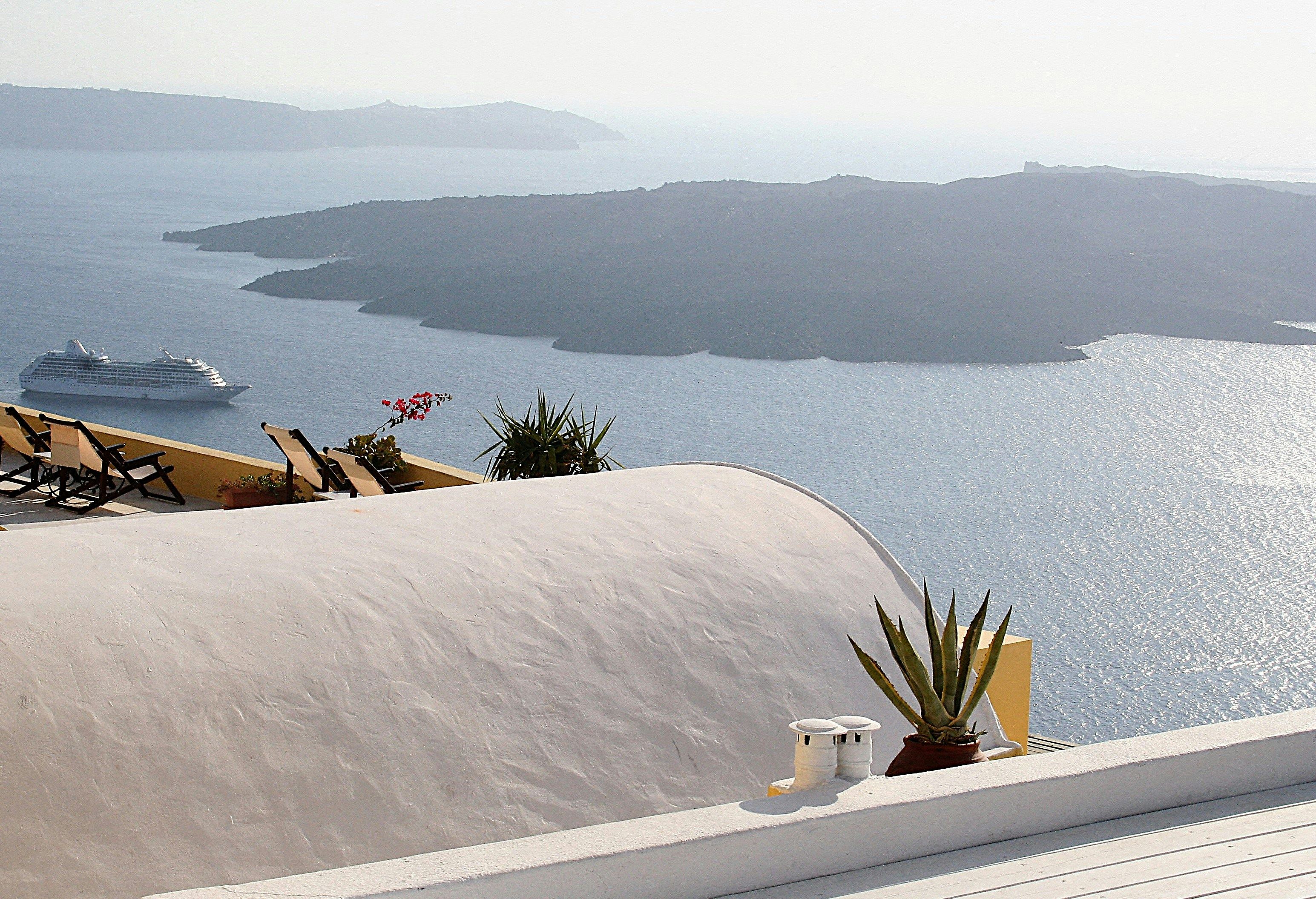
Naxos Port is conveniently located in the main town (Chora) of Naxos, making it easily accessible from most accommodations on the island. The port area is compact and straightforward to navigate, with clear signage directing passengers to the appropriate departure gates.
If you're staying in Naxos Town, you can easily walk to the port. From other parts of the island, local buses connect to the main town, or you can take a taxi directly to the port. If you're arriving by rental car, there are several parking options near the port area, though spaces can be limited during peak season.
The port facilities include a ticket office where you can purchase or collect pre-booked tickets, though we strongly recommend securing your tickets in advance, especially during the busy summer months. You'll also find cafés, small shops, and restrooms in and around the port area. It's advisable to arrive at least 45 minutes before your scheduled departure, or earlier if you're travelling with a vehicle.
Naxos Port is recognisable by the famous Portara (Apollo's Temple gateway) standing on its own islet connected to the harbour by a causeway. This iconic landmark serves as a picturesque backdrop while waiting for your ferry.
Arriving at Athinios Port in Santorini (the main commercial port) presents your first logistical challenge on the island. The port is situated at the bottom of a steep cliff, with a winding road leading up to the main towns above.
Upon disembarkation, you'll find several transportation options to reach your accommodation. Public buses meet most ferry arrivals and connect to Fira (the capital) and other major towns, though they can be crowded during peak season. Taxis are available but limited in number, so expect potential waiting times. Many hotels offer pre-arranged transfer services, which is often the most convenient option if you have luggage.
If you've pre-booked a rental car, most companies have representatives meeting ferries at the port. This is a good option for exploring the island at your own pace, though parking can be challenging in popular areas.
The port itself has basic facilities, including a few cafés, small shops, and travel agencies. However, most travellers don't linger here and head straight to their accommodations or to Fira, which is about 8 km away from the port.
Is it possible to visit Santorini as a day trip from Naxos? The answer is yes, but with some careful planning to maximise your time. With the earliest ferry departing Naxos at 00:35 and the latest return at 23:40, you technically have the option for a full day on Santorini.
For a practical day trip, we recommend taking one of the morning ferries, ideally the faster SeaJets service that gets you to Santorini in just over an hour. This would allow you to arrive on Santorini by mid-morning. Then, plan to return on an evening ferry, giving you approximately 8-10 hours to explore the island.
A sample day trip itinerary might look like this: Arrive in Santorini and take the bus or a taxi to Fira. Spend the morning exploring the capital's charming streets and enjoying the caldera views. Have lunch at one of the many restaurants overlooking the sea. In the afternoon, take the public bus to Oia to see its famous blue-domed churches and possibly catch the sunset if your return ferry is late enough. Then head back to the port for your return journey.
While a day trip is possible, we generally recommend staying at least one night on Santorini if your schedule allows. The island has a different atmosphere in the evening when the day-trippers have left, and the morning light on the caldera is spectacular. Additionally, a day trip doesn't allow much time to visit the beaches on the eastern side of the island or explore attractions like Ancient Akrotiri or the wineries.
If you're determined to do a day trip, book your ferry tickets well in advance, especially during high season, and be prepared for a full but rewarding day.
Santorini offers an abundance of activities and sights that cater to all types of travellers. Here are the top attractions you shouldn't miss:
The dramatic cliffs of Santorini's caldera provide some of the most spectacular vistas in the world. The best viewpoints are found in Fira, Imerovigli, and Oia. Walking the caldera path that connects these towns offers continuously changing perspectives of the volcano and sea below. This experience is accessible year-round during daylight hours and costs nothing except perhaps a stop at one of the cliff-side cafés along the way.
Watching the sunset from Oia is a quintessential Santorini experience. The sun sinking into the Aegean Sea, with the white buildings turning golden and pink, creates a magical atmosphere. Arrive at least an hour before sunset to secure a good spot, as this is extremely popular. The Byzantine Castle ruins offer one of the best vantage points. This natural spectacle occurs daily and is free to enjoy.
This remarkably preserved Bronze Age settlement was buried under volcanic ash around 1600 BCE. Often called the Greek Pompeii, it features multi-storey buildings, advanced drainage systems, and beautiful frescoes. The archaeological site is open daily from 8:00 to 20:00 during summer (shorter hours in winter), with an entrance fee of approximately £12. The site provides a fascinating glimpse into an advanced Minoan-era civilisation.
Santorini's unique volcanic soil produces distinctive wines, particularly the crisp, mineral-rich Assyrtiko. Numerous wineries offer tours and tastings, with Santo Wines, Domaine Sigalas, and Venetsanos being among the most popular. Most wineries are open daily from mid-morning until evening, with tastings ranging from £15-25 per person. Many vineyards offer stunning caldera views to complement your wine experience.
This stunning beach features dramatic red cliffs contrasting with deep blue waters. Located near Akrotiri, it's accessible via a short (somewhat rocky) path from the parking area. The beach has limited facilities but offers unique scenery and good snorkelling opportunities. It's open all day, every day, with no entrance fee. Visit in the morning to avoid crowds and the afternoon heat.
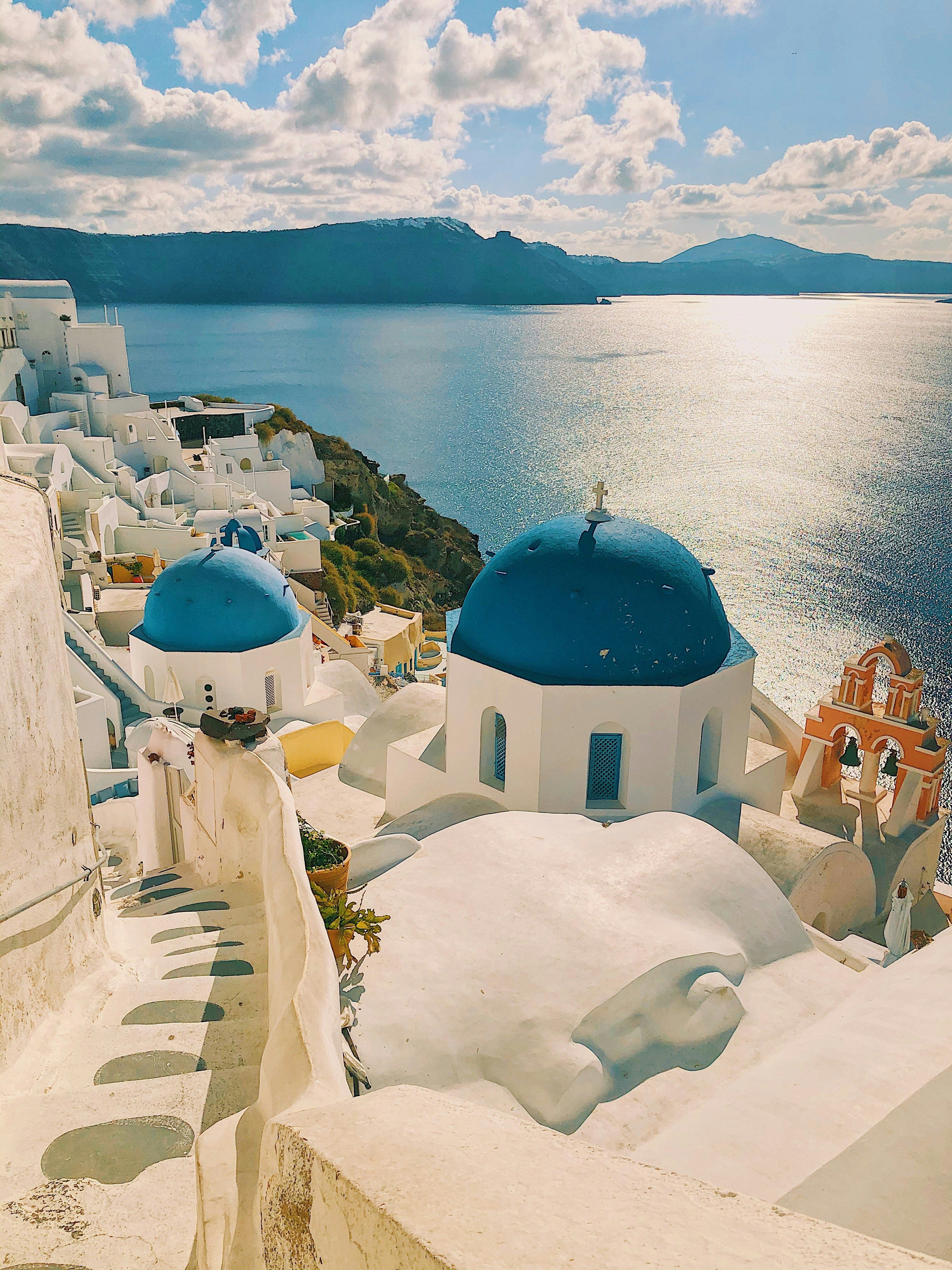
As Santorini's capital, Fira is the island's commercial and transportation hub. The town clings to the caldera edge, offering spectacular views from its many restaurants, hotels, and shops. Fira is home to the Archaeological Museum of Thera and the Museum of Prehistoric Thera, both showcasing the island's rich history. The town buzzes with activity day and night, with plenty of shopping options ranging from souvenir stores to high-end boutiques. Its central location makes it an ideal base for exploring the island.
Located on the northern tip of the island, Oia is Santorini's most picturesque and photographed village. Known for its blue-domed churches, windmills, and sunset views, this former fishing village now houses luxury hotels, fine dining restaurants, and art galleries. The pace here is more relaxed than in Fira, though it gets extremely busy around sunset. Oia is perfect for romantic strolls through narrow marble-paved alleys and offers some of the most expensive but breathtaking accommodations on the island.
These neighbouring beach towns on the eastern coast offer a completely different Santorini experience. Known for their black sand beaches, laid-back atmosphere, and more affordable accommodations, they provide a pleasant alternative to the caldera villages. Both feature beachfront promenades lined with restaurants, bars, and shops. These areas are popular with families and those seeking a traditional beach holiday alongside their Santorini cultural experience.
Santorini enjoys a Mediterranean climate with distinctly different seasons that can significantly impact your visit. Summers (June to September) are hot and dry, with daytime temperatures typically ranging from 25-30°C (77-86°F). July and August are the hottest months, with temperatures occasionally exceeding 35°C (95°F). These summer months see virtually no rainfall, contributing to the island's characteristic arid landscape.
Spring (April to May) and autumn (October to November) offer milder temperatures around 15-25°C (59-77°F) and fewer crowds. These shoulder seasons provide a pleasant climate for exploring the island on foot and enjoying outdoor activities without the intense summer heat. There's a slight increase in the possibility of rain, particularly in late autumn, but showers are typically brief.
Winter (December to March) is Santorini's quiet season, with temperatures ranging from 10-15°C (50-59°F) and increased rainfall. Many tourist facilities close during this period, though the island never completely shuts down. Winter visitors can experience a more authentic side of Santorini life, albeit with more limited dining and accommodation options.
Regarding ferry operations, the weather can occasionally impact services, particularly during the winter months when strong winds in the Aegean can cause delays or cancellations. The meltemi winds, which typically blow from the north during summer afternoons, rarely affect the larger ferries but might impact the comfort of your journey on smaller vessels. Ferry companies monitor weather conditions closely and will not sail if conditions are unsafe.
Santorini has a reputation as one of the more expensive Greek islands, but with careful planning, it can accommodate various budgets. Costs vary significantly depending on the season, with prices during the peak summer months often double those in the off-season.
For budget travellers, expect to spend around £80-100 per day, including basic accommodation in a budget hotel or hostel away from the caldera (£40-60), meals at inexpensive restaurants or street food (£20-30), and public transportation (£5-10). Staying in areas like Kamari, Perissa, or Karterados rather than caldera-view locations can significantly reduce costs.
Mid-range travellers should budget approximately £150-250 per day, which would cover a decent hotel (possibly with limited caldera views), meals at good restaurants, and some activities or tours. This budget also allows for occasional taxis instead of relying solely on public buses.
Luxury travellers can easily spend £300+ per day, with high-end caldera-view suites costing £300-1000+ per night alone. Add fine dining, private tours, and exclusive experiences, and a luxury stay can quickly reach £500-1000 daily.
Some typical costs include: a simple gyros sandwich (£4-6), a meal at a mid-range restaurant (£20-30 per person), a beer at a bar (£4-6), a coffee with a view (£4-5), entrance to Ancient Akrotiri (£12), and a public bus ride (£1.80-2.50 depending on distance).
The ideal time to visit Santorini depends on your priorities regarding weather, crowds, and budget. Each season offers a distinctly different experience of the island.
Peak season (mid-June to early September) offers guaranteed sunshine and warm seas perfect for swimming. All attractions, restaurants, and services are operating at full capacity. However, this comes with drawbacks: extreme crowds at popular spots like Oia at sunset, highest prices for accommodation and services, and intense heat that can make midday exploration uncomfortable. If you visit during this period, book everything well in advance.
Shoulder seasons (April to early June and late September to October) provide the best balance for most travellers. The weather remains pleasant with temperatures comfortable for sightseeing, the sea is warm enough for swimming (especially in early autumn), and you'll encounter significantly fewer crowds. Prices drop by 30-50% compared to peak season, while most businesses remain open. Spring brings wildflowers to the island, while autumn offers warmer sea temperatures.
Off-season (November to March) presents Santorini at its most authentic and affordable. You'll have major attractions like Ancient Akrotiri almost to yourself, and can find accommodation at bargain prices. However, many restaurants and hotels close, ferry services are reduced, and there's an increased chance of rainy days. December through February are the quietest months, though even then, some facilities remain open to serve the small number of visitors and locals.
Notable events worth planning around include the Santorini International Music Festival (September), Ifestia Festival (September) commemorating the volcanic eruption with fireworks over the caldera, and Greek Orthodox Easter (dates vary), which is celebrated with particular enthusiasm in the village of Pyrgos.
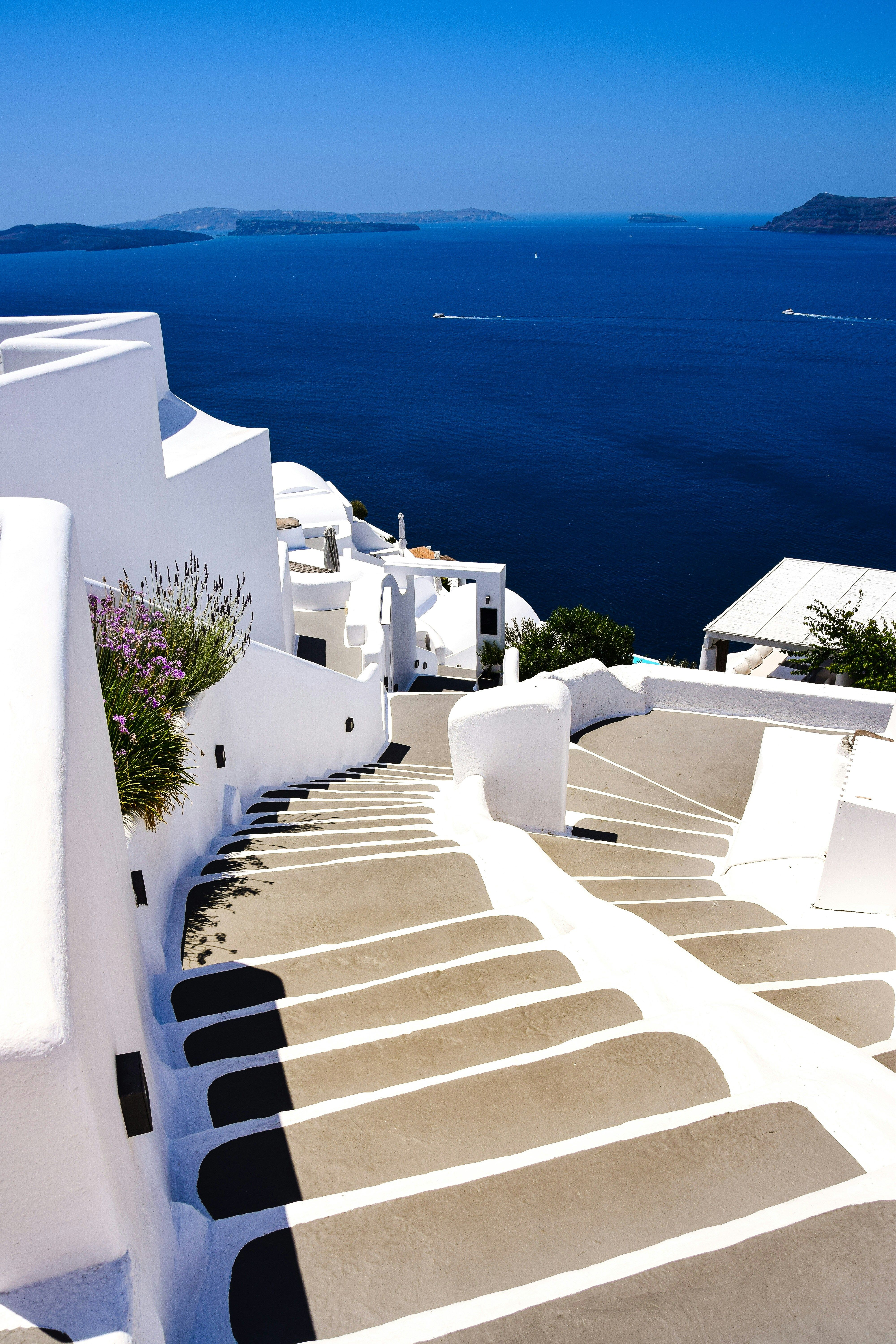
Finding the right place to stay in Santorini can enhance your Greek island experience after your ferry journey from Naxos. The iconic white-washed buildings with blue domes offer various accommodation options to suit all budgets and preferences.
For budget-conscious travellers, look for guesthouses and small hotels in Karterados or Mesaria, which offer more affordable rates while still being close to main attractions. Solo travellers might enjoy the social atmosphere of hostels in Fira, where you can meet fellow island-hoppers.
Couples seeking romance should consider boutique hotels in Oia or Imerovigli, where stunning caldera views justify the premium prices (typically £150-300 per night). Families often find the best value in apartment rentals or family-friendly hotels in Kamari or Perissa, where black sand beaches provide entertainment for children.
For those travelling by campervan, there are limited camping facilities on the island, with Camping Santorini near Fira being the most established option. Book accommodation well in advance during high season (June-September) when prices can increase by 50-100%.
Navigating Santorini after your ferry arrival is straightforward with several transportation options available. The island has a reliable public bus network operated by KTEL Santorini, connecting major towns and beaches. Buses run frequently during summer months, with the main terminal located in Fira. Single journeys typically cost between £1.80-2.50 depending on the destination.
Taxis are readily available but can be expensive due to limited supply. Consider pre-arranging airport or port transfers to avoid waiting times, especially after disembarking your ferry from Naxos.
Renting a car, scooter, or ATV gives you the freedom to explore at your own pace, with daily rates starting from around £30 for a small car. Many visitors find this the most convenient option, especially for reaching remote beaches and viewpoints. The island is relatively small at just 76 km², making it easy to navigate in a day.
Walking is pleasant in town centres, particularly in the pedestrianized areas of Fira and Oia, though the hilly terrain can be challenging in summer heat.
The journey from Naxos to Thira (Santorini) represents one of the most scenic ferry routes in the Cyclades, connecting two stunning Greek islands across just 72.6 km of sparkling Aegean Sea. With multiple daily sailings and journey times as quick as 1 hour 5 minutes on SeaJets high-speed services, this route offers convenience and flexibility for your island-hopping adventure.
The frequent connections—with up to 3 departures daily and 26 weekly sailings—make it easy to plan your perfect itinerary. Whether you choose the fastest service at approximately £145 or opt for a more leisurely 3-hour sailing to enjoy the sea views, the ferry journey itself becomes a memorable part of your Greek island experience.
Ready to experience the magic of sailing from the beautiful beaches of Naxos to the world-famous caldera views of Santorini? Book your ferry tickets now to secure your preferred sailing time and vessel type. Early booking is especially recommended during the peak summer season when these popular routes can fill quickly. Your perfect Greek island adventure is just a ferry journey away!