Ferry vs Eurotunnel Guide
Ferry travel tips
Ferry travel tips


Planning a trip to France but unsure whether to travel by ferry or the Eurotunnel? You’re not alone. Both options provide convenient ways to cross the Channel, but each offers a different travel experience depending on your priorities.
Some travellers prefer speed and efficiency, while others enjoy a more leisurely journey with time to relax, stretch their legs, and admire the sea views. The right choice also depends on who you’re traveling with, whether that’s family, friends, or even pets.
To help you decide, we’ve created this clear comparison guide covering the key differences between ferry crossings and the Eurotunnel. By exploring the routes, travel times, costs, and onboard experiences, you can find the option that suits your travel plans best.
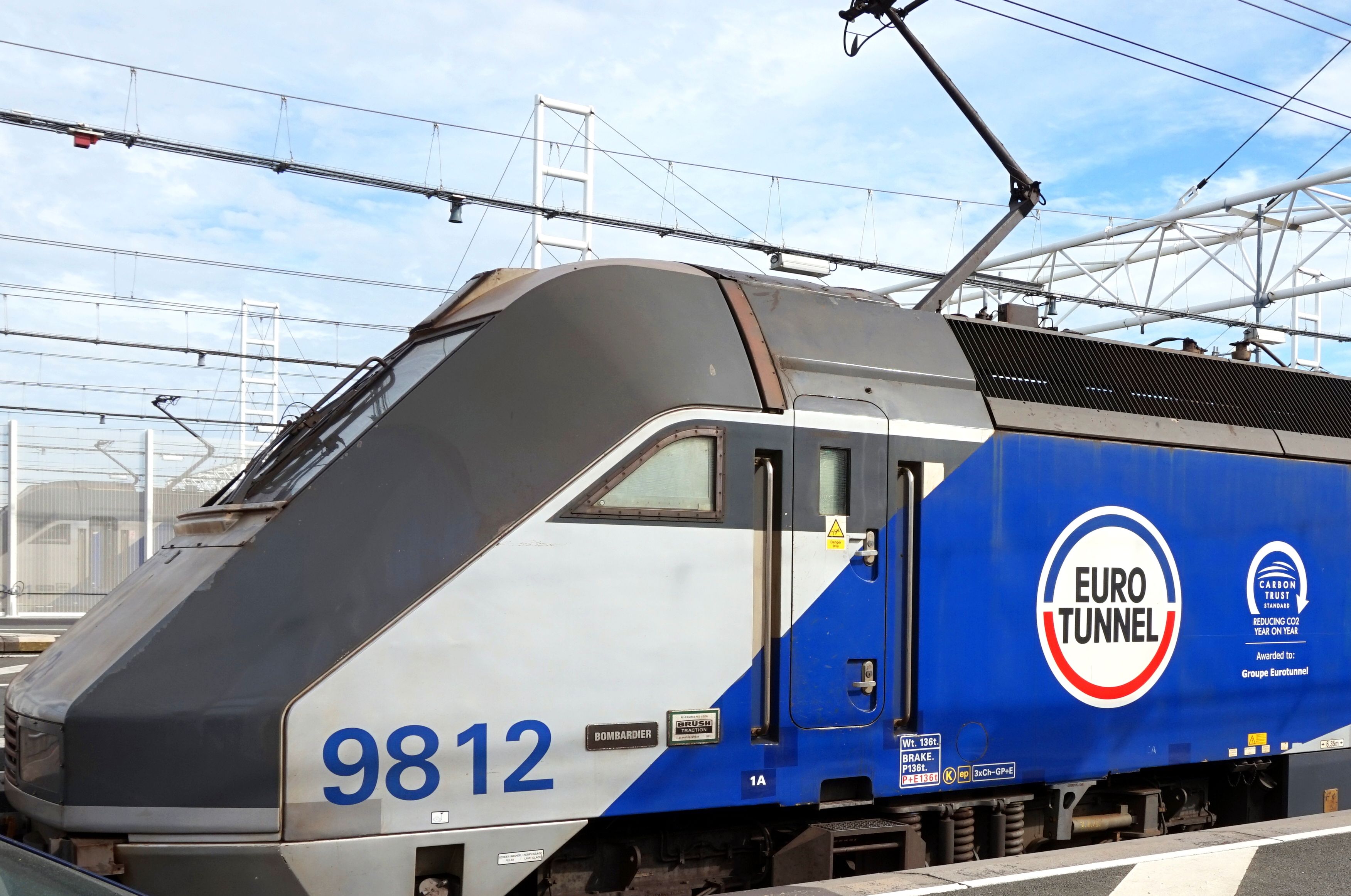
When travelling between the UK and France, you have two main options: taking the Eurotunnel or travelling by ferry.
The Eurotunnel Le Shuttle, now known as LeShuttle, is an undersea rail service that connects the UK and France via the Channel Tunnel. Departing from Folkestone and arriving in Calais, the journey takes just over 30 minutes, making it the fastest way to cross the Channel by vehicle.
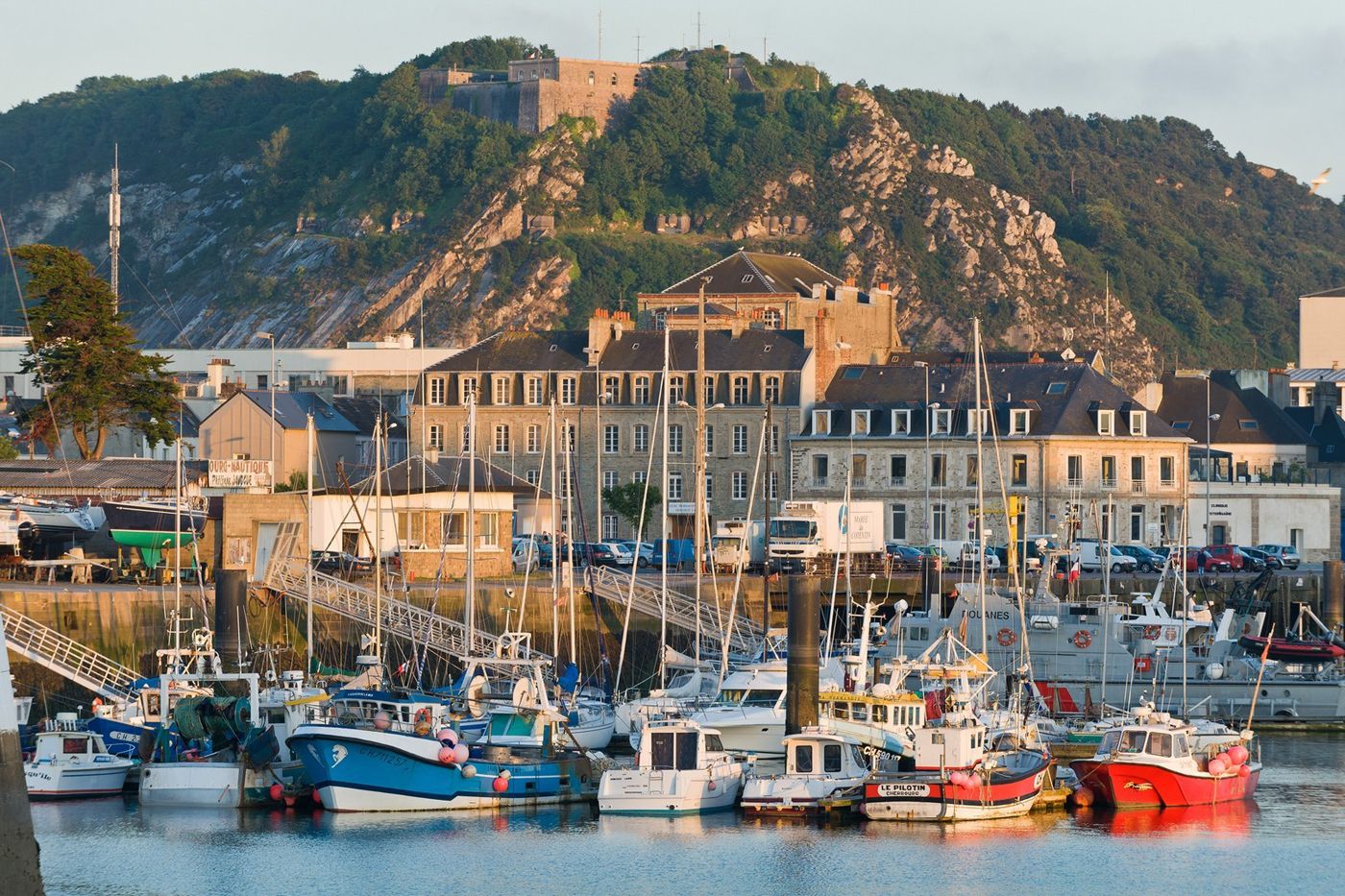
Alternatively, you can choose a ferry crossing to France. Ferries depart from several UK ports such as Dover, Portsmouth, and the popular Plymouth ferry routes, arriving at destinations including Calais, Caen, Dunkirk, and Cherbourg.
Traveling by ferry offers a slower but more relaxed experience. Passengers can enjoy open decks, restaurants, shops, and panoramic sea views while crossing the Channel.
Let’s start by looking at the routes available. The Eurotunnel offers one direct connection, while ferries provide a wider range of crossings between the UK and France, giving travellers greater flexibility.
Operator: LeShuttle
Operators include major ferry companies such as Brittany Ferries, DFDS Ferry, and P&O Ferries, each offering comfortable ships and regular sailings.
If you’re travelling on a budget, comparing prices is essential. So, is the ferry cheaper than the Eurotunnel? In many cases, yes, but it ultimately depends on several factors.
Prices for both options vary depending on the season, time of travel, whether you are bringing a vehicle, and any optional extras. Add-ons such as priority boarding, lounge access, or private cabins can also increase the overall cost.
In general, ferry crossings are often more affordable than the Eurotunnel. While the tunnel offers speed and efficiency, ferry travel tends to provide better value, particularly when booked in advance or during promotional periods.
Checking current fares and booking early is the best way to secure the lowest price for your chosen route.
When it comes to speed, the Eurotunnel is the clear winner. The journey between Folkestone and Calais takes around 35 minutes, making it the fastest route between the UK and France.
Ferry crossings vary depending on the route. The popular Dover to Calais ferry takes approximately 90 minutes, while longer sailings such as Portsmouth to St Malo can take up to 11 hours.
However, longer sailings often provide a more enjoyable travel experience. Passengers can relax on deck, admire the stunning sea views, dine in onboard restaurants, or simply unwind with a book while the ship sails across the Channel.

Both travel options can work well for families heading to France.
If you want to minimise travel time and keep children from getting restless, the Eurotunnel’s short crossing time can be ideal.
However, ferries often offer more entertainment and space. Children can explore the ship, enjoy play areas, watch the sea from the deck, and choose from several dining options. This can make the journey feel like the start of the holiday rather than just transport.
Travelling with pets is simple with both the Eurotunnel and ferry crossings.
On the Eurotunnel, pets remain with you in your vehicle during the journey, which helps reduce stress for both pets and owners. The terminal also includes exercise areas where dogs can stretch their legs before departure.
On ferries, pet policies vary depending on the operator. Some companies, including DFDS Ferry, require pets to remain in vehicles during the crossing, though owners may be able to visit them.
Other operators provide dedicated pet lounges or kennels. This makes ferry travel a convenient option for travellers bringing their pets along on holiday.

Ultimately, choosing between the Eurotunnel and a ferry crossing depends on your priorities.
If speed is your main concern, the Eurotunnel offers the fastest route between the UK and France. However, ferries provide several advantages, including more route options, lower fares in many cases, and a more relaxing journey with onboard facilities and scenic sea views.
With multiple UK to France ferry routes, operators like Brittany Ferries and DFDS Ferry offer travellers flexible options departing from ports such as Dover, Portsmouth, and the popular Plymouth ferry routes.
Whichever option you choose, you can easily compare prices and book your journey through Direct Ferries to start your trip to France with confidence.