Travelling from Piraeus to Milos: Complete Ferry & Travel Guide
Route Guides
Route Guides


Exploring the journey from Piraeus to Milos offers travellers a fantastic opportunity to experience one of Greece's most enchanting island connections. This popular route spans approximately 153.1 km (95.1 miles) across the glistening Aegean Sea. Ferry services provide the primary transportation option between these destinations, with regular sailings throughout the year. The route is served by modern vessels offering comfortable amenities for the journey, which typically takes around 3 hours and 46 minutes.
This comprehensive guide covers everything you need to know about travelling from Piraeus to Milos, including ferry schedules, port information, and what to expect when you arrive at your destination.
When planning your journey from Piraeus to Milos, you have transportation options to consider, though ferry travel remains the most direct and scenic choice.
The ferry route from Piraeus to Milos spans 82.7 nautical miles and is well-established with approximately 2 daily sailings. This translates to around 18 weekly connections and 82 monthly sailings, providing travellers with good flexibility when planning their trip. The average journey time is 3 hours and 46 minutes, making it a manageable travel day.
For those prioritising speed, SeaJets offers the fastest connection, completing the journey in just 2 hours and 35 minutes. This premium service comes at a higher price point, with tickets averaging around £273. The longer ferry journeys can take up to 7 hours and 25 minutes, but these often provide a more relaxed pace and potentially more economical options.
Ferry travel offers significant advantages for this route. You'll enjoy spectacular sea views throughout the journey, the ability to move around freely during transit, and the authentic Greek island-hopping experience. Additionally, ferries provide the convenience of arriving directly at Milos's port, positioning you perfectly to begin your island adventure.
You can take a ferry from Piraeus to Milos. Ferries sail in around 3 hours and 46 minutes with about 2 sailings a day. The fastest ferry sails in around 2 hours and 35 minutes and is provided by SeaJets. Ferry prices can range considerably depending on the operator, whether it is a conventional or fast ferry, and time of year. The fastest services operated by SeaJets average around £273 for a standard ticket. Departures start as early as 07:30, with the last departure from Piraeus to Milos at 21:00.
SeaJets is the premium operator on this route, offering the fastest connection between Piraeus and Milos. Their modern fleet features high-speed vessels equipped with comfortable seating areas, cafés serving refreshments and light meals, and outdoor deck space where you can enjoy the sea breeze and spectacular views of the Greek islands you'll pass along the way.
While onboard, passengers can typically expect amenities such as air-conditioned lounges, snack bars or restaurants, and designated areas for luggage storage. Many ferries also offer WiFi connectivity, though signal strength may vary during the journey. The larger vessels often include additional facilities such as shops selling travel essentials, souvenirs, and local products.
It's worth noting that while ferries operate year-round on this route, the frequency increases significantly during the summer tourist season (May through September). During winter months, sailings may be reduced to fewer weekly connections, and schedules can be more susceptible to weather-related changes or cancellations.

Piraeus is the main port of Athens and one of the busiest passenger ports in Europe. Located approximately 10 km southwest of Athens city centre, it's easily accessible via public transportation. The most convenient option is the Metro Line 1 (Green Line), which connects Athens city centre directly to Piraeus, with the journey taking about 20-25 minutes from central stations like Monastiraki or Omonia.
The port itself is substantial and divided into several gates serving different destinations. Ferries to Milos typically depart from Gates E6 or E7, though it's always advisable to confirm your specific gate when booking. Within the port area, you'll find a range of facilities including ticket offices, travel agencies, cafés, restaurants, ATMs, and shops. If you arrive early, there are luggage storage facilities available for a fee.
For those arriving by taxi, the fare from Athens city centre to Piraeus port typically ranges from £15-25 depending on traffic conditions. If you're driving yourself, several parking facilities are available near the port, offering both short-term and long-term options.
Ferries to Milos arrive at Adamas, the island's main port located on the north coast. This picturesque harbour is well-organised though considerably smaller than Piraeus. Upon disembarking, you'll find yourself just a short walk from the heart of Adamas town, which serves as the main commercial hub of the island.
Transportation options from the port include local buses that connect to various villages and beaches around the island, with the central bus station located just 200 metres from the port. Taxis are usually available at the port during ferry arrival times, and several car and scooter rental agencies operate within walking distance for those wishing to explore the island independently.
The port area offers essential services including tourist information kiosks, cafés, restaurants, mini-markets, and ATMs. Many accommodations in Adamas are within walking distance, while those staying in other parts of the island might arrange transfers with their hotels – many offer this service for guests arriving by ferry.
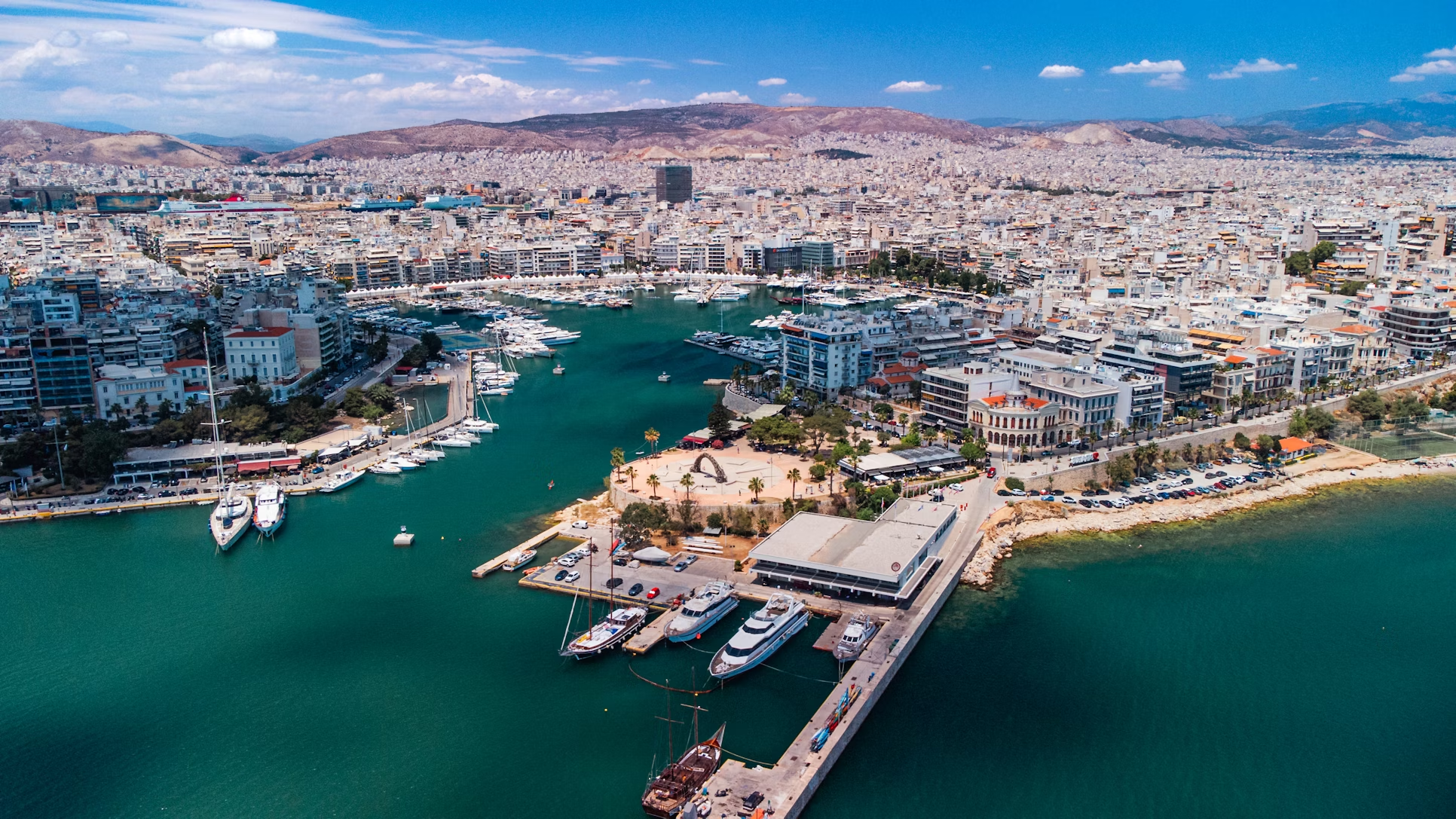
While a day trip from Piraeus to Milos is technically possible, it requires careful planning and would result in limited time to explore the island. The earliest ferry departs Piraeus at 07:30, arriving in Milos by mid-morning if taking the fastest SeaJets service. With the latest return sailing at 21:00, this would potentially give you around 8-10 hours on the island.
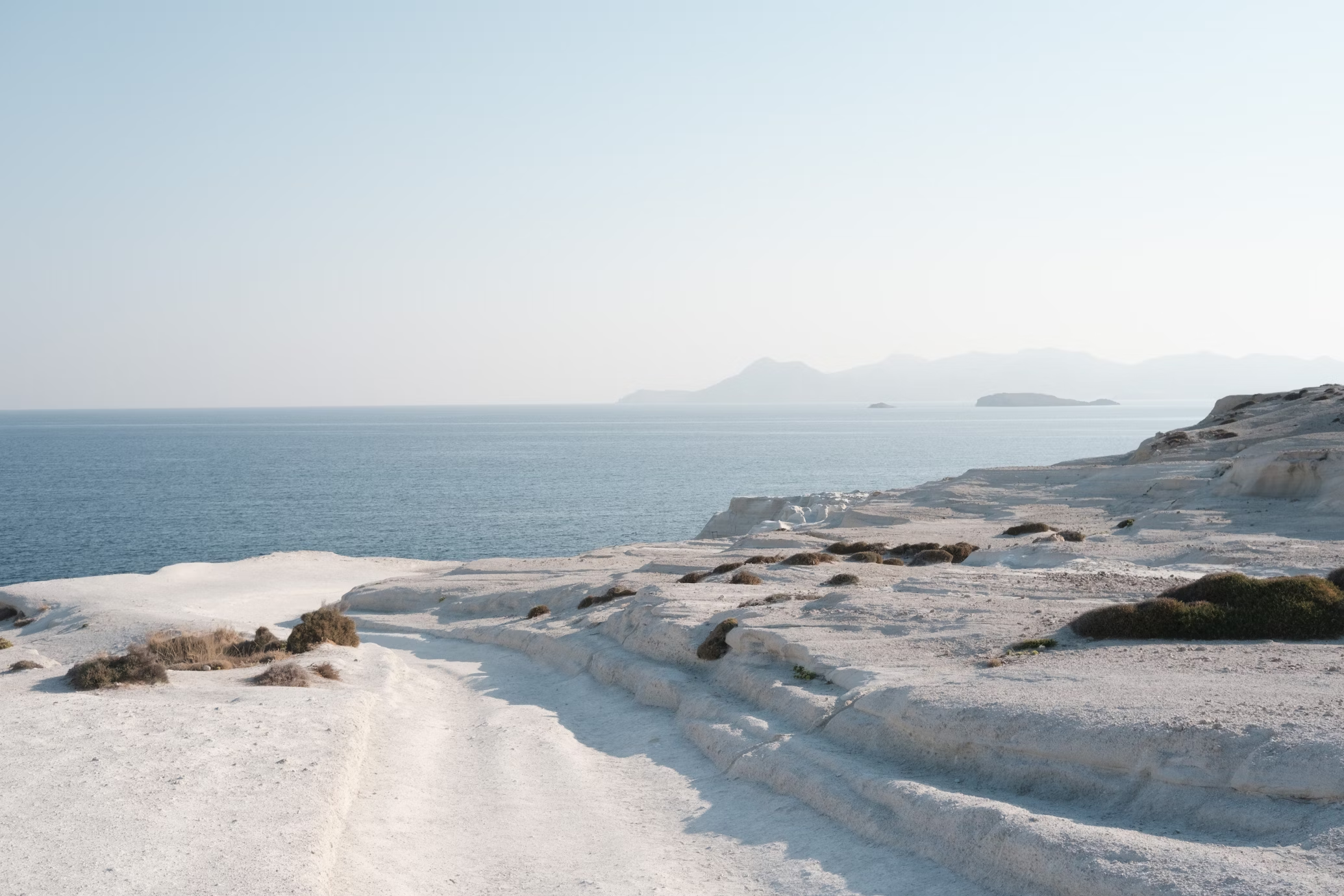
For a day trip, we recommend focusing your activities around Adamas and perhaps one or two nearby attractions. You could explore the charming port town, visit the Mining Museum to learn about the island's industrial heritage, and perhaps take a quick taxi to the iconic Sarakiniko Beach with its moon-like white volcanic landscape – one of the island's most photographed locations.
However, we strongly recommend staying at least one night on Milos to truly appreciate what the island has to offer. With over 70 beaches, fascinating geological formations, and picturesque villages, Milos deserves more than just a few hours of exploration. A more realistic minimum stay would be 2-3 days to experience the highlights without feeling rushed.
If you're determined to make a day trip, consider booking the earliest high-speed ferry and the latest return sailing to maximise your time on the island. Alternatively, nearby islands like Aegina might be more suitable for day trips from Piraeus, with shorter sailing times allowing for more exploration time.
Milos offers an impressive array of attractions for visitors, from natural wonders to historical sites:
This otherworldly landscape of smooth, white volcanic rock formations resembles a lunar surface meeting the brilliant blue sea. It's perfect for photography, sunbathing, and cliff jumping for the adventurous. Open all day, this natural attraction is free to visit and most stunning in morning light.
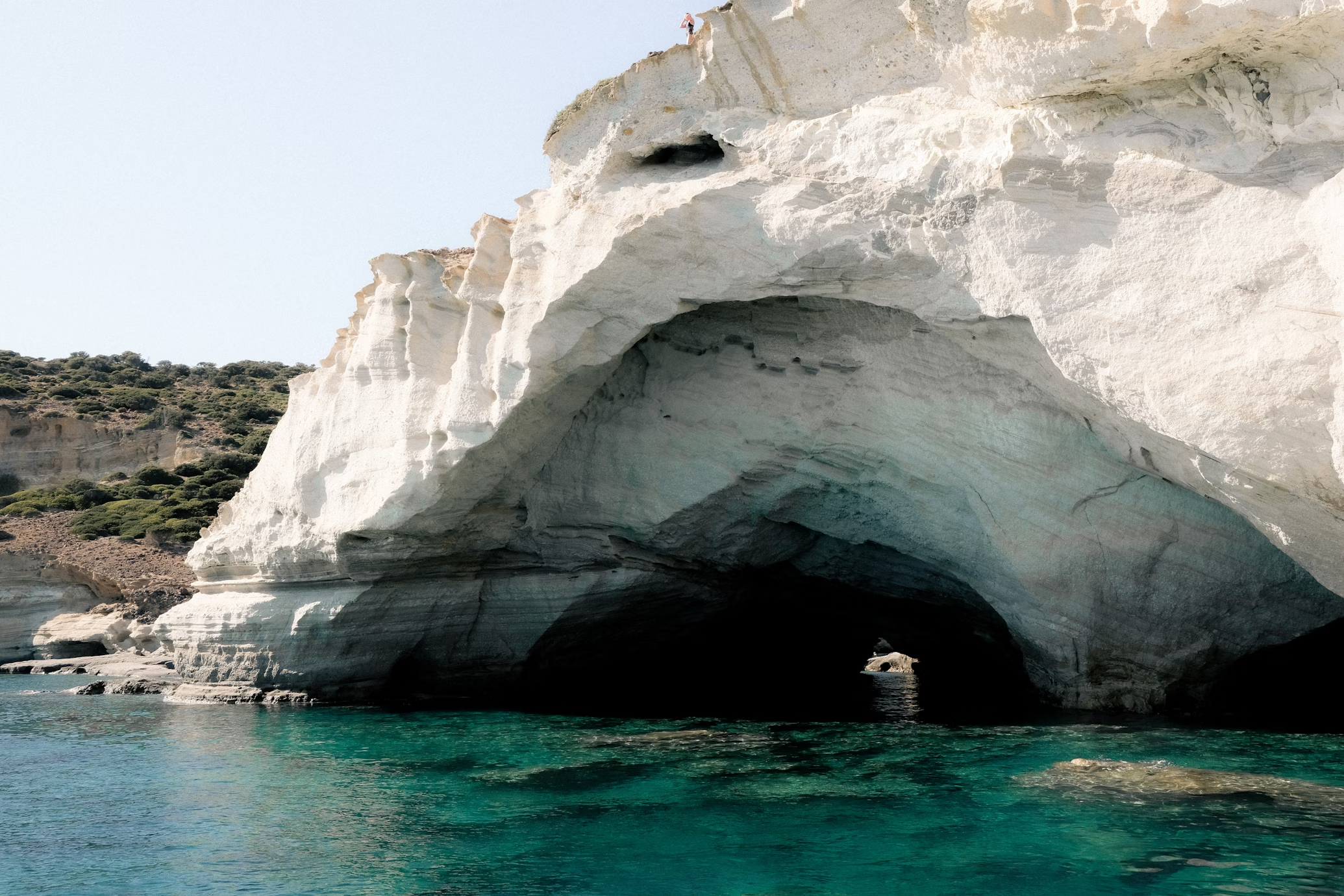
Once a pirate hideout, these impressive white rock formations and sea caves are accessible only by boat. Numerous boat tours operate daily from Adamas (around £40-60 per person), typically including swimming and snorkelling stops in the crystal-clear waters.
Dating from the 1st-5th centuries AD, these ancient Christian catacombs near the village of Trypiti are among the most important early Christian monuments in Greece. Open Tuesday-Sunday, 8:30-15:30, entry costs approximately £4.
This well-preserved Roman theatre offers spectacular views over the gulf of Milos. Built during the Hellenistic period and reconstructed during Roman times, it still hosts occasional summer performances. It's open daily with free entry.
Located in Adamas, this fascinating museum documents the island's 11,000-year mining history and unique geology. Open daily except Sundays during summer (reduced hours in winter), entry costs around £5.
Milos offers diverse areas to explore, each with its own distinct character:
Plaka, the island's capital, sits perched on a hill overlooking the gulf. This traditional Cycladic village features whitewashed houses, narrow winding streets, and spectacular sunset views. Visit the Archaeological Museum, the Folklore Museum, and enjoy dinner at one of the rooftop restaurants with panoramic vistas.
Adamas, the main port, serves as the island's commercial centre with the greatest concentration of restaurants, shops, and services. Its waterfront promenade is perfect for evening strolls, with numerous tavernas serving fresh seafood.
Pollonia, on the northeastern tip, is a charming fishing village that has developed into a relaxed resort area. It offers a beautiful beach, excellent seafood restaurants, and a more laid-back atmosphere than Adamas.
For authentic local experiences, venture to Tripiti and Klima. Tripiti offers traditional architecture and historical sites, while Klima is famous for its colourful syrmata – traditional fishermen's houses built into the rocks at sea level, with boat garages on the ground floor and living quarters above.
Milos enjoys a typical Mediterranean climate with distinct seasonal variations that can impact your travel experience. Summers (June to September) bring hot, dry conditions with temperatures regularly reaching 28-32°C. These months see minimal rainfall and abundant sunshine, making them ideal for beach activities and water sports. However, this is also when the meltemi winds can be strongest – these seasonal north winds can create choppy sea conditions that occasionally affect ferry schedules.
Spring (April to May) and autumn (October to November) offer milder temperatures ranging from 18-25°C with moderate humidity and fewer crowds. These shoulder seasons provide excellent conditions for hiking and exploring the island's attractions without the summer heat. There's a slight increase in rainfall, particularly in October and November, but precipitation typically comes in short bursts rather than extended periods.
Winter (December to March) brings cooler temperatures averaging 12-16°C with increased rainfall and occasional stormy periods. While still milder than much of northern Europe, winter sees reduced ferry schedules and some seasonal businesses close. However, the island maintains its authentic character during these quieter months, offering a glimpse of local life without the tourist influence.
Ferry operations can be affected by weather conditions, particularly during winter when strong winds and rough seas may cause delays or cancellations. The high-speed services like those operated by SeaJets are more susceptible to weather disruptions than conventional ferries, which generally maintain more consistent service even in moderate sea conditions.
Milos offers options for various budget levels, though prices generally increase during the peak summer season. A basic daily budget for budget travellers might range from £50-80 per day, including modest accommodation, inexpensive taverna meals, and limited activities. Mid-range travellers should expect to spend £80-150 daily for comfortable accommodations, good restaurant meals, and regular activities or tours. Luxury travellers can easily spend £150+ daily, particularly when staying in boutique hotels with caldera views or enjoying premium dining experiences.
For specific expenses, a meal at an inexpensive taverna typically costs £12-18 per person, while a three-course dinner at a mid-range restaurant ranges from £25-40. A local beer costs around £3-5, and a cappuccino about £2.50-3.50. Local bus journeys are economical at £1.50-2.50 per ride, while taxis start at around £3.50 plus £1-1.50 per kilometre.
To save money, consider visiting during shoulder seasons (May-early June or September-October) when prices drop but weather remains favourable. Many accommodations offer significant discounts during these periods. Eating where locals eat, particularly away from main tourist areas, can reduce food costs considerably. The local bus network provides an affordable way to explore the island, though rental vehicles offer more flexibility for reaching remote beaches.
The peak season in Milos runs from mid-June through August, characterised by hot weather, crowded beaches, and maximum service availability. During this period, all attractions, restaurants, and transportation options operate at full capacity. However, accommodation prices can be 30-50% higher than shoulder seasons, and popular sites like Sarakiniko Beach can become crowded, particularly when cruise ships visit.
The shoulder seasons of May to early June and September to early October offer an excellent balance of pleasant weather, reduced crowds, and moderate prices. Temperatures remain warm enough for swimming and beach activities, typically ranging from 20-27°C. Most businesses remain open, but you'll enjoy more space at beaches and archaeological sites. Ferry connections remain frequent, though slightly reduced from peak summer schedules.
The winter off-season (November through April) sees significantly reduced tourism infrastructure. Many seasonal businesses close, and ferry connections become less frequent. However, this period offers authentic experiences of local island life, dramatically lower accommodation prices, and peaceful exploration of the landscape. Winter visitors can enjoy hiking, photography, and cultural experiences without crowds, though swimming may be possible only for the most hardy.
For specific traveller types, families might prefer June or September when the sea is warm but beaches less crowded. Photography enthusiasts should consider May or October when the light is exceptional and the landscape at its most colourful. Those interested in cultural experiences might enjoy Easter celebrations, typically occurring in April or early May, when the island observes traditional festivities.
Finding the perfect place to stay in Milos depends on your travel style and budget. The island offers a variety of accommodation options to suit different needs.
For budget-conscious travellers, consider guesthouses in Adamas (the main port) or Plaka (the capital), with prices starting around £40-60 per night. These central locations put you close to restaurants, shops, and transportation links.
Couples seeking romance might prefer boutique hotels in Pollonia or Plaka, offering stunning sunset views over the Aegean. These typically range from £80-150 per night depending on the season.
Families will find spacious apartments and holiday rentals throughout the island, particularly in Adamas, providing kitchen facilities and more space. Many family-friendly accommodations feature swimming pools with prices between £100-200 per night.
Campers can enjoy the island's natural beauty at organised campsites near Achivadolimni Beach, offering tent pitches from £10-15 per person or campervan spots from £20-30 per night.
We recommend booking accommodation well in advance, especially if travelling during the peak summer months (June-August) when Milos becomes particularly popular.
Once you arrive in Adamas, Milos offers several transportation options to explore its stunning landscapes and beaches.
The local bus network connects major villages and beaches, with routes running from Adamas to Plaka, Pollonia, and popular beaches like Sarakiniko. Single tickets cost around £1.50-2.50, making this an affordable option for budget travellers.
Taxis are readily available at the port and main villages. While convenient, they can be expensive for longer journeys across the island, with fares starting at around £8-10 for short trips.
Renting a vehicle gives you the freedom to discover Milos at your own pace. Car rentals start from approximately £30-45 per day, while scooters and ATVs offer a more adventurous option from £15-30 daily. The island's compact size (about 23km long) makes it perfect for independent exploration.
For eco-conscious travellers, bicycle rentals are available in Adamas, though be prepared for some hills and hot summer temperatures if cycling longer distances.
Many visitors combine transportation methods, using buses for longer journeys and exploring villages on foot, as many of Milos' most charming spots feature pedestrian-friendly pathways.
Travelling to Milos by ferry opens up a world of adventure on one of Greece's most geologically fascinating islands. With journey times as quick as 2 hours 35 minutes with SeaJets, or more leisurely 7-hour voyages, you can choose the sailing that best suits your travel style.
With 18 weekly connections and around 82 monthly sailings, accessing this Cycladic gem is convenient year-round. The route covers approximately 153km (95 miles) across the sparkling Aegean Sea, with ferries departing as early as 07:30 or as late as 21:00, giving you flexibility for your travel plans.
Whether you're drawn to Milos for its extraordinary moon-like landscapes, the famous white cliffs of Sarakiniko, or the 70+ stunning beaches that range from organised to secluded, your journey begins with the scenic ferry crossing from mainland Greece.
Book your ferry tickets in advance to secure the best fares and your preferred sailing times, especially during the summer months when services can fill quickly. With an average price of around £273 for the fastest services, your unforgettable Greek island experience is just a sea journey away.