
April 9, 2026

Montevideo Travel Guide: Everything You Need to Know
Are you planning to visit the incredible city of Montevideo? This vibrant destination in South America is typically the first stop for travelers exploring Uruguay. Besides being the capital of Uruguay, Montevideo is very well connected by both ferry and air travel, making it one of the most popular cities in Latin America.
Another great thing about Montevideo is its relaxed pace. It’s a city that’s easy to explore quickly and perfect for one- or two-day trips. This makes it especially appealing if you're planning to include it as part of a larger trip to Buenos Aires. Here’s our comprehensive guide about Montevideo and all the unmissable sights to see while you’re there.
Table of Contents
- Things to See and Do in Montevideo on Your First Visit
- How to Get to Montevideo: Why the Ferry Is a Great Option
- Practical Tips for Your First Trip to Montevideo
- Montevideo Food Guide: Local Dishes You Have to Try
- Frequently Asked Questions About Traveling to Montevideo
Things to See and Do in Montevideo on Your First Visit
Montevideo doesn’t depend on towering monuments or dramatic landmarks to steal your heart. The magic here is cumulative: stroll through the neighborhoods, discover a sun-drenched park, pause in front of a colonial facade, and order coffee somewhere locals actually go. For a first visit, the real secret is to blend city walks, cultural spots, green spaces, and historic landmarks into something that feels less like sightseeing and more like living.
Ciudad Vieja (Montevideo Old Town)
Ciudad Vieja, also known as Montevideo Old Town, is the perfect place to start exploring the city. This historic district houses many of the city’s most important buildings and reflects Montevideo’s roots dating back to the colonial era.
Don't leave without spending time on Peatonal Sarandí, the city's beloved pedestrian street where indie boutiques stand side-by-side with hole-in-the-wall cafés. The energy here is infectious at every time of day. It's also one of the best starting points for a walking tour if you wish to find the history behind what you're seeing.
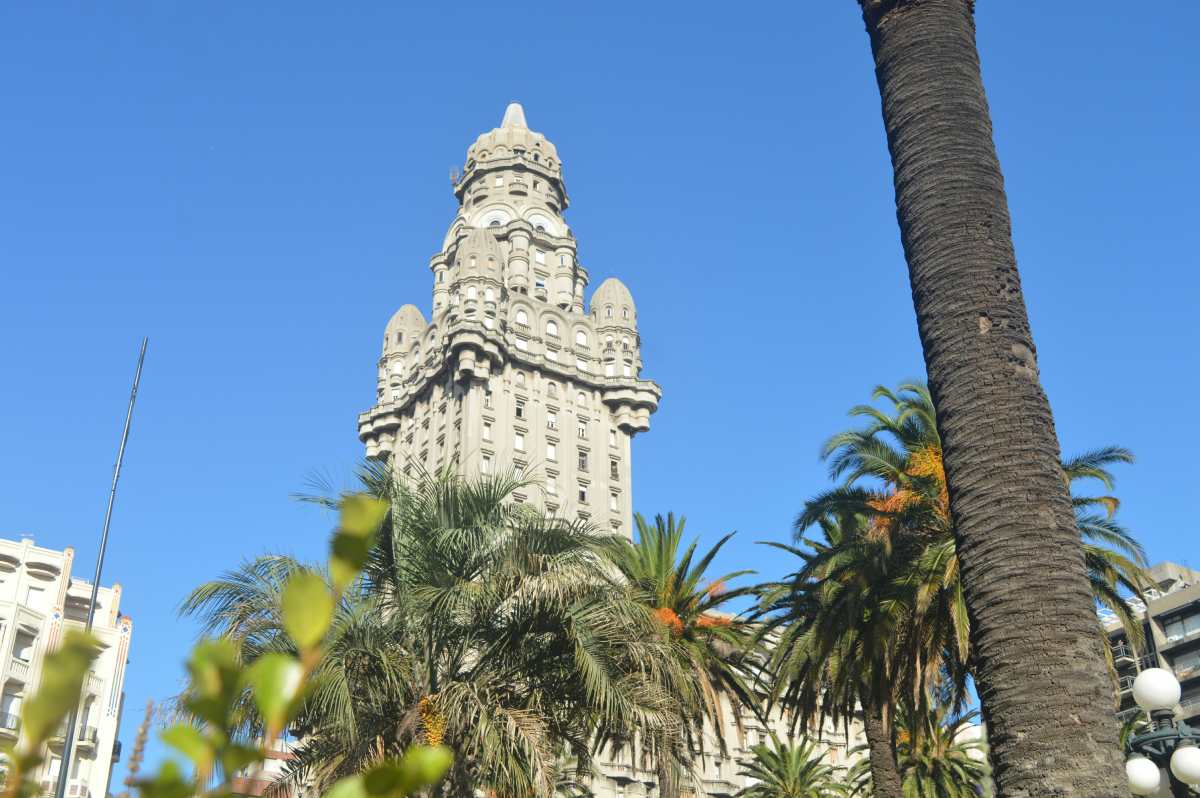
Nearby you'll find the iconic Palacio Salvo, one of Montevideo’s most recognizable buildings. Its unique silhouette takes up the skyline and is one of the city’s most photographed landmarks. Just a few steps away stands the Teatro Solís, Uruguay’s most important theater. Even seeing it from the outside is worthwhile, though visiting inside or attending a performance is even better.
Plaza Independencia and City Views
Plaza Independencia connects Ciudad Vieja with the modern downtown area and serves as one of the city’s main landmarks. From here, wide avenues lead toward government buildings and rejuvenated parts of the city, reflecting how Montevideo has evolved over the years.
Nearby you’ll find the Montevideo City Hall building, which many travelers overlook. However, its observation deck provides unrivalled vistas of the city and is well worth visiting if you want to capture some great photos of Montevideo from above.
La Rambla and the Río de la Plata
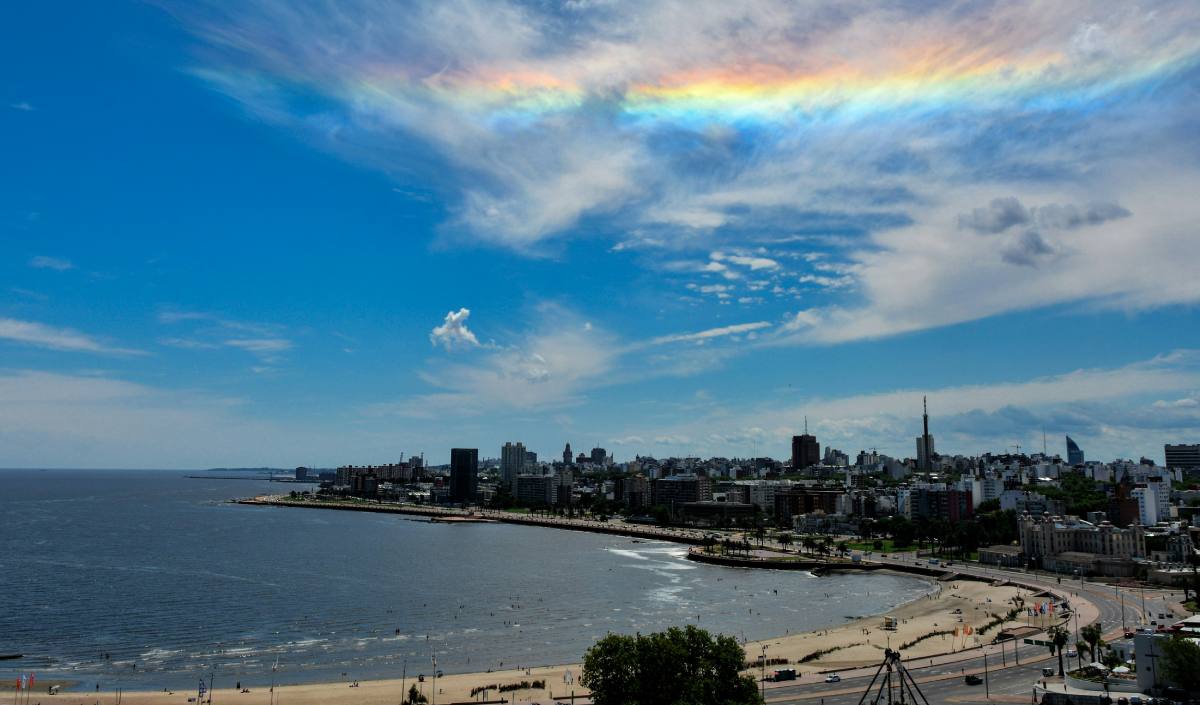
La Rambla is one of the most important places in the city. This sweeping waterfront promenade is one of the longest in the world, stretching for many miles along the Río de la Plata.
At any hour you'll pass joggers, fishermen casting lines into the river, and families relaxing on the low stone walls. We suggest visiting at golden hour if you can as sunset over the Río de la Plata is a sight that will last long in the memory.
Urban Beaches and Coastal Neighborhoods
Dotted along La Rambla, Montevideo's urban beaches give the city a relaxed, almost resort-like quality that catches many first-time visitors by surprise. Pocitos Beach is a wide, sandy beach where locals come together to sunbathe and play paddle. It's the type of place that makes you want to cancel your afternoon plans.
The surrounding Pocitos neighborhood perfectly embodies that relaxed energy synonymous with Montevideo. Tree-lined streets lead to excellent restaurants and cafés, and if you're deciding where to stay, this area has some of the most appealing boutique hotel options among the wider range of Montevideo hotels.
Further west lies Punta Carretas, an elegant and quieter neighborhood ideal for wandering without a plan and finishing the day with dinner by the water. However, before you settle down for the evening, seek out the enigmatic Castillo Pittamiglio, a bizarre, symbolic building that looks like it escaped from a fever dream.
Parks, Museums, and Culture
For a city of its size, Montevideo punches well above its weight when it comes to green space. Parque Rodó is one of the city’s most popular parks and a perfect place to unwind and reenergise after a morning of sightseeing.
If you enjoy immersing yourself in South American culture, Montevideo has several museums worth visiting. One highlight is the Museo Blanes located near the Botanical Garden in the Prado neighborhood. the surrounding residential streets offer a genuinely peaceful contrast to the busier parts of the city.
For a different experience altogether, wine lovers should make time for a short trip out of town to Bodega Bouza, one of Uruguay's most celebrated wineries and a thoroughly civilised way to spend an afternoon.
Estadio Centenario and Cerro Views
Soccer fans cannot miss the historic Estadio Centenario. This is where the first FIFA World Cup final was played, and even if you can't watch a match, the history embedded in its walls is worth the visit alone.
For a better view of the city, head up to Fortaleza del Cerro, where you can enjoy panoramic views over the bay and the port.
If you have more time, consider exploring other parts of Uruguay as well. Destinations like Punta del Este and Colonia del Sacramento make excellent day trips from Montevideo. Colonia’s historic district dates back to the colonial era and is recognized as a UNESCO World Heritage site.
How to Get to Montevideo
If you're looking for a comfortable and scenic option, taking a ferry to Montevideo is one of the best ways to arrive. Crossing the Río de la Plata by boat is a scenic and unhurried experience that will only add to the occasion.
Arrival and Port Area
Ferries typically arrive at the Port of Montevideo, which is conveniently located near Ciudad Vieja and the city center. From the port you can quickly reach neighborhoods like Punta Carretas or downtown by taxi or rideshare in just a few minutes.
Combining Montevideo and Buenos Aires
If you're flying into Buenos Aires, it’s very easy to visit Montevideo as well. The Buenos Aires to Montevideo ferry is one of the most popular routes in South America and makes it simple to combine both cities in one trip.
Route information:
- Route: Buenos Aires to Montevideo
- Operators: Buquebus & Colonia Express
- Duration: 2 hours 30 minutes
- Daily Sailings: 7
- Estimated Round Trip Price: From $62.53
Arriving by Plane
If you arrive via the Carrasco International Airport, getting into the city is very straightforward. Buses run frequently throughout the day, and taxis take approximately an hour bus ride equivalent depending on traffic.
Practical Tips for Your First Trip to Montevideo
Here are some of our best travel tips for those who are visiting Montevideo for the first time.
| Topic | Travel Tip |
|---|---|
| Trip length | One or two days is usually enough to explore the main attractions. |
| Best time to visit | Spring and fall offer the most pleasant temperatures. |
| Money | Credit cards are widely accepted, but carrying some Uruguayan pesos is helpful. |
| Safety | If you're wondering is Montevideo safe, the answer is generally yes. Like any city, use common sense and stay aware at night. |
| Language | Spanish is the official language. If you're curious about the correct Montevideo pronunciation, locals say “Mon-teh-vi-DAY-oh.” |
| Getting around | Walking, taxis, and buses make it easy to move around the city. |
Montevideo Food Guide
Food is a large part of any trip to Montevideo. You’ll find many of these traditional dishes served in parrillas, markets, and restaurants throughout the city.
- Chivito: Uruguay’s famous steak sandwich made with beef, ham, cheese, egg, lettuce, tomato, and mayonnaise.
- Asado: Uruguay’s legendary barbecue tradition with high-quality grilled meats.
- Milanesa: A breaded meat cutlet usually served with fries or salad.
- Choripán: A grilled chorizo sandwich served with chimichurri.
- Dulce de leche: A beloved caramel spread used in desserts, pastries, and ice cream.
- Alfajores: Sweet cookies filled with dulce de leche and often covered in chocolate.
One of the best places to try many of these dishes is Mercado del Puerto, a historic market famous for its grilled meats and lively atmosphere.
Frequently Asked Questions About Traveling to Montevideo
How many days do you need in Montevideo?
Most travelers find that two to three days in Montevideo is the sweet spot for a first visit. This is usually enough time to explore the main neighborhoods, walk La Rambla, and soak up the city's unhurried atmosphere without compromise. If you only have one day, we recommend that you prioritize Ciudad Vieja, a sunset stroll along the waterfront, and dinner in Pocitos or Punta Carretas.
However, many visitors find themselves wanting more time. You can spend a third or fourth day taking day trips to Colonia del Sacramento or Punta del Este. A long weekend is perfect if you want to combine city exploration with excursions and still have time to sit in a park with a mate and do absolutely nothing.
What documents do you need to visit Uruguay?
For most visitors, entering Uruguay is very easy. Citizens of the European Union, including Spain, along with travelers from the United States, Canada, the United Kingdom and Australia, only need a valid passport for tourist stays of up to 90 days — no visa required. Your passport should ideally be valid for the duration of your stay, though many authorities recommend at least six months of remaining validity as a precaution.
If you're arriving via the ferry from Buenos Aires to Montevideo, you will go through standard immigration and customs procedures at the Port of Montevideo, so make sure you have your documents at hand. It's also worth carrying a printed or digital copy of your accommodation details and onward travel plans, as border officers occasionally ask.
Is it better to arrive in Montevideo by ferry or plane?
That all depends on where you're traveling from. If you're arriving from Buenos Aires, the ferry to Montevideo is undoubtedly the most convenient option. The crossing takes approximately 4 hours with Buquebus and Colonia Express, offering sweeping views of the Río de la Plata, and drops you right in the heart of the city at the Port of Montevideo, just minutes from Ciudad Vieja.
Flying makes more sense if you're traveling from further afield. Montevideo's Carrasco International Airport connects the city to major hubs across South America and Europe. For those combining Montevideo and Buenos Aires in a single itinerary, the most popular approach is to fly into one city and take the ferry between the two, making the most of both the convenience and the experience.
Is Montevideo safe for tourists?
Montevideo is widely considered one of the safest cities in South America for tourists. The city has a relatively low crime rate by regional standards, and violent incidents involving tourists are incredibly rare.
However, we still recommend that you take sensible precautions during your visit. Be mindful of your belongings in busy areas like Peatonal Sarandí and the Ciudad Vieja market, avoid displaying expensive cameras or electronics unnecessarily, and stick to well-lit streets at night if you're walking in unfamiliar neighborhoods. Pocitos and Punta Carretas are considered among the most tourist-friendly areas in the city, making them excellent choices for accommodation.
What should I not miss during a 4-day visit to Uruguay?
With four days in Uruguay, you can explore several destinations without rushing. Spend one or two days discovering Montevideo, then take day trips to other notable places such as Punta del Este, Uruguay’s famous beach resort, or Colonia del Sacramento.
Colonia del Sacramento is particularly special because its historic district dates back to the colonial era and is recognized as a UNESCO World Heritage site. Its cobblestone streets and historic buildings make it one of the most charming places in South America.
Book Your Ferry to Montevideo
Montevideo is not only a great place to start exploring Uruguay, but also one of the easiest cities to reach by sea. Thanks to frequent ferry routes across the Río de la Plata, traveling between Buenos Aires and the capital of Uruguay is so straightforward.
Ready to start planning your trip? Compare routes, schedules, and prices today and book your ferry to Montevideo to begin your adventure in Uruguay.