Travelling from Sifnos to Piraeus: Complete Ferry & Travel Guide
Route Guides
Route Guides

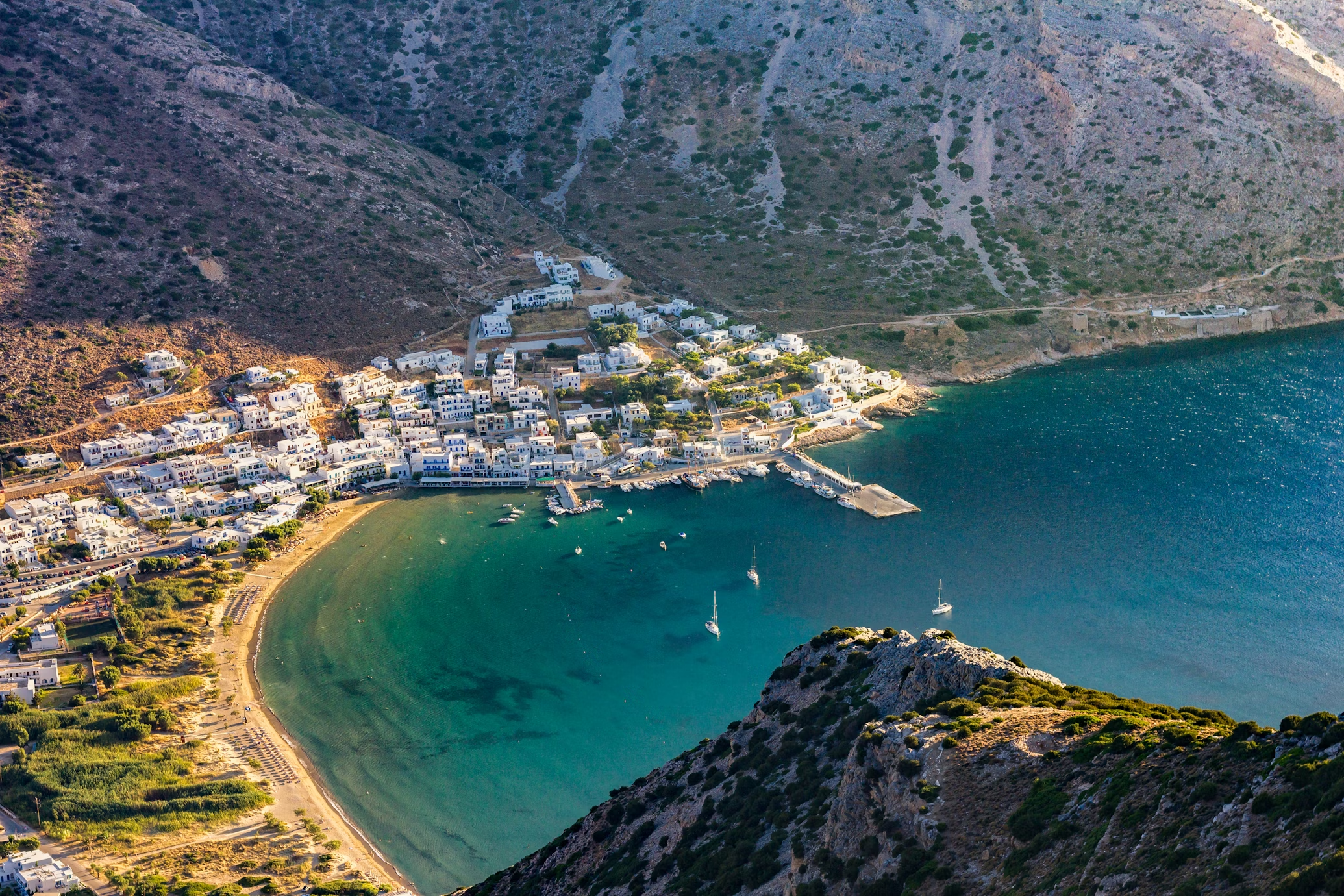
Planning a journey from the charming Cycladic island of Sifnos to Athens' main port of Piraeus? You've got options to consider. This picturesque route across the Aegean Sea is primarily served by regular ferry connections, offering travellers a scenic and authentic Greek island travel experience. With approximately 12 weekly sailings and a distance of 81.3 nautical miles (150.5 km), the journey between Sifnos and Piraeus has become a well-travelled path for both tourists and locals.
This comprehensive guide covers everything you need to know about ferry travel from Sifnos to Piraeus, including schedules, prices, port information, and suggestions for making the most of your visit.
When planning your journey from Sifnos to Piraeus, you'll find that ferry travel is your primary option. Sifnos doesn't have an airport, making sea travel the necessary choice for reaching the mainland.
The Sifnos to Piraeus ferry spans approximately 150.5 kilometres (93.5 miles) across the beautiful Aegean Sea. The average journey time is around 2 hours and 50 minutes, though this varies significantly depending on which ferry service you choose.
SeaJets operates the fastest ferry service on this route, with journey times of approximately 2 hours and 30 minutes. These high-speed vessels offer a quicker alternative for travellers pressed for time, though they typically command higher prices, averaging around £143 per journey.
For those who prefer a more leisurely pace or are looking for more economical options, conventional ferries are available with journey times extending up to 7 hours and 50 minutes. These longer crossings offer the chance to truly soak in the magnificent views of the Aegean and the passing islands.
The route is served by approximately 2 daily sailings, totalling about 12 departures per week and 53 monthly connections. This frequency provides good flexibility for planning your trip, though we recommend booking in advance, especially during the busy summer months when demand peaks.
While ferry travel is the only direct option from Sifnos, some travellers might consider a combined approach - taking a ferry to a nearby island with an airport (such as Milos or Santorini) and then flying to Athens. However, this is typically more complicated, time-consuming, and expensive than the direct ferry route to Piraeus.
You can take a ferry from Sifnos to Piraeus. Ferries sail in around 2 hours and 50 minutes with about 2 sailings a day. The fastest ferry sails in around 2 hours and 30 minutes and is provided by SeaJets. Ferry prices can range depending on operator, whether it is a conventional or fast ferry and time of year, with SeaJets' high-speed service averaging around £143. Departures start as early as 10:55, with the last departure from Sifnos to Piraeus at 20:20.
SeaJets is the premier operator on this route, offering the fastest connection between Sifnos and Piraeus. Their modern fleet features comfortable seating, snack bars, and air-conditioned cabins. While their tickets come at a premium price point (around £143), the time saved and enhanced comfort make it a worthwhile consideration for many travellers.
When travelling on ferries between Sifnos and Piraeus, you can expect varying levels of onboard amenities depending on the vessel type. Most ferries offer comfortable seating areas, cafés or restaurants serving snacks and meals, and outdoor deck space where you can enjoy the spectacular Aegean views. Larger conventional ferries typically provide more extensive facilities, potentially including lounges, full-service restaurants, and sometimes cabin accommodations for those who prefer privacy.
The ferry schedule between Sifnos and Piraeus remains relatively stable throughout the year, with approximately 12 weekly sailings. However, it's worth noting that during the peak summer tourist season (June to September), additional services may be added to accommodate increased demand. Conversely, during winter months, adverse weather conditions occasionally cause cancellations or delays, so building some flexibility into your travel plans is advisable.
Kamares Port is the main gateway to Sifnos, located in the village of the same name on the island's western coast. This picturesque harbour is well-equipped to handle ferry traffic and provides essential services for travellers.
The port is easily accessible from all parts of the island. If you're staying in Apollonia (the island's capital) or other villages, local buses run regularly to Kamares, particularly timed to connect with ferry arrivals and departures. Alternatively, taxis are readily available across the island, though it's advisable to book in advance during busy periods. For those who have rented vehicles, there is parking available near the port, though spaces can be limited during peak season.
At Kamares Port, you'll find basic but adequate facilities including a waiting area, public toilets, and several cafés and restaurants where you can grab a bite before your journey. There are also shops selling essentials and souvenirs. We recommend arriving at least 45 minutes before your scheduled departure to allow time for boarding procedures.
Piraeus is the main port of Athens and one of the largest passenger ports in Europe, handling millions of travellers annually. Due to its size, navigating Piraeus can initially seem daunting, but the port is well-organised with clear signage.
Ferries from Sifnos typically arrive at gates E6-E8, though this can vary, so it's wise to check your ticket or ask crew members before disembarking. Once ashore, you'll find a range of transportation options to reach Athens city centre or other destinations. The most convenient is the Metro Line 1 (Green Line), with Piraeus station just a 10-15 minute walk from most ferry gates. This connects directly to central Athens in approximately 20 minutes.
Alternatively, numerous buses serve routes between the port and various parts of Athens. Taxis are abundantly available outside the ferry terminals, and ride-sharing services also operate in the area. If you're continuing your journey to Athens International Airport, the X96 express bus runs 24/7 from the port, taking 50-90 minutes depending on traffic.
Within the port area, you'll find a comprehensive range of facilities including ATMs, currency exchange services, luggage storage, cafés, restaurants, and shops. There are also tourist information points where you can get maps and advice about Athens and onward travel.
Is it feasible to visit Piraeus and Athens as a day trip from Sifnos? The answer is yes, but with some careful planning and an early start. With the earliest ferry departing Sifnos at 10:55 and a journey time of at least 2 hours and 30 minutes on the fastest service, you would arrive in Piraeus around 13:25 at the earliest.
Considering the latest return ferry departs at 20:20, this gives you approximately 7 hours to explore – sufficient for a brief taste of Athens but requiring efficient use of your time. We recommend focusing on one or two key attractions rather than attempting to see everything.
A practical itinerary might involve taking the Metro directly from Piraeus to Monastiraki or Thiseio stations, placing you within walking distance of the Acropolis and Ancient Agora. After visiting these historic sites, you could explore the charming neighbourhoods of Plaka or Anafiotika, have a late lunch at a traditional taverna, and perhaps squeeze in a quick visit to the Acropolis Museum before heading back to Piraeus.
For a less rushed experience, we recommend considering an overnight stay in Athens. This would allow you to experience the city more fully, including its vibrant evening atmosphere and perhaps a dinner with a view of the illuminated Acropolis – a truly magical experience.
Alternatively, if your primary interest is Piraeus itself rather than Athens, a day trip becomes more manageable. You could explore the Maritime Museum, stroll through the picturesque Mikrolimano harbour area with its seafood restaurants, or visit the archaeological site of the Ancient Theatre of Zea.

While many travellers see Piraeus merely as the gateway to Athens, this historic port city has its own distinct character and attractions worth exploring:
Archaeological Museum of Piraeus - Housing a remarkable collection of bronze statues, ancient ceramics, and sculptures recovered from the harbour and surrounding areas. Open Tuesday to Sunday, 8:30-15:00. The bronze statues of Artemis and Athena are particularly impressive.
Mikrolimano Harbour - A picturesque fishing harbour lined with excellent seafood restaurants and cafés. This charming area offers beautiful views of moored fishing boats and luxury yachts, making it perfect for a leisurely meal or sunset drinks.
Piraeus Municipal Theatre - An impressive neoclassical building dating from 1895, hosting various performances and cultural events. Even if you don't catch a show, the architecture alone makes it worth visiting.
Zea Marina (Pasalimani) - One of the largest marinas in the Mediterranean, offering a pleasant promenade with cafés, restaurants, and shops. Great for people-watching and yacht-spotting.
Hellenic Maritime Museum - Celebrating Greece's rich naval history with exhibits spanning from ancient times to the modern era. Features ship models, naval instruments, maps, and paintings. Open Tuesday to Saturday, 9:00-14:00.
Piraeus consists of several distinct districts, each with its own atmosphere:
Central Piraeus - The commercial heart around the main port, bustling with shops, services, and the central market. This area connects directly to the metro and is where most ferry terminals are located.
Kastella - Built on a hill overlooking the sea, this is perhaps the most picturesque neighbourhood in Piraeus. Its narrow streets, neoclassical houses, and panoramic views make it ideal for a romantic stroll. The Prophet Elias Church at the top offers the best vantage point.
Mikrolimano & Pasalimani - These adjacent harbour areas represent the more cosmopolitan face of Piraeus, with upscale restaurants, cafés, and bars. They become particularly lively in the evenings when locals and visitors come for dinner by the sea.
Drapetsona & Keratsini - These formerly industrial areas are gradually transforming, with cultural spaces and artistic initiatives emerging alongside their working-class character.
Freatida - A coastal neighbourhood with a small beach and several fish tavernas, offering a more relaxed atmosphere than the central areas.
Piraeus enjoys a typical Mediterranean climate with mild, rainy winters and hot, dry summers. The weather patterns closely mirror those of Athens, given their proximity.
Summer (June to September) brings consistent sunshine and high temperatures, often reaching 30-35°C (86-95°F). July and August are the hottest months, with virtually no rainfall and occasionally experiencing heatwaves where temperatures can exceed 40°C (104°F). These months coincide with peak tourist season, so expect more crowded ferries and higher prices.
Spring (April to May) and autumn (October to November) offer perhaps the most pleasant conditions for visiting, with comfortable temperatures ranging from 15-25°C (59-77°F) and moderate crowd levels. These shoulder seasons provide a good balance of pleasant weather and more affordable travel options.
Winter (December to March) is mild by northern European standards, with temperatures typically between 5-15°C (41-59°F). This period sees the most rainfall, though prolonged wet spells are uncommon. January and February are the coolest months.
Regarding ferry operations, weather conditions can impact services particularly during winter months when strong winds occasionally cause cancellations or delays. The Meltemi winds, which blow from the north across the Aegean primarily in July and August, can also affect ferry schedules, though major disruptions are relatively rare during summer.
Piraeus offers good value compared to many European destinations, though prices have risen in recent years. As a working port city rather than a primary tourist destination, it generally remains more affordable than central Athens.
For budget travellers, a daily expenditure of £40-60 is feasible, covering hostel accommodation, meals at simple tavernas, public transportation, and perhaps one modest attraction. Street food options like souvlaki or gyros (around £3-5) provide economical and authentic dining experiences.
Mid-range travellers should budget approximately £80-120 daily, allowing for comfortable hotels, dining at good-quality restaurants, and more extensive sightseeing. A meal at a traditional taverna typically costs £15-25 per person including wine.
For those seeking luxury, options are somewhat limited compared to central Athens, but upscale hotels and fine dining restaurants in areas like Mikrolimano can push daily budgets to £150+.
Practical costs to consider include: Metro tickets at £1.20 for a 90-minute ticket; taxi from Piraeus to central Athens approximately £15-20 depending on traffic; museum entrance fees averaging £5-8; and coffee at a local café from £1.50-3.50.
The optimal time to visit Piraeus largely depends on your priorities regarding weather, crowds, and budget.
Peak season (mid-June to early September) offers guaranteed sunshine and the most frequent ferry connections to islands like Sifnos. However, this comes with higher prices, more crowded conditions at popular sites and restaurants, and occasionally uncomfortable heat, particularly in July and August. If travelling during this period, booking accommodations and ferry tickets well in advance is essential.
Shoulder seasons (April to mid-June and mid-September to October) provide an excellent compromise. The weather remains generally pleasant with temperatures comfortable for sightseeing, while crowds are noticeably thinner and prices more moderate. Ferry services still operate regularly, though perhaps with slightly reduced frequency compared to peak summer.
Off-peak (November to March) sees the fewest tourists and lowest prices. While some smaller businesses may close or operate reduced hours, most major attractions remain open. Winter weather is mild compared to northern Europe, though rainfall is more common and ferry services may face occasional disruptions due to adverse weather conditions.
For those primarily interested in cultural experiences and urban exploration rather than beach activities, spring and autumn are ideal. May and October offer particularly favourable conditions, with comfortable temperatures, relatively low rainfall, and good value for money.
Notable events in Piraeus include Navy Week (usually late June), the Piraeus Festival (summer months with various cultural performances), and local religious celebrations such as the feast of Saint Spyridon (December 12th), the patron saint of Piraeus.

After your journey from Sifnos, finding the right accommodation in Piraeus or nearby Athens is essential for a comfortable stay. The port city offers various options to suit different preferences and budgets.
For travellers watching their spending, the areas around Piraeus port offer several economical choices. Guesthouses and budget hotels near Pasalimani Marina provide clean, comfortable rooms from £40-60 per night. The Kastella neighbourhood combines affordability with local charm and excellent seafood tavernas within walking distance.
Couples might enjoy the boutique hotels near Mikrolimano with beautiful marina views, typically ranging from £80-150 per night. Families can find spacious apartments and family-friendly hotels in the Zea Marina area, offering convenient access to both the port and local attractions.
If you prefer staying in Athens proper, neighbourhoods like Koukaki and Monastiraki provide excellent bases for exploring the capital while maintaining easy access to Piraeus via metro for your return journey.
Navigating Piraeus and greater Athens is straightforward with several transport options available to visitors.
The Athens metro Line 1 (Green Line) connects Piraeus directly to central Athens, making it easy to visit attractions like the Acropolis. Single tickets cost £1.20 and are valid for 90 minutes across all public transport. The extensive bus network covers areas the metro doesn't reach, with many routes starting from the main port area.
Taxis are plentiful in Piraeus and operate on metres. A typical ride from the port to central Athens costs approximately £15-20 depending on traffic. Ride-sharing services also operate throughout the area, often providing a more predictable fare structure.
Piraeus itself is quite walkable, especially around the marina areas of Zea and Mikrolimano where you'll find numerous restaurants and shops. The port area is compact enough to explore without requiring transport if you're staying nearby.
Travelling between Sifnos and Piraeus by ferry offers an authentic Greek island experience that combines convenience with stunning maritime scenery. With approximately 12 weekly sailings and up to 2 daily departures, you have flexibility in planning your journey across the 81 nautical miles separating these destinations.
For travellers seeking efficiency, SeaJets provides the fastest crossing at just 2 hours 30 minutes, though at a premium price of around £143. If you're not in a rush, longer journeys of up to 7 hours 50 minutes offer a more leisurely experience at lower fares.
Whether you're drawn to Sifnos for its pristine beaches and traditional pottery or heading to Athens to explore ancient wonders, the ferry journey forms an integral part of your Greek adventure.
Ready to experience this classic Greek island route? Book your ferry tickets in advance, especially during peak summer months when the 53 monthly sailings can fill up quickly with travellers eager to experience the beauty of the Cyclades.