Travelling from Dubrovnik to Bari: Complete Ferry & Travel Guide
Route Guides
Route Guides

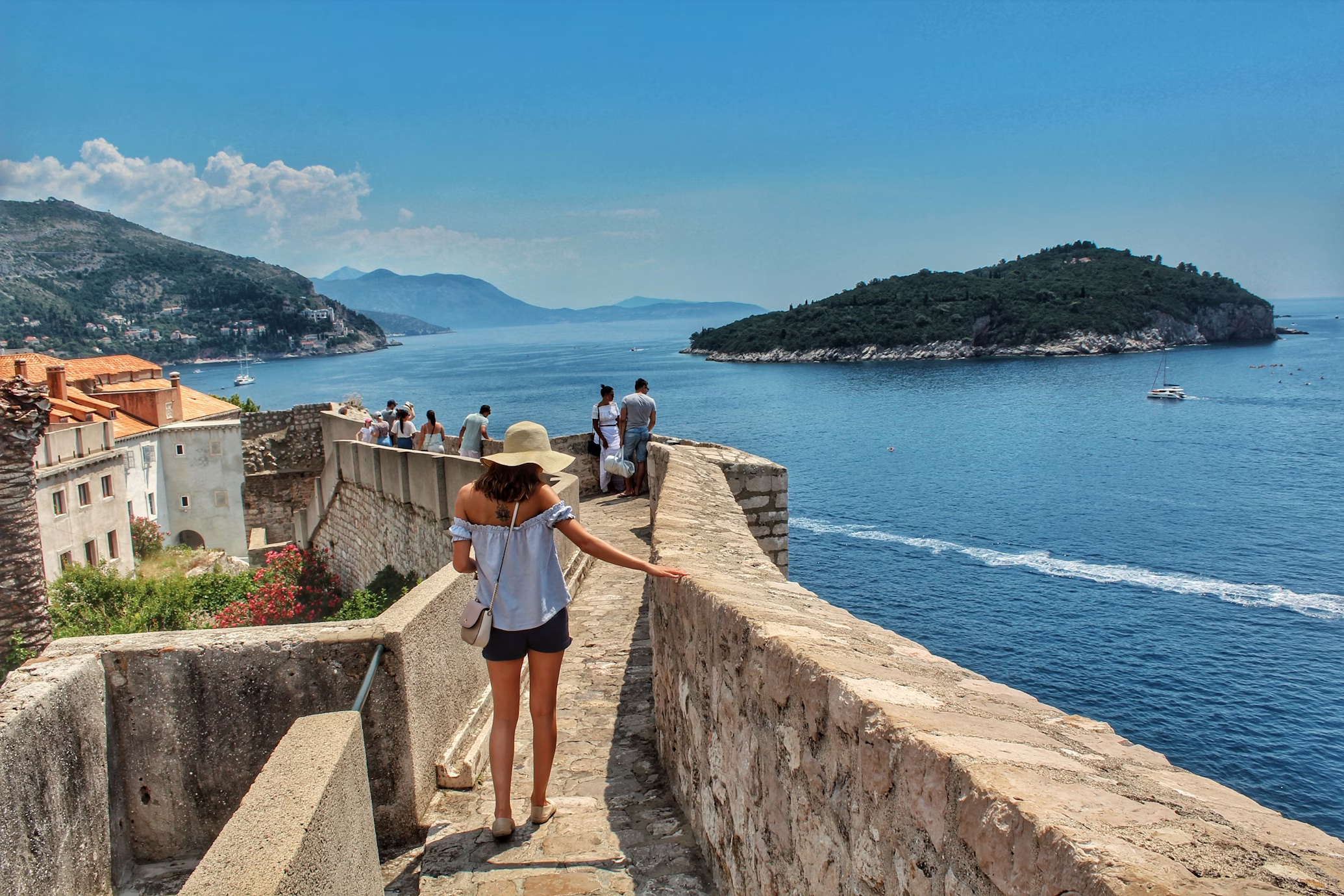
Exploring the journey between the stunning Croatian city of Dubrovnik and the charming Italian port of Bari offers travellers a unique opportunity to experience the beauty of the Adriatic Sea. This popular route connects two of the most captivating coastal destinations in Europe, with ferry services providing a convenient and scenic crossing. Covering approximately 131 miles (211 km) across the Adriatic, this maritime route serves as a vital link between Croatia and Italy.
Whether you're planning a one-way journey or considering a day trip, this comprehensive guide explores everything you need to know about travelling from Dubrovnik to Bari, with a focus on the ferry services that make this journey possible.
When planning your journey from Dubrovnik to Bari, the ferry is your primary transportation option. The ferry route spans approximately 114 nautical miles (211 km) across the Adriatic Sea, offering not just transportation but a memorable travel experience.
Ferry services on this route operate on a regular but not daily schedule, with approximately 3 sailings per week, totalling around 12 sailings per month. This makes advance planning essential, especially during peak travel seasons when tickets can sell out quickly.
The journey time is consistent across operators, with an average duration of 8 hours and 12 minutes. This relatively long crossing means you'll have plenty of time to enjoy the facilities onboard, take in the stunning sea views, and perhaps even catch up on some rest before arriving at your destination.
While flight connections between these destinations might be possible via connecting flights, the direct ferry service offers a straightforward and scenic alternative that allows you to travel with more luggage and avoid airport hassles.
You can take a ferry from Dubrovnik to Bari. Ferries sail in around 8 hours 12 minutes with about 3 sailings per week. The fastest ferry sails in around 8 hours and is provided by Jadrolinija. Departures start as early as 11:00, with the last departure from Dubrovnik to Bari at 22:00.
Jadrolinija is the primary operator serving the Dubrovnik to Bari route, offering the fastest crossing time of approximately 8 hours. As Croatia's largest ferry company with decades of experience navigating the Adriatic, Jadrolinija provides reliable service on this international route.
Their vessels are equipped with various amenities to ensure a comfortable journey across the Adriatic. Passengers can typically expect to find:
The ferry service operates year-round, though schedules may vary seasonally with more frequent crossings during the summer tourist season. The winter schedule typically offers fewer departures, so checking the latest timetables is essential when planning your trip.
For travellers with vehicles, Jadrolinija ferries can accommodate cars, motorcycles, bicycles, and even larger vehicles such as campervans and small buses. Vehicle spaces are limited, however, so booking well in advance is highly recommended, especially during peak travel periods.
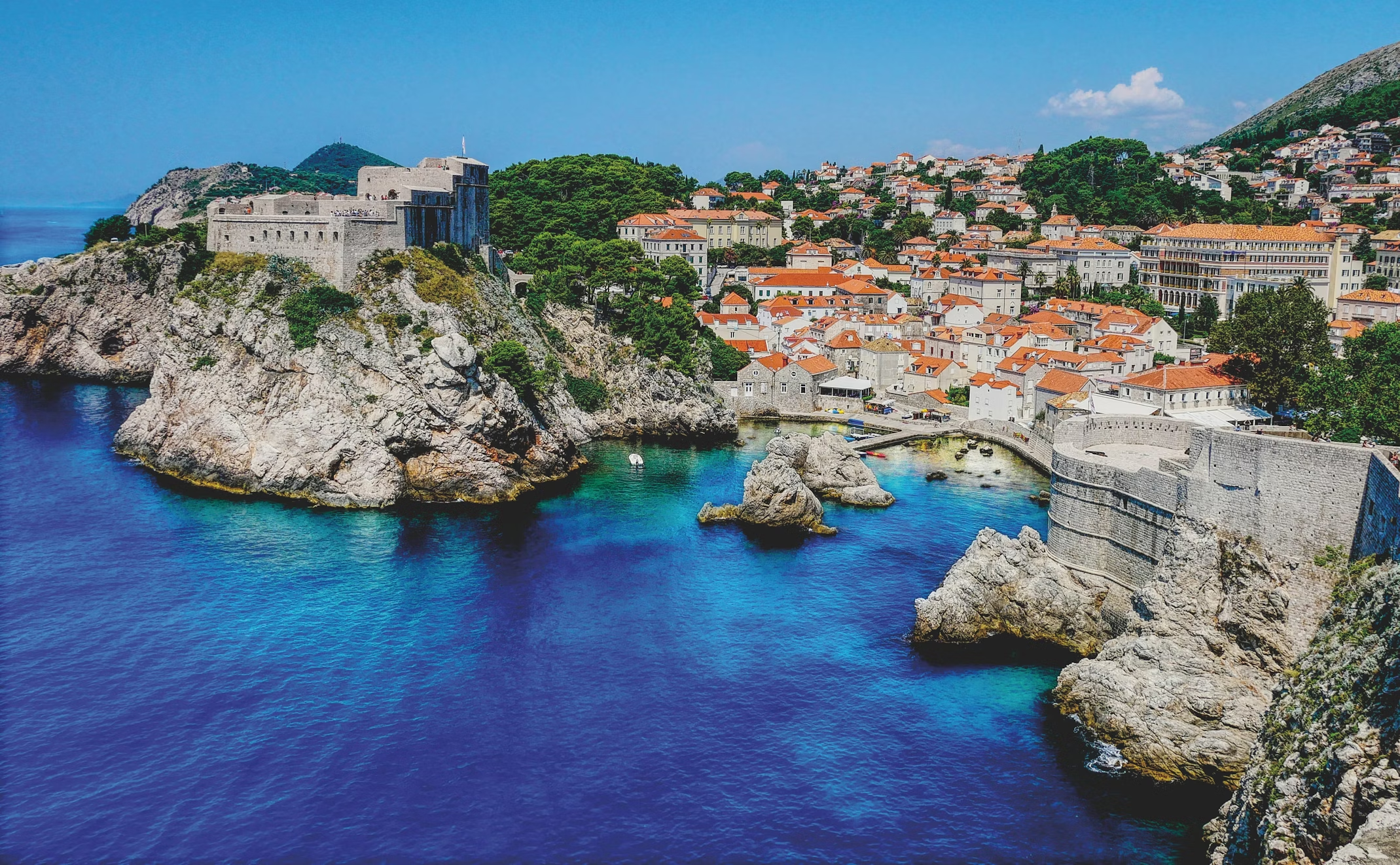
Your journey will begin at Dubrovnik's main ferry terminal located in Gruz Harbor, situated about 3 km northwest of the historic Old Town. This modern port facility serves as the departure point for various domestic and international ferry routes.
Getting to the port is straightforward with several transportation options:
The terminal itself offers essential facilities for travellers, including:
We recommend arriving at least 90 minutes before your scheduled departure, especially if you're travelling with a vehicle or during the busy summer season.
Upon arrival in Bari, your ferry will dock at the Port of Bari (Porto di Bari), located adjacent to the city's historic centre. This major port serves as a gateway to Italy for many international travellers.
The port is well-connected to the city and beyond:
Port facilities in Bari include:
For travellers continuing onward, Bari Centrale railway station offers excellent connections to major Italian cities including Rome, Naples, Milan, and Bologna.
While the idea of a day trip between Dubrovnik and Bari might seem appealing, the reality is that it's not particularly practical due to the ferry schedule and crossing duration. With the journey taking approximately 8 hours each way and only 3 sailings per week, a genuine day trip isn't feasible.
The earliest departure from Dubrovnik is at 11:00, which would put you in Bari in the evening, around 19:00 at the earliest. With the limited sailing schedule of just 3 weekly departures, you would likely need to stay at least one night (and possibly more) before a return sailing is available.
For those interested in experiencing both destinations, we recommend planning at least a 2-3 day stay in Bari before returning to Dubrovnik, or vice versa. This allows you to properly experience what each city has to offer without feeling rushed.
An alternative approach is to incorporate both cities into a larger Adriatic itinerary, perhaps continuing from Bari to explore more of Italy's Puglia region or using it as a gateway to other parts of Italy via the country's excellent rail network.
If you're determined to see both locations with limited time, consider making either Dubrovnik or Bari your primary destination with a one or two-night excursion to the other city.
Bari offers visitors a fascinating mix of historical charm and authentic Italian culture. Here are the top attractions to explore during your visit:
The heart of Bari is its atmospheric old town, a maze of narrow streets and passageways where local life unfolds in a timeless fashion. Wander through this charming district to discover traditional architecture, small squares, and the famous sight of local women making orecchiette pasta by hand in the street. Open for exploration any time, though early morning offers the most authentic glimpse into local life.
This magnificent Romanesque church houses the relics of St. Nicholas (the inspiration for Santa Claus). Built in the 12th century, it remains an important pilgrimage site for both Catholic and Orthodox Christians. The basilica is open daily from 7:00 to 20:30, with a brief closure during lunchtime, and entry is free.
This impressive Norman-Swabian Castle dates back to the 12th century and offers visitors a glimpse into the region's complex history. The fortress features an interesting museum within its walls and provides excellent views from its towers. Open Tuesday to Sunday from 8:30 to 19:30, with an entrance fee of approximately £6.
Bari's beautiful seafront promenade stretches for several kilometres along the Adriatic coast. It's perfect for a leisurely stroll, particularly at sunset when locals engage in the traditional passeggiata (evening walk). The area comes alive in the evenings with street performers, food vendors, and families enjoying the sea breeze.
Italy's fourth-largest theater and a cultural landmark of Bari, the Teatro Petruzzelli impresses with its neoclassical architecture and rich performance history. Even if you can't attend a performance, guided tours are available most mornings for around £5, offering insight into this magnificent venue.
Bari offers distinct neighbourhoods worth exploring:
Bari Vecchia - The historic heart of the city where tradition reigns supreme. This is where you'll find the main historical attractions alongside authentic local life.
Murat Quarter - The elegant 19th-century extension of the city features a grid layout with wide boulevards, upscale shopping on Via Sparano, and numerous cafés and restaurants. This area represents the more cosmopolitan side of Bari.
Waterfront District - Following the curve of the bay, this area offers beautiful views, seafood restaurants, and a glimpse into Bari's maritime heritage. The fish market near the port provides a lively morning spectacle.
San Pasquale - A more residential area with a local feel, home to the University of Bari and offering a glimpse into everyday Italian life away from the tourist centres.
Bari enjoys a typical Mediterranean climate with hot, dry summers and mild, slightly wetter winters. This weather pattern influences both the optimal times to visit and the operation of ferry services.
Summer (June to August) brings high temperatures ranging from 25°C to 30°C (77°F to 86°F) or even higher. These months offer the most reliable weather for swimming and beach activities, though the city can be quite hot, especially in July and August. Summer also coincides with the peak tourist season, meaning more frequent ferry services but also higher prices and more crowded vessels.
Spring (April to May) and autumn (September to October) offer pleasantly warm temperatures between 15°C and 25°C (59°F to 77°F) and fewer crowds, making these shoulder seasons ideal for city exploration. The sea remains warm enough for swimming well into October.
Winter (November to March) brings cooler temperatures ranging from 5°C to 15°C (41°F to 59°F) with increased rainfall, particularly in November and December. While rarely freezing, winter can bring occasionally rough sea conditions that might affect ferry operations.
Regarding ferry services, while the Dubrovnik-Bari route operates year-round, winter sailings are more susceptible to weather-related delays or cancellations due to the possibility of strong winds and rough seas in the Adriatic. During summer, the calm sea conditions generally mean more reliable sailing schedules, though you should always check for updates before travelling.
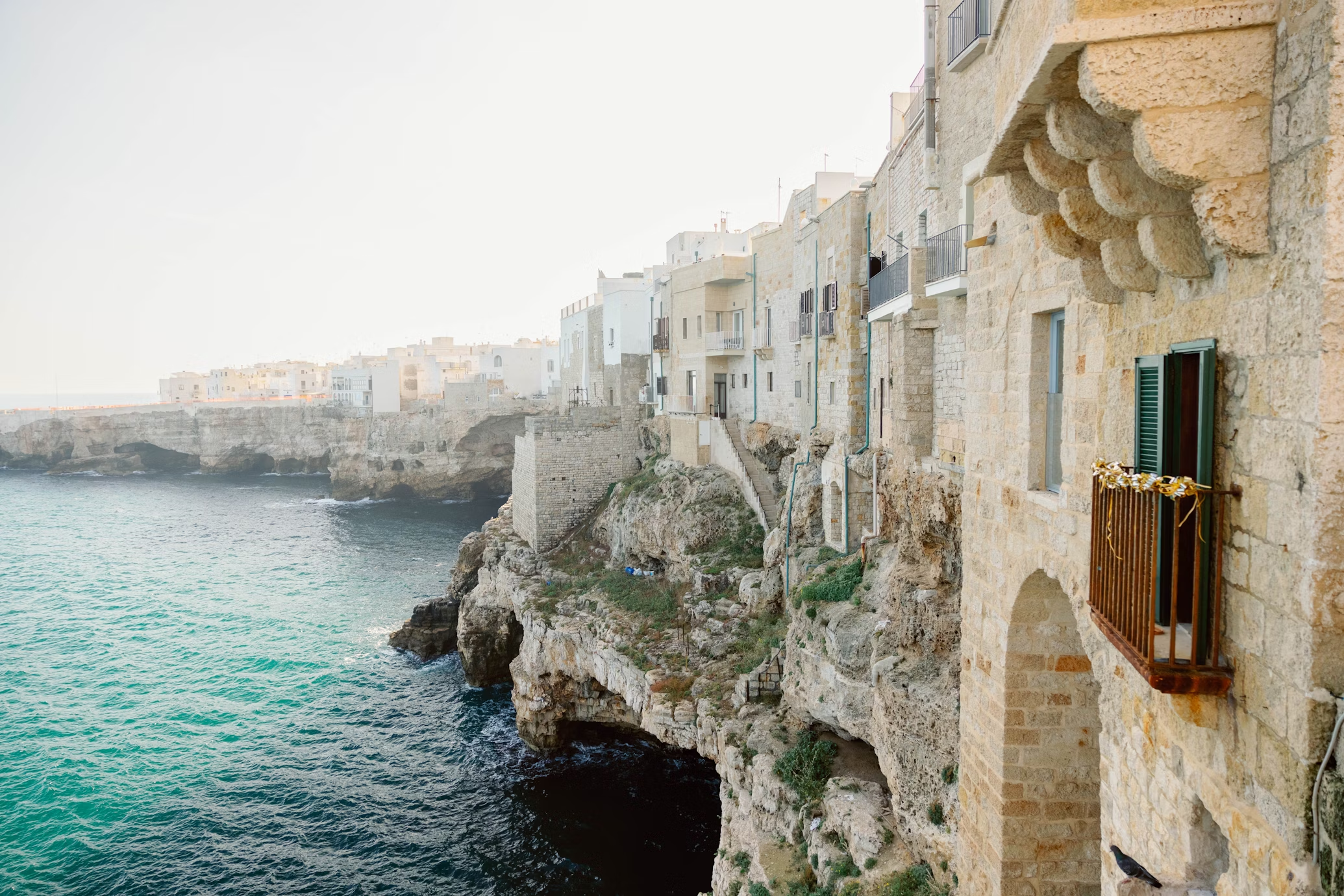
Bari offers good value compared to many Italian tourist destinations, with prices generally lower than in cities like Rome, Florence, or Venice.
For accommodation, budget travellers can find hostel beds from £15-25 per night, while mid-range hotels typically range from £60-100 per night. Higher-end boutique hotels and luxury options start from around £120 per night.
Dining costs vary widely, but you can enjoy excellent local cuisine without breaking the bank. A street food snack like focaccia barese might cost just £2-3, while a full meal at a casual trattoria averages £15-20 per person. More upscale dining experiences start from around £40 per person.
Local transportation is affordable, with single bus tickets costing approximately £1, while a taxi from the port to the train station might cost around £10-15.
For budget travellers, a daily allowance of £50-70 should cover basic accommodation, local food, and some sightseeing. Mid-range travellers should budget £100-150 per day, while those seeking luxury experiences should allow £200+ per day.
Money-saving tips include:
The ideal time to visit Bari depends on your preferences regarding weather, crowds, and available activities.
Late spring (May to June) and early autumn (September to early October) offer the best balance of pleasant weather and manageable crowd levels. Temperatures typically range from 20°C to 25°C (68°F to 77°F), perfect for sightseeing and outdoor dining. The sea is usually warm enough for swimming, especially in June and September. These shoulder seasons also typically offer more reasonable accommodation rates than the peak summer months.
Summer (July and August) brings hot weather and the busiest tourist period. While this means lively atmosphere and the full range of summer events and festivals, it also brings higher prices and more crowded attractions. The temperatures regularly exceed 30°C (86°F), which can make city exploration challenging during midday hours.
Winter (November to March) sees fewer tourists and lower prices, making it appealing for budget travellers and those interested in experiencing local culture without the tourist crowds. However, some attractions may have reduced hours, and the weather can be unpredictable with occasional rainy periods.
For cultural travellers, timing your visit to coincide with local festivities can enhance your experience. Notable events include:
For the optimal experience combining good weather, reasonable prices, and authentic atmosphere, we recommend visiting in late May, June, or September.
Bari offers diverse accommodation choices to suit every traveller and budget. The historic old town (Bari Vecchia) features charming boutique hotels and guesthouses where you can experience authentic Italian hospitality from around £70 per night.
For budget-conscious travellers, the new town area provides more affordable options starting from £40-50 per night, with good connections to both the port and city attractions. Families might prefer the spacious apartment rentals along the seafront promenade, offering kitchen facilities and room to spread out.
Solo travellers can find welcoming hostels near the central station area from £20-30 per night, while couples might enjoy the romantic boutique hotels nestled in the historic centre. For longer stays, consider the residential neighbourhoods of Murat or Madonnella, where local apartment rentals offer better value.
We recommend booking accommodation in advance, especially during summer months when Bari welcomes visitors arriving on Jadrolinija ferries from Dubrovnik.
Bari's compact city centre makes it ideal for exploration on foot, particularly in the maze-like streets of Bari Vecchia where many historic attractions are concentrated. The seafront promenade offers pleasant walking opportunities with beautiful Adriatic views.
The city operates an efficient bus network covering major attractions and neighbourhoods, with single tickets costing around £1.30. For convenience, consider purchasing a day pass for unlimited travel. The metropolitan rail service connects the airport with the central station and port area.
Taxis are readily available but relatively expensive; agree on fares before departing or ensure meters are used. For adventurous travellers, bike rentals offer a fun way to explore the flat city terrain and coastal routes.
If planning day trips to Puglia's countryside attractions like Alberobello or Polignano a Mare, car rentals are available from around £40 daily, though parking in central Bari can be challenging.
Crossing from Dubrovnik to Bari by ferry creates a perfect bridge between two of the Adriatic's most captivating destinations. This 113.9 nautical mile journey (approximately 211 km) offers not just transportation but an experience in itself, with panoramic sea views and the excitement of approaching Italy's charming Puglia region.
Jadrolinija provides the fastest crossing at 8 hours, with comfortable amenities that make the journey enjoyable. With three weekly sailings and affordable fares, this ferry connection offers excellent value compared to alternative travel methods.
Whether you're continuing a broader European adventure or specifically exploring these two magnificent coastal cities, the Dubrovnik to Bari ferry route delivers convenience, scenery, and the unique pleasure of arriving by sea. Check the latest schedules for departure times between 11:00 and 22:00, and book your crossing to experience this delightful Adriatic journey for yourself.