Sustainable Tourism Plans in Mallorca: Eco-Friendly Ways to Explore the Island
Things to do
Things to do


Mallorca is a destination that you will fall in love with at first sight. With its beaches of crystal clear waters and turquoise water, spectacular mountains, and charming villages, this Balearic island has become one of the Mediterranean’s most desirable travel destinations. Beyond its obvious natural beauty, Mallorca is also leading the way in sustainable tourism, offering numerous opportunities for responsible tourism and conscious travel.
Interest in sustainable travel has grown rapidly, and more visitors are now seeking ways to enjoy the island while minimizing their environmental impact. From scenic hiking trails in the Serra de Tramuntana to eco-friendly boat trips and visits to local markets, Mallorca allows you to connect with nature, culture, and the local community in meaningful ways.
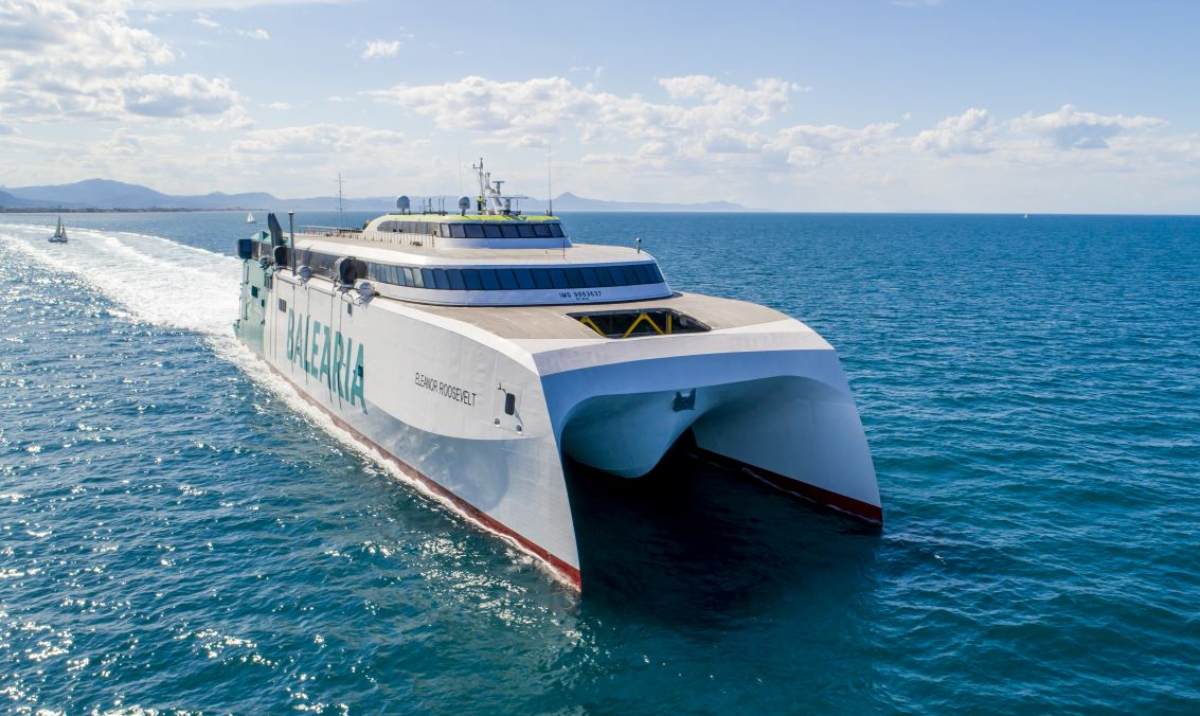
In addition, how you arrive matters. Choosing a ferry to Mallorca is a more environmentally friendly alternative to flying, helping reduce your carbon footprint while allowing you to bring your own vehicle or bicycle. It’s the perfect way to begin your trip with sustainability in mind.
This guide highlights the best eco-conscious experiences on the island, helping you create a trip that is both unforgettable and aligned with sustainable practices.
Traveling by ferry is not only relaxing but also significantly reduces your carbon footprint. Instead of the stress of airports, you can enjoy the journey itself—taking in Mediterranean views, traveling at your own pace, and starting your trip with a lower environmental impact.
Mallorca is well connected to mainland Spain, with frequent services to Palma and Alcudia. These routes make it easy to choose a travel option that aligns with your schedule and sustainability goals.
Exploring the Balearics by ferry is one of the most environmentally friendly ways to travel. These routes allow you to move between islands while enjoying the sea and minimizing emissions.
Ferry operators serving Mallorca are increasingly adopting sustainable practices, including cleaner fuels and energy-efficient vessels. This makes ferry travel a key part of responsible tourism in the region.
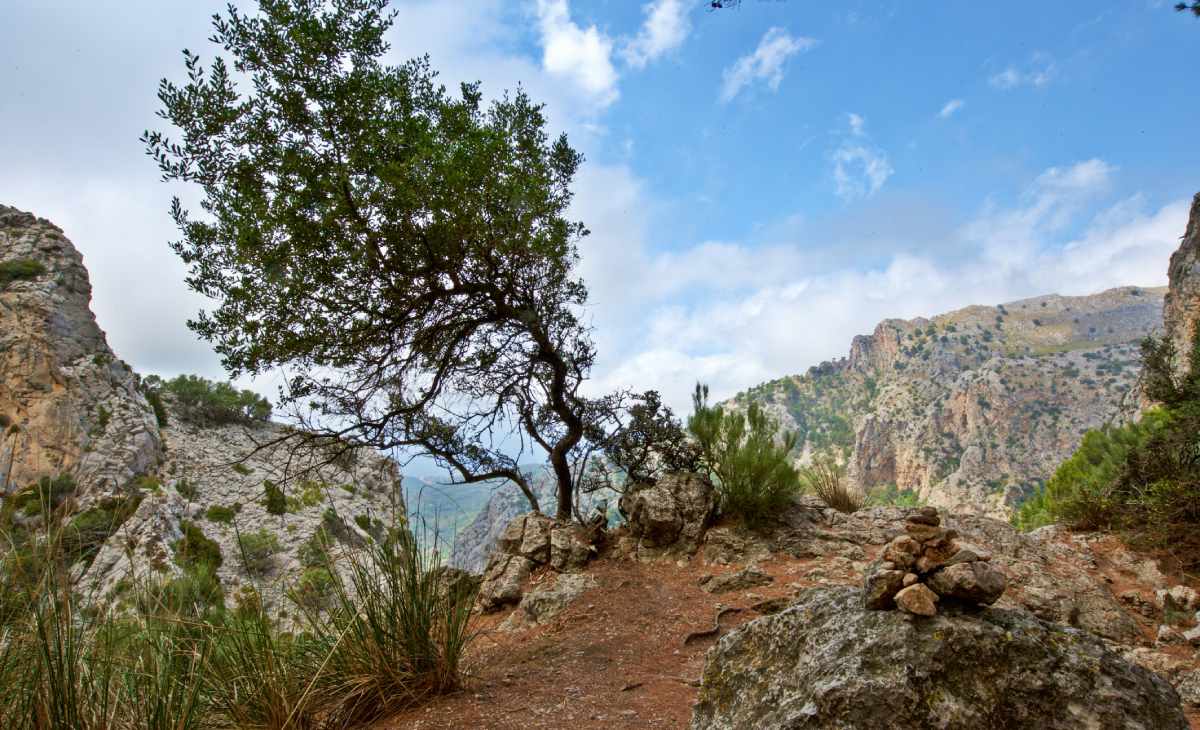
Mallorca’s landscapes are perfect for travelers who want to enjoy nature while respecting it. Its diverse terrain—from mountains to coastline—offers endless eco-friendly experiences.
The Serra de Tramuntana, a UNESCO World Heritage Site, is home to some of the island’s most breathtaking hiking trails. Walking through ancient olive groves, dramatic cliffs, and peaceful villages, you’ll experience Mallorca’s rich history alongside its incredible flora and fauna.
Many routes offer spectacular panoramic views, making hiking here one of the best ways to connect with the island’s authentic character.
Cycling is another excellent option for sustainable travel. Whether along the coast or through the countryside, it allows you to explore while keeping your environmental impact low.
Mallorca is home to important wetland reserves and natural park areas where visitors can observe unique bird species. These ecosystems highlight the island’s biodiversity and are ideal for appreciating its flora and fauna in a respectful way.
Mallorca’s coastline is one of its greatest treasures, and protecting it is key to sustainable tourism.
Solar-powered boats and sailing trips offer a low-impact way to explore hidden coves and enjoy the island’s natural beauty.
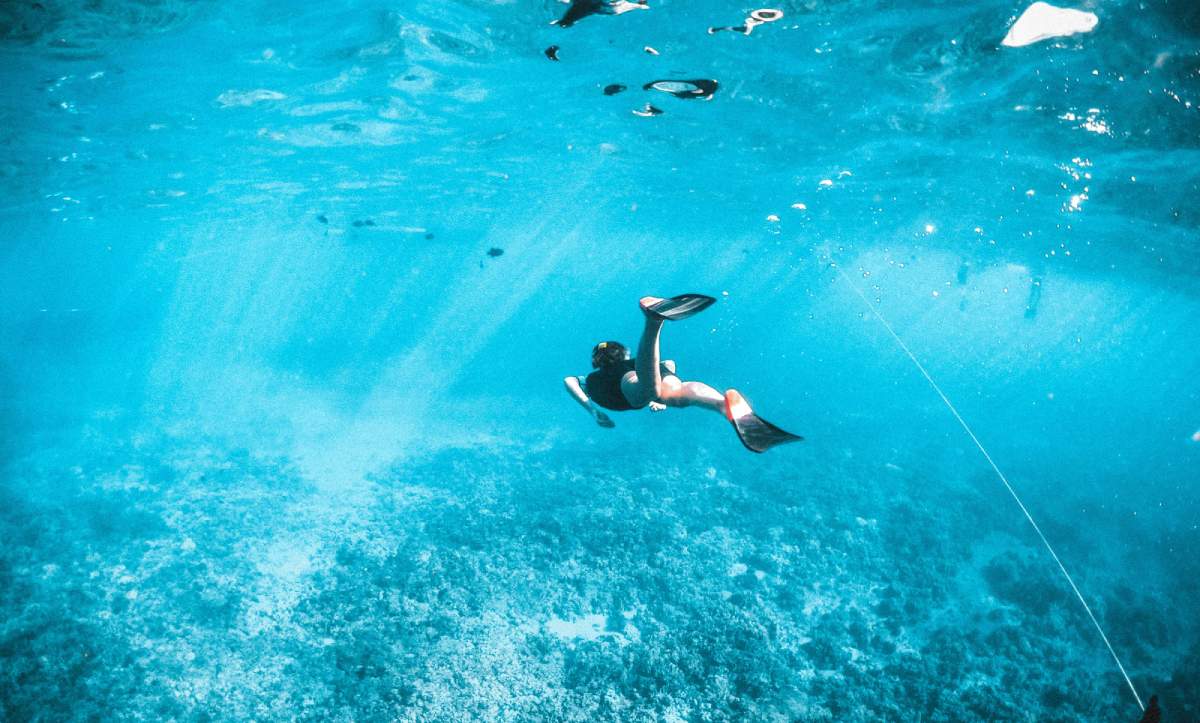
Discover marine life while respecting the ecosystem. Many operators follow sustainable practices to protect underwater habitats.
Joining a clean-up initiative is a meaningful way to support the local community and reduce environmental damage.
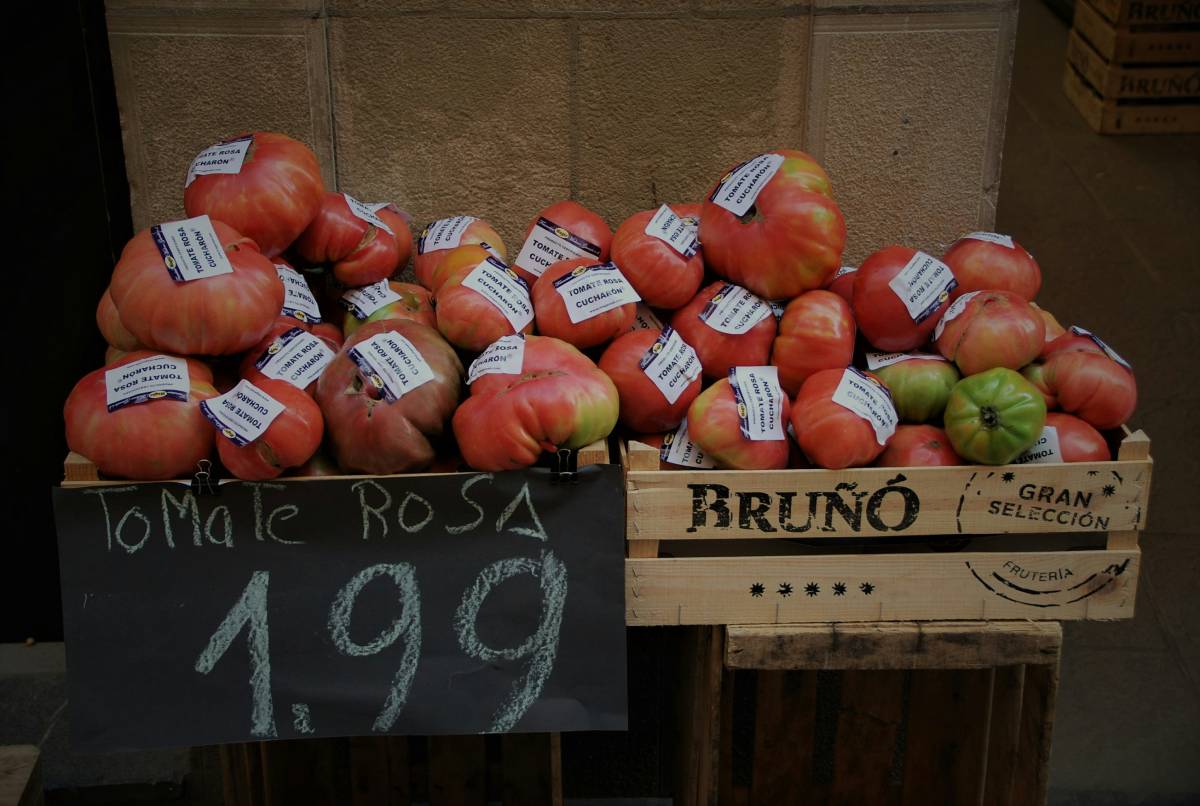
Supporting local traditions is a key part of responsible tourism.
Mallorca’s local markets offer fresh, seasonal fresh produce, including fruits, vegetables, cheeses, and traditional olive oils. Shopping here directly benefits the local community.
Restaurants focused on local sourcing showcase the island’s flavors while promoting sustainable practices.
Workshops and craft experiences allow you to engage with traditional skills and support local creators.
Residents of the Balearic Islands can also benefit from discounted ferry travel, encouraging more environmentally friendly journeys.
Choosing where to stay is essential for reducing your environmental impact.
Eco-hotels implement sustainable practices such as renewable energy use and waste reduction.
Stay in rural estates surrounded by nature, where you can experience local life and enjoy fresh produce grown on-site.
Glamping offers a balance between comfort and nature, allowing you to stay close to the environment while minimizing your carbon footprint.
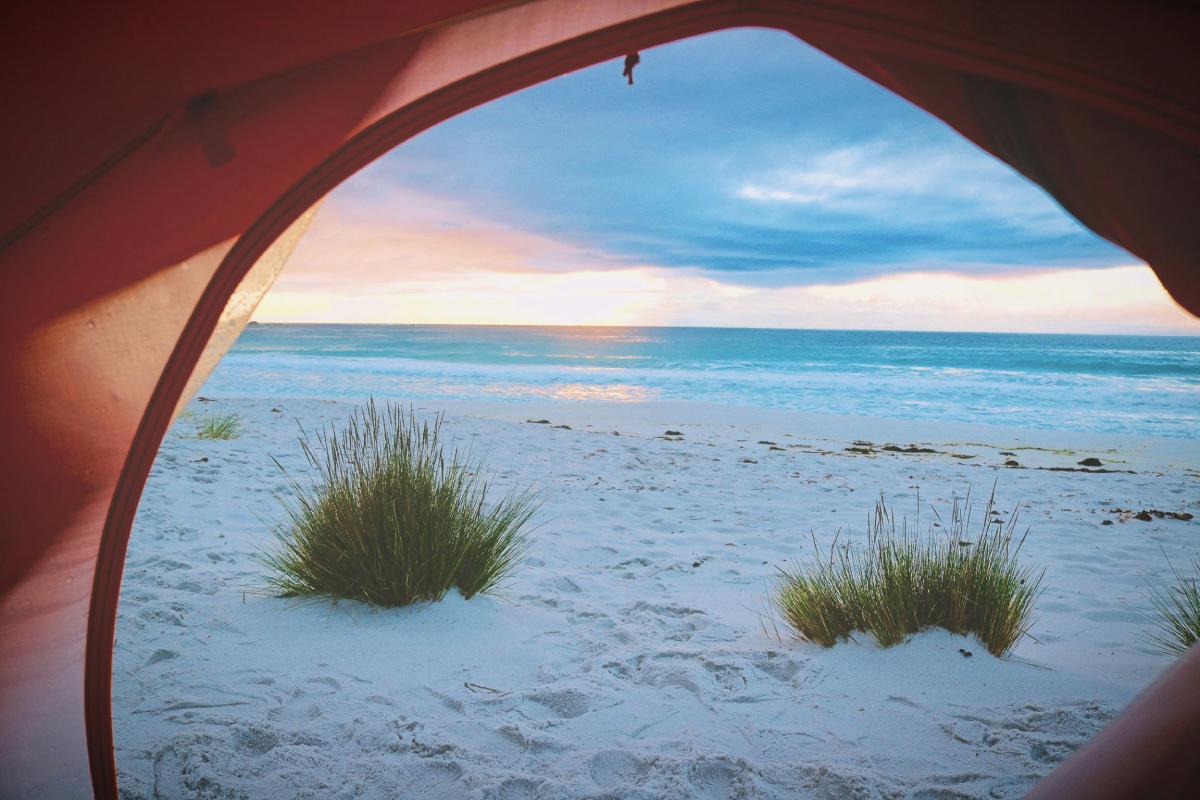
Spring and autumn are ideal, offering pleasant weather and fewer crowds — perfect for enjoying hiking trails and outdoor activities without the environmental strain that peak summer tourism brings. In spring, the island's countryside is carpeted with wildflowers and almond blossom, making it a particularly rewarding time for walkers and cyclists.
Autumn also brings warm temperatures but with quieter roads, letting you explore the Serra de Tramuntana or the island's rural interior at a relaxed pace. Visiting outside peak season also means your spending goes further in supporting local businesses rather than large-scale tourist operations.
Yes, overnight ferries are available from Barcelona, Valencia, and Denia, and are a comfortable, environmentally friendly way to travel, producing significantly lower carbon emissions per passenger than a short-haul flight.
Most overnight crossings include cabin options ranging from basic berths to private en-suite rooms, so you can arrive in Palma well-rested and ready to explore. Traveling by ferry also allows you to bring your own bicycle or electric vehicle, which pairs perfectly with sustainable onward travel once you arrive on the island.
Options include cycling, electric cars, and efficient public transport — all helping reduce your carbon footprint while allowing you to fully explore the island's diverse landscapes, from coastal coves to mountain villages. Mallorca has an expanding network of dedicated cycling routes, and many towns offer bike hire at very reasonable rates, making it easy to get around without a car.
The island's public bus network connects most major towns and tourist areas reliably and affordably, while the historic Palma to Sóller railway is a genuinely scenic and sustainable way to reach the northwest of the island. If you do need a vehicle for more remote areas, electric car hire is increasingly available across the island, with charging points in most towns and larger car parks.