London Marathon Guide: Everything You Need to Know
Events & Festivals
Events & Festivals

Every spring, the London Marathon transforms the capital into a celebration of human endurance, community spirit and charitable giving. Since its inaugural race in 1981, this prestigious event has blossomed into one of the world's most iconic marathons, drawing elite athletes, celebrity runners and tens of thousands of determined participants through the heart of London.
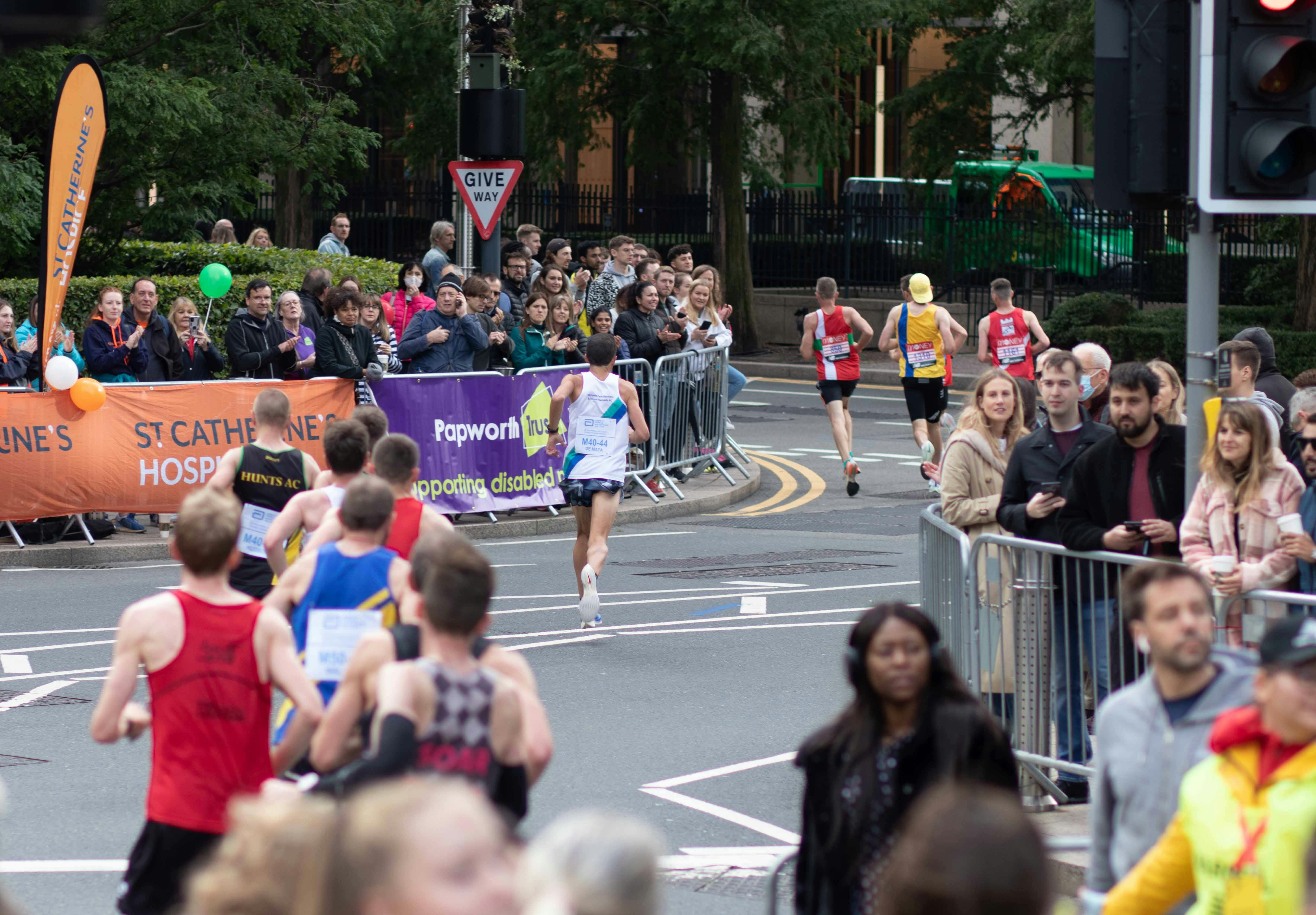
Hundreds of thousands of spectators line the pavements, cheering on runners, waving handmade signs, and contributing to an atmosphere that is widely considered one of the most remarkable in sport. Whether you are traveling to London to support someone you know or simply to experience race day firsthand, this guide covers everything you need to know about the London Marathon 2026.
The London Marathon 2026 takes place on Sunday 26th April, with more than 50,000 runners expected to participate. Demand for places has reached unprecedented levels this year, with a record-breaking 1,133,813 applications submitted through the public ballot.
The London Marathon operates a wave start system, with the first runners getting underway at 9:30am and the final wave setting off at 11:30am. Understanding the London Marathon waves explained: start times are assigned depending on each runner's predicted finish time, ensuring a smoother flow of participants throughout the course. If you're planning to cheer someone on from the start line, be sure to confirm their allocated wave in advance.
The elite races start ahead of the main field. Wheelchair racing gets underway at approximately 8:50am, followed shortly by the elite women's race at approximately 9:05am.
All runners participating in the London Marathon have up to 8 hours from their individual start time to complete the course. The Mall closes to finishers at 7:30pm, after which the finish line relocates to St James's Park, which stays open until midnight. This generous window ensures that every participant, regardless of pace, has a realistic chance to cross the line in style.
The London Marathon covers the standard marathon distance of 26.2 miles (approximately 42km), along a relatively flat course through the city's closed streets — making it one of the more accessible marathon routes in the world, even for first-time competitors who have been following a structured London marathon training plan.
The London marathon route 2026 starts at either Greenwich Park or Blackheath, depending on your assigned start color. Both locations provide a scenic and well-organized setting from which the race departs, with the two routes converging not long into the course.
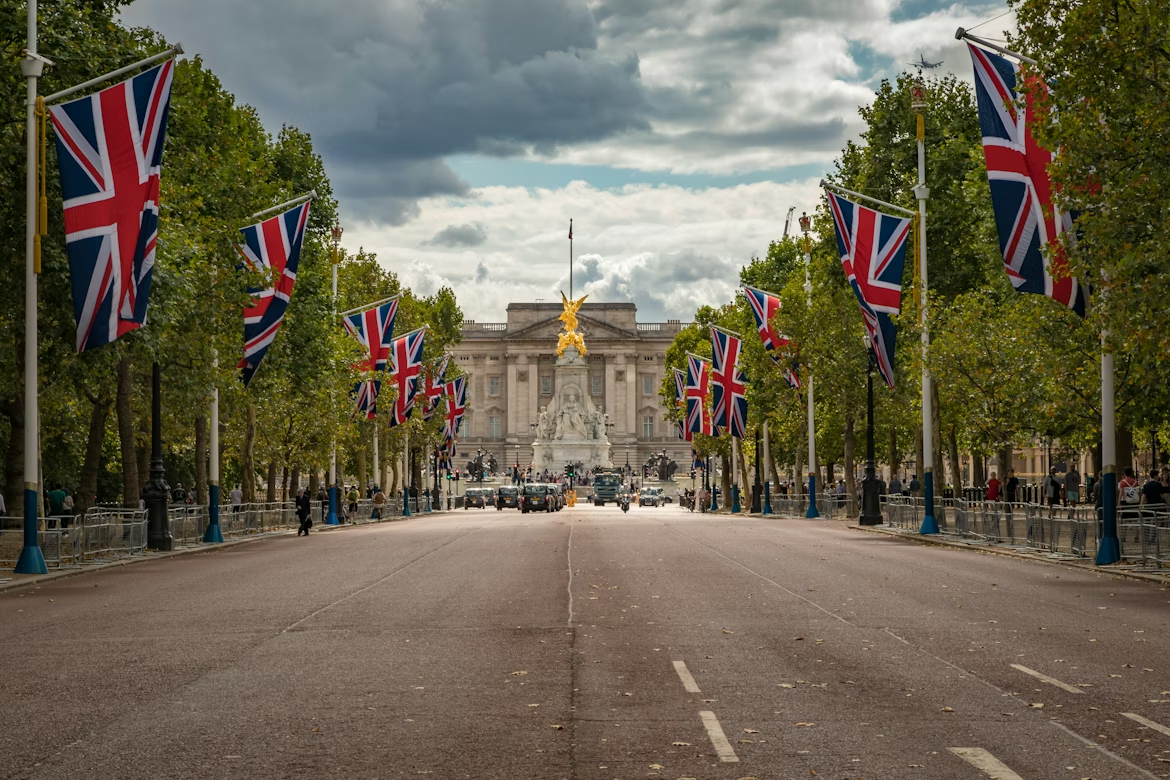
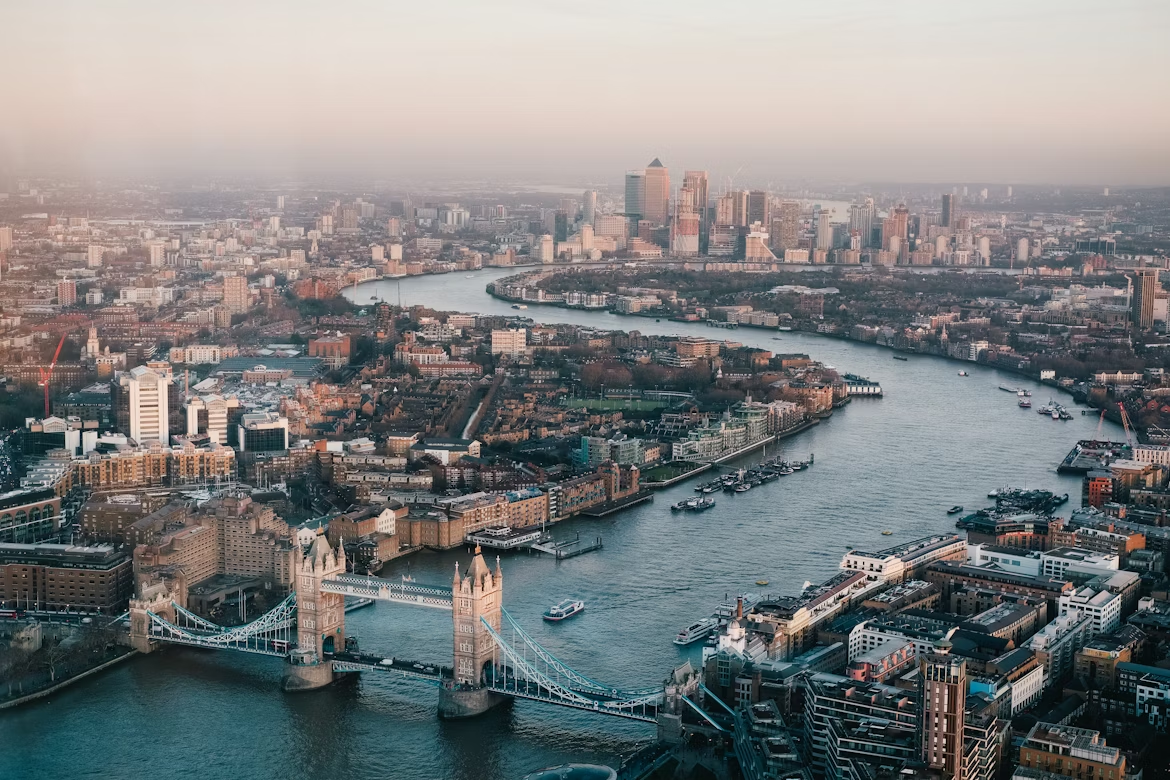
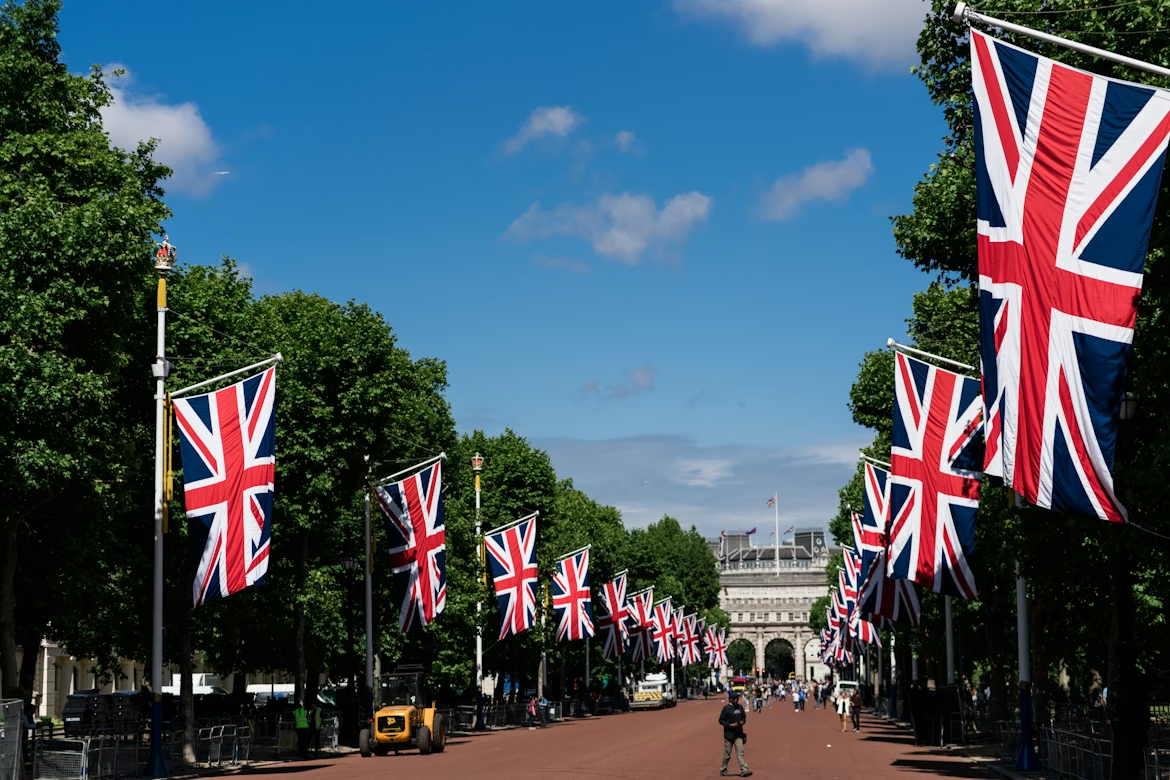
The race concludes on The Mall, one of London's most famous ceremonial avenues, with the façade of Buckingham Palace providing a fittingly spectacular backdrop. Along the way, the London marathon route 2026 passes some of the best-known landmarks in the city, including the historic Cutty Sark, the magnificent Tower Bridge, the gleaming towers of Canary Wharf and the Thames-side grandeur of the Embankment.
Spectators can, in theory, station themselves virtually anywhere along the 26.2-mile course, though certain vantage points offer a far better experience to watch the action unfold. Below are the most popular locations for watching the race, each offering something unique in terms of atmosphere, accessibility and views.
The Cutty Sark, the last surviving tea clipper, is permanently dry-docked in Greenwich and provides one of the most atmospheric viewing points along the course. Located between miles 6 and 7, this section captures the race at an ideal moment, when elite runners are still maintaining pace and the wider field is settling into rhythm. The setting combines historic significance with a lively early-race atmosphere, making it a consistently popular spot for spectators.
Nearest station:
DLR: Cutty Sark
Train: Greenwich
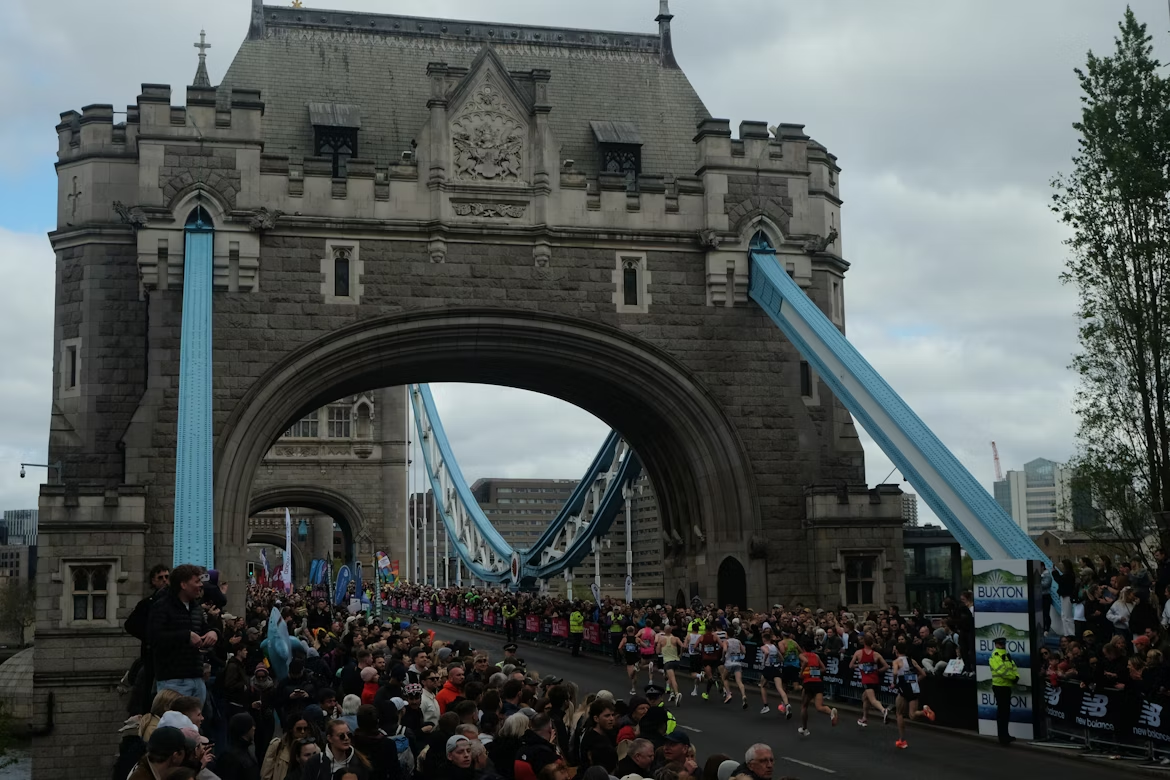
If there is one location that perfectly encapsulates the London Marathon for spectators, it is Tower Bridge. Positioned almost exactly at the halfway point, this is where the drama is at its most palpable. The sight of tens of thousands of runners streaming across one of the world's most recognizable bridges, flanked by roaring crowds and the gleaming Thames below, is nothing short of extraordinary. Arrive early to secure a good position, as this is the most sought-after viewing spot on the whole route.
Nearest station:
Tube: Tower Hill
Train: London Bridge
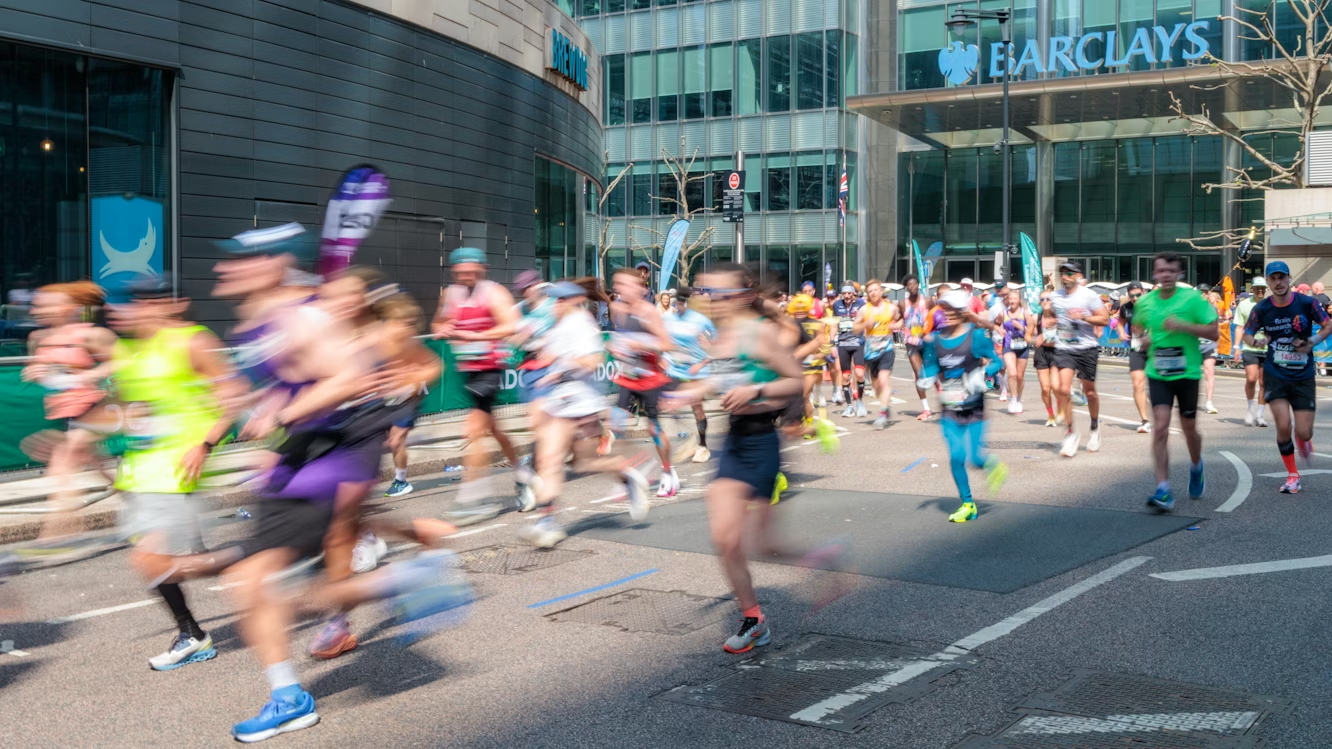
Located between miles 18 and 19, Canary Wharf offers a striking urban backdrop, with glass and steel skyscrapers rising high above the course. This section is also one of the most significant points in the race for spectators to show support, as many runners begin to encounter fatigue around this stage. A strong, encouraging crowd here can make a meaningful difference, helping runners push through a particularly challenging part of the course.
Nearest station:
Tube: Canary Wharf
Elizabeth Line: Canary Wharf
By mile 23, the finish line is within reach, and the atmosphere along the Embankment reflects the growing sense of anticipation. Spectators are at their most vocal here, encouraging participants through one of the most physically and mentally grueling stages of the race. Watching participants summon their final reserves and push on toward The Mall is one of the most compelling moments of the event.
Nearest station:
Tube: Embankment or Charing Cross
For sheer emotional impact, few moments compare to the finish line on The Mall. The full spectrum of the race unfolds here — relief, exhaustion, elation, and pride, all playing out in real time. If you have a runner to meet after the race, this is also where the reunions happen, making it the natural conclusion to any spectator's day.
Nearest station:
Tube: Green Park, Charing Cross or Piccadilly Circus
Planning to explore more of London while you're in the city? Please visit our social media channels for further inspiration and travel ideas.
If you're attending to cheer on a specific runner, find out their wave number and estimated start time well in advance of race day. The London Marathon app is an essential tool as it enables you to track your runner's progress in real time by using their race number, so you can time your position along the route precisely and never miss them passing by.
The weekend prior to the marathon is a great opportunity to immerse yourself in the full event experience. The TCS London Marathon Running Show and the London Marathon Expo 2026, both held at the ExCeL London exhibition Centre, are open to runners collecting their race numbers and to the public. It is also a brilliant chance to meet with a London marathon guide runner — volunteers who assist visually impaired participants — and learn more about the inclusive spirit that defines this event.
Popular viewing spots, particularly Tower Bridge, the Cutty Sark, and the Embankment, tend to fill up quickly. Arriving at least an hour before runners are expected gives you the best chance of securing a good position. With careful planning, it is also possible to watch the race from two or even three different locations over the course of the day.
The London marathon schedule has a significant impact on public transport and road access across a large part of central and east London. Expect busy Tube carriages, suspended bus routes and widespread road closures throughout the day. Please visit Transport for London's website ahead of your visit to confirm which stations are open so you can plan walking routes between viewing spots.
Watching the marathon is a long and rewarding day, and with the unpredictability of British springtime, often a chilly one as well. Please take enough layers, and bring plenty of water and snacks, as food outlets along the route can become very busy. A portable phone charger is also highly recommended, particularly if you plan to rely on the London Marathon app to track your runner.
Are you ready to be part of one of the world's greatest sporting occasions? Book your trip to London now and secure your place in the crowd for an unforgettable day in the capital.