A Trip to Norway's West Coast with Fjord Line
Route Guides
Route Guides


Norway's west coast is one of the most awe-inspiring regions in all of Europe. A dramatic landscape of towering fjords, thundering waterfalls, and charming coastal towns that feels unlike anywhere else on earth. And there's no better way to arrive than by ferry with Fjord Line, the Norwegian shipping company that has been transporting travelers to this remarkable corner of Scandinavia for many years.
With ferry routes connecting to major ports including Bergen and Stavanger, a Fjord Line crossing is much more than just a way of getting from A to B. It's also the first chapter of your adventure to Norway. Sail into some of Northern Europe's most beautiful destinations, enjoy modern onboard amenities, and arrive feeling relaxed and ready to explore.
The name says it all. A journey on Fjord Line's ferries promises breath-taking views of Norway's legendary coastline from the moment you set sail. As a Norwegian company headquartered in Egersund, located on the coast between Kristiansand and Stavanger, Fjord Line brings decades of seafaring experience, and a commitment to passenger comfort that sets it apart from the competition.
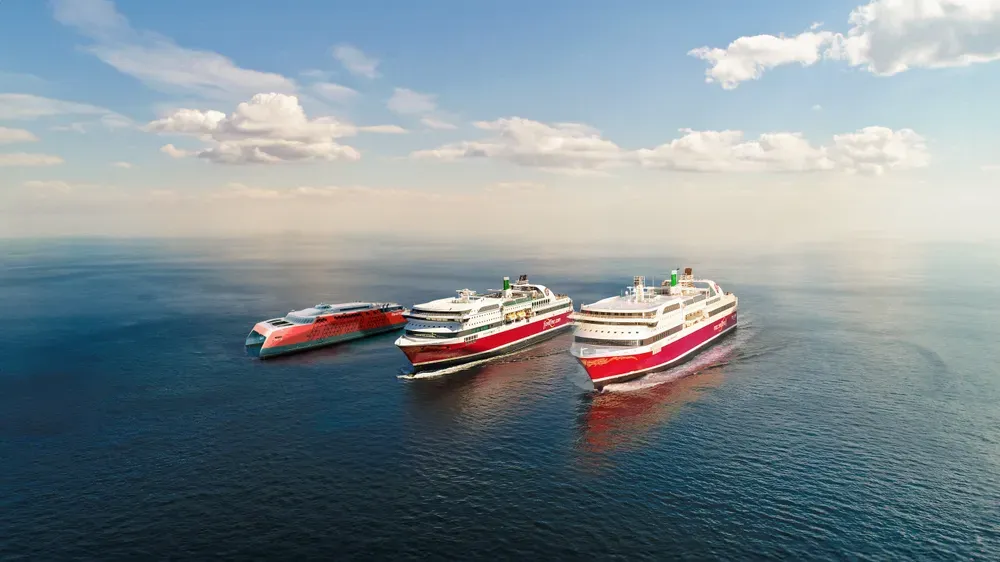
The flagship vessels MS Bergensfjord and MS Stavangerfjord are floating destinations in their own right. Onboard, passengers can pick from a wide variety of dining options from casual cafés to sit-down restaurants serving fresh Norwegian seafood.
They can also browse duty-free shops and unwind in cozy private cabins with sea views. A lively entertainment program keeps passengers entertained during longer crossings, and dedicated children's play areas make Fjord Line an excellent choice for family vacations to Norway. For travelers who are short of time, Fjord Line also operates the high-speed catamaran Fjord FSTR on the Hirtshals to Kristiansand ferry route, which is one of the fastest ferry crossings in Scandinavia.
Norway's second-largest city, Bergen, is one of those rare places that strikes a perfect balance between vibrancy and relaxation. Nestled between seven hills and opening directly onto the sea, Bergen beautifully balances urban culture with immediate access to some of Norway's most spectacular nature. It's a city that most visitors never quite want to leave.
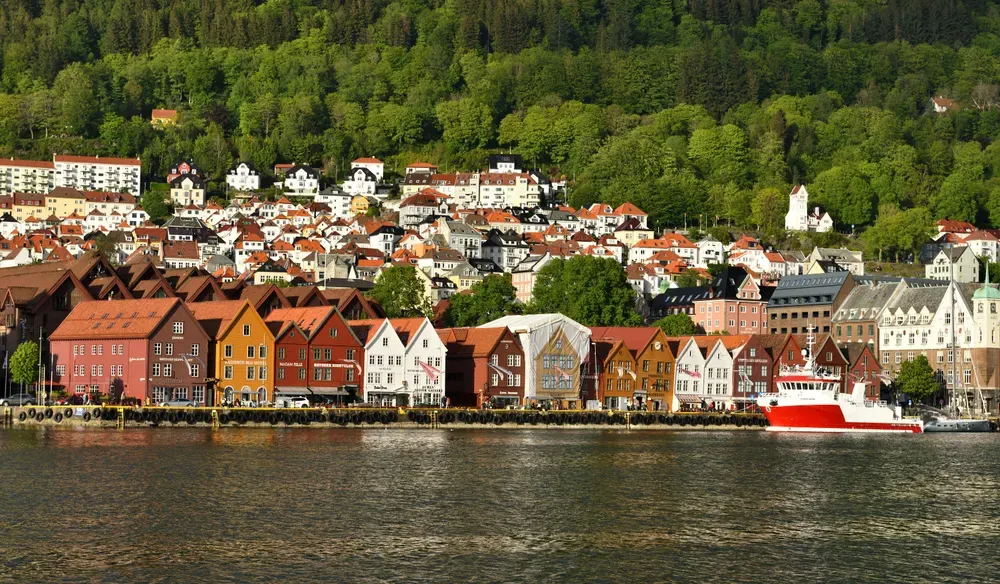
The undisputed heart of Bergen is Bryggen, the city's medieval Hanseatic wharf district and a UNESCO World Heritage Site. Its rows of distinctively painted wooden buildings, dating all the way back to the 14th century, line the harbor in a blaze of ochre, red, and mustard yellow.
Explore the narrow alleyways behind the facades and you'll discover independent shops, galleries, and restaurants tucked into some of the oldest surviving wooden structures in Northern Europe. Bergen also has a number of popular museums, along with a year-round calendar of cultural events that keeps the city lively throughout the year.
For a taste of the Norwegian wilderness, the Fløibanen funicular transports you to the summit of Mount Fløyen in under eight minutes, where panoramic views over the city and the surrounding fjords stretch out in every direction. Longer hikes across the mountain plateau are very popular among the locals, and trails of every difficulty level make Mount Fløyen accessible to everyone.
Bergen has been nicknamed The Gateway to the Fjords and it certainly lives up to its namesake. The city sits between two of the largest and most celebrated fjords in the world, each providing an entirely different but equally stunning experience.
To the north is the Sognefjord, the longest fjord in Europe at 205 kilometers and the deepest at 1,303 meters. Surrounded by sheer rock walls, snow-capped peaks, and ancient fjordside villages, the Sognefjord is the definitive Norwegian fjord experience. Day trips from Bergen are widely avaiable, and several scenic train journeys, including the famous Flåm Railway, pass through the region.
To the south, the Hardangerfjord offers a more pastoral setting. Often referred to by the locals as the "fruit garden of Norway," the Hardangerfjord region bursts into bloom every spring, when apple and cherry trees along the fjord banks erupt in clouds of white and pink blossom. The area is also home to Trolltunga, otherwise known as the Troll's Tongue, one of Norway's most photographed rock formations.
Between the two fjords, visitors can enjoy a wealth of outdoor activities including:
| Route | Duration | Number of Crossings |
|---|---|---|
| Stavanger – Bergen | 22 Hours 30 Minutes | Up to 11 sailings per week |
| Kristiansand – Bergen | 17 Hours 45 Minutes | Up to 7 sailings per week |
| Hirtshals – Bergen | 11 Hours 45 Minutes | Up to 7 sailings per week |
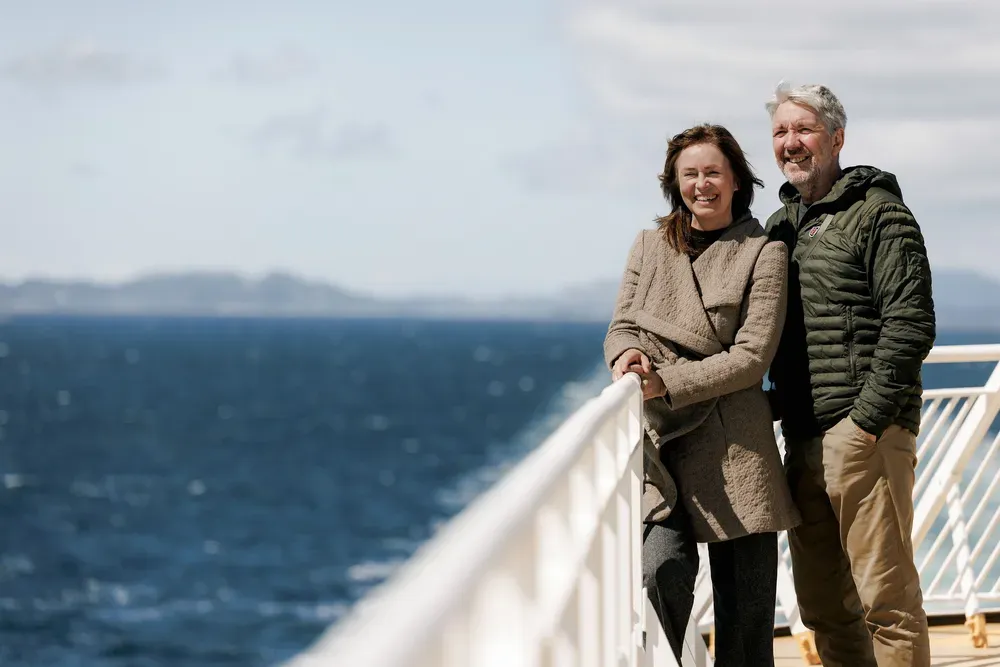
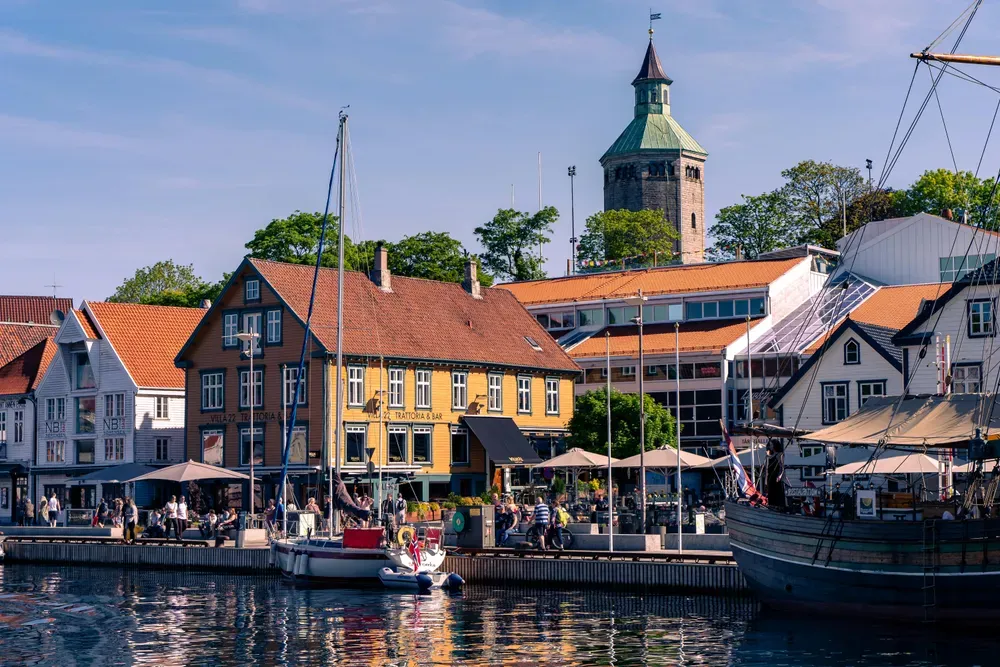
Stavanger is located a little further south along the coast. While its worlds away from Bergen, it’s just as rewarding to visit. Norway's fourth-largest city blends industrial heritage with a surprisingly cosmopolitan food scene, a beautifully preserved historic center, and some of the most dramatic hiking terrain in all of Scandinavia right on its doorstep.
Stavanger wears its oil industry roots proudly. This is a city shaped by global commerce, and you can certainly feel it when you arrive. But scratch beneath the surface and you will discover something far older and more intimate. Gamle Stavanger, the city's historic Old Town, is a quiet revelation. More than 170 white wooden houses, many dating back to the 1700s and 1800s, stand shoulder to shoulder along narrow cobblestone lanes that have changed little since horse-drawn carts rattled through them.
The harbor front is lively and unpretentious, with a great choice of fish markets, dockside bars, and restaurants where the seafood comes straight off the boats. Stavanger has built a real reputation for food over the past decade or so, with a restaurant scene that most cities twice its size would envy.
Although Stavanger is a worthy travel destination in itself, most visitors come for what lies just outside the city: the Lysefjord. One of the most dramatic and visited fjords in Norway, the Lysefjord stretches 42 kilometers inland from the coast, flanked by near-vertical cliffs that rise hundreds of meters out of the water.
There's one landmark near Stavanger that stops people in their tracks, and that's Preikestolen, also known in English as Pulpit Rock. It's a flat shelf of stone that protrudes from the cliff 604 meters above the Lysefjord, with nothing between you and the water far below.
Getting to the top takes some effort. The hike covers approximately four miles there and back, with a few steep sections that will slow you down and get your heart rate up. However, it's certainly achievable for most people. You don't need to be an experienced hiker, just reasonably fit and wearing shoes with good grip.
The crowds at the top can be substantial in summer, and frankly, that's not surprising. When you arrive and look out across the fjord, you understand immediately what all the hype is about.
Also worth seeing if you’re in the area is Kjeragbolten, a boulder famously wedged in a crevice on the cliffs of the Kjerag mountain, located high above the Lysefjord.
| Route | Duration | Number of Crossings |
|---|---|---|
| Hirtshals – Stavanger | 16 Hours 30 Minutes | Up to 11 sailings per week |
| Bergen – Stavanger | 5 Hours 30 Minutes | Up to 7 sailings per week |
| Kristiansand – Stavanger | 5 Hours 30 Minutes | Up to 13 sailings per week |
The best time to visit Norway's west coast is between May and September. This is when the region experiences the best conditions for hiking and the famous Hardangerfjord blossom season. Summer is also perfect for hiking, kayaking, and making the most of Norway's long daylight hours, but expect more tourists at popular landmarks. Early fall brings cooler temperatures, thinner crowds, and the earliest displays of autumn color across the mountain slopes.
The positive news is Fjord Line ferries sail all year round with multiple weekly sailings, meaning there's a crossing to get you there no matter when you travel.
Traveling with your own vehicle is strongly recommended for the best flexibility when visiting the west coast of Norway. The region's fjord valleys, mountain passes, and remote coastal roads are all best explored by car. Conveniently, Fjord Line ferries allow cars, motorhomes, and caravans on all their routes, making it simple to bring your vehicle along for the journey.
Norway is one of the world's leading nations insofar as environmental stewardship, and visitors are encouraged to travel responsibly. Please remain on the marked hiking trails, do not litter in natural areas, and respect the fragile ecosystems of the fjords and mountains.
Fjord Line shares this commitment to sustainability. The MS Bergensfjord and MS Stavangerfjord are powered by dual-fuel engines capable of alternating between LNG (liquefied natural gas) and MGO (marine diesel), with LNG used as the default wherever possible to reduce emissions.
The company also converts waste engine heat into electricity to power onboard systems. They also actively work to reduce food waste across its fleet, while using specialized silicone-based hull coatings to reduce drag and lower fuel consumption. It's sustainable travel that doesn't require you to compromise on comfort.
There are very few destinations in the world that can rival what Norway's west coast offers. It’s a region where jaw-dropping natural scenery, rich cultural heritage, and outdoor adventure come together seamlessly. From the UNESCO-listed alleyways of Bergen's Bryggen to the vertiginous heights of Pulpit Rock, this is a place that stays with you long after you've returned home.
Begin your Norwegian adventure the right way with a scenic ferry crossing to the heart of it all. Book your Fjord Line ferry today and discover why Norway's west coast is one of Europe's most beloved travel destinations.